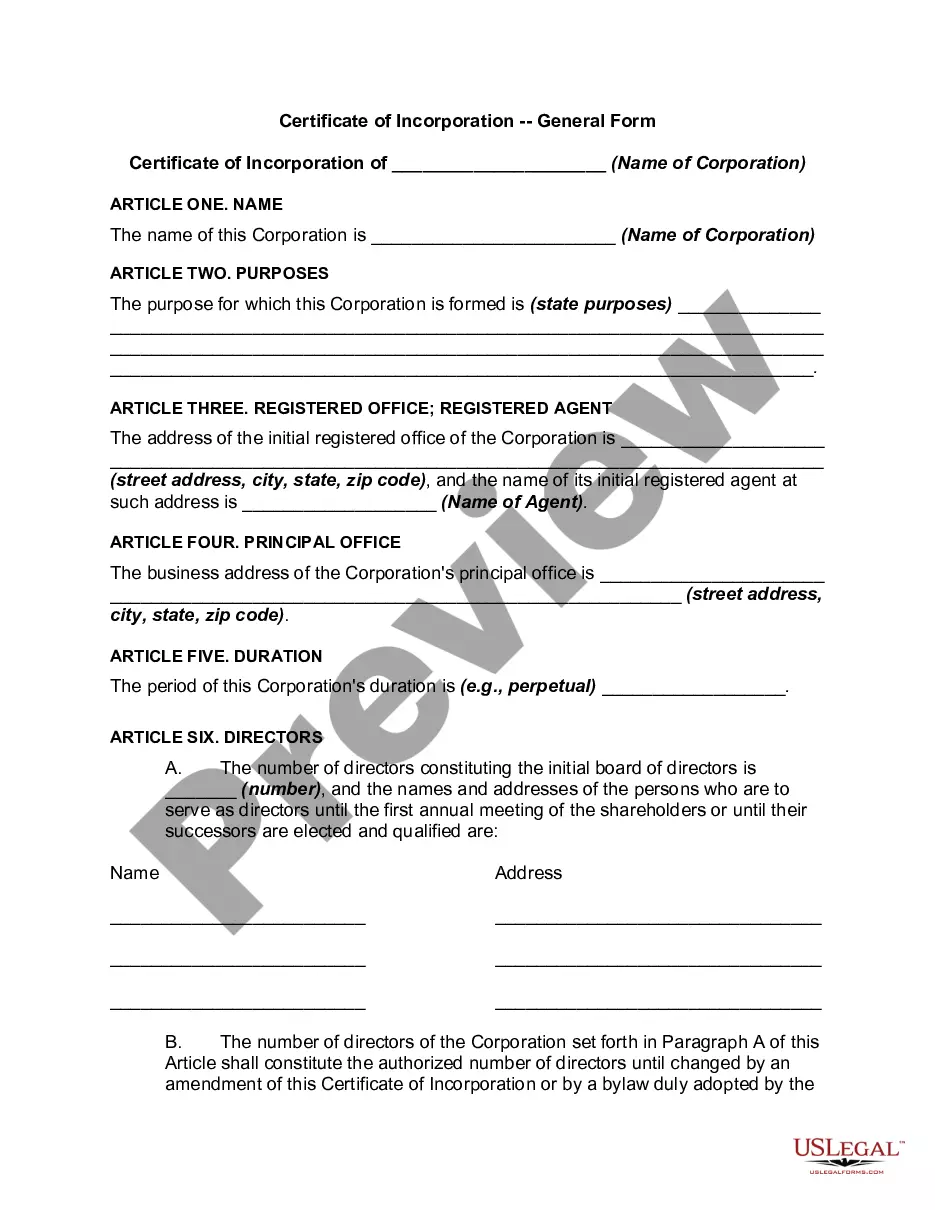
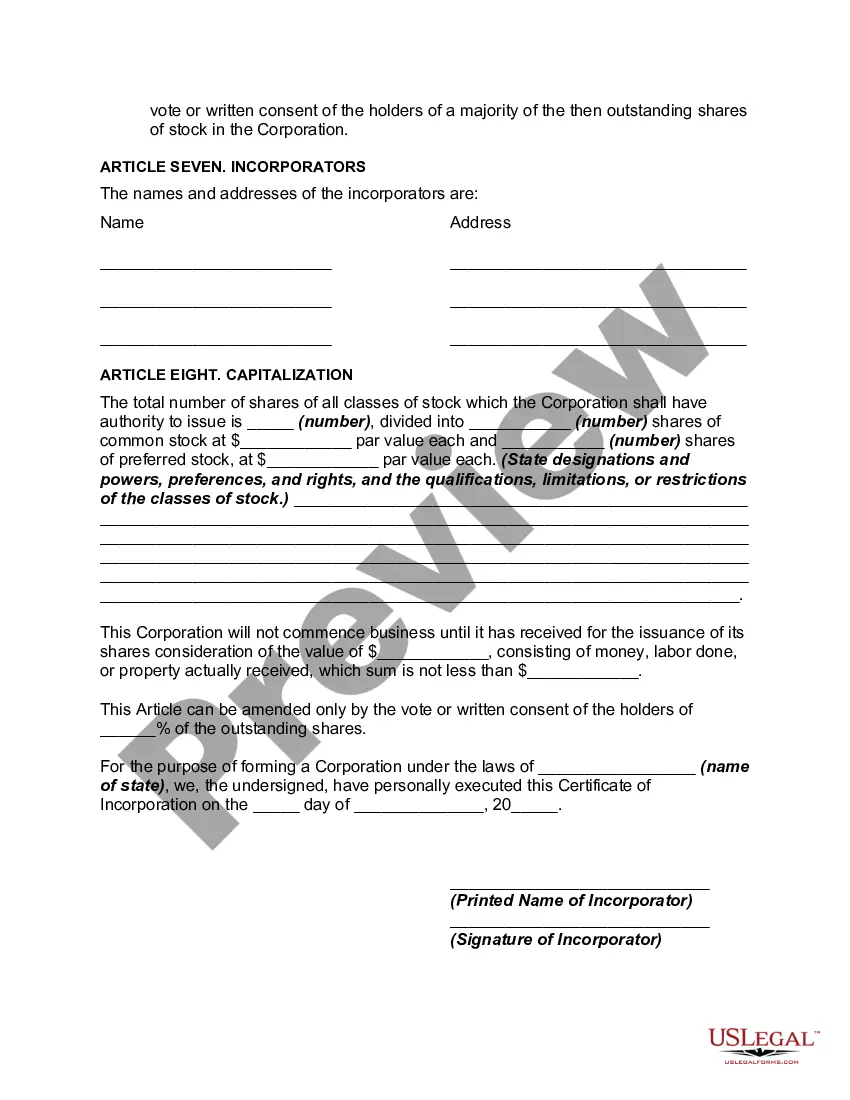
Certificate Incorporation In German
Description
Get your form ready online
Our built-in tools help you complete, sign, share, and store your documents in one place.
Make edits, fill in missing information, and update formatting in US Legal Forms—just like you would in MS Word.
Download a copy, print it, send it by email, or mail it via USPS—whatever works best for your next step.
Sign and collect signatures with our SignNow integration. Send to multiple recipients, set reminders, and more. Go Premium to unlock E-Sign.
If this form requires notarization, complete it online through a secure video call—no need to meet a notary in person or wait for an appointment.
We protect your documents and personal data by following strict security and privacy standards.

Make edits, fill in missing information, and update formatting in US Legal Forms—just like you would in MS Word.

Download a copy, print it, send it by email, or mail it via USPS—whatever works best for your next step.

Sign and collect signatures with our SignNow integration. Send to multiple recipients, set reminders, and more. Go Premium to unlock E-Sign.

If this form requires notarization, complete it online through a secure video call—no need to meet a notary in person or wait for an appointment.

We protect your documents and personal data by following strict security and privacy standards.
Looking for another form?


Form popularity
FAQ
To obtain a certificate of residence in Germany, you will need to contact your local municipality or city office. This certificate verifies your registered address and may require proof of identification and other documents. Ensuring accurate and timely registration at the local authority enhances your experience with this process. Consider using US Legal Forms for clarity on the required documents and any forms needed.
In Germany, obtaining a certificate of origin generally involves applying through your local chamber of commerce or a designated authority. This certificate confirms where the goods originate and is crucial for international trade. You'll need to provide relevant documents, such as invoices and shipping details, to complete your application. Utilize US Legal Forms to access templates and guidance to make this process easier.
To get your certificate recognized in Germany, you typically need to present it at the relevant local or regional authority. This process may involve submitting official translations, if necessary, to ensure clarity and adherence to German regulations. Additionally, make sure that the document is properly stamped and verified to facilitate recognition. US Legal Forms can help streamline the necessary paperwork and guidance.
A Certificate of Incorporation (CoC) in Germany serves as official documentation that confirms a company is registered and legally recognized. This certificate provides essential information such as the company name, registration number, and date of incorporation. You may need this CoC certificate when engaging with banks or potential clients. If you're seeking assistance, consider using US Legal Forms to obtain this crucial documentation.
Incorporating a company in Germany involves several steps, starting with drafting a business plan and selecting a legal structure. You will need to gather necessary documents, including a certificate of incorporation in German, and register with the local court. Using platforms like uslegalforms simplifies this process and ensures your paperwork is in order, saving you time and avoiding legal issues.
The time it takes to incorporate a company in Germany varies, but it typically ranges from a few weeks to a couple of months. This timeframe depends on the complexity of the business structure and the efficiency of your documents. Once you have your certificate of incorporation in German, you can move forward with your business plans. Utilizing services like uslegalforms can help speed up this process.
Yes, foreigners can set up a company in Germany. There are specific regulations and procedures to follow, but many nations welcome foreign investors. A certificate of incorporation in German is necessary for foreigners to operate a business here. Through platforms like uslegalforms, you can streamline the process and ensure compliance with local laws.
Yes, German companies do have certificates of incorporation. This document, known as 'Handelsregisterauszug', serves as official proof of a company's legal existence. It includes essential details such as the company's name, registration number, and legal structure. This certificate of incorporation in German is vital for conducting business legally within Germany.
In Europe, LLC refers to a limited liability company, similar to its use in other regions. However, the specific legal definitions and requirements can vary by country. For instance, in Germany, the equivalent is a GmbH, which shares many characteristics with LLCs, such as limited personal liability. If you aim to start a business in Europe, ensure you obtain the relevant certificate of incorporation in German for your chosen structure.
The legal form corresponding to an LLC in Germany is the GmbH. This structure provides the limited liability benefits similar to those offered by an LLC in the United States. To establish a GmbH, business owners must follow specific procedures, including submitting a certificate of incorporation in German. Understanding these legal forms can help streamline your business setup process.
