Gazetted Officer Certificate For Address Proof In Minnesota
Description

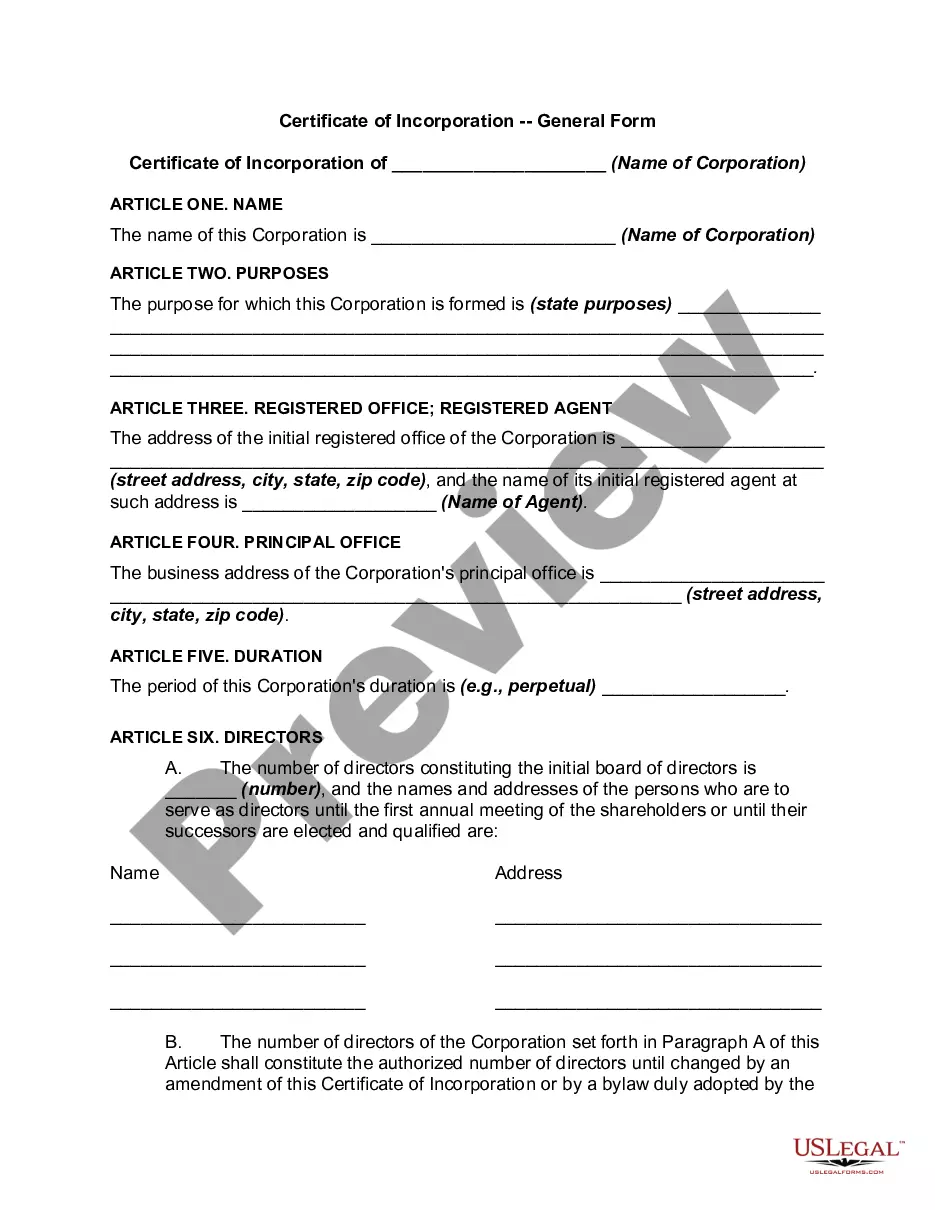
Get your form ready online
Our built-in tools help you complete, sign, share, and store your documents in one place.
Make edits, fill in missing information, and update formatting in US Legal Forms—just like you would in MS Word.
Download a copy, print it, send it by email, or mail it via USPS—whatever works best for your next step.
Sign and collect signatures with our SignNow integration. Send to multiple recipients, set reminders, and more. Go Premium to unlock E-Sign.
If this form requires notarization, complete it online through a secure video call—no need to meet a notary in person or wait for an appointment.
We protect your documents and personal data by following strict security and privacy standards.

Make edits, fill in missing information, and update formatting in US Legal Forms—just like you would in MS Word.

Download a copy, print it, send it by email, or mail it via USPS—whatever works best for your next step.

Sign and collect signatures with our SignNow integration. Send to multiple recipients, set reminders, and more. Go Premium to unlock E-Sign.

If this form requires notarization, complete it online through a secure video call—no need to meet a notary in person or wait for an appointment.

We protect your documents and personal data by following strict security and privacy standards.
Looking for another form?
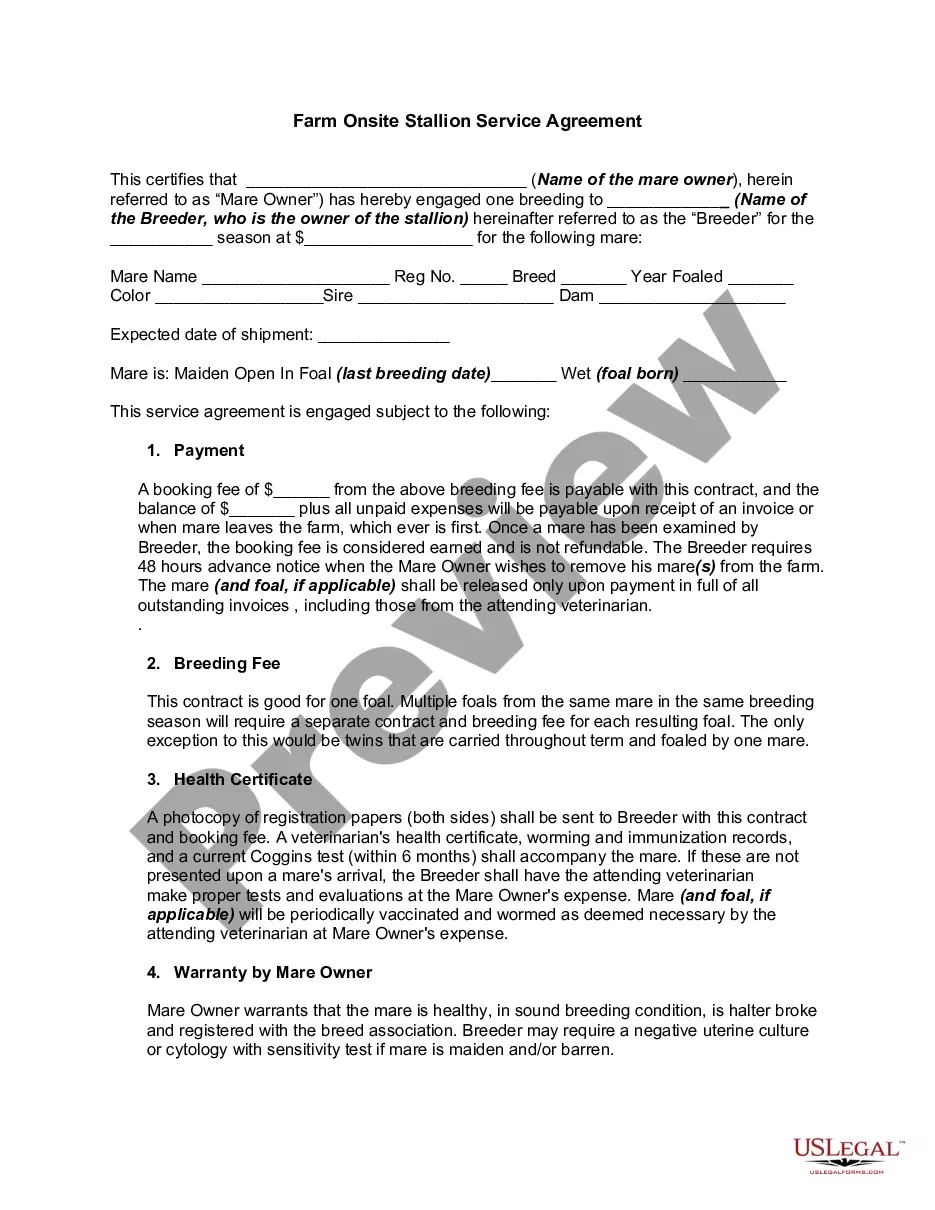
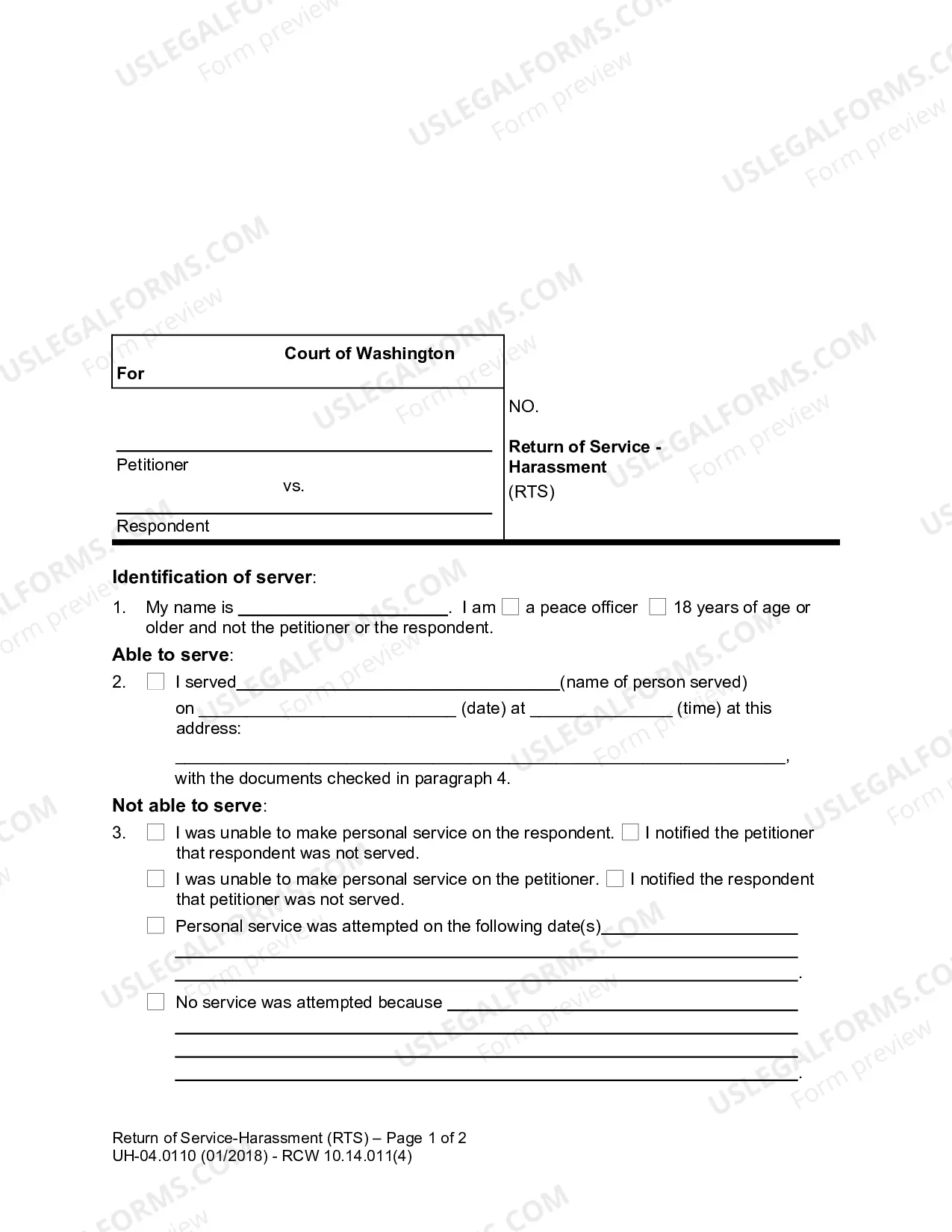
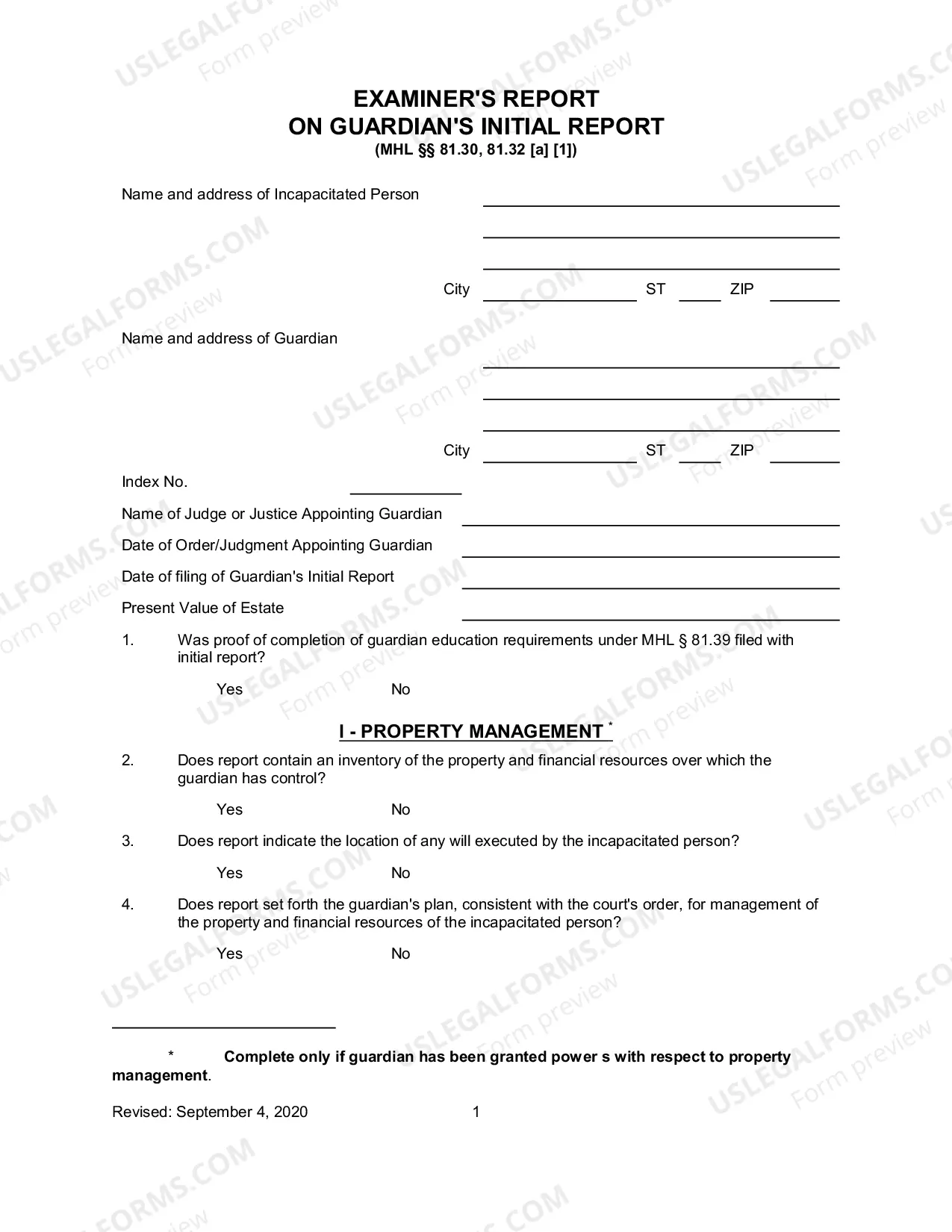

Form popularity
FAQ
byStep Guide to Notarizing Documents in California Step 1: Understand the Role of a Notary Public. Step 2: Locate a Notary Public. Step 3: Gather Your Documents. Step 4: Bring Proper Identification. Step 5: Sign the Document in the Presence of the Notary. Step 6: Verify Your Identity.
If the document has already been signed, the signer can sign his or her name again above or next to the first signature. You can then proceed with the notarization. You may want to notate in your journal that the signer was instructed to sign again in your presence.
What do I need to do to get my documents notarized? Make sure that you do not sign documents ahead of time. Bring a current photo ID (valid driver's license or state ID, etc.) to the notary public. Sign the document in front of the notary public.
One of the most common mistakes that notaries make is not printing or signing their name exactly as it appears on their notary commission.
Two documents proving current residency in Minnesota. Examples include a valid driver's license or ID card, a cancelled check or a credit card statement.
Valid, unexpired Minnesota ID card. (Current address must be listed). Home utility services bill issued no more than 3 months from date of renewal.
