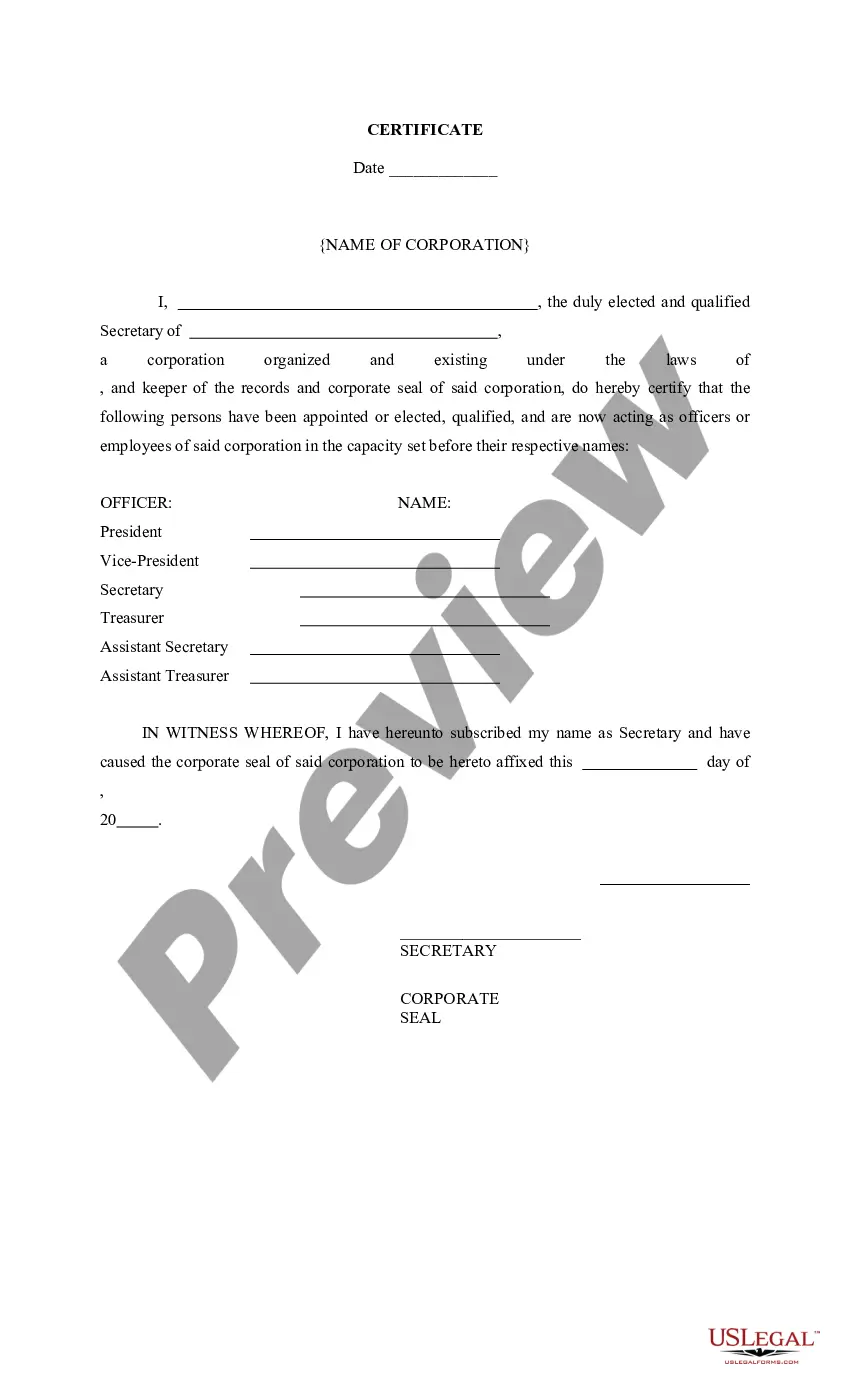
Certificate Of Recognition For Officers In Michigan
Description
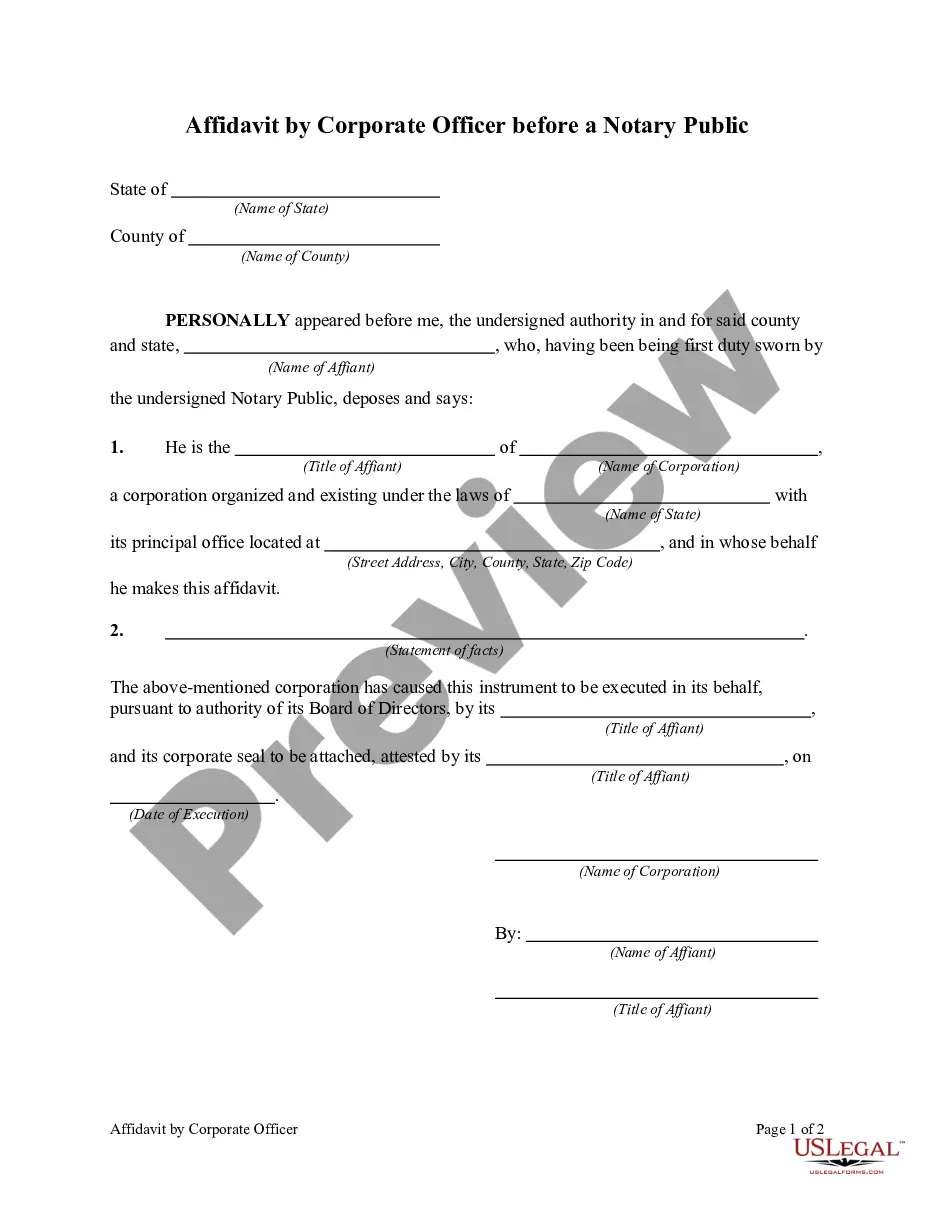
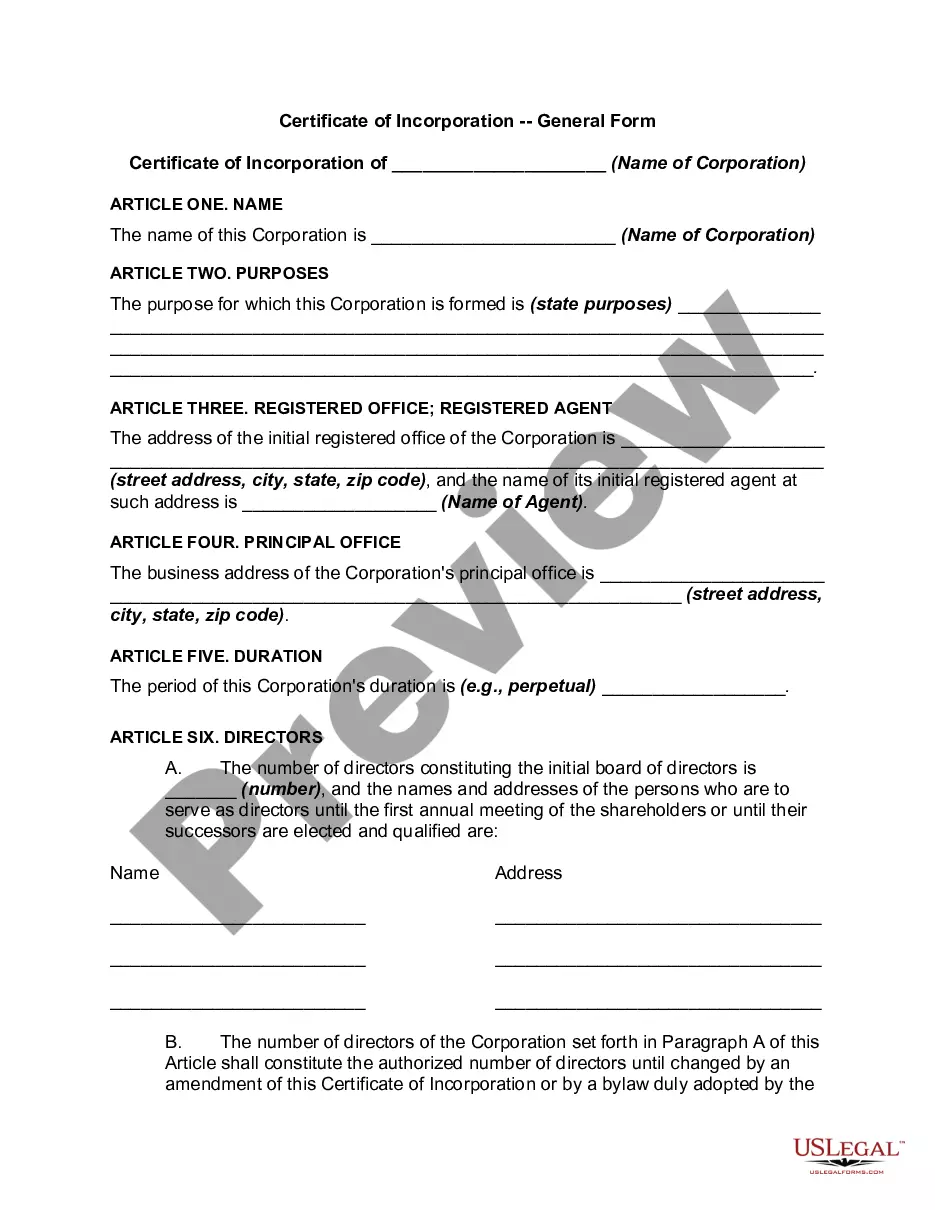
Get your form ready online
Our built-in tools help you complete, sign, share, and store your documents in one place.
Make edits, fill in missing information, and update formatting in US Legal Forms—just like you would in MS Word.
Download a copy, print it, send it by email, or mail it via USPS—whatever works best for your next step.
Sign and collect signatures with our SignNow integration. Send to multiple recipients, set reminders, and more. Go Premium to unlock E-Sign.
If this form requires notarization, complete it online through a secure video call—no need to meet a notary in person or wait for an appointment.
We protect your documents and personal data by following strict security and privacy standards.

Make edits, fill in missing information, and update formatting in US Legal Forms—just like you would in MS Word.

Download a copy, print it, send it by email, or mail it via USPS—whatever works best for your next step.

Sign and collect signatures with our SignNow integration. Send to multiple recipients, set reminders, and more. Go Premium to unlock E-Sign.

If this form requires notarization, complete it online through a secure video call—no need to meet a notary in person or wait for an appointment.

We protect your documents and personal data by following strict security and privacy standards.
Looking for another form?
Form popularity
FAQ
And validated for persons entering the law enforcement profession in Michigan. It consists of 120 multiple-choice items, and is administered online, via the web, in a proctored test environment at a set time and location. Additional descriptive information, as well as sample items, follow.
Licensing as a law enforcement officer in Michigan must be approved through the Michigan Commission on Law Enforcement Standards (MCOLES).
To become a state trooper, one typically completes an associate's degree in a field related to criminology, completes the state trooper training academy and passes examinations for physical and mental health.
Level II Reserve Officer duties include: Riding as a second officer with a regular officer; vacation house checks; subpoena service; traffic control; security at City meetings; and other general law enforcement duties assigned by the Department.
When filming, videotaping, audio recording or photographing in a public space where people don't have a reasonable expectation of privacy there is no need to seek permission to capture images for news or archival purposes.