Gazetted Officer Certificate For Address Proof In Franklin
Description

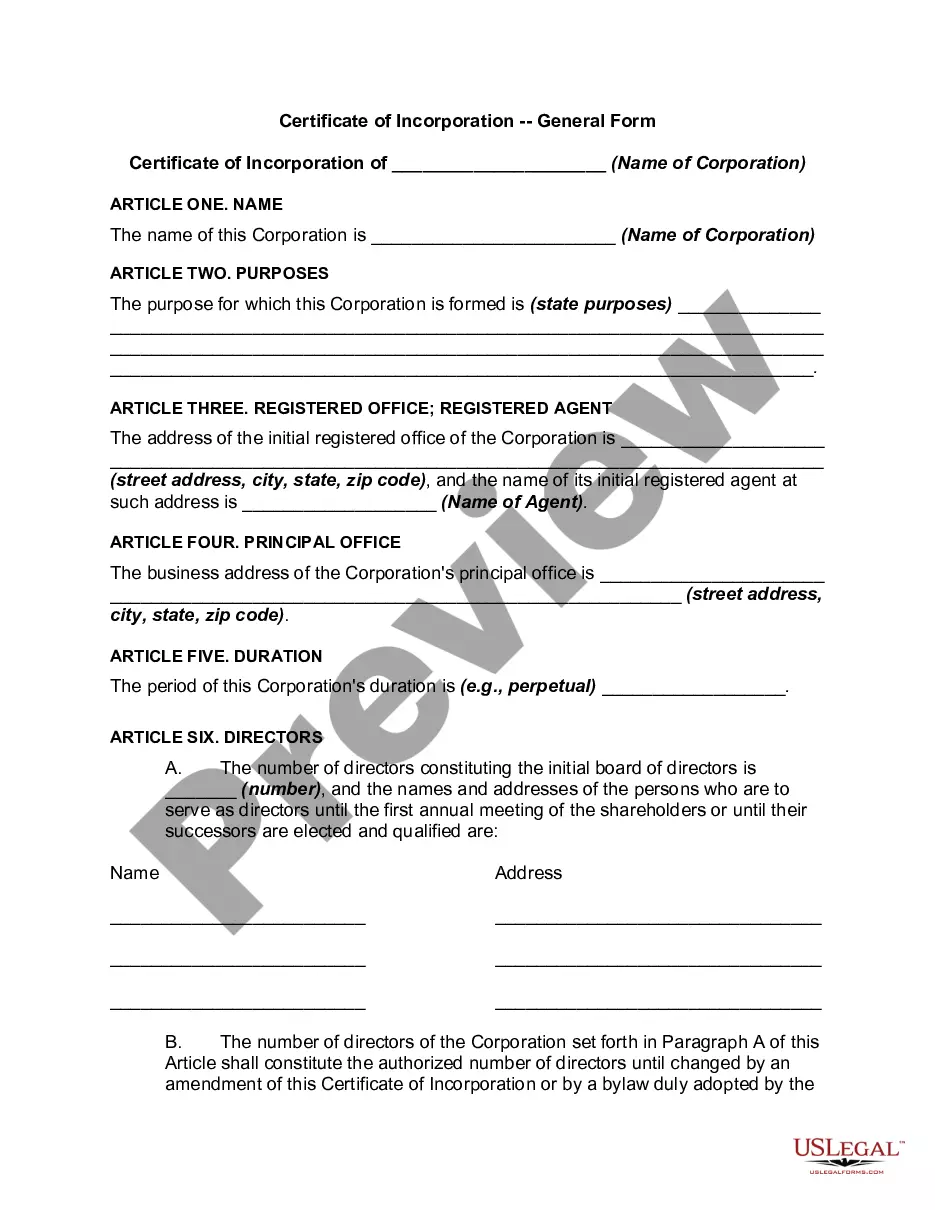
Get your form ready online
Our built-in tools help you complete, sign, share, and store your documents in one place.
Make edits, fill in missing information, and update formatting in US Legal Forms—just like you would in MS Word.
Download a copy, print it, send it by email, or mail it via USPS—whatever works best for your next step.
Sign and collect signatures with our SignNow integration. Send to multiple recipients, set reminders, and more. Go Premium to unlock E-Sign.
If this form requires notarization, complete it online through a secure video call—no need to meet a notary in person or wait for an appointment.
We protect your documents and personal data by following strict security and privacy standards.

Make edits, fill in missing information, and update formatting in US Legal Forms—just like you would in MS Word.

Download a copy, print it, send it by email, or mail it via USPS—whatever works best for your next step.

Sign and collect signatures with our SignNow integration. Send to multiple recipients, set reminders, and more. Go Premium to unlock E-Sign.

If this form requires notarization, complete it online through a secure video call—no need to meet a notary in person or wait for an appointment.

We protect your documents and personal data by following strict security and privacy standards.
Looking for another form?






Form popularity
FAQ
What are the Valid Address Proof Documents? Government-issued ID cards, such as Aadhaar card, passport, and driving license. Utility bills, such as electricity, gas, water, and landline phone bills. Bank statements and credit card statements. Rent agreements and property tax receipts. Lease agreements and mortgage contracts.
Current official document with your name and address A utility bill, credit card statement, lease agreement or mortgage statement will all work to prove residency. If you've gone paperless, print a billing statement from your online account.
Proof of address is a document that confirms your current place of residence. Utility bills, bank statements, and government letters are commonly used as proof of address.
What is a proof of address? A utility bill – electric bill, water bill, etc. A credit card bill or statement. A bank statement. A one-off bank letter. A paycheck. A letter from a public authority, e.g. a court. An insurance policy for your car or home. A rental or mortgage contract or statement.
How to get address proof? There are a wide range of documents that are considered address proof – Aadhaar card, driver's licence, passport, voter's ID, etc. You can apply for any. The majority of applications and processes require an Aadhaar card.
Commonly accepted proof prove residency without bills of address documents include utility bills, bank statements, government-issued ID (like a driver's license), tax records, voter registration cards, and vehicle registration documents.
You can apply for government documents which act as address-proof documents, such as a PAN card, Aadhaar card, Voter ID, etc., on official government websites or authorities and submit your identity-proof documents.
Fill-in the nomination form; click here to download the form. Provide a written request mentioning folio number and name(s) of nominee, signed by all unit holders (irrespective of the mode of holding) along with nominee name, address and signature of one witness.
Log in to your demat account and navigate to the account settings or profile section. Look for the option to update or change the nominee details. Fill in the necessary information, such as the new nominee's details or the changes required, and submit the request.
To add a nominee to your mutual fund online, log in to your demat account, go to the 'Profile' or 'Manage My Account' section, and select the 'Nominee' or 'Add Nominee' option. Then, fill in the required details of the nominee. Review the information and submit it.

