Director In Meeting In King
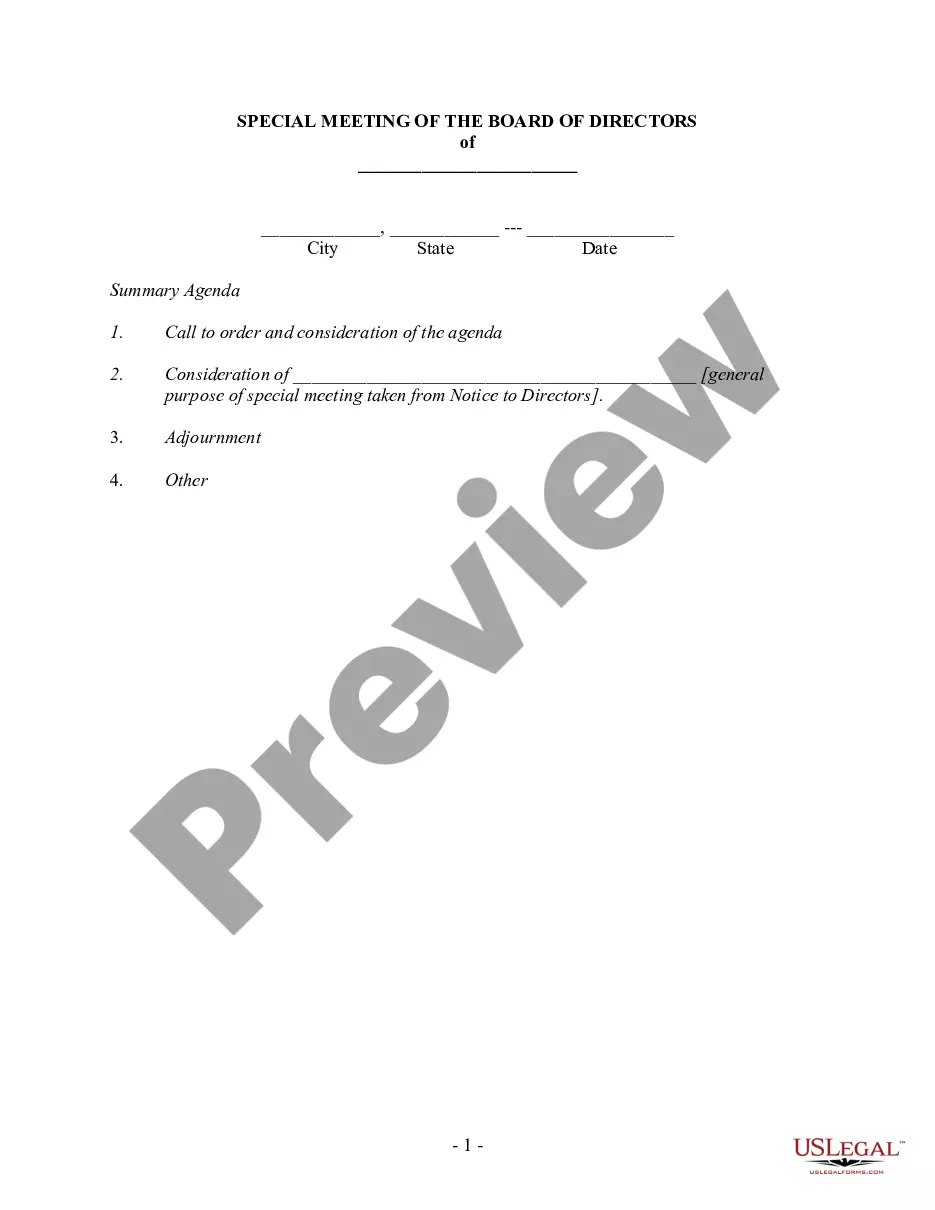
Description



Get your form ready online
Our built-in tools help you complete, sign, share, and store your documents in one place.
Make edits, fill in missing information, and update formatting in US Legal Forms—just like you would in MS Word.
Download a copy, print it, send it by email, or mail it via USPS—whatever works best for your next step.
Sign and collect signatures with our SignNow integration. Send to multiple recipients, set reminders, and more. Go Premium to unlock E-Sign.
If this form requires notarization, complete it online through a secure video call—no need to meet a notary in person or wait for an appointment.
We protect your documents and personal data by following strict security and privacy standards.

Make edits, fill in missing information, and update formatting in US Legal Forms—just like you would in MS Word.

Download a copy, print it, send it by email, or mail it via USPS—whatever works best for your next step.

Sign and collect signatures with our SignNow integration. Send to multiple recipients, set reminders, and more. Go Premium to unlock E-Sign.

If this form requires notarization, complete it online through a secure video call—no need to meet a notary in person or wait for an appointment.

We protect your documents and personal data by following strict security and privacy standards.
Looking for another form?








Form popularity
FAQ
How to hold a board meeting Enter the date, time and place of the meeting. Set the agenda. Share the agenda with your fellow directors. Select the Chair and the mark any absent directors. Minute any discussions that take place before you got to the agenda items. Review the agenda Items. Sign the Board Minutes.
The following steps to running a board meeting are: Recognizing a quorum. Calling the meeting to order. Approving the agenda and minutes. Allowing for communication and reports. Addressing old/new/other business. Closing the meeting.
Directors' meetings refer to board meetings or board committee meetings where different viewpoints are considered before deciding on a course of action. Directors must be able to establish that their decisions are made with care and diligence, in good faith and for a proper purpose.
The Chair often introduces an agenda item, hands over to someone to summarise the main points and then encourages discussion on the subject before the board comes to a decision. A good Chair will not 'lead' the thoughts of board members, but will keep the discussion and debate flowing.
Examples of meeting rules Ask people to speak 'through the chair'. Don't interrupt other people. Stick to the item on the agenda. Don't talk amongst yourselves. Respect other people's views – don't groan or pull faces when someone else is speaking. Keep contributions short and to the point.
Be specific about the topics you would like to discuss and why the meeting is important. Suggest 2-3 date and time options that work for your schedule, so the director can easily select one that fits their calendar. Express your appreciation for their consideration and availability.
A meeting of the Board shall be called by giving not less than seven days' notice in writing to every director at his address registered with the company and such notice shall be sent by hand delivery or by post or by electronic means Provided that a meeting of the Board may be called at shorter notice to transact ...
How to hold a board meeting Enter the date, time and place of the meeting. Set the agenda. Share the agenda with your fellow directors. Select the Chair and the mark any absent directors. Minute any discussions that take place before you got to the agenda items. Review the agenda Items. Sign the Board Minutes.
What to discuss in a one-on-one meeting with manager? Progress on goals. Project status updates. Ask for actionable feedback. Obstacles and solutions. Discuss career growth. Review actions from the previous one-on-one.
Board meetings typically focus on the internal workings and decisions of a company, which is why they will involve the entire board of directors. Key agenda items relating to the business will often be discussed which is why this type of meeting will often require board meeting minutes to be kept.

