Board Meeting With In Hennepin
Description

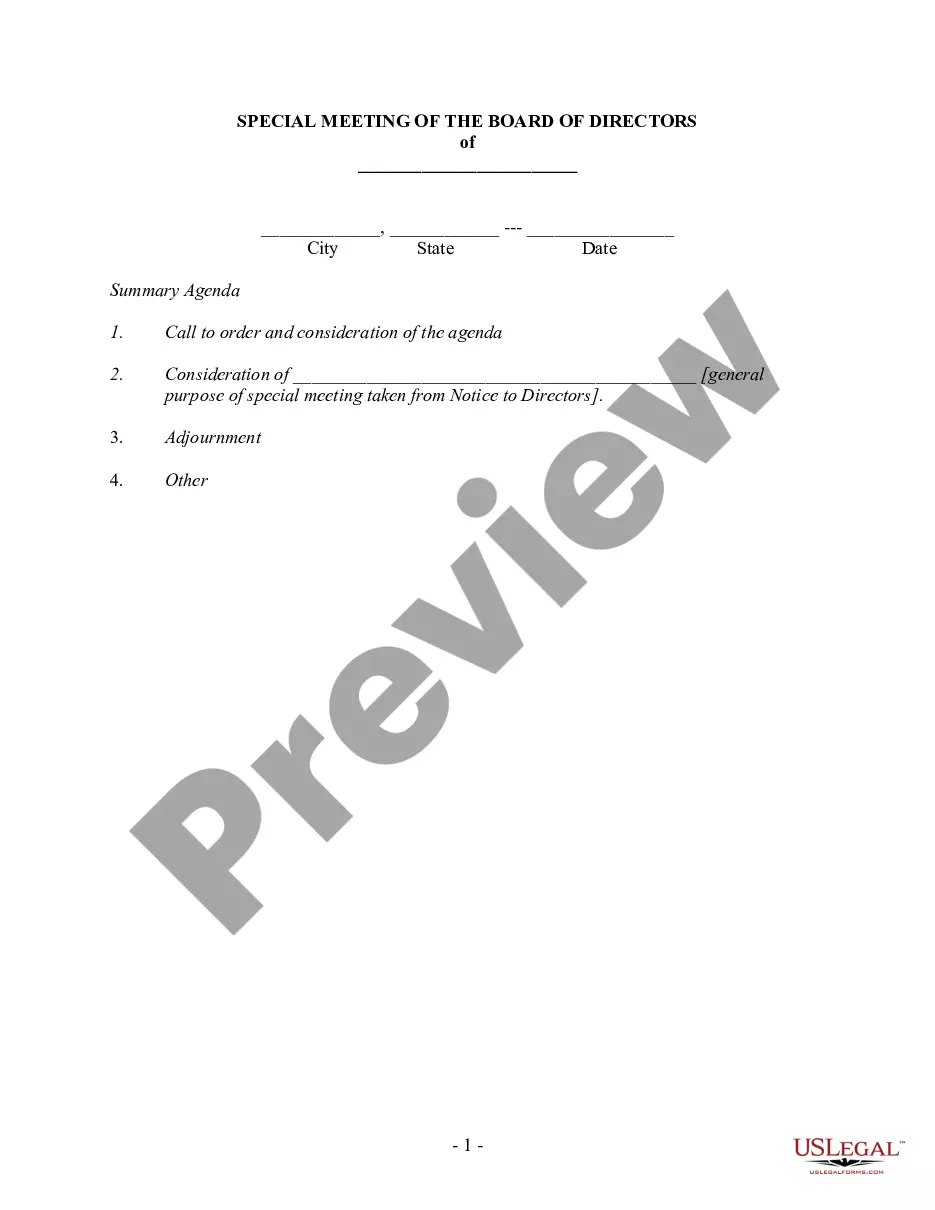


Get your form ready online
Our built-in tools help you complete, sign, share, and store your documents in one place.
Make edits, fill in missing information, and update formatting in US Legal Forms—just like you would in MS Word.
Download a copy, print it, send it by email, or mail it via USPS—whatever works best for your next step.
Sign and collect signatures with our SignNow integration. Send to multiple recipients, set reminders, and more. Go Premium to unlock E-Sign.
If this form requires notarization, complete it online through a secure video call—no need to meet a notary in person or wait for an appointment.
We protect your documents and personal data by following strict security and privacy standards.

Make edits, fill in missing information, and update formatting in US Legal Forms—just like you would in MS Word.

Download a copy, print it, send it by email, or mail it via USPS—whatever works best for your next step.

Sign and collect signatures with our SignNow integration. Send to multiple recipients, set reminders, and more. Go Premium to unlock E-Sign.

If this form requires notarization, complete it online through a secure video call—no need to meet a notary in person or wait for an appointment.

We protect your documents and personal data by following strict security and privacy standards.
Looking for another form?


Form popularity
FAQ
Normally, non-director officers may be invited to attend all or particular meeting of the board, especially the secretary of the corporation for the purpose of keeping minutes of the proceeding. Also, outside counsel of the corporation are frequently invited to attend.
What Happens After the Meeting. After the meeting, the board typically sends out minutes summarizing discussions and decisions made. These notes are essential for keeping all community members informed and up-to-date. If you missed the meeting, review the notes to stay informed.
State-specific sunshine laws and public disclosure Local government meetings must be public; exceptions include litigation, labor negotiations, and real estate discussions. All public board meetings are open; exceptions include discussions on security and pending litigation.
The Directors shall attend Board Meetings in person. If unable to attend, a Director may appoint another Director to attend on his behalf by proxy which specifies the scope of authorization; any appointee shall not act as proxy for more than one Director.
Unlike general meetings where member attendance is optional, directors have a duty to be present for board and committee meetings as a part of their duties and responsibilities, and to participate in decision making.
Yes, non-board members can often sit in on board meetings, depending on the organization's policies and state regulations. Many nonprofits encourage community members, donors, and volunteers to attend these meetings to foster transparency and collaboration.
In some states there are laws known as “Sunshine laws” that require groups to open their meetings to the public, however, these laws generally only apply to governmental or quasi-governmental groups. Unless the nonprofit is a governmental entity, there is no obligation to open board meetings to the public.
Avoid no agenda or plan avoid too long conversations about weekend or other personal plans avoid one person monopolising the meeting - the loudest one usually in general the rules are of the person who set the meeting up - I have seen people taking over in a rude way. do not be rude or late let others speak
5 tips for opening a board meeting: Allow time for members to get settled and focused. Provide a way for members to share what's weighing on their minds. Include time for socializing. Clarify each person's specific role for the meeting. Take time to formally review and approve the agenda.
Minimum number of members required to constitute a valid meeting and to transact business therein is called 'quorum'. No meeting can be valid without quorum. Any resolution passed at a meeting without quorum shall be invalid. Quorum is to be fixed by the Articles of Association.

