Sample Letter To Client Withdrawing As Counsel In San Antonio
Description
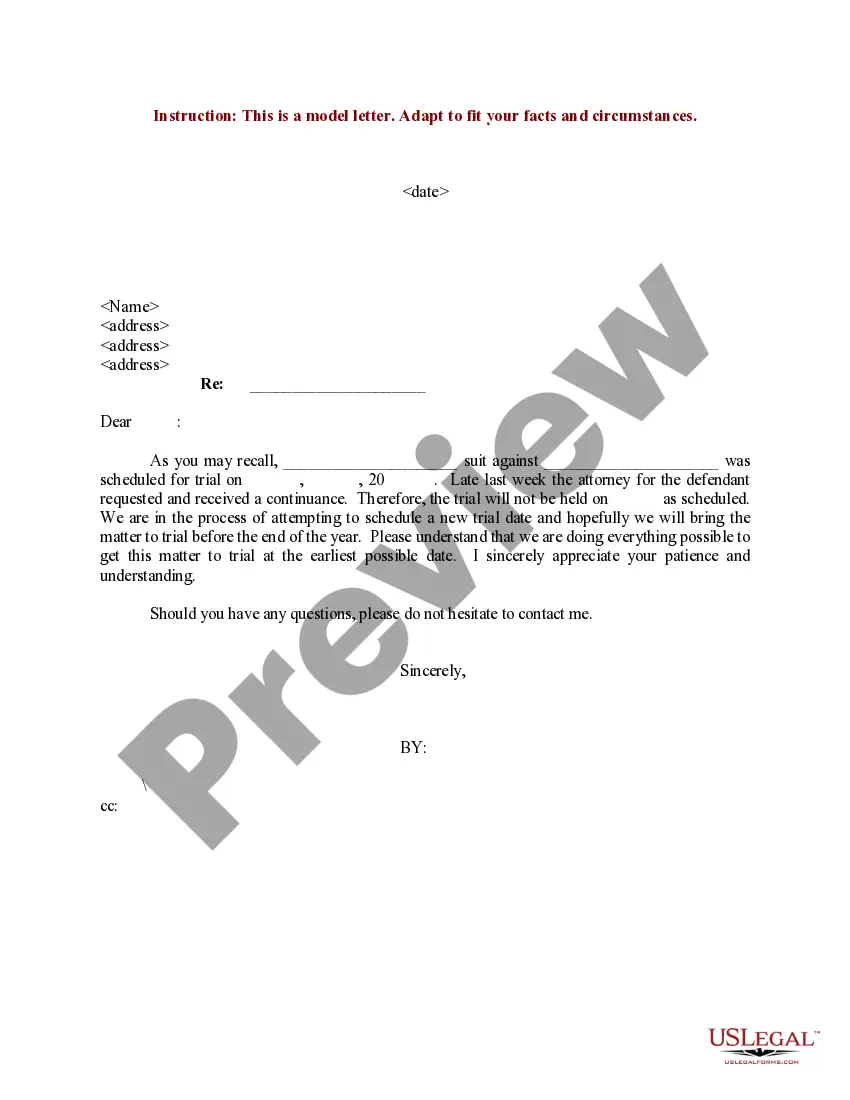
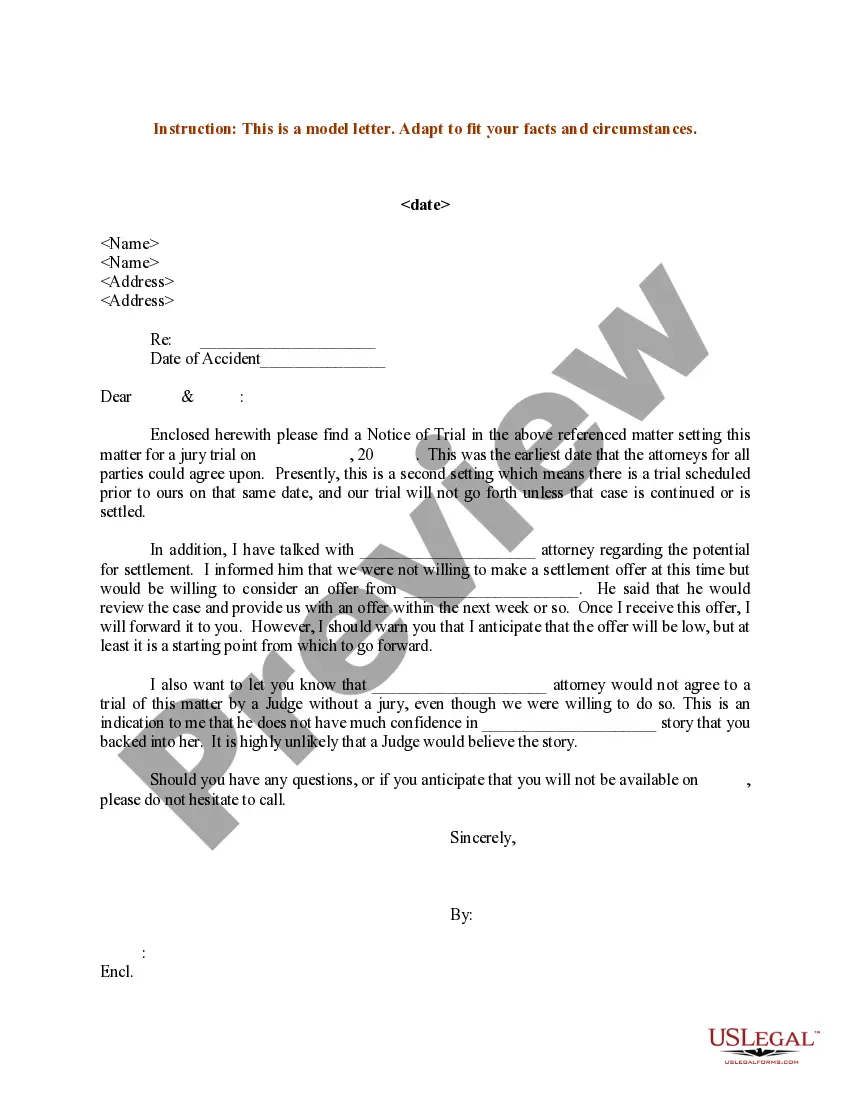
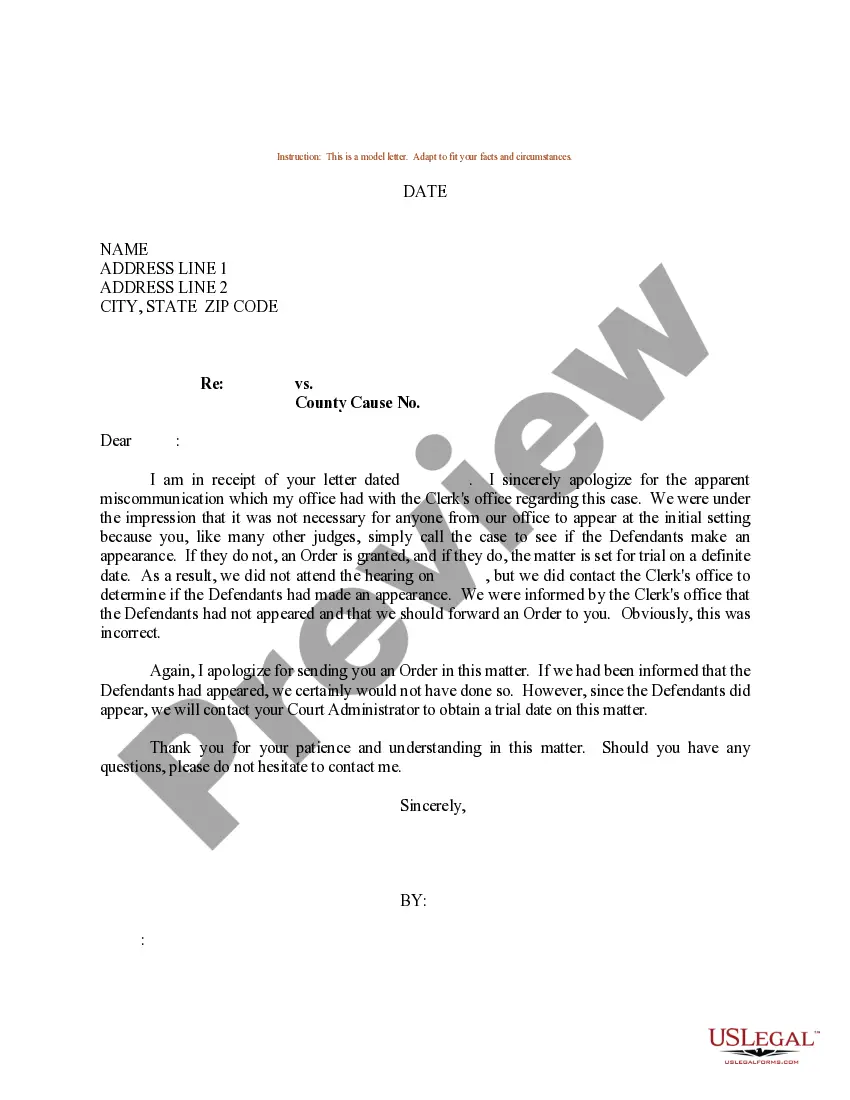
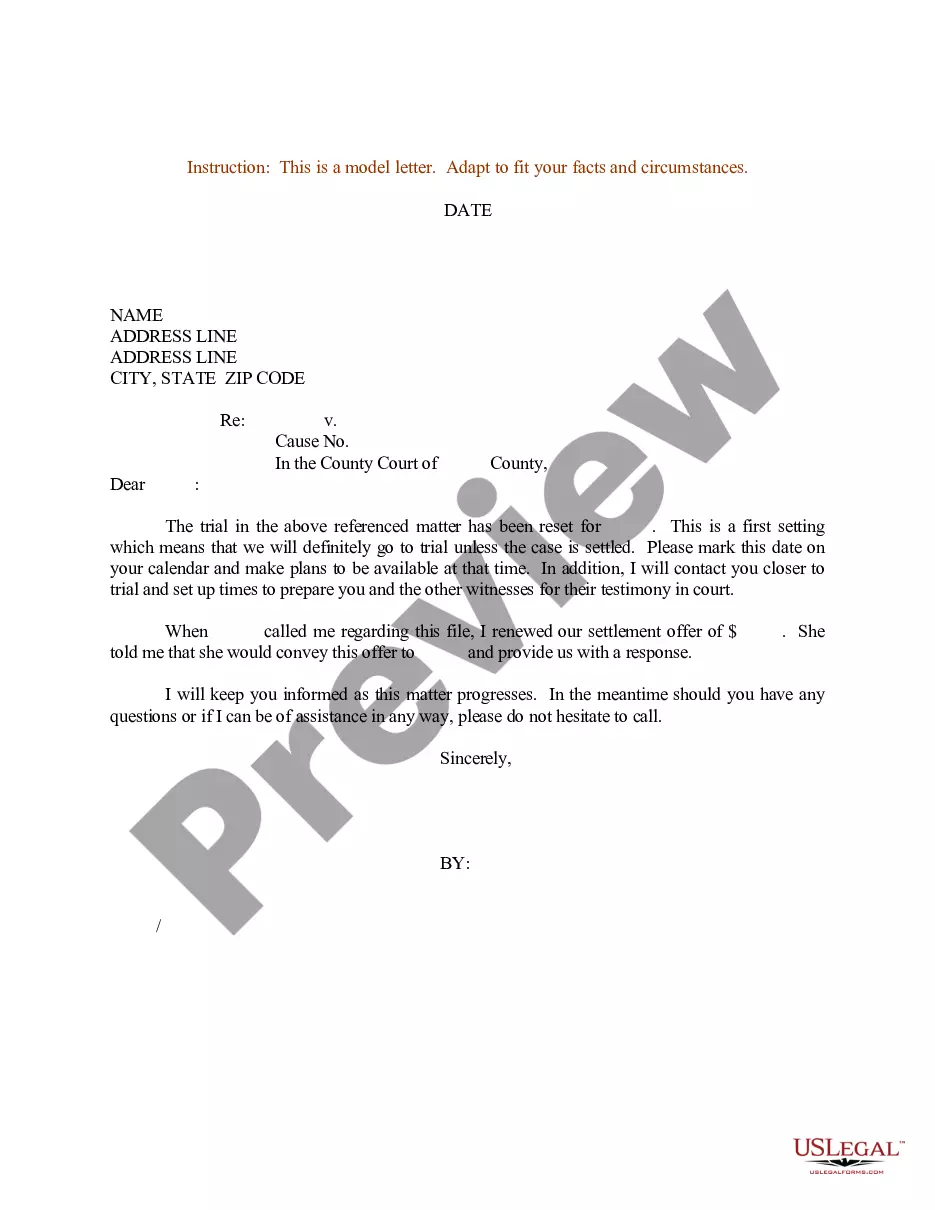
Get your form ready online
Our built-in tools help you complete, sign, share, and store your documents in one place.
Make edits, fill in missing information, and update formatting in US Legal Forms—just like you would in MS Word.
Download a copy, print it, send it by email, or mail it via USPS—whatever works best for your next step.
Sign and collect signatures with our SignNow integration. Send to multiple recipients, set reminders, and more. Go Premium to unlock E-Sign.
If this form requires notarization, complete it online through a secure video call—no need to meet a notary in person or wait for an appointment.
We protect your documents and personal data by following strict security and privacy standards.

Make edits, fill in missing information, and update formatting in US Legal Forms—just like you would in MS Word.

Download a copy, print it, send it by email, or mail it via USPS—whatever works best for your next step.

Sign and collect signatures with our SignNow integration. Send to multiple recipients, set reminders, and more. Go Premium to unlock E-Sign.

If this form requires notarization, complete it online through a secure video call—no need to meet a notary in person or wait for an appointment.

We protect your documents and personal data by following strict security and privacy standards.
Looking for another form?



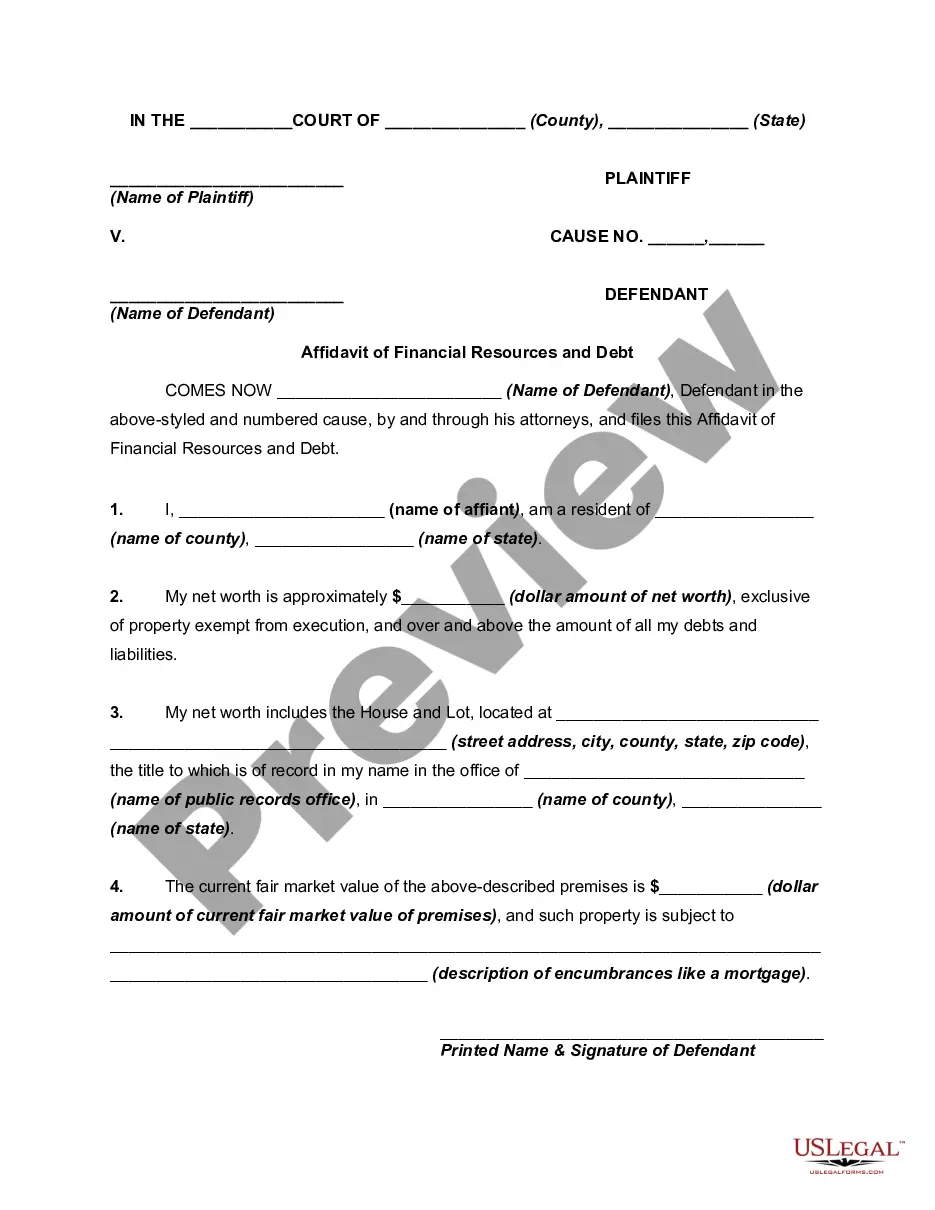

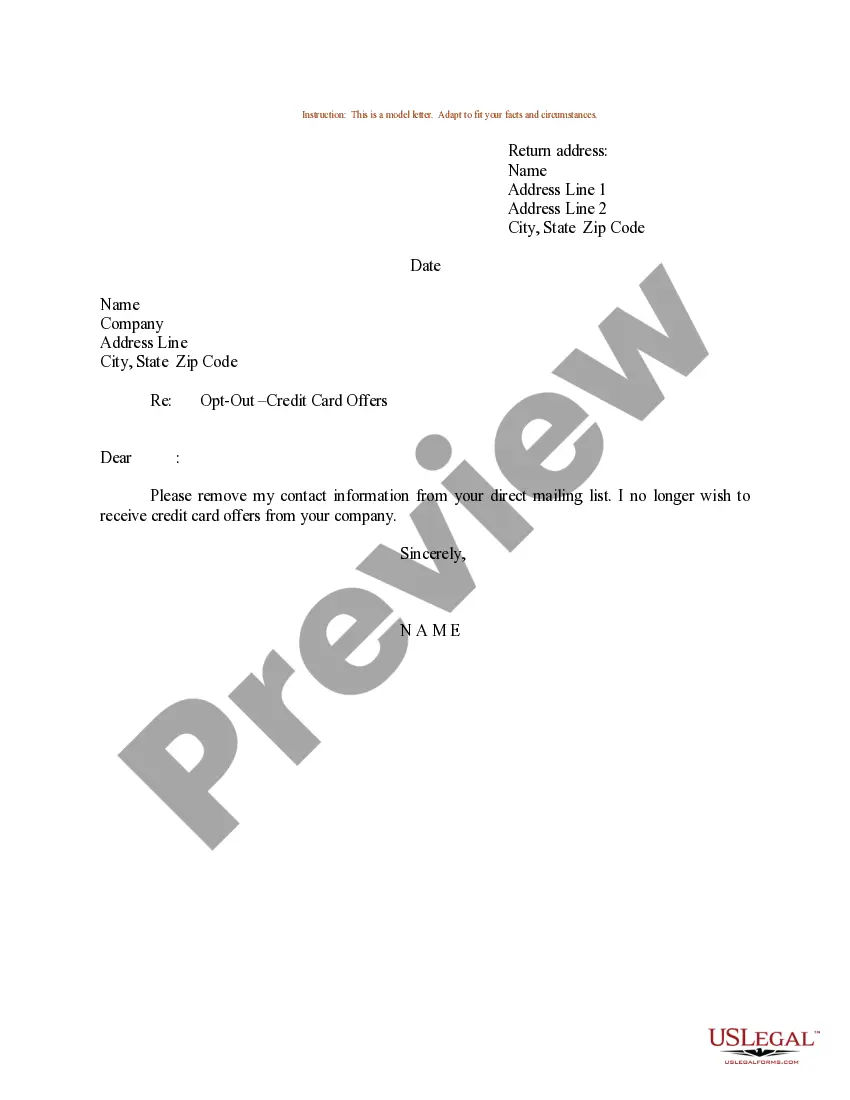



Form popularity
FAQ
Withdrawal is mandatory if (1) the lawyer knows or reasonably should know that the action is being taken without probable cause and for the purpose of harassing or maliciously injuring any person; (2) the lawyer knows or reasonably should know that continued employment will result in a violation of the Rules of ...
Send your lawyer something in writing, such as a letter or an email stating that you no longer need their services. Confirm that your communication was received. Keep a copy of any written correspondence that you send to your lawyer.
City / State / Zip Code Dear Client Name, I regret to inform you that we are terminating our representation of you in the describe matter. Your next step on this legal work should be to acquire the services of another attorney.
We are writing to inform you that after careful consideration, (MY COMPANY) has made the difficult decision to terminate its agreement as a service provider for (CLIENT NAME) effective (TERMINATION DATE). Current circumstances have caused the need for (MY COMPANY) to re-evaluate our client portfolio.
Any attorney for either party who has filed a notice of appearance and who wishes to withdraw from a case must file a motion or notice which includes the name, email address, mailing address, telephone number, and fax number of the person who will assume responsibility for representation of the party in question.
Mandatory Withdrawal A lawyer ordinarily must decline employment if the employment will cause the lawyer to engage in conduct that the lawyer knows is illegal or that violates the Texas Disciplinary Rules of Professional Conduct.
Except as provided in subsection (b), (c), or (d) of this rule, an attorney desiring to withdraw in any case must file a motion to withdraw. This motion must, in addition to the matters required by LR 7.1, specify the reasons requiring withdrawal and provide the name and address of the succeeding attorney.
When an attorney desiring to withdraw is to be replaced simultaneously, the succeeding attorney must file a motion to substitute counsel. If the presiding judge grants the motion, the order effects both the substitution of the succeeding attorney and the withdrawal of the attorney being replaced.
Even if the matter is not pending before a tribunal, the ethics rules of most states provide that a lawyer cannot withdraw until he or she has taken reasonable steps to avoid foreseeable prejudice to the rights of his client, such as giving notice to the client, allowing time for employment of other counsel, delivering ...
Retainers don't give an attorney power to keep you as a client. You can decide when to terminate the lawyer-client relationship. The attorney must abide by your decision if you fire them.

