Sample Letter To Client Withdrawing As Counsel In Nassau
Description

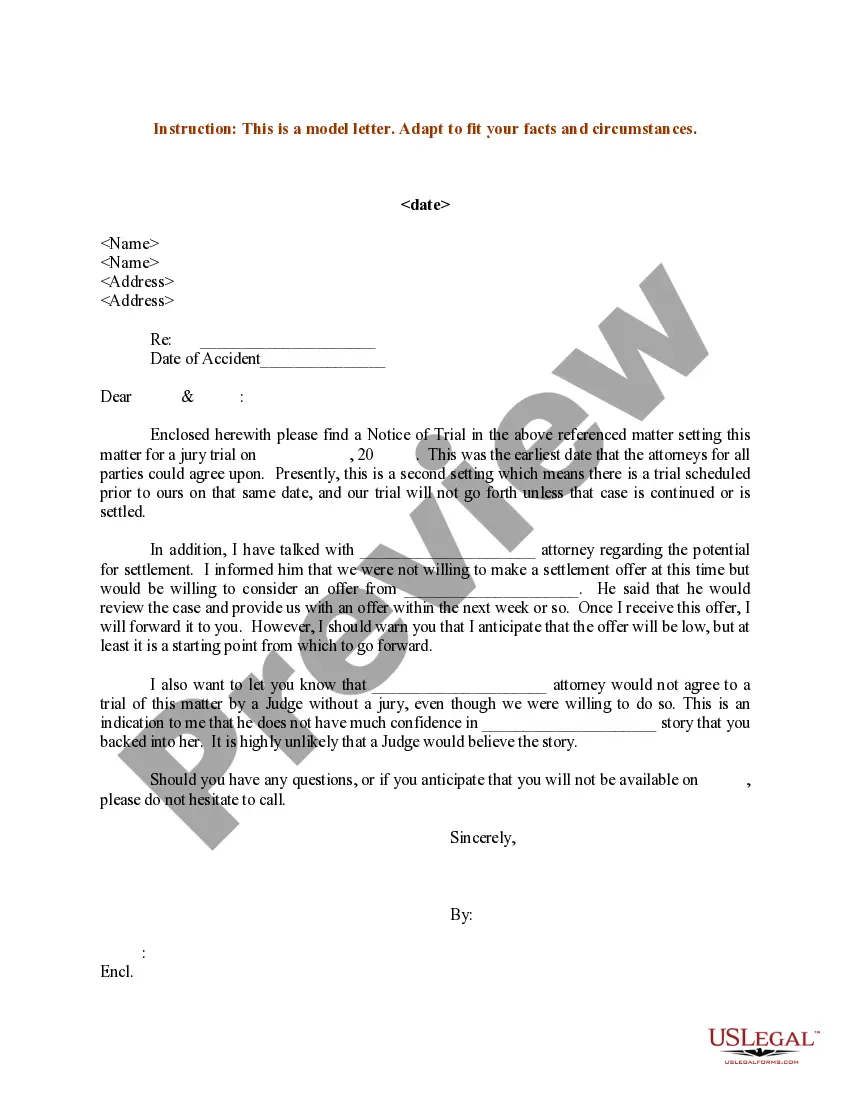
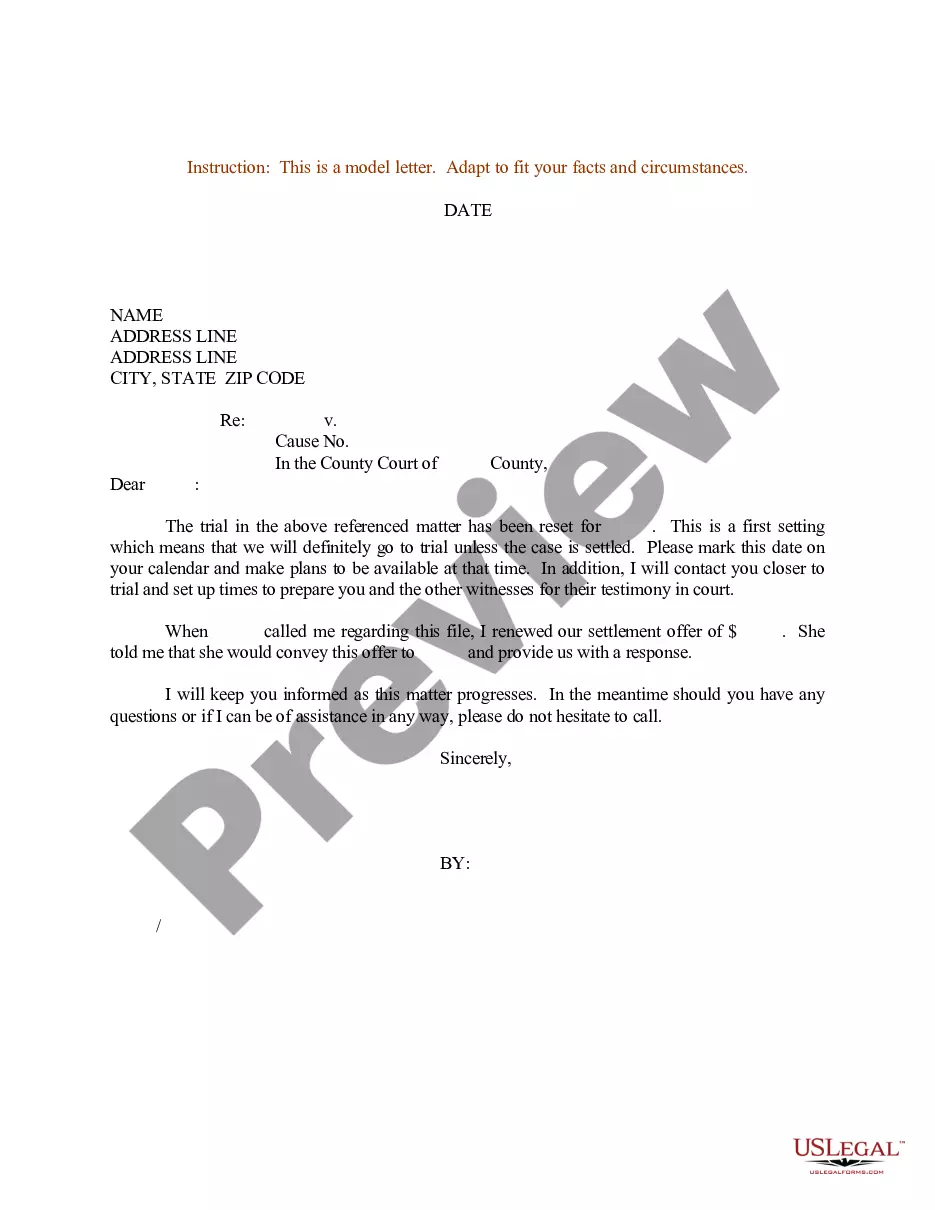
Get your form ready online
Our built-in tools help you complete, sign, share, and store your documents in one place.
Make edits, fill in missing information, and update formatting in US Legal Forms—just like you would in MS Word.
Download a copy, print it, send it by email, or mail it via USPS—whatever works best for your next step.
Sign and collect signatures with our SignNow integration. Send to multiple recipients, set reminders, and more. Go Premium to unlock E-Sign.
If this form requires notarization, complete it online through a secure video call—no need to meet a notary in person or wait for an appointment.
We protect your documents and personal data by following strict security and privacy standards.

Make edits, fill in missing information, and update formatting in US Legal Forms—just like you would in MS Word.

Download a copy, print it, send it by email, or mail it via USPS—whatever works best for your next step.

Sign and collect signatures with our SignNow integration. Send to multiple recipients, set reminders, and more. Go Premium to unlock E-Sign.

If this form requires notarization, complete it online through a secure video call—no need to meet a notary in person or wait for an appointment.

We protect your documents and personal data by following strict security and privacy standards.
Looking for another form?









Form popularity
FAQ
The Rules of Conduct specify that an attorney may terminate a client relationship where the client (a) insists upon presenting a claim or defense not warranted under existing law and not supported by a good faith argument for extension, modification, or reversal of existing law; (b) seeks to pursue an illegal course of ...
(b) Except as stated in paragraph (d), a lawyer shall withdraw from the representation of a client when: (1) the lawyer knows or reasonably should know that the representation will result in a violation of these Rules or of law; (2) the lawyer's physical or mental condition materially impairs the lawyer's ability to ...
Answer: To politely inform a lawyer that their services are no longer required, you can send them a clear and concise email or letter expressing your gratitude for their assistance thus far, but stating that you have decided to go in a different direction or have resolved the matter on your own.
Be Clear: Be direct and get straight to the point. Clearly state that you are terminating the attorney and briefly state the reasons why. Additionally, the termination letter should state that the attorney should immediately stop working on any pending matters.
LBR 2091-1(a) provides a procedure for an attorney to withdraw as counsel, and that withdrawal results in the client no longer being represented by an attorney. The former client is now considered to be a "Self-Represented Party".
City / State / Zip Code Dear Client Name: In ance with Local Rule ______________, this letter shall serve a notice of our intent to withdraw from our representation of you in _______________________ case name, cause number. As you know, we are terminating our representation due to ________________________.
Other situations permitting withdrawal include, for example: (1) where the client insists on action that the lawyer believes is criminal or fraudulent, (2) certain instances where the lawyer has an inability to work with co-counsel, (3) the lawyer's mental or physical condition renders it difficult for the lawyer to ...
"A party seeking disqualification of an adversary's lawyer must prove: (1) the existence of a prior attorney-client relationship between the moving party and opposing counsel, (2) that the matters involved in both representations are substantially related, and (3) that the interests of the present client and former ...

