Distribution Agreement For In Riverside
Description

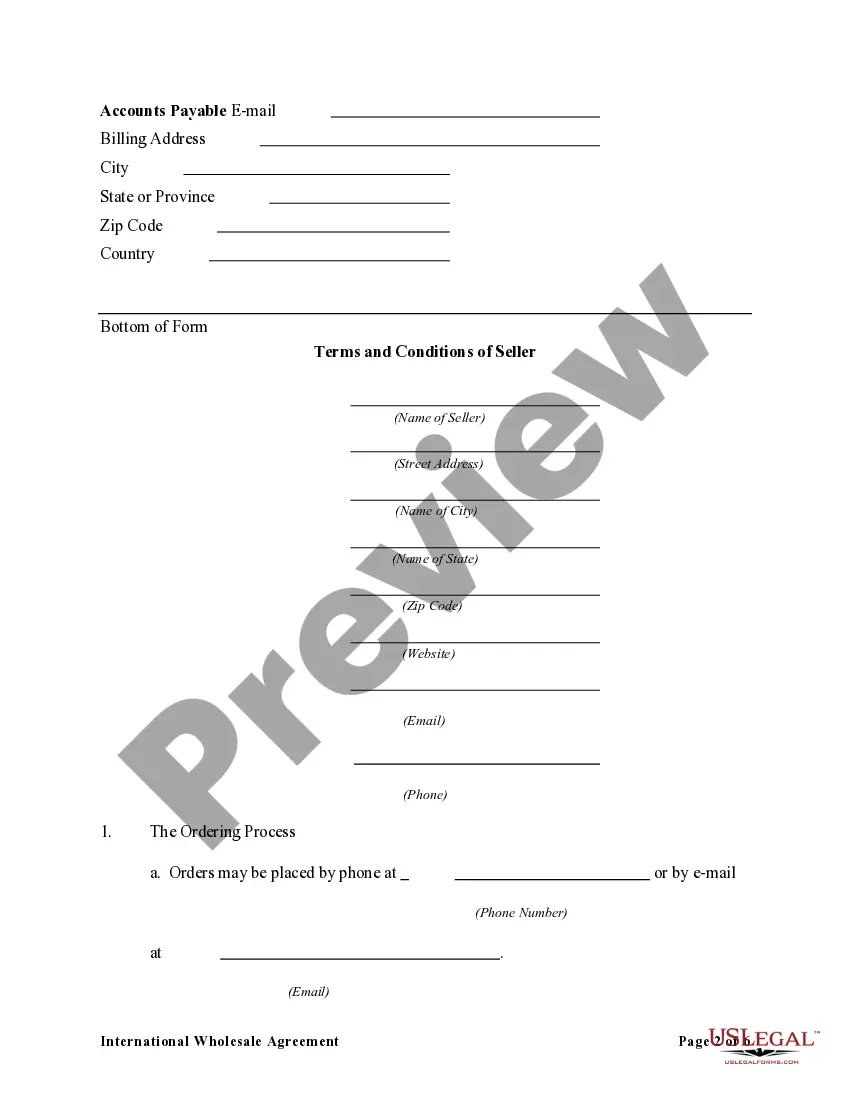
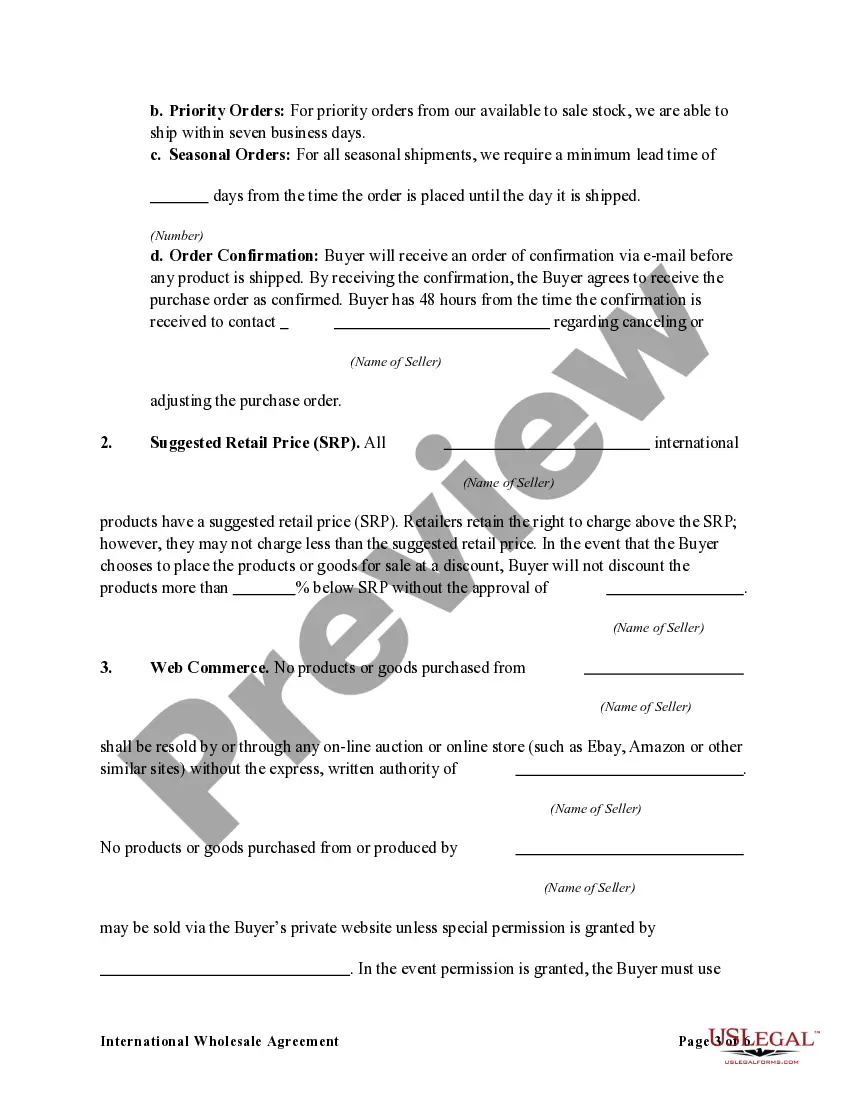
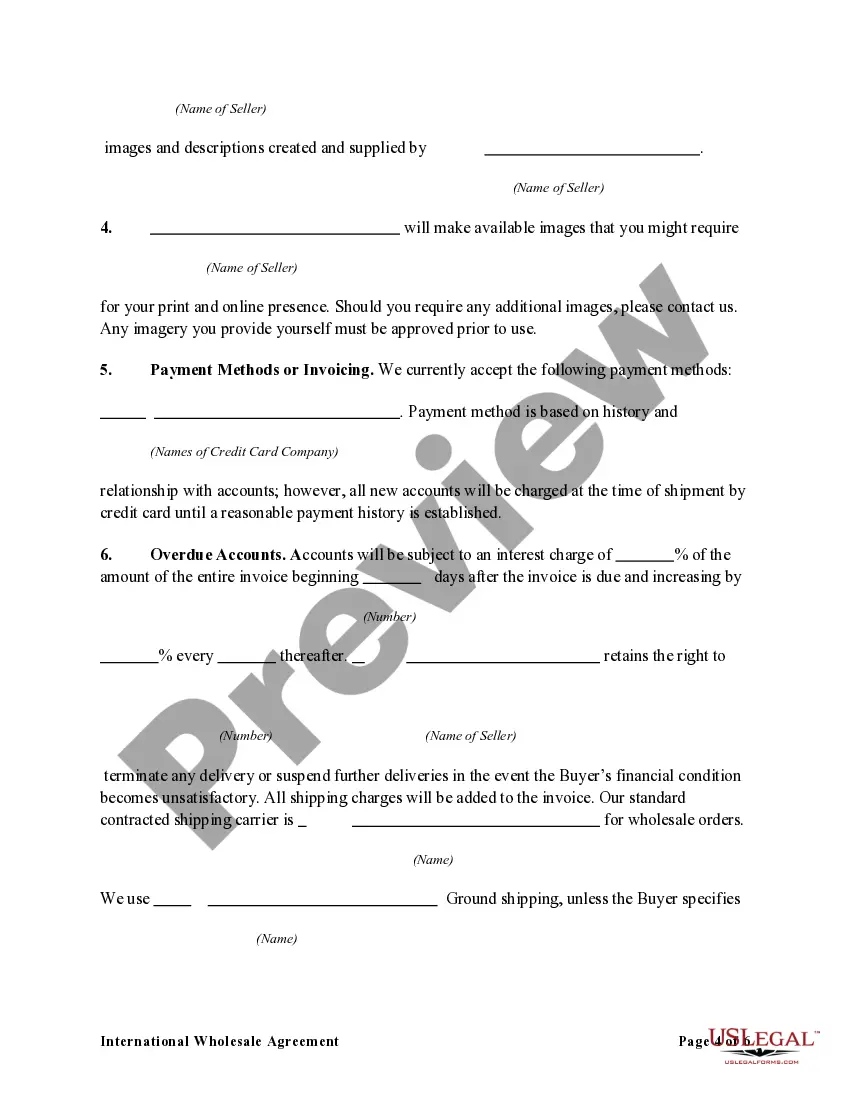
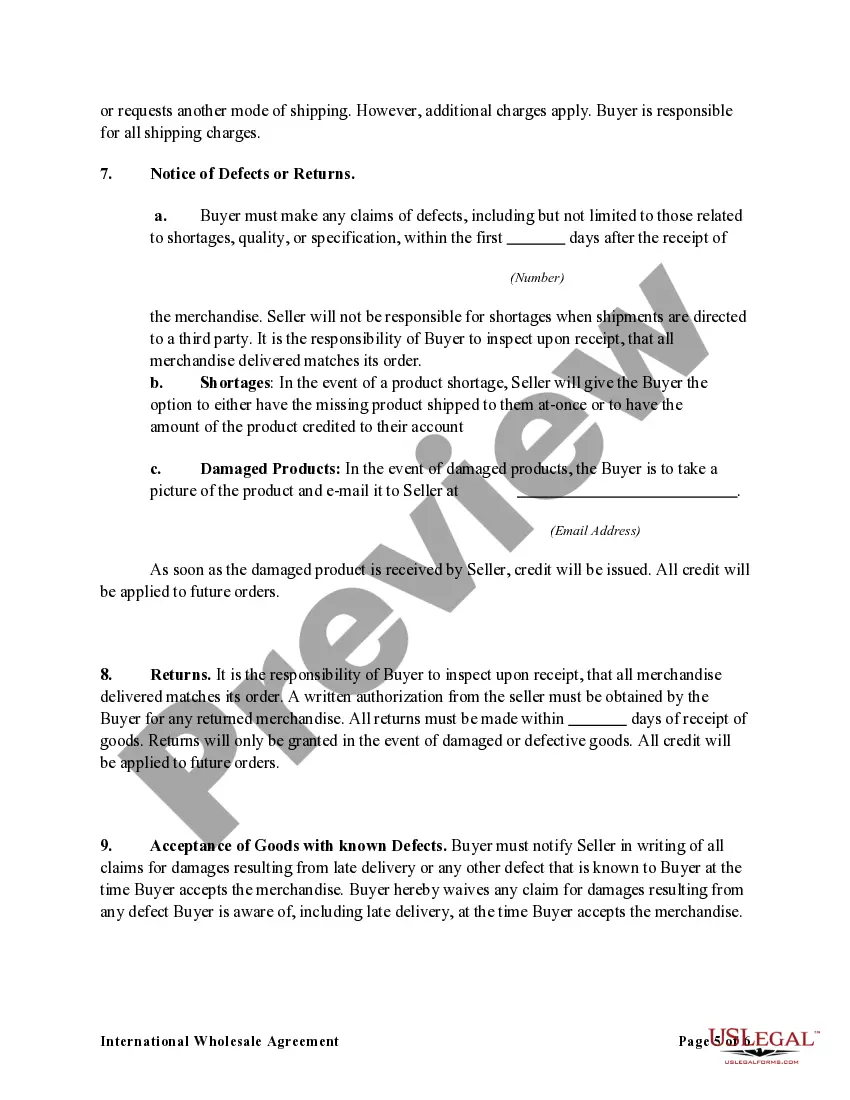
Get your form ready online
Our built-in tools help you complete, sign, share, and store your documents in one place.
Make edits, fill in missing information, and update formatting in US Legal Forms—just like you would in MS Word.
Download a copy, print it, send it by email, or mail it via USPS—whatever works best for your next step.
Sign and collect signatures with our SignNow integration. Send to multiple recipients, set reminders, and more. Go Premium to unlock E-Sign.
If this form requires notarization, complete it online through a secure video call—no need to meet a notary in person or wait for an appointment.
We protect your documents and personal data by following strict security and privacy standards.

Make edits, fill in missing information, and update formatting in US Legal Forms—just like you would in MS Word.

Download a copy, print it, send it by email, or mail it via USPS—whatever works best for your next step.

Sign and collect signatures with our SignNow integration. Send to multiple recipients, set reminders, and more. Go Premium to unlock E-Sign.

If this form requires notarization, complete it online through a secure video call—no need to meet a notary in person or wait for an appointment.

We protect your documents and personal data by following strict security and privacy standards.
Looking for another form?







Form popularity
FAQ
Distributor agreements can be an effective means of selling your products. Whether the distributor helps sell goods on your behalf or expands into new territory, they can bring obvious benefits and help increase sales. Like all contract forms, generic templates are often unsuitable.
A distribution agreement, also known as a distributor agreement, is a contract between a supplying company with products to sell and another company that markets and sells the products. The distributor agrees to buy products from the supplier company and sell them to clients within certain geographical areas.
These are the ten steps to be followed when valuing a distribution business. Analyze Financial Statements. Review Client and Supplier Contracts. Evaluate Market Position. Consider Asset Value. Assess Growth Potential. Review Industry Comparables. Calculate Earnings Multiples. Analyze Operational Efficiency.
Negotiating a Distributorship Agreement: Five Critical Steps to Success Execute a master agreement. Define the relevant goods subject to the agreement. Address all relevant intellectual property issues. Make sure renewal options and termination clauses allow the parties to adjust to changing market conditions.
The term for Distribution Agreements varies, with terms being anywhere from 5 to 15 years. I try to limit the term as much as possible—especially when there is no advance, or a meager one.
Distributors buy the products directly from the company, distribute it in the market and also provide after sales services, which the Agents do not provide. While an Agent can be called the company's representative, a Distributor cannot, as he buys the products and then resells them.
When it comes to distribution agreements, there are four main types: exclusive, sole, non-exclusive and selective. It is important for suppliers as well as distributors to recognizse the advantages and disadvantages of each arrangement in order to pick the one that best fits their needs and objectives.
Distribution deal. A distribution deal (also known as distribution contract or distribution agreement) is a legal agreement between one party and another, to handle distribution of a product. There are various forms of distribution deals. There are exclusive and non-exclusive distribution agreements.
Types of an Agency Contract Express Agency. Implied Agency. Implied agency arises when there is any conduct, the situation of parties or is necessary for the case.
Either way, it is important to understand the key distinctions between these two types of agreements. A distribution deal is an agreement between a musician and a distributor, in which the distributor agrees to help the musician get their music into the hands of consumers.
