Confirmation Letter Sample For Employees In Florida
Description


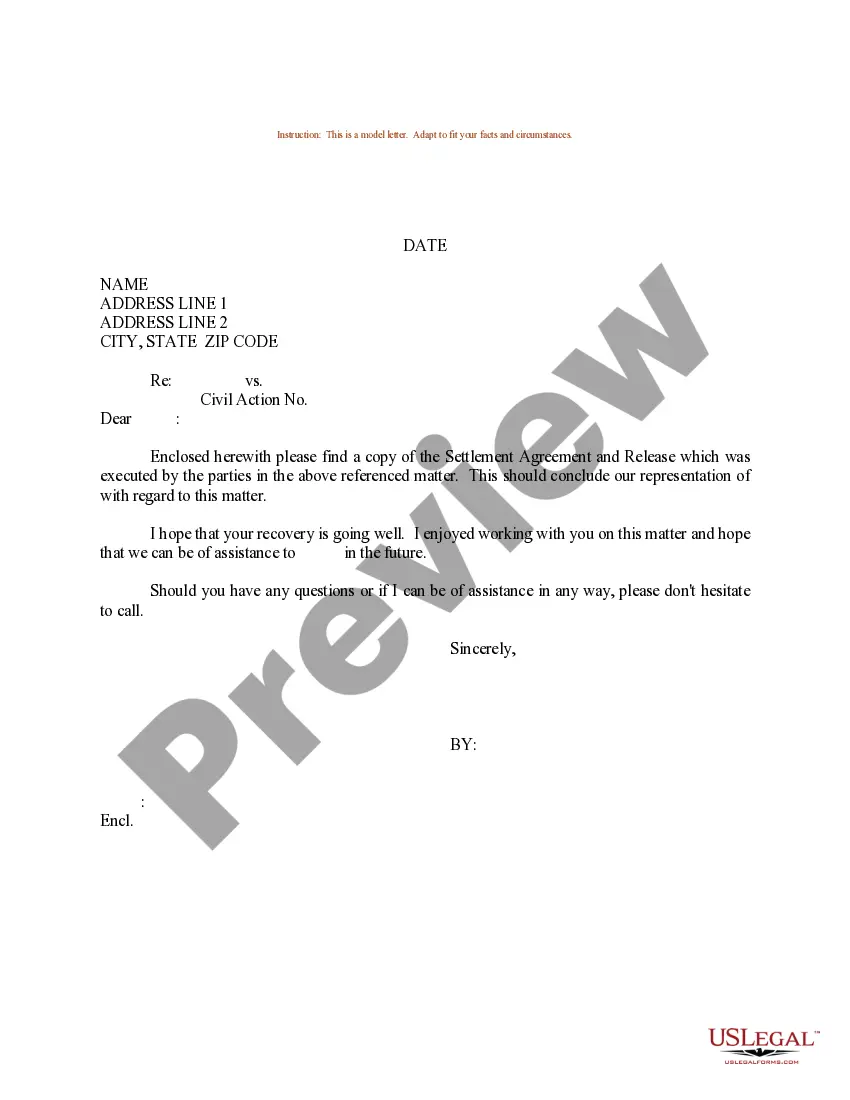
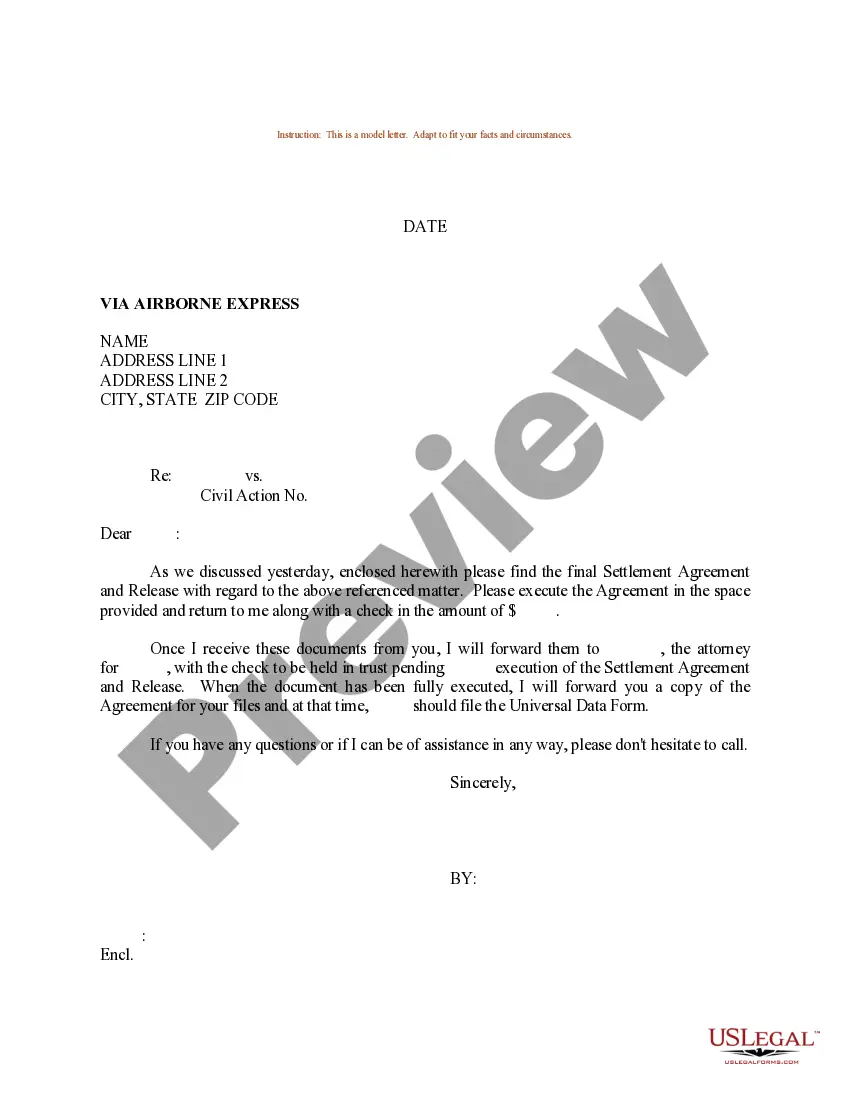
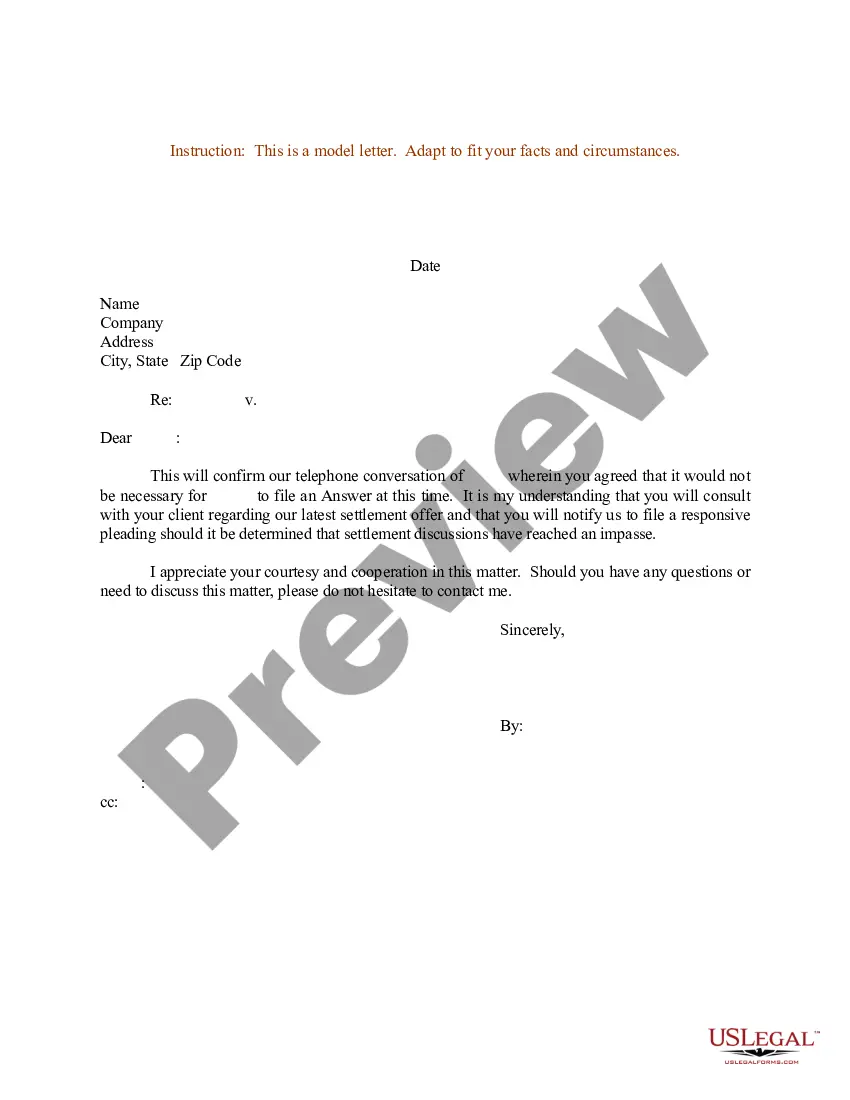
Get your form ready online
Our built-in tools help you complete, sign, share, and store your documents in one place.
Make edits, fill in missing information, and update formatting in US Legal Forms—just like you would in MS Word.
Download a copy, print it, send it by email, or mail it via USPS—whatever works best for your next step.
Sign and collect signatures with our SignNow integration. Send to multiple recipients, set reminders, and more. Go Premium to unlock E-Sign.
If this form requires notarization, complete it online through a secure video call—no need to meet a notary in person or wait for an appointment.
We protect your documents and personal data by following strict security and privacy standards.

Make edits, fill in missing information, and update formatting in US Legal Forms—just like you would in MS Word.

Download a copy, print it, send it by email, or mail it via USPS—whatever works best for your next step.

Sign and collect signatures with our SignNow integration. Send to multiple recipients, set reminders, and more. Go Premium to unlock E-Sign.

If this form requires notarization, complete it online through a secure video call—no need to meet a notary in person or wait for an appointment.

We protect your documents and personal data by following strict security and privacy standards.
Looking for another form?

Form popularity
FAQ
An employee confirmation letter is a formal document that verifies an employee's work status. This letter may also be referred to as an employment verification letter. The purpose of the letter is to document the employee's role in the company and history with the organization.
“Employment verification letters—or proof of employment letters—generally include an employee's hire date, position within the company, and current wages or salary; if terminated, the reason for termination such as involuntary termination, voluntary termination, or layoff,” says Lynn Kitson, SPHR, SHRM-SCP, CEO of Lynk ...
To Whom It May Concern, This letter is to confirm the employment of Employee Name, who worked with Organization Name as a Full-Time, Part-Time, etc. Job Title of Employee from Employment Start Date until Employment End Date. Please get in touch with us at Contact Number if you have any questions.
Subject Line - Keep it clear and concise (e.g., ``Job Confirmation - (Your Name)''). Salutation - Address the recipient appropriately (e.g., ``Dear (Hiring Manager's Name),''). Introduction - State the purpose of the email (confirming the job offer). Details of the Job Offer Expression of Gratitude
Confirmation letters include the following components: Recipient Information: The name and contact information of the recipient. Sender Information: The name and contact information of the sender. Date: The date on which the letter is sent. Subject: A brief subject line indicating the purpose of the letter.
How to write a letter of employment: Include employer and requesting organisation details. Provide employee information (name, job title, employment dates). Follow a formal business letter format. Clearly state the letter's purpose. Include any additional requested details. Provide contact information and sign off.
Subject: Confirmation of Employment – Job Classification Dear Mr./Ms. Last Name of Selected Applicant: Welcome to Agency/Department/Office Name. I am pleased to confirm your acceptance of our offer for the full-time/part-time position of job classification reporting to supervisor's name.
Confirmation Letter Templates Dear Recipient Name, We are pleased to confirm your employment with ABC Ventures starting from Joining Date in the position of Job Title. As per the terms and conditions of your employment, your responsibilities will include Job Responsibilities. Your starting salary is Salary.
Key components of an employment verification letter Employee's information: Full name, job title, and department. Employer's information: Company name, address, and contact details. Employment details: Date of hire, current employment status (full-time, part-time, contract), and if applicable, end date of employment.
What To Include In The Character Reference Letter How long you have known the person. In what capacity you have known them. What positive qualities you have observed in them. Specific examples of times when you have seen these qualities in action. Why do you believe they would be a good fit for the job they are applying for.