Wholesale Agreement Template With Price In Queens
Description

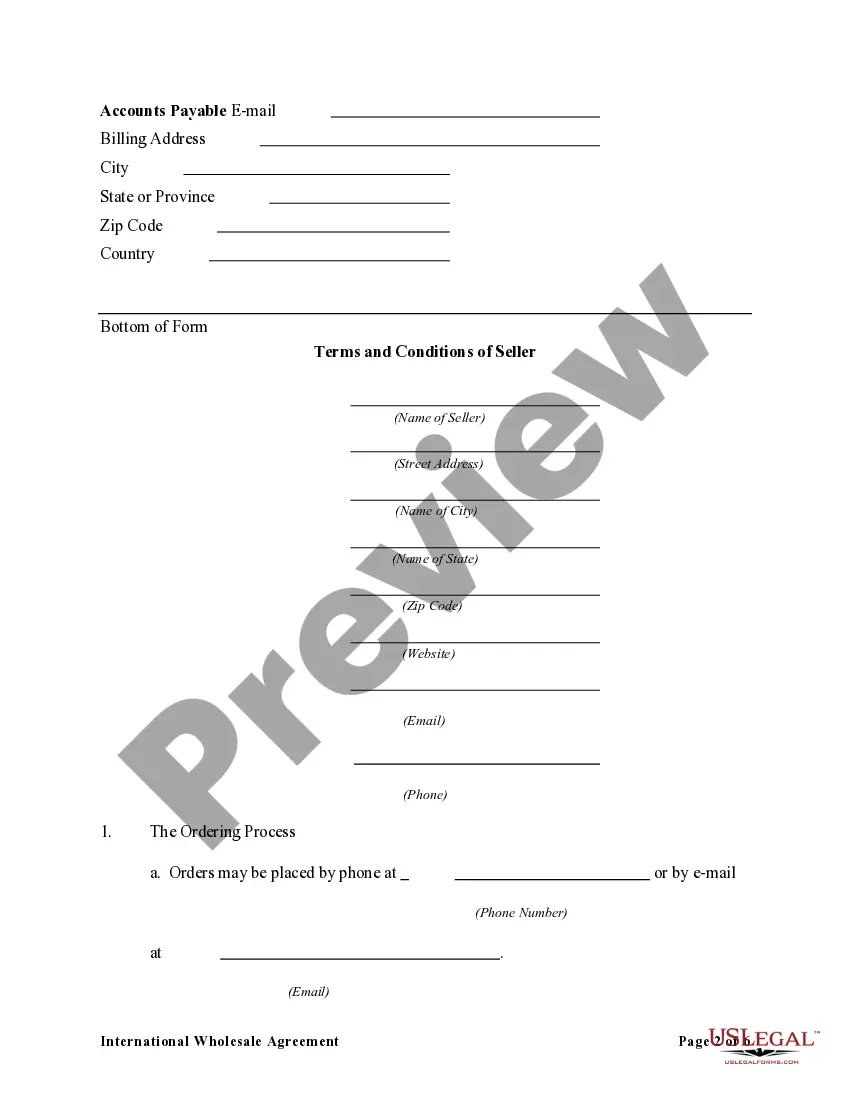
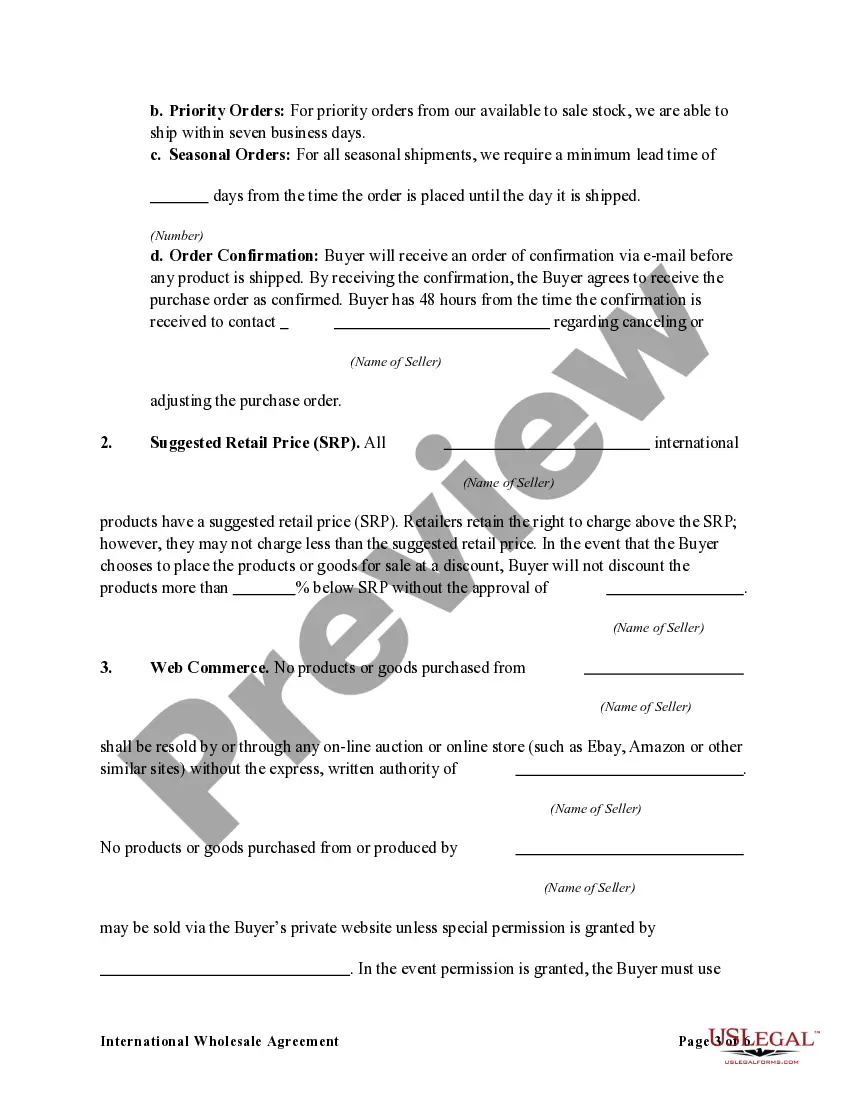
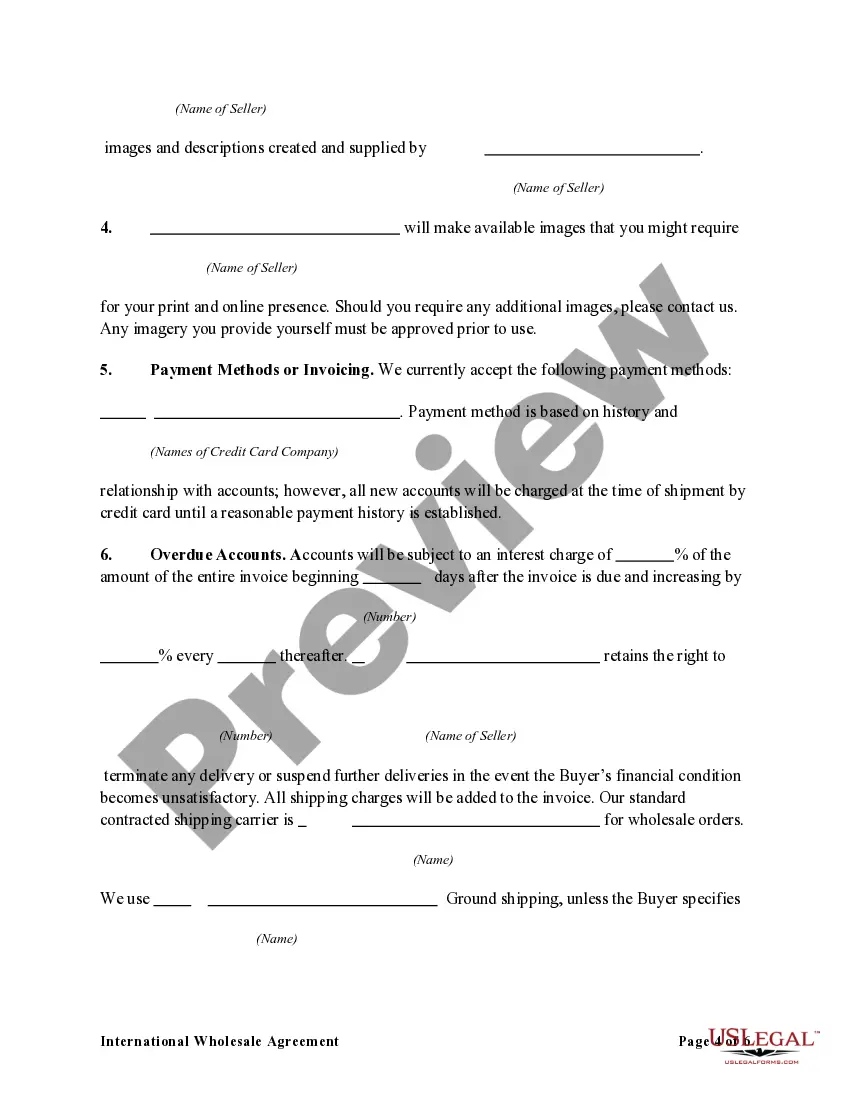
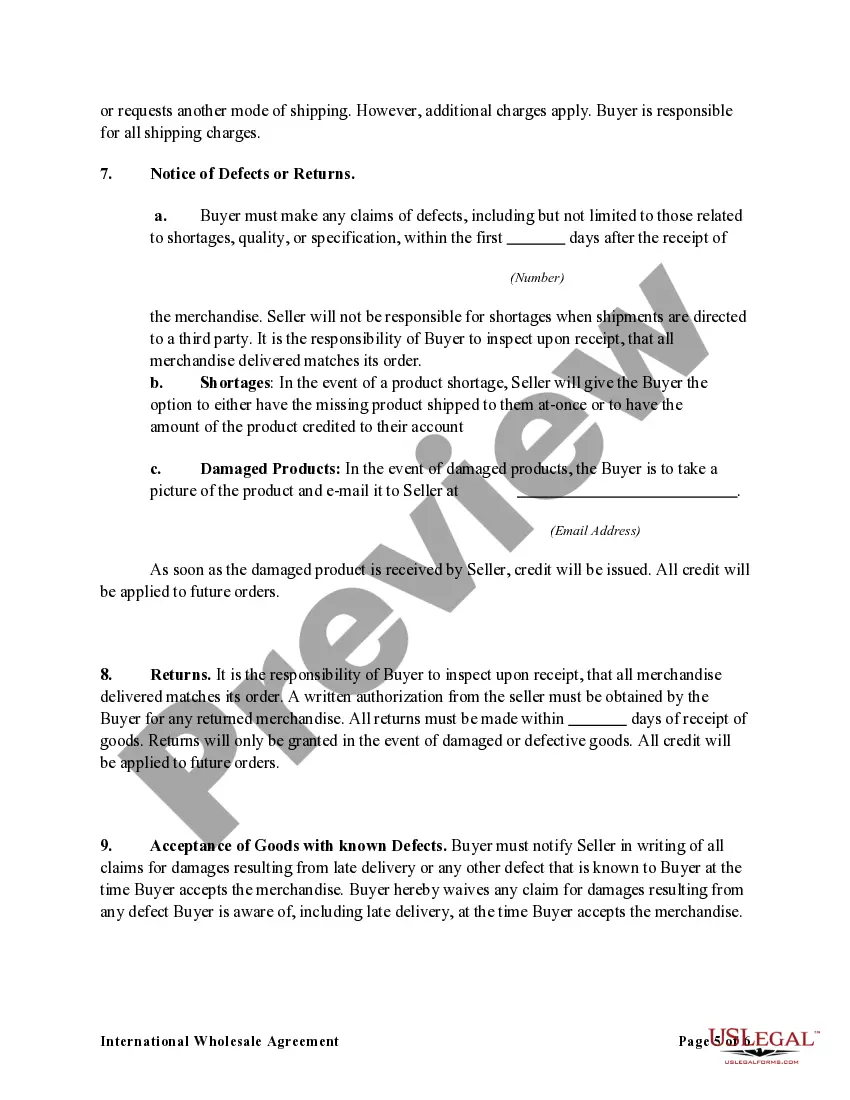
Get your form ready online
Our built-in tools help you complete, sign, share, and store your documents in one place.
Make edits, fill in missing information, and update formatting in US Legal Forms—just like you would in MS Word.
Download a copy, print it, send it by email, or mail it via USPS—whatever works best for your next step.
Sign and collect signatures with our SignNow integration. Send to multiple recipients, set reminders, and more. Go Premium to unlock E-Sign.
If this form requires notarization, complete it online through a secure video call—no need to meet a notary in person or wait for an appointment.
We protect your documents and personal data by following strict security and privacy standards.

Make edits, fill in missing information, and update formatting in US Legal Forms—just like you would in MS Word.

Download a copy, print it, send it by email, or mail it via USPS—whatever works best for your next step.

Sign and collect signatures with our SignNow integration. Send to multiple recipients, set reminders, and more. Go Premium to unlock E-Sign.

If this form requires notarization, complete it online through a secure video call—no need to meet a notary in person or wait for an appointment.

We protect your documents and personal data by following strict security and privacy standards.
Looking for another form?








Form popularity
FAQ
While buying wholesale without a business may have its limitations, these strategies can help you access wholesale prices and enjoy the benefits of bulk purchasing: Use online marketplaces. Attend trade shows. Use group buying sites. Use online retailers. Use liquidation sales. Use online auctions.
The wholesaler contracts with the seller and structures the deal as a middleman. The buyer is buying the contract and, ultimately, the property.
While it's not strictly required, creating an LLC can bring significant perks to your wholesaling venture. For starters, it shields your personal assets from any business-related debts or legal troubles.
Unlicensed wholesalers in New York cannot legally market their property, but they can market the assignment contract. Unlicensed wholesalers can sidestep these marketing restrictions by doing double closings or buy-sell agreements.
To qualify to buy wholesale, you typically need to have a business license or tax ID number. Some wholesalers may also require proof of business registration or a minimum order quantity. It's important to check with individual wholesalers to determine their specific requirements.
Wholesalers don't need a license to operate in New York, but there are some restrictions that unlicensed wholesalers need to be aware of. Like many other states, wholesalers in New York cannot represent a buyer or seller in any real estate transactions if they do not have a real estate license.
You need a New York State license to sell wholesale foods. Apply for a Wholesale Business Registration.
It depends on your state and city. The majority of the states don't require licensing for real estate wholesalers. But there are states like Kentucky, which has recently passed a law requiring wholesalers to have a form of license.
Here are the key elements to include in your wholesale contract template: Parties Involved: Names of the seller(s) and buyer(s), along with their signatures. Legal Description: Property description, street address, assessor parcel number (APN), and type of property.
For example, a wholesaler finds a motivated homeowner and gets a distressed property under contract for $200,000. Then, they market the property to their buyers list. A flipper sees potential and agrees to buy the home for $210,000.
