Distribution Agreement For Medical Products In Ohio
Description

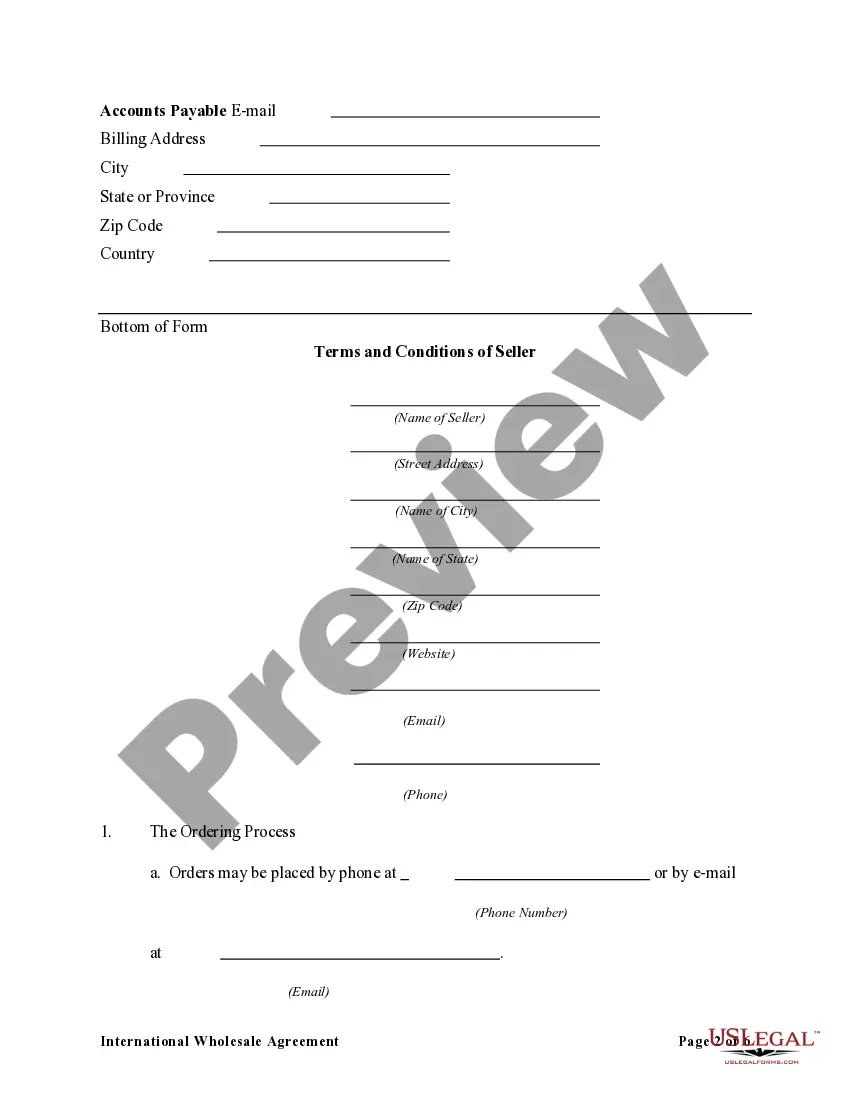
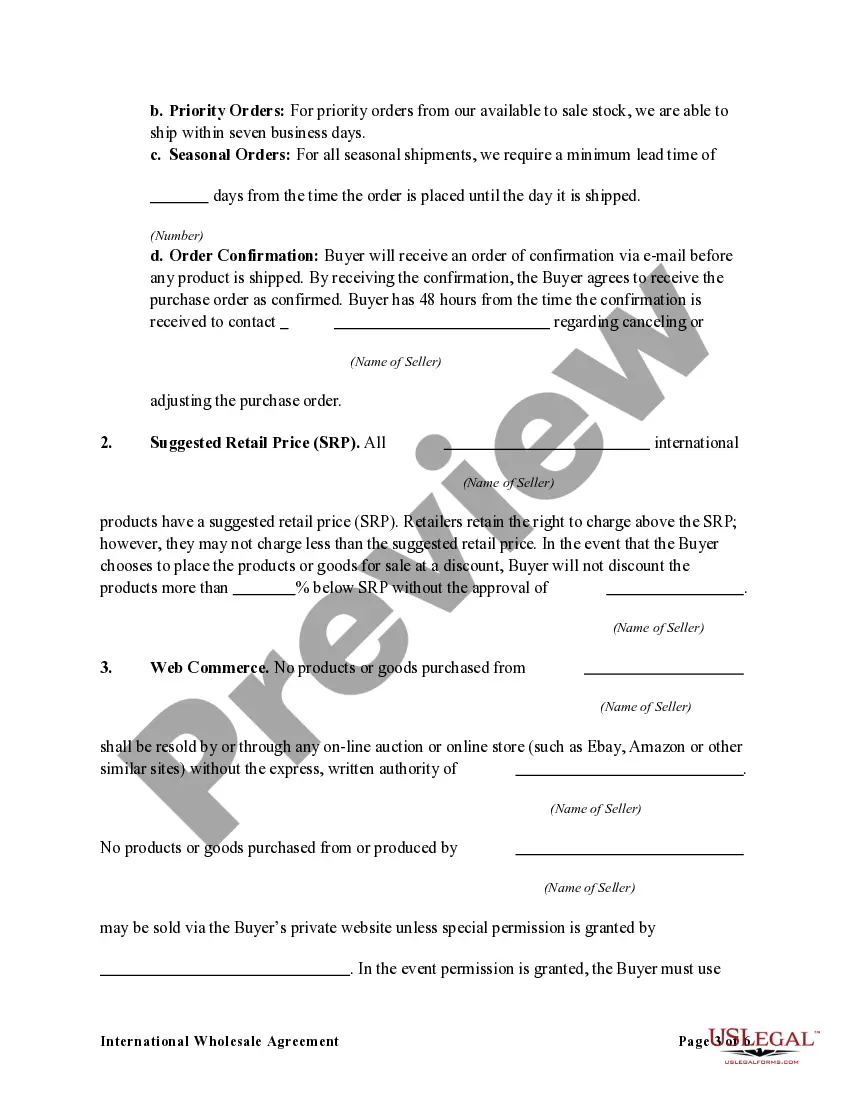
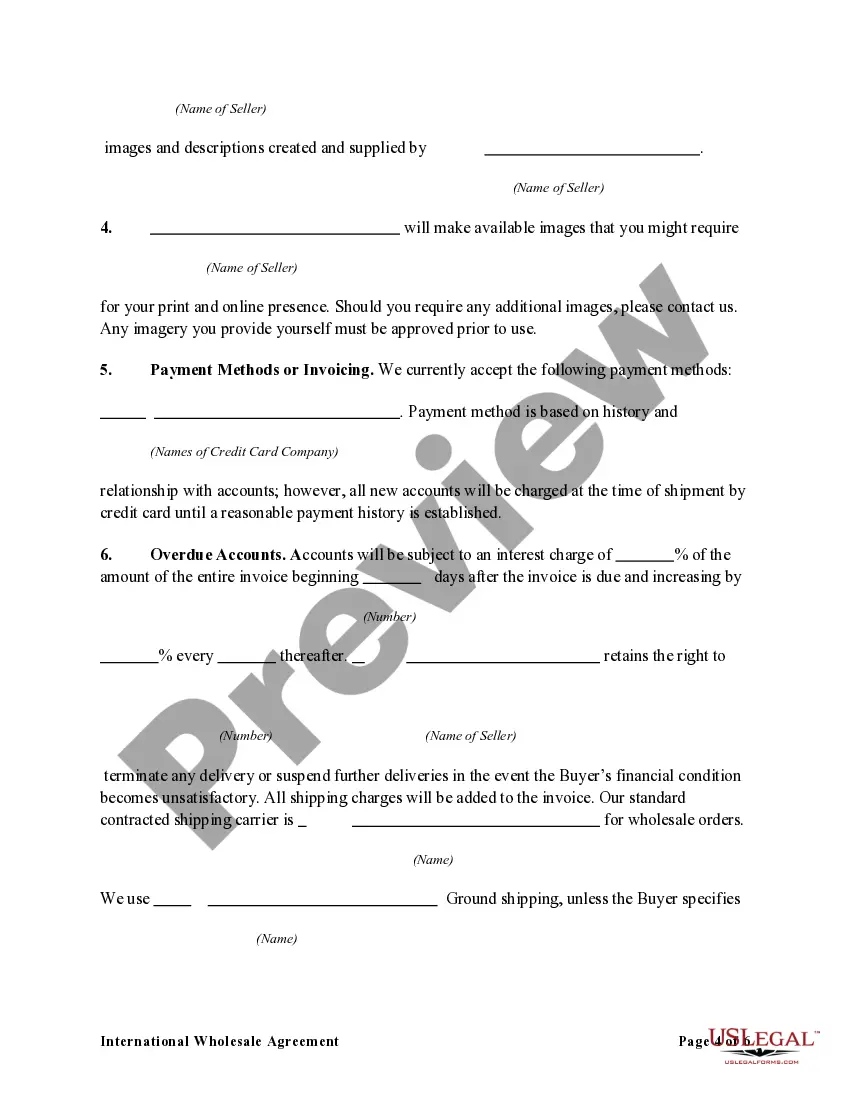
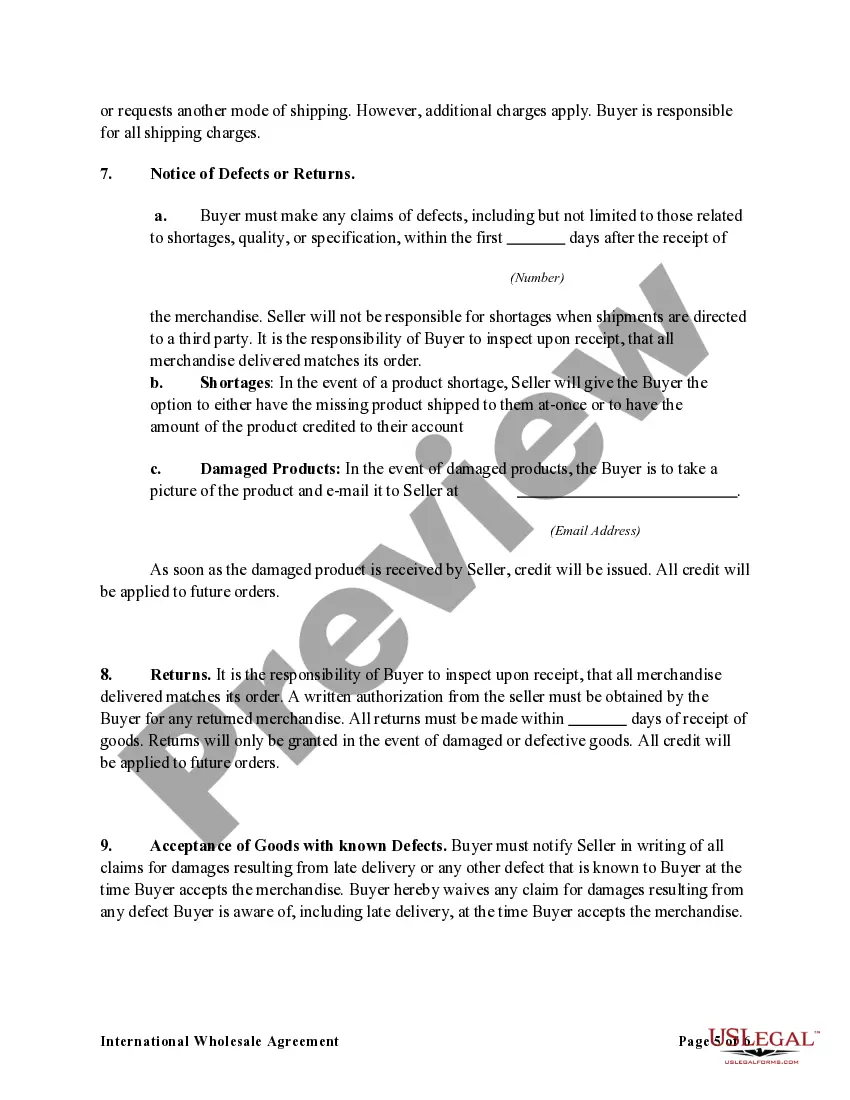
Get your form ready online
Our built-in tools help you complete, sign, share, and store your documents in one place.
Make edits, fill in missing information, and update formatting in US Legal Forms—just like you would in MS Word.
Download a copy, print it, send it by email, or mail it via USPS—whatever works best for your next step.
Sign and collect signatures with our SignNow integration. Send to multiple recipients, set reminders, and more. Go Premium to unlock E-Sign.
If this form requires notarization, complete it online through a secure video call—no need to meet a notary in person or wait for an appointment.
We protect your documents and personal data by following strict security and privacy standards.

Make edits, fill in missing information, and update formatting in US Legal Forms—just like you would in MS Word.

Download a copy, print it, send it by email, or mail it via USPS—whatever works best for your next step.

Sign and collect signatures with our SignNow integration. Send to multiple recipients, set reminders, and more. Go Premium to unlock E-Sign.

If this form requires notarization, complete it online through a secure video call—no need to meet a notary in person or wait for an appointment.

We protect your documents and personal data by following strict security and privacy standards.
Looking for another form?









Form popularity
FAQ
Current law allows a pharmacist to dispense certain refills of patient's medication one time within a 12-month period if a prescription does not provide for a refill or the time permitted for the refill has expired. House Bill 37 expands this provision to allow for a refill up to three times per 12-month period.
A digital distribution deal grants the distributor the right to distribute digital copies of the music. This includes streaming, downloads, and other internet-based methods for accessing music. A physical distribution deal, on the other hand, covers physical mediums such as CDs, vinyl, or cassettes.
The Distributor Agreement should clearly set forth the duties, responsibilities and expectations of each of the parties. The Distributor Agreement should also set forth provisions related to limitations and protections that each party can understand.
A medical supply distributor is a company that provides various healthcare facilities (including hospitals, clinics, etc.) with medical devices, supplies, and equipment needed to deliver patient care.
The term for Distribution Agreements varies, with terms being anywhere from 5 to 15 years. I try to limit the term as much as possible—especially when there is no advance, or a meager one.
A supplier is a business-to-business individual or business that provides goods or services. They can either produce (be the manufacturer) or import the products (from the manufacturer). Their responsibility is to sell the goods to a distributor who then resell the goods to consumers.
Negotiating a Distributorship Agreement: Five Critical Steps to Success Execute a master agreement. Define the relevant goods subject to the agreement. Address all relevant intellectual property issues. Make sure renewal options and termination clauses allow the parties to adjust to changing market conditions.
Generally, distributors are granted more of the attributes of the principal than a mere reseller. So, a distributor might have greater powers to use the principal's trade names, trade marks and intellectual property than a reseller.
Distribution refers to the movement of goods from a manufacturer or supplier to a retailer or customer. It involves activities such as transportation, storage, and delivery. On the other hand, supply chain encompasses all activities involved in delivering a product from its raw materials stage to the final customer.
The agreement outlines the details of each party's responsibilities and the terms of their collaboration. Generally, the supplier is responsible for manufacturing and selling products while the distributor is responsible for carrying and marketing the product to retailers or customers in their locality.

