Formal Agreement Example In Virginia
Description

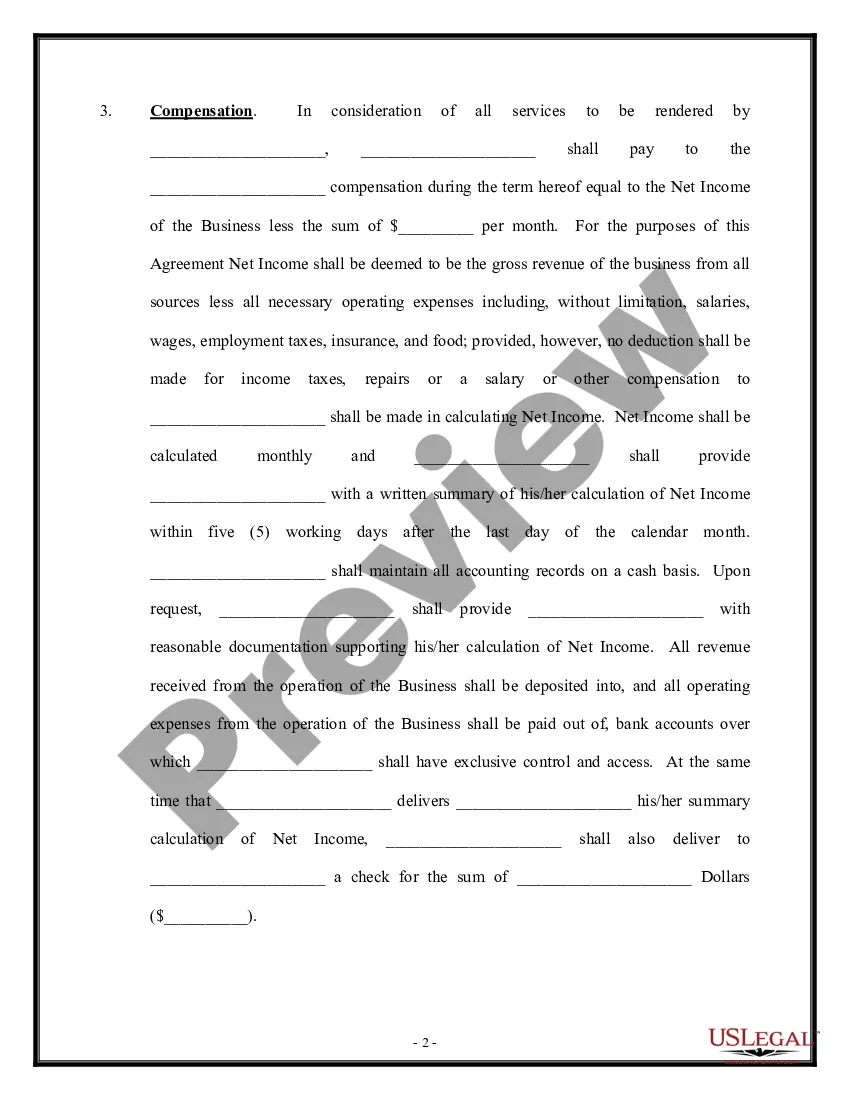
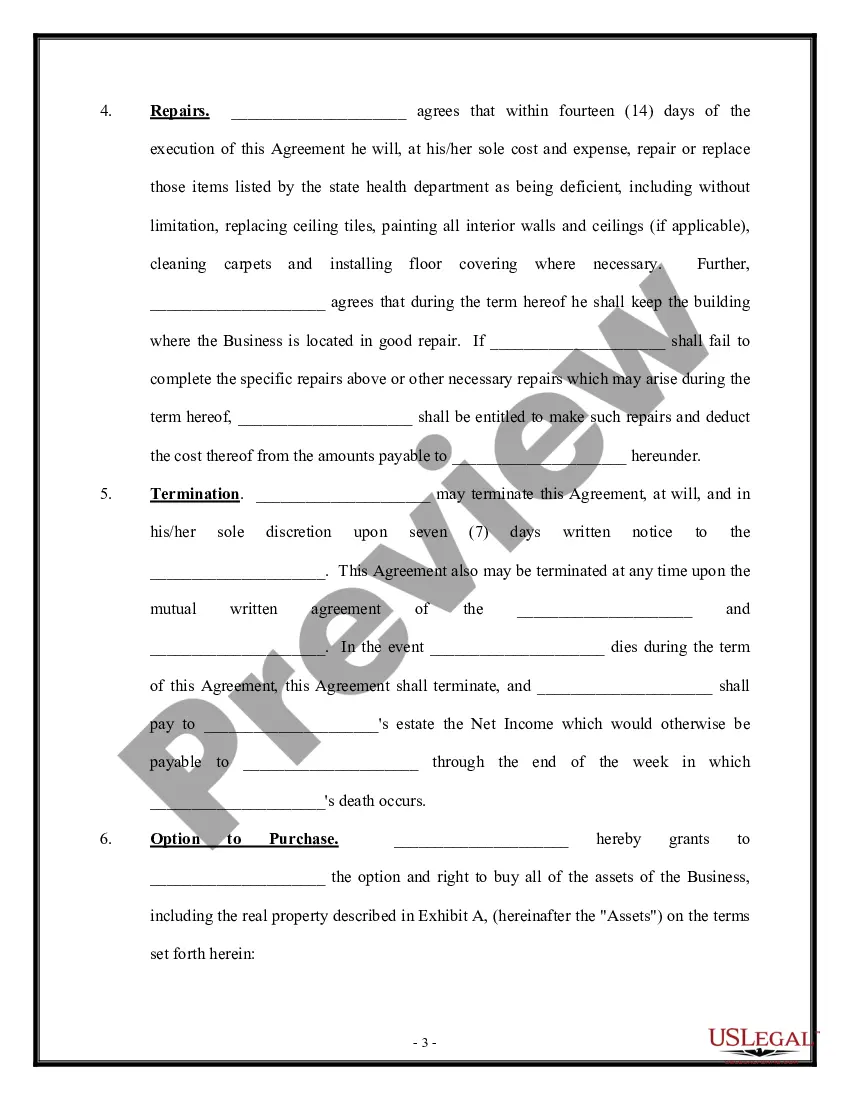
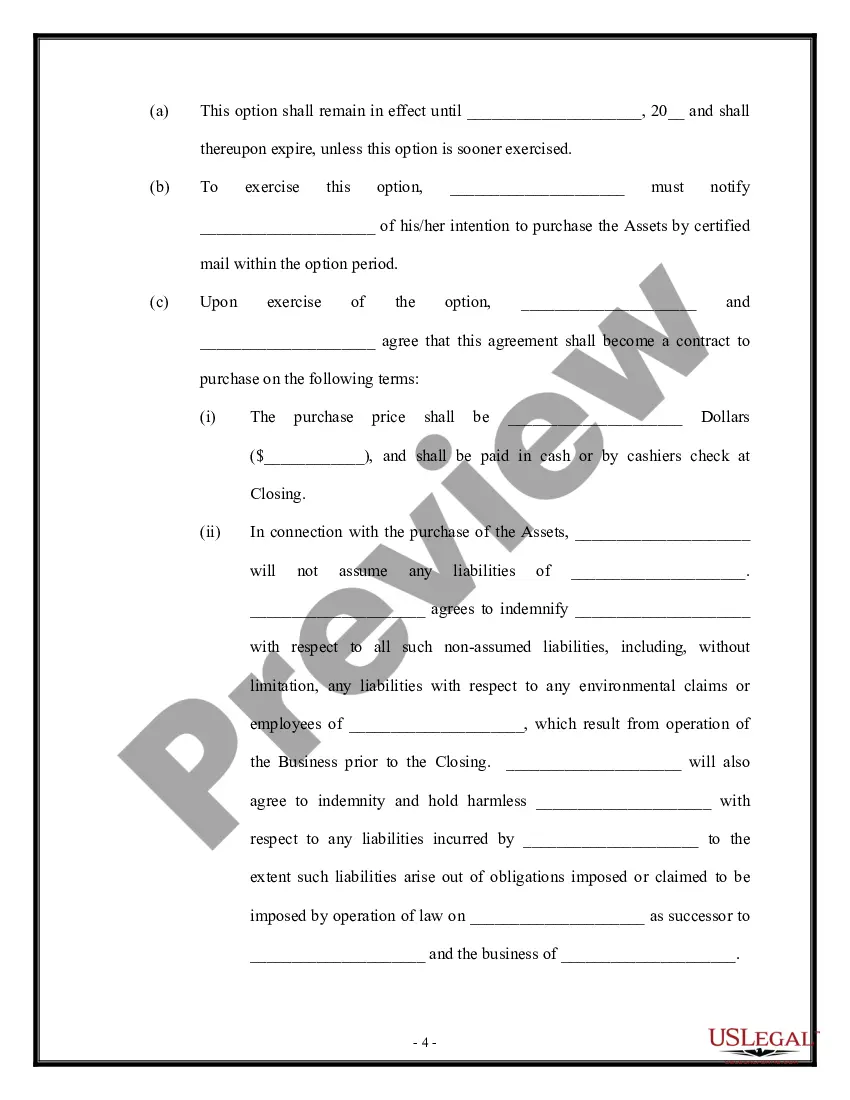
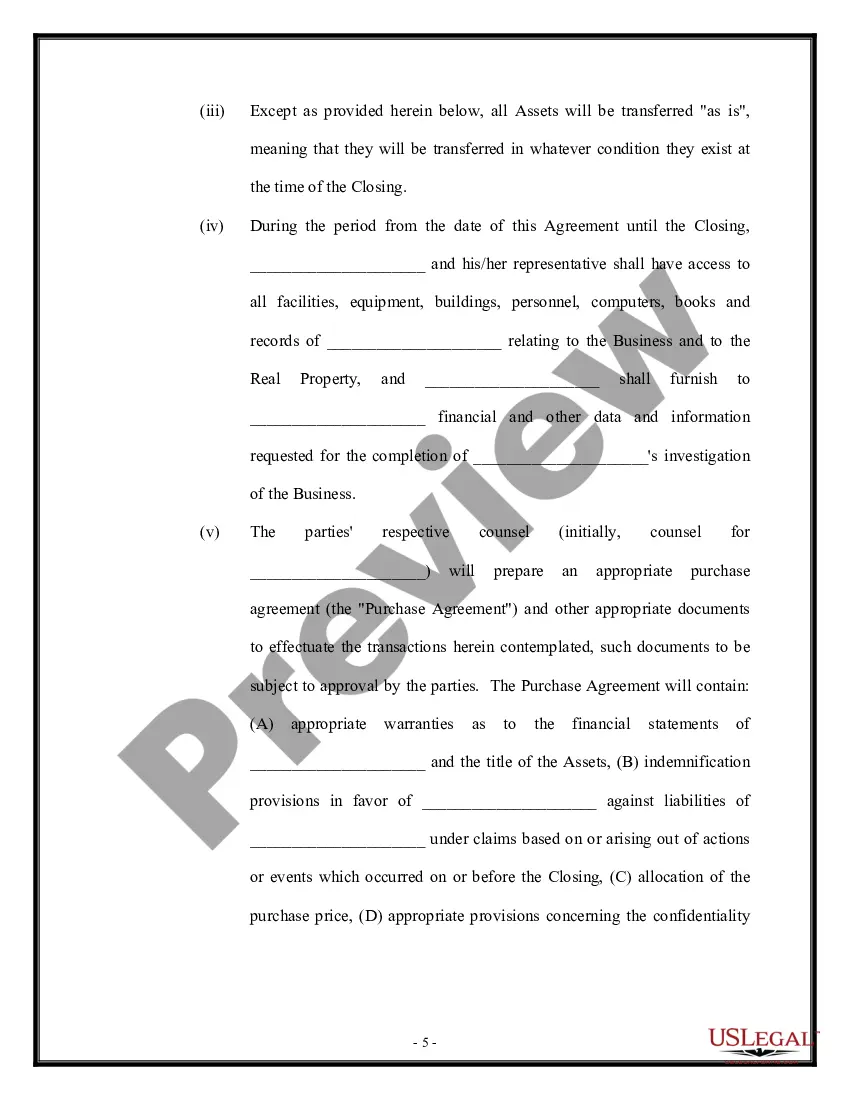
Get your form ready online
Our built-in tools help you complete, sign, share, and store your documents in one place.
Make edits, fill in missing information, and update formatting in US Legal Forms—just like you would in MS Word.
Download a copy, print it, send it by email, or mail it via USPS—whatever works best for your next step.
Sign and collect signatures with our SignNow integration. Send to multiple recipients, set reminders, and more. Go Premium to unlock E-Sign.
If this form requires notarization, complete it online through a secure video call—no need to meet a notary in person or wait for an appointment.
We protect your documents and personal data by following strict security and privacy standards.

Make edits, fill in missing information, and update formatting in US Legal Forms—just like you would in MS Word.

Download a copy, print it, send it by email, or mail it via USPS—whatever works best for your next step.

Sign and collect signatures with our SignNow integration. Send to multiple recipients, set reminders, and more. Go Premium to unlock E-Sign.

If this form requires notarization, complete it online through a secure video call—no need to meet a notary in person or wait for an appointment.

We protect your documents and personal data by following strict security and privacy standards.
Looking for another form?

Form popularity
FAQ
In the area of law, for a contract to be legally enforceable, several requirements must be met, including an offer; acceptance of that offer; mutual understanding of the agreement; capacity to agree; an item or service; consideration in exchange for the item or service; and legality of the contract itself, including ...
No, it's not legally required in Virginia under § 13.1-1023. Single-member LLCs need an operating agreement to preserve their corporate veil and to prove ownership. And multi-member LLCs need one to help provide operating guidance, determine voting rights and contributions.
Operating agreements reinforce the limited liability protection of an LLC. Because they delineate the LLC as a separate legal entity and define its adherence to corporate formalities, they can protect members from personal liability for the LLC's legal obligations and debts.
While not always legally required, operating agreements play a critical role in the smooth operation, legal protection, and financial clarity of LLCs. Their absence can lead to governance by default state laws, management, and financial disorganization, and increased legal vulnerabilities.
Virginia amended its LLC statute several years ago to expressly permit the formation of single-member LLCs. A single-member LLC is exactly what its name implies—an LLC with only one owner.
The only way to end legally a marriage in Virginia is through divorce. Unlike many other states, Virginia law does not recognize legal separations. The law allows you to file for a divorce a mensa et thoro (divorce from bed and board).
Ing to VA Code § 13.1-1023 (2019), an operating agreement isn't actually required in Virginia—and if you have one, it “need not be in writing.” But don't be fooled. Having a strong operating agreement—on paper—is essential for your LLC.
Your operating agreement is the blueprint for how your Virginia LLC will function internally. Technically, it could include anything not prohibited by Virginia state statutes, but a strong operating agreement should cover: Transfer of membership interest. Voting rights and decision-making powers.
In order for a contract to be valid contract it must include an offer, proper consideration, be for a legal purpose, have capacity of the parties, and a mutual agreement. A valid contract can include all contracts that are not void, voidable, or unconscionable for various reasons.
This list is not exhaustive, but some examples of formal contracts include: Business partnership agreements. Financing/Borrowing agreements. Land/Property Lease agreements. Joint ventures. Merger and acquisitions. Employment contracts.
