Management Fee Agreement Example In California
Description

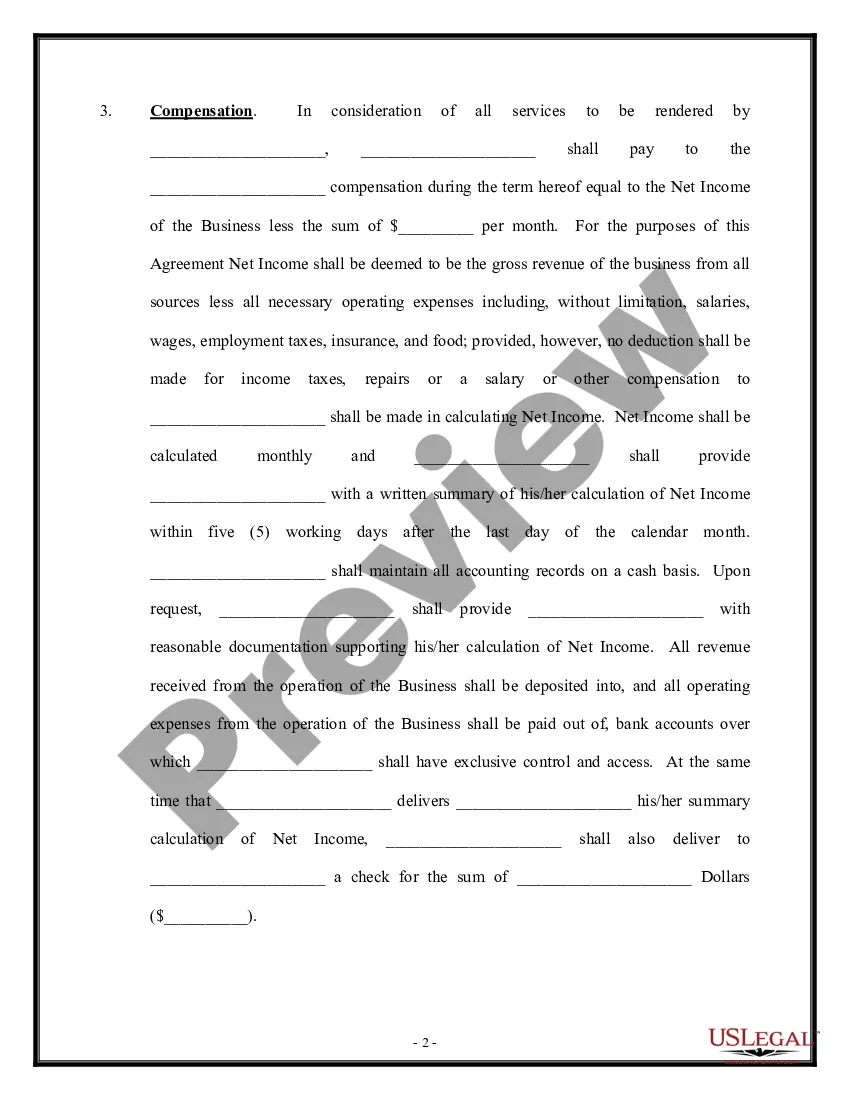
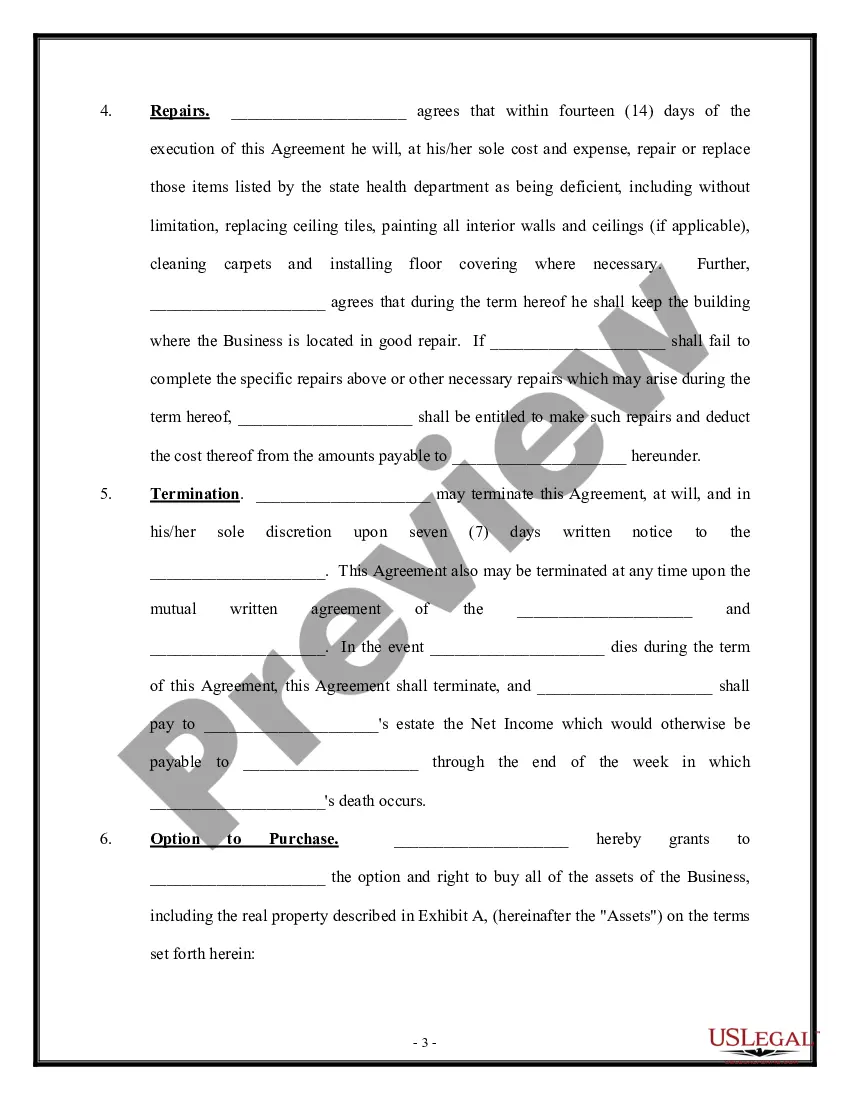
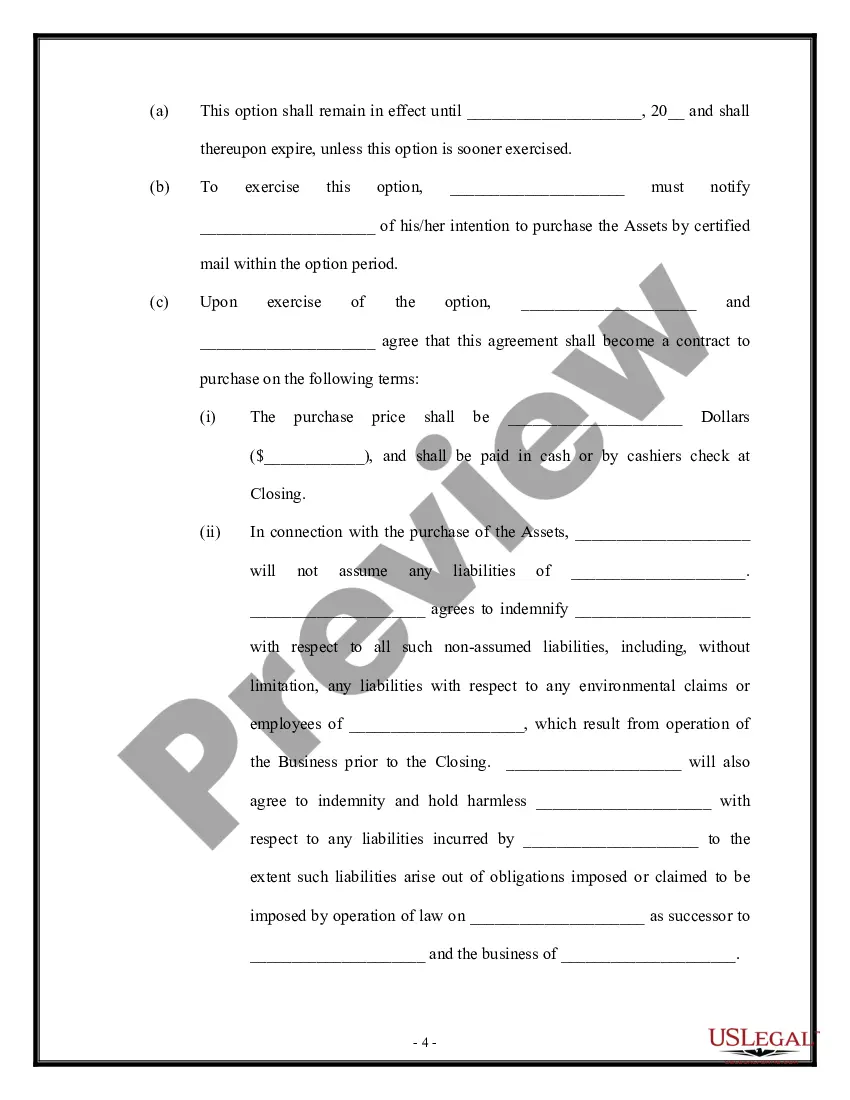
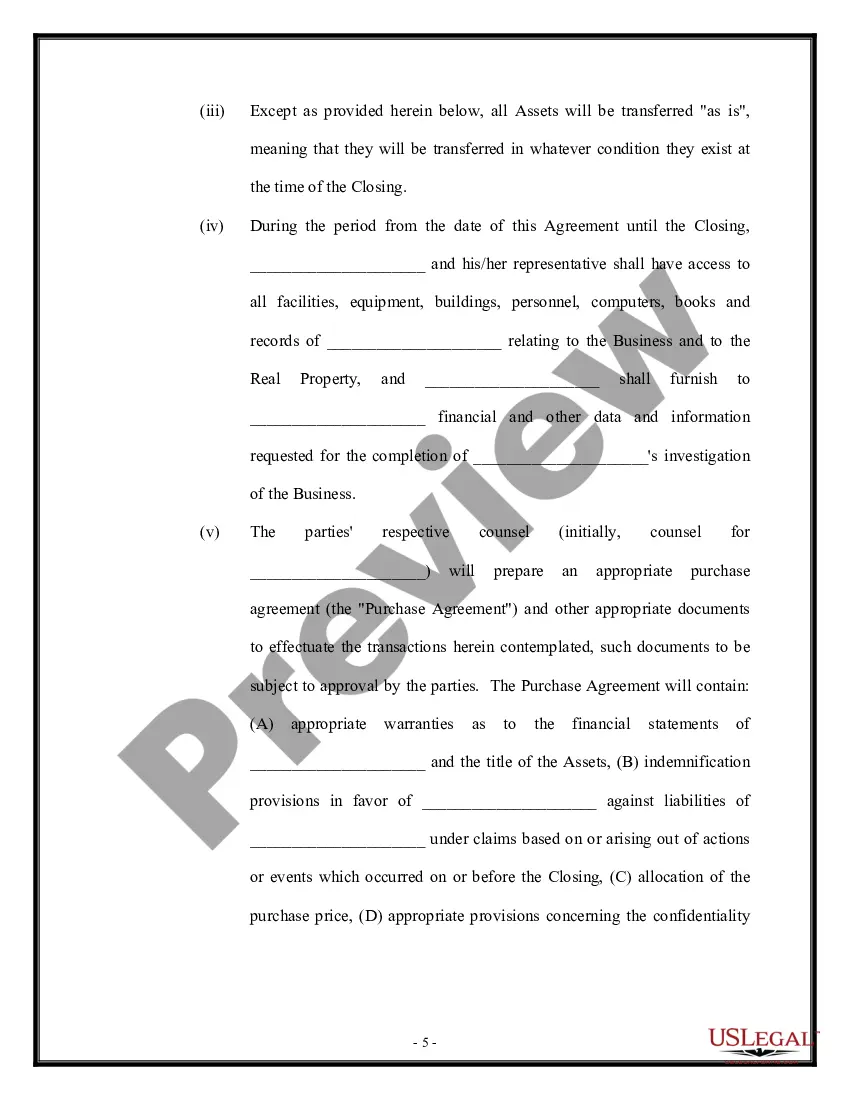
Get your form ready online
Our built-in tools help you complete, sign, share, and store your documents in one place.
Make edits, fill in missing information, and update formatting in US Legal Forms—just like you would in MS Word.
Download a copy, print it, send it by email, or mail it via USPS—whatever works best for your next step.
Sign and collect signatures with our SignNow integration. Send to multiple recipients, set reminders, and more. Go Premium to unlock E-Sign.
If this form requires notarization, complete it online through a secure video call—no need to meet a notary in person or wait for an appointment.
We protect your documents and personal data by following strict security and privacy standards.

Make edits, fill in missing information, and update formatting in US Legal Forms—just like you would in MS Word.

Download a copy, print it, send it by email, or mail it via USPS—whatever works best for your next step.

Sign and collect signatures with our SignNow integration. Send to multiple recipients, set reminders, and more. Go Premium to unlock E-Sign.

If this form requires notarization, complete it online through a secure video call—no need to meet a notary in person or wait for an appointment.

We protect your documents and personal data by following strict security and privacy standards.
Looking for another form?




Form popularity
FAQ
The American Rule California follows the “American Rule” when it comes to attorney's fees. This means that both parties in a lawsuit are responsible for paying their own attorney's bills.
Several states also have exceptions to the American rule in both statutes and case law. For example, in California, the Consumers Legal Remedies Act allows plaintiffs to recover attorney's fees, and in insurance bad faith cases, a policyholder may be able to recover attorney's fees as a separate component of damages.
“American Rule,” which provides each party involved in litigation is responsible for paying his own attorney's fees and costs unless provided otherwise by statute.
Section 1717(a) provides, in “an action on contract … the party who is determined to be the party prevailing on the contract, whether he or she is the party specified in the contract or not, shall be entitled to reasonable attorney's fees in addition to other costs.”
How to write an agreement letter Title your document. Provide your personal information and the date. Include the recipient's information. Address the recipient and write your introductory paragraph. Write a detailed body. Conclude your letter with a paragraph, closing remarks, and a signature. Sign your letter.
Write the contract in six steps Start with a contract template. Open with the basic information. Describe in detail what you have agreed to. Include a description of how the contract will be ended. Write into the contract which laws apply and how disputes will be resolved. Include space for signatures.