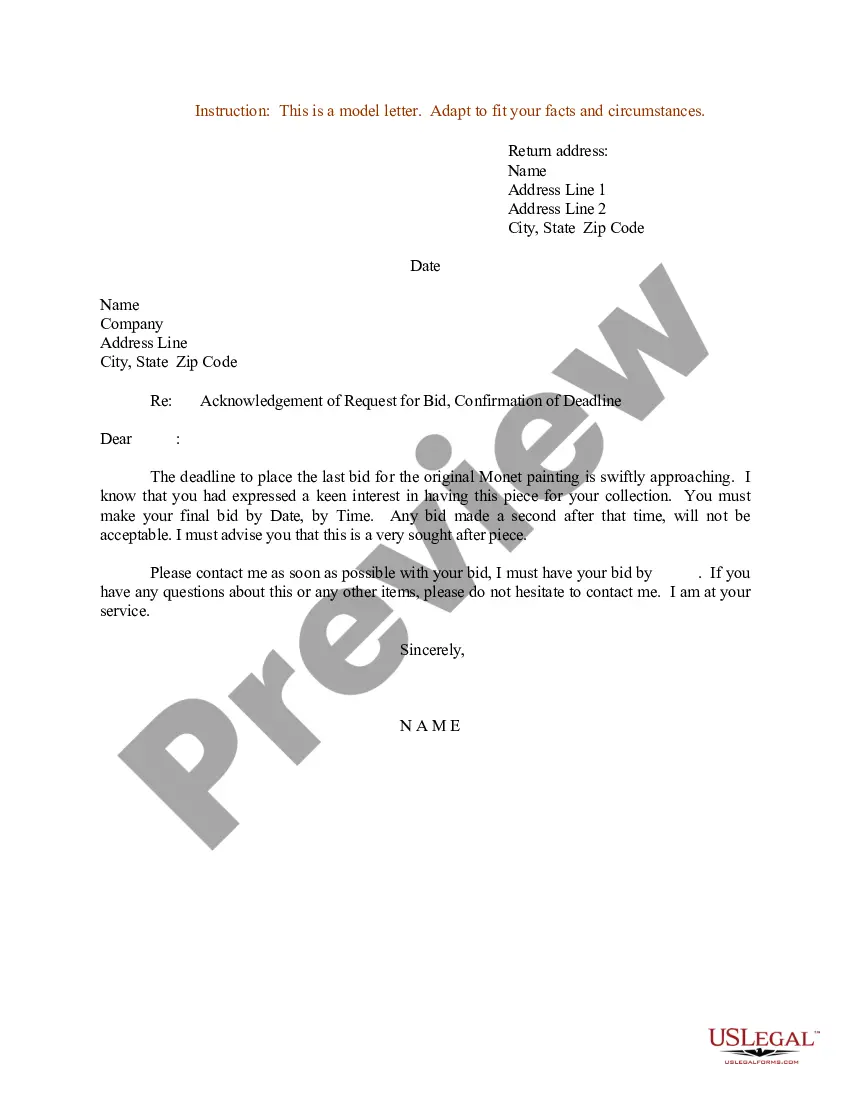
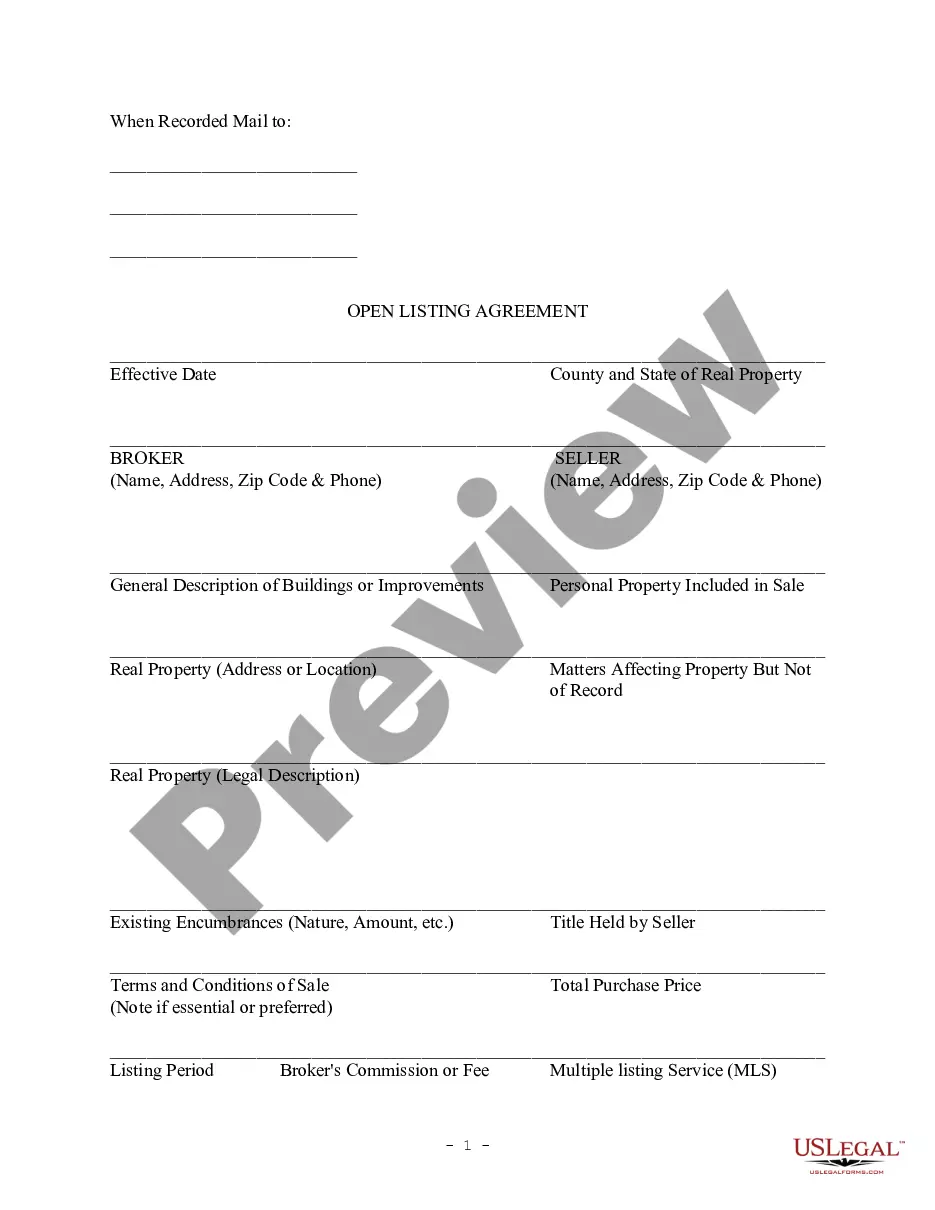
Listing Agreement Form With A Self-renewing Clause In Washington
Description
Get your form ready online
Our built-in tools help you complete, sign, share, and store your documents in one place.
Make edits, fill in missing information, and update formatting in US Legal Forms—just like you would in MS Word.
Download a copy, print it, send it by email, or mail it via USPS—whatever works best for your next step.
Sign and collect signatures with our SignNow integration. Send to multiple recipients, set reminders, and more. Go Premium to unlock E-Sign.
If this form requires notarization, complete it online through a secure video call—no need to meet a notary in person or wait for an appointment.
We protect your documents and personal data by following strict security and privacy standards.

Make edits, fill in missing information, and update formatting in US Legal Forms—just like you would in MS Word.

Download a copy, print it, send it by email, or mail it via USPS—whatever works best for your next step.

Sign and collect signatures with our SignNow integration. Send to multiple recipients, set reminders, and more. Go Premium to unlock E-Sign.

If this form requires notarization, complete it online through a secure video call—no need to meet a notary in person or wait for an appointment.

We protect your documents and personal data by following strict security and privacy standards.
Looking for another form?









Form popularity
FAQ
What is the Holdover Period? The Holdover period is a length of time (in days) following a listing's expiration where the seller may owe commission to the listing agent if the property sells.
Although many OREA standard clauses are designed to protect your clients, the holdover clause in a listing agreement was specifically created to protect REALTORS® by ensuring that you receive the commission you've earned if a house sells.
An extender clause protects the listing agent from losing the commission they earned, even if the agreement has expired. For example, a seller may hope to cut closing costs when selling their home. To do this, they could try to avoid paying the buyers' agent's commission.
HOLDOVER CLAUSE This is to prevent buyers and sellers working with brokerages from waiting until the brokerage contracts expire to place and offer and avoid paying remuneration to the brokerage. The standard holdover clause is 180 days however, that timeframe is negotiable.
“'Expired' means your home is off the market,” explains Mary Beth Sales, a real estate agent in Beverly Hills, CA. But that's not all: An expired real estate agreement also means you're no longer tied to your real estate agent.
The written listing agreements in real estate must not contain a self-renewing clause. However, they must contain elements like property description and a definite expiration date. It's also acceptable for them to contain a clause requiring the broker to deliver the agreement to the seller within a certain timeframe.
Extender clauses help protect listing agents from losing out on commissions. Sellers could typically wait to sell their home until after the listing agreement has expired, saving on commission costs.
The listing agreement is a legally binding contract between the broker and the seller, so any modifications or amendments to the contract need to be agreed upon and documented in writing by all parties. This ensures that there is a clear record of the changes made to the listing agreement.
– Automatic renewal laws in various states (e.g., California, Hawaii, Illinois, New York (went into effect in February), North Dakota, Oregon, Vermont, Virginia, D.C.)
Final answer: The carryover clause allows a broker to collect a commission after the listing contract expires if the property is sold to a buyer initially introduced by the broker during the term of the contract.