Listing Agreement Contract With A Self-renewing Clause In Suffolk
Description
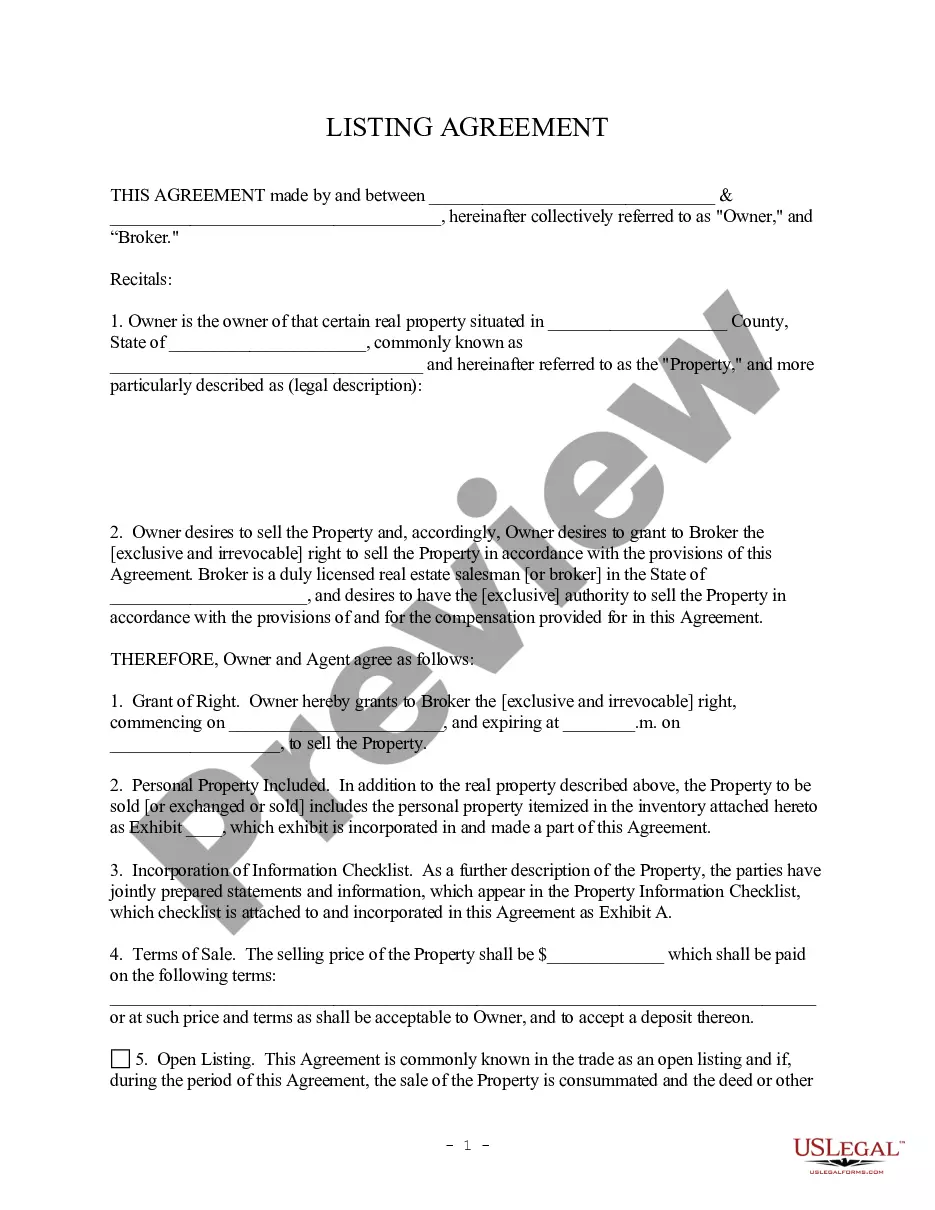
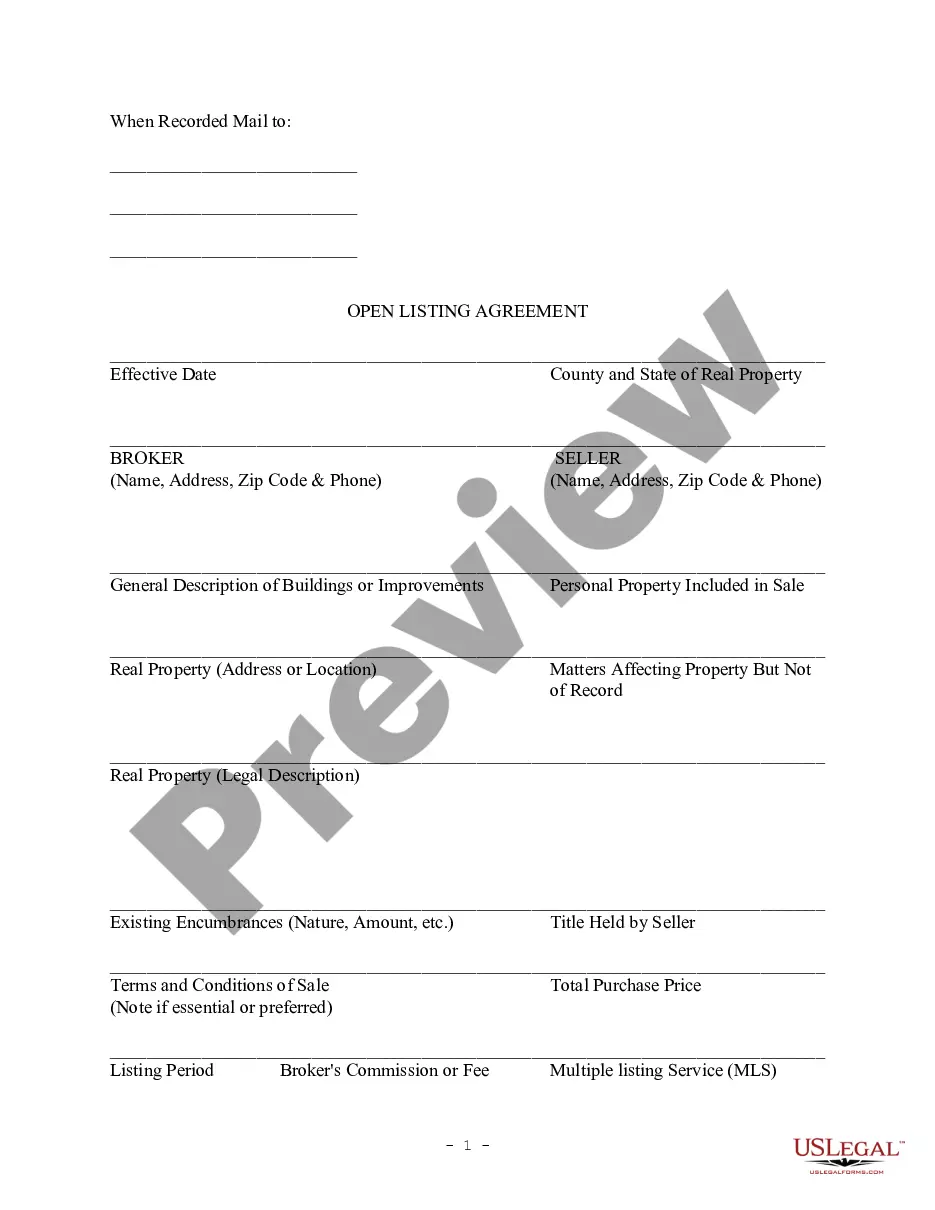

Get your form ready online
Our built-in tools help you complete, sign, share, and store your documents in one place.
Make edits, fill in missing information, and update formatting in US Legal Forms—just like you would in MS Word.
Download a copy, print it, send it by email, or mail it via USPS—whatever works best for your next step.
Sign and collect signatures with our SignNow integration. Send to multiple recipients, set reminders, and more. Go Premium to unlock E-Sign.
If this form requires notarization, complete it online through a secure video call—no need to meet a notary in person or wait for an appointment.
We protect your documents and personal data by following strict security and privacy standards.

Make edits, fill in missing information, and update formatting in US Legal Forms—just like you would in MS Word.

Download a copy, print it, send it by email, or mail it via USPS—whatever works best for your next step.

Sign and collect signatures with our SignNow integration. Send to multiple recipients, set reminders, and more. Go Premium to unlock E-Sign.

If this form requires notarization, complete it online through a secure video call—no need to meet a notary in person or wait for an appointment.

We protect your documents and personal data by following strict security and privacy standards.
Looking for another form?








Form popularity
FAQ
There are four common types of listings: open listings, exclusive right-to-sell listings, exclusive agency listings, and net listings. Open listing agreement. An open listing is a non-exclusive contract. Exclusive right to sell listing agreement. Exclusive agency listing agreement. Net listing agreement.
A holdover clause is common in leases, both commercial and residential. The holdover clause is designed to protect the interests of the landlord when a tenant does not leave after the termination or expiration of the term of their lease.
From the broker's viewpoint, the most desirable type of listing is the Exclusive Right to Sell Listing as it gives them a guaranteed commission even if the owner sells the property. This listing type makes sure the broker is rewarded for their effort and doesn't have competition from other brokers or the owner.
Once this agreement expires, your real estate agent no longer represents you. It also means your listing will officially no longer be for sale, as it will be removed from platforms like Realtor®. It will also be removed from the multiple listing service, also called the MLS.
The most common is the Exclusive Right to Sell or Lease Listing Agreement. The means there is an agency agreement between the seller and the broker, granting the broker the exclusive right to represent the seller in the sale or lease of the seller's property.
The three types of real estate listing agreements are open listing, exclusive agency listing, and exclusive right-to-sell listing. The listing agreement is an employment contract rather than a real estate contract: The broker is hired to represent the seller, but no property is transferred between the two.
Any amendment should be explained in-full so that all parties are in agreement. Discuss the Amendment. The broker and owner should meet and discuss the changes to the listing agreement. Write the Amendment. Once a verbal agreement is made, the amendment should be written. Sign and Attach to Listing Agreement.
Exclusive Right to Sell Listing With this contract type, the agent is given exclusive rights to market the home, post it on the MLS, and receive the selling commission. Because this contract favors the agent, it's no surprise that most realtors prefer this type of agreement.
Once a listing expires Sellers typically do one of three things: Take the property off the market completely. Relist with the previous agent with a new strategy. Relist with a NEW agent.
How to Amend a Listing Agreement (3 steps) Discuss the Amendment. The broker and owner should meet and discuss the changes to the listing agreement. Write the Amendment. Once a verbal agreement is made, the amendment should be written. Sign and Attach to Listing Agreement.

