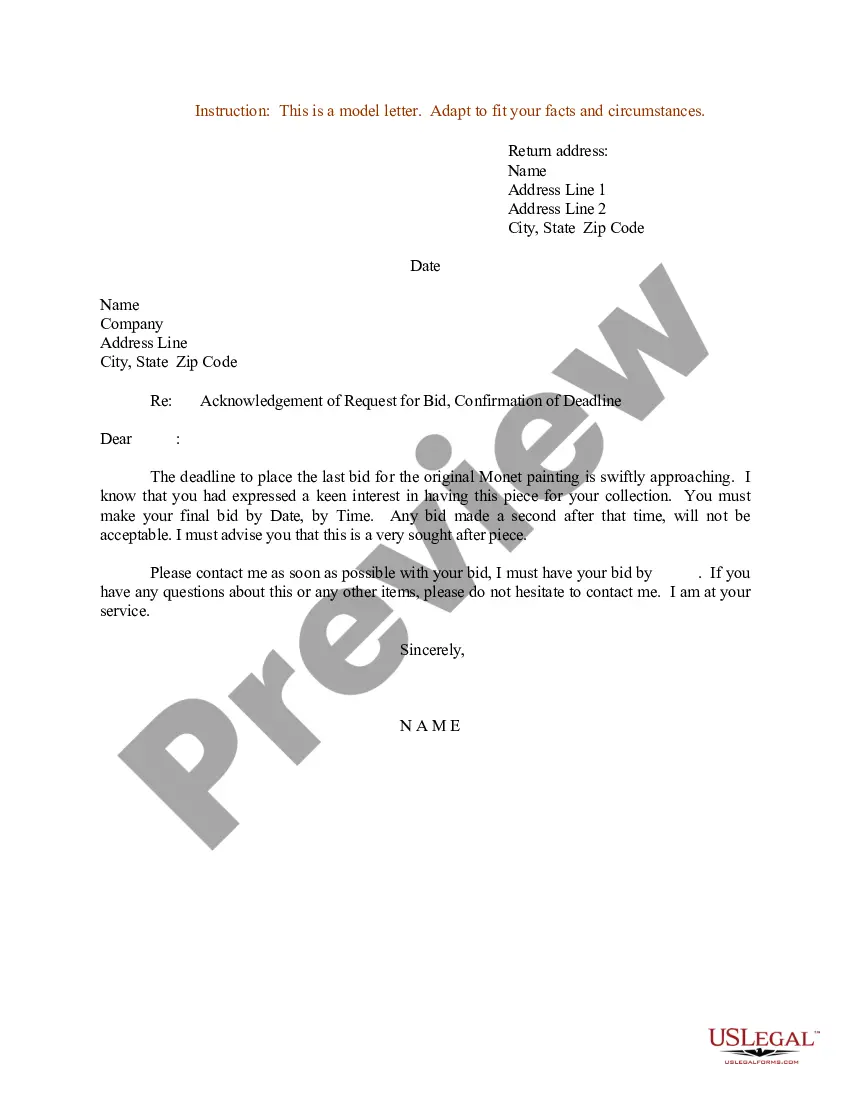
Listing Agreement Form With A Self-renewing Clause In Minnesota
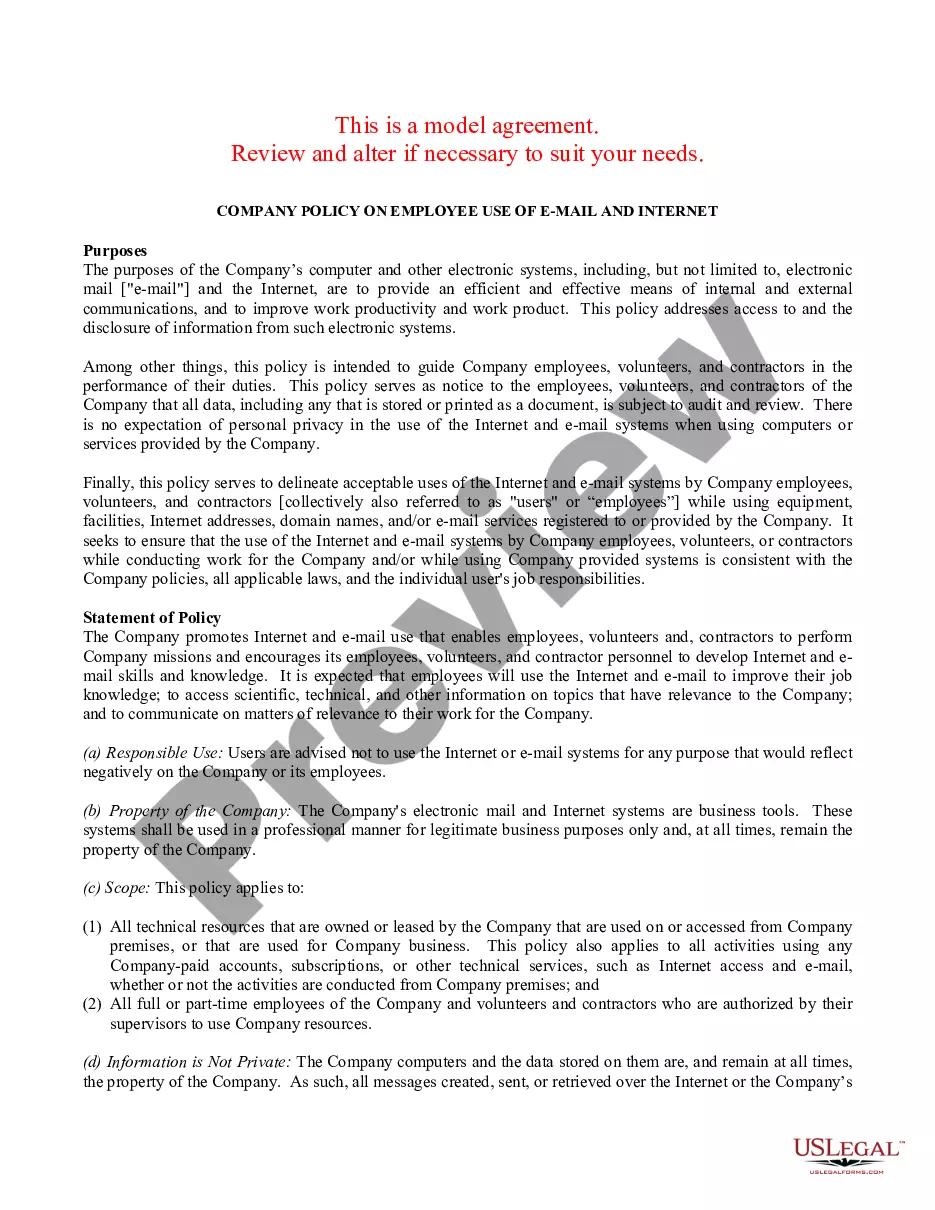
Description
Get your form ready online
Our built-in tools help you complete, sign, share, and store your documents in one place.
Make edits, fill in missing information, and update formatting in US Legal Forms—just like you would in MS Word.
Download a copy, print it, send it by email, or mail it via USPS—whatever works best for your next step.
Sign and collect signatures with our SignNow integration. Send to multiple recipients, set reminders, and more. Go Premium to unlock E-Sign.
If this form requires notarization, complete it online through a secure video call—no need to meet a notary in person or wait for an appointment.
We protect your documents and personal data by following strict security and privacy standards.

Make edits, fill in missing information, and update formatting in US Legal Forms—just like you would in MS Word.

Download a copy, print it, send it by email, or mail it via USPS—whatever works best for your next step.

Sign and collect signatures with our SignNow integration. Send to multiple recipients, set reminders, and more. Go Premium to unlock E-Sign.

If this form requires notarization, complete it online through a secure video call—no need to meet a notary in person or wait for an appointment.

We protect your documents and personal data by following strict security and privacy standards.
Looking for another form?








Form popularity
FAQ
An automatic renewal clause (sometimes referred to as an evergreen or self-renewal clause) is a contractual provision that operates at the end of a contract's current term to automatically extend the term for a specified period of time, unless one of the parties provides notice of its intent not to renew.
Typically, an auto-renewal/evergreen clause might take the following form: "Each Term shall automatically renew for subsequent period of the same length as the initial Term unless either party gives the other written notice of termination at least (30) days prior to expiration of the current term."
Autorenewal contracts are legal and can be enforced in court. They are subject to certain requirements and state law may vary on what an autorenewal contract must contain to be enforceable. The enforceability of these provisions differs based on the contractual relationship of the parties.
Licensees shall obtain a signed listing agreement or other signed written authorization from the owner of real property or from another person authorized to offer the property for sale or lease before advertising to the general public that the real property is available for sale or lease.
Auto-renewal, also known as automatic renewal, is a payment model in which a subscription or service plan is automatically extended at the end of each billing period without the need for user intervention. Once you've agreed to the terms, your saved payment method is charged, renewing the service automatically.
The seller must give the consumer written notice of an automatic renewal between five to 30 days before the contract renews for another term. The seller must give the consumer written notice of continuous service at intervals that are reasonable to the goods or services provide.
Yes, auto-renewal contracts are legal when they are handled correctly. Their enforceability depends on certain requirements and the particulars of that jurisdiction, as well as on the contractual relationship between the parties.
Typically, an auto-renewal/evergreen clause might take the following form: "Each Term shall automatically renew for subsequent period of the same length as the initial Term unless either party gives the other written notice of termination at least (30) days prior to expiration of the current term."
Here's an example of an automatic renewal clause: "This contract shall automatically renew for additional one-year terms unless either party submits a written termination notice at least X days before the end of the current term.
Effective January 1, 2024, landlords cannot file an eviction action in court for non-payment of rent unless they first give the tenant a detailed written notice of an intention to file 14 days before filing. Minn. Stat.