One Time Showing Form For Real Estate In Maryland
Description

Get your form ready online
Our built-in tools help you complete, sign, share, and store your documents in one place.
Make edits, fill in missing information, and update formatting in US Legal Forms—just like you would in MS Word.
Download a copy, print it, send it by email, or mail it via USPS—whatever works best for your next step.
Sign and collect signatures with our SignNow integration. Send to multiple recipients, set reminders, and more. Go Premium to unlock E-Sign.
If this form requires notarization, complete it online through a secure video call—no need to meet a notary in person or wait for an appointment.
We protect your documents and personal data by following strict security and privacy standards.

Make edits, fill in missing information, and update formatting in US Legal Forms—just like you would in MS Word.

Download a copy, print it, send it by email, or mail it via USPS—whatever works best for your next step.

Sign and collect signatures with our SignNow integration. Send to multiple recipients, set reminders, and more. Go Premium to unlock E-Sign.

If this form requires notarization, complete it online through a secure video call—no need to meet a notary in person or wait for an appointment.

We protect your documents and personal data by following strict security and privacy standards.
Looking for another form?
Form popularity
FAQ
Maryland is somewhat unique in that sellers can choose between either giving the buyer a disclosure of known defects or a disclaimer as to the condition of the house (but not both). In the latter case, you would be selling the property "as is," but must at least mention any known latent defects.
There are three routes you can take to deactivate your real estate license. The first is asking your real estate broker to remove you from their license, the second is to do it yourself online, and the third requires you to send a paper application to your real estate commission.
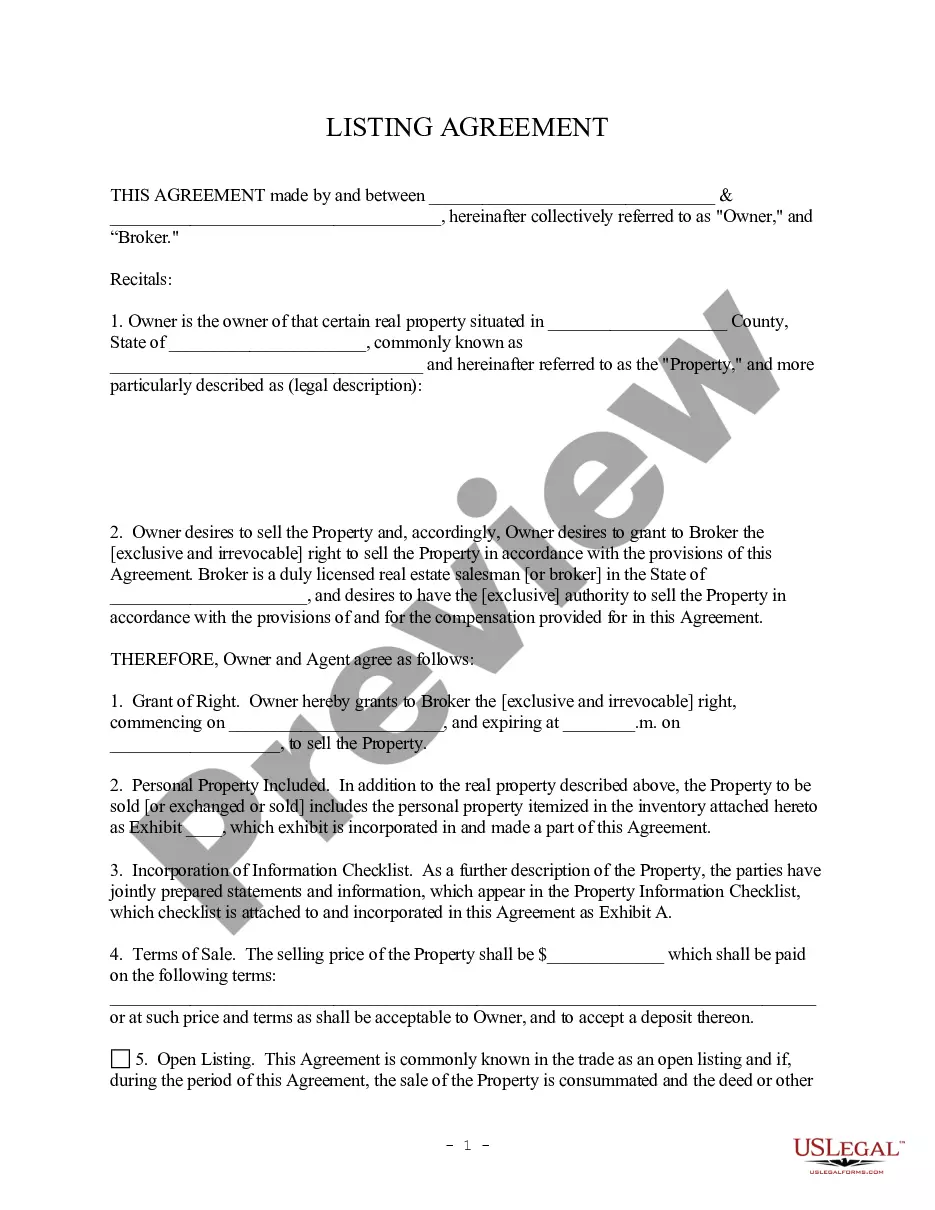
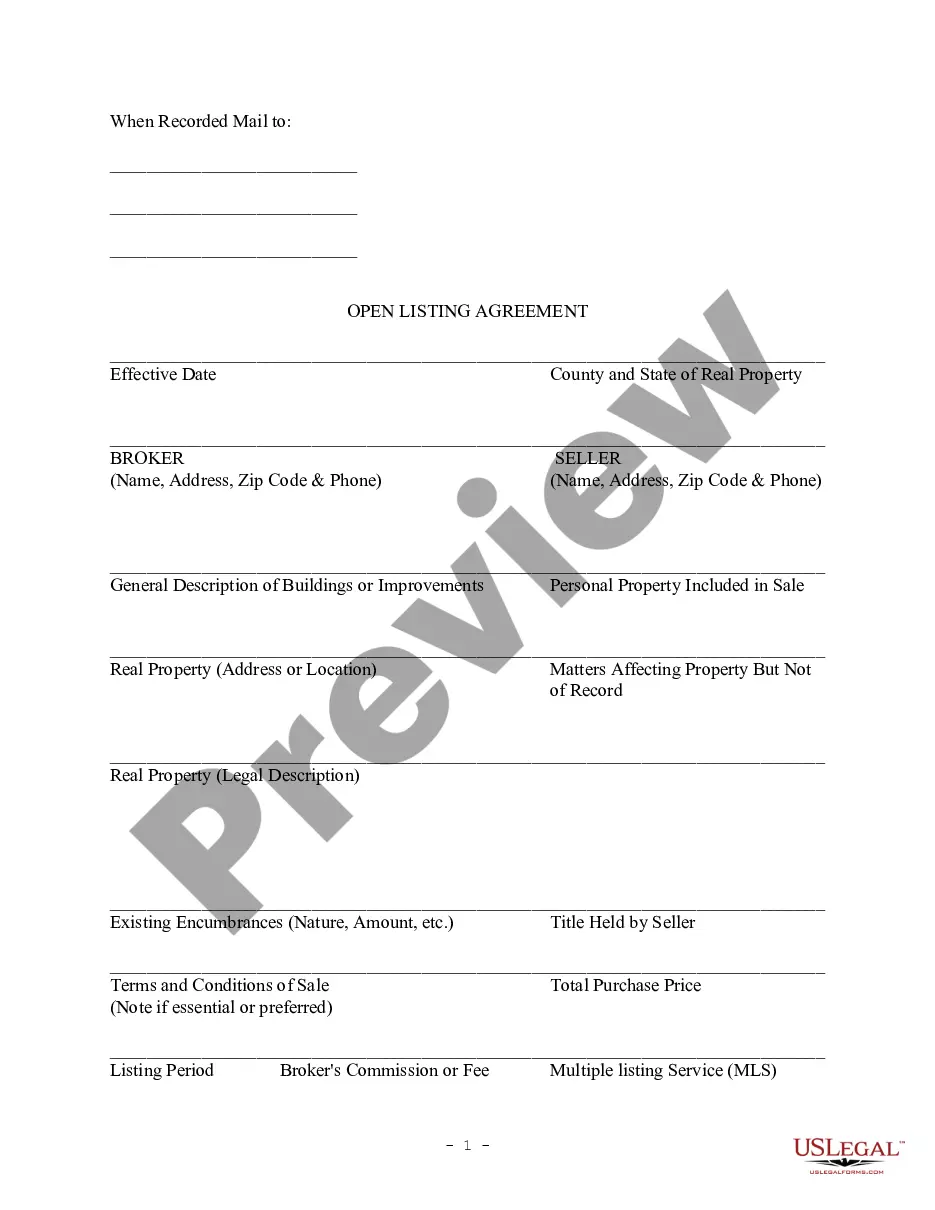
Form A, also known as the Broker's Contract Agreement or Listing Form, is signed between the property owner and the real estate broker. This form authorizes the broker to list and market the property on behalf of the owner.
Is the Maryland real estate exam hard? While the majority of students pass their real estate exam, a passing score isn't guaranteed. In Maryland, roughly 32% of students have to retake the test in order to pass.
Yes, Maryland law mandates that sellers of residential real estate complete a form known as the Residential Property Disclosure and Disclaimer Statement, as outlined in Md. Code § 10-702. This form requires sellers to disclose conditions and defects that could affect the property's value or desirability.
The seller disclosure statement, also known as a seller disclosure form or Form-17 is a crucial document that sellers must complete when selling their home. Its purpose is to provide potential buyers with information about the condition of the property and any known issues or defects.
The Maryland Real Estate Exam is scored as two separate sections, and you'll have to get the minimum score on both to get your real estate license. To pass the national portion, you'll need to answer 56 out of 80 questions correctly. You'll have to get 21 out of 30 correct in the Maryland section.
Is the Maryland real estate exam hard? You'll need a score of at least 70% in order to pass the Maryland real estate exam. And approximately 32% of Maryland students fail the test the first time around and have to retake it, which means it's not the easiest test out there.
Conclusion In a nutshell, even though the Maryland real estate exam is renowned for its difficulty, success is possible if you prepare well, manage your time well, and use a calculated strategy.
What item(s) must be included on ALL real estate advertising in Maryland? All advertising must include the broker's or company's name as it appears on the licensee's license. A logo alone doesn't suffice. If a salesperson or associate broker includes their phone number, the broker's number must also be included.
