One Time Showing Agreement Form For Notary Public In Kings
Description
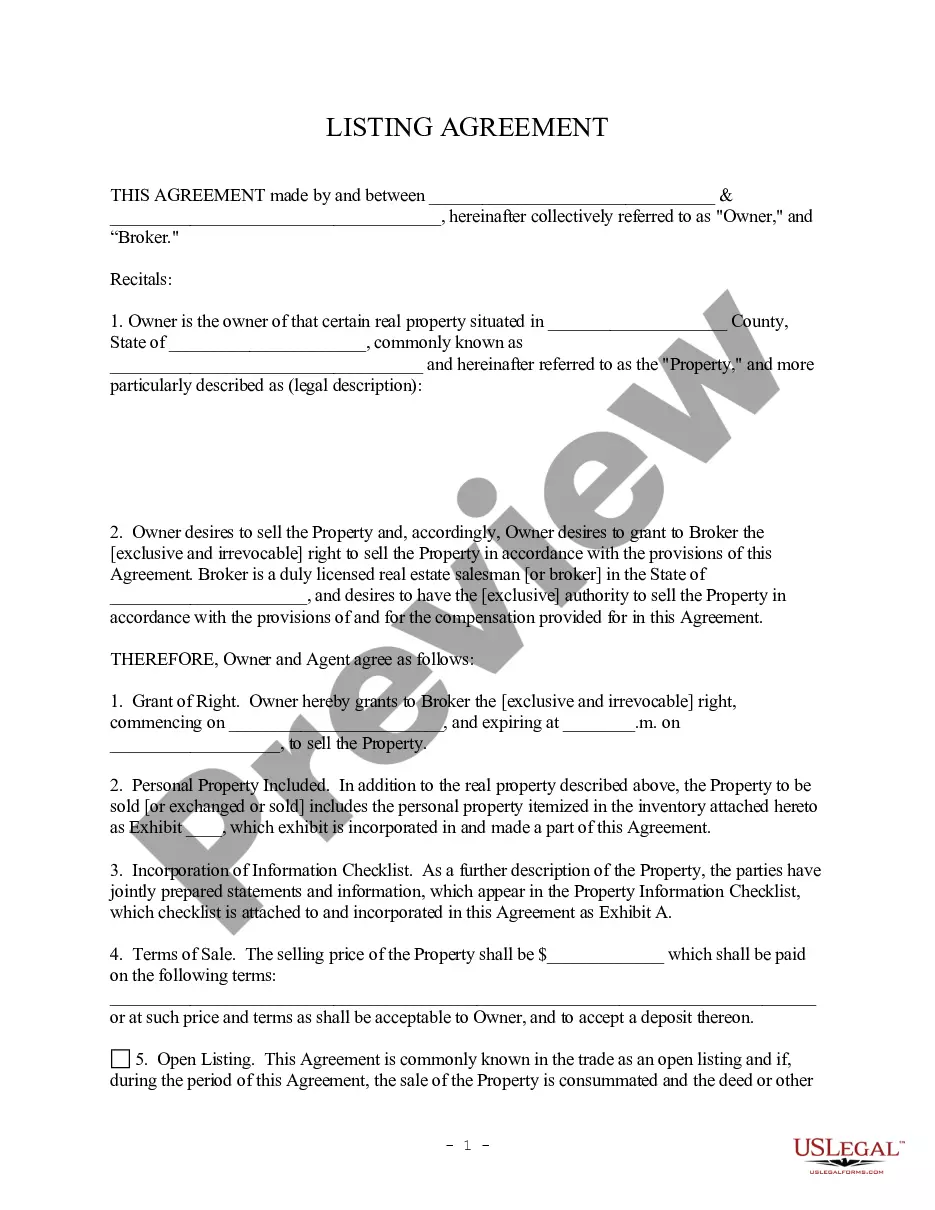
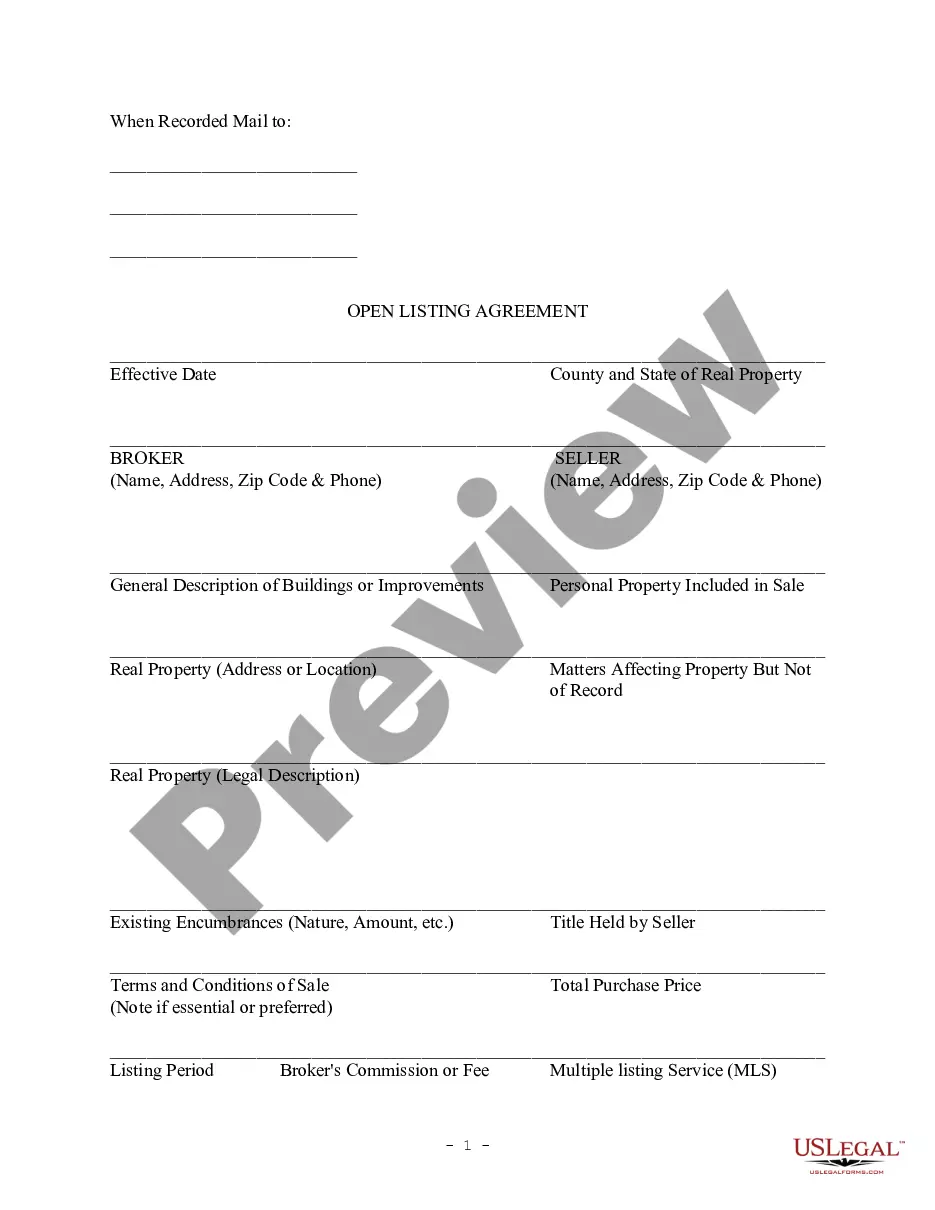
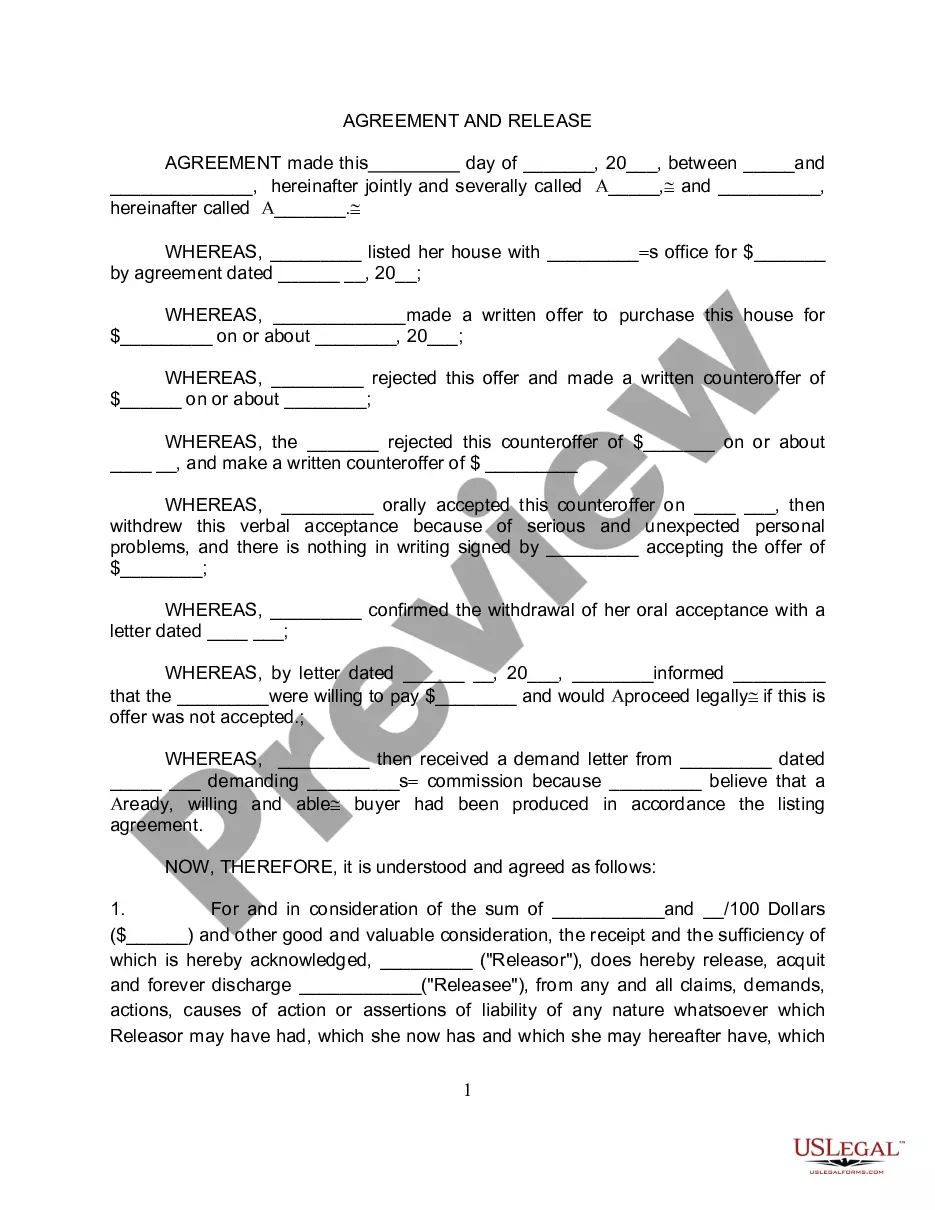
Get your form ready online
Our built-in tools help you complete, sign, share, and store your documents in one place.
Make edits, fill in missing information, and update formatting in US Legal Forms—just like you would in MS Word.
Download a copy, print it, send it by email, or mail it via USPS—whatever works best for your next step.
Sign and collect signatures with our SignNow integration. Send to multiple recipients, set reminders, and more. Go Premium to unlock E-Sign.
If this form requires notarization, complete it online through a secure video call—no need to meet a notary in person or wait for an appointment.
We protect your documents and personal data by following strict security and privacy standards.

Make edits, fill in missing information, and update formatting in US Legal Forms—just like you would in MS Word.

Download a copy, print it, send it by email, or mail it via USPS—whatever works best for your next step.

Sign and collect signatures with our SignNow integration. Send to multiple recipients, set reminders, and more. Go Premium to unlock E-Sign.

If this form requires notarization, complete it online through a secure video call—no need to meet a notary in person or wait for an appointment.

We protect your documents and personal data by following strict security and privacy standards.
Looking for another form?
Form popularity
FAQ
To make a notarized letter, begin with your contact details, create a clear message explaining the purpose of the letter. Include any legal language if necessary. Conclude with a formal closing and leave space for your signature. And that's how you write a statement that needs to be notarized.
Beginning January 25th, 2023, all notaries, including those notaries that only provide traditional in-person services, are required to keep a journal of all notarial acts performed which includes the type of identification provided, for 10 years.
A regulation adopted by the New York Office of Information Services clarifies that Notaries performing notarial acts on electronic records must identify a signer and use an electronic signature that complies with regulations issued by the Department of State.
One of the most common mistakes that notaries make is not printing or signing their name exactly as it appears on their notary commission.
No, in New York, you do not need to notarize your will to make it legal. However, New York allows you to make your will "self-proving" and you'll need to go to a notary if you want to do that. A self-proving will speeds up probate because the court can accept the will without contacting the witnesses who signed it.
Yes. Beginning January 25th, 2023, all notaries, including those notaries that only provide traditional in-person services, are required to keep a journal of all notarial acts performed which includes the type of identification provided, for 10 years.
Yes, it is OK. You may notarize multiple copies of an original document provided that the signer's signature on each copy is an original signature made in pen and ink and your notarization is “original” for each one. Confronted with a tricky notarization?
Can you write a letter and have it notarized? Yes, you can fill out the details of a letter on your own and then contact a public notary to get it notarized. If you're wondering what documents need to be notarized, understand that there is a long list of documents you can notarize in your state.
A signer must meet face-to-face with a Notary in order to have their signature notarized. Be sure that any person whose signature needs notarization is available and can attend your appointment with the Notary Public. A Notary cannot notarize a person's signature over the phone or video chat.
