Washington State Form 17 Withholding In King
Description
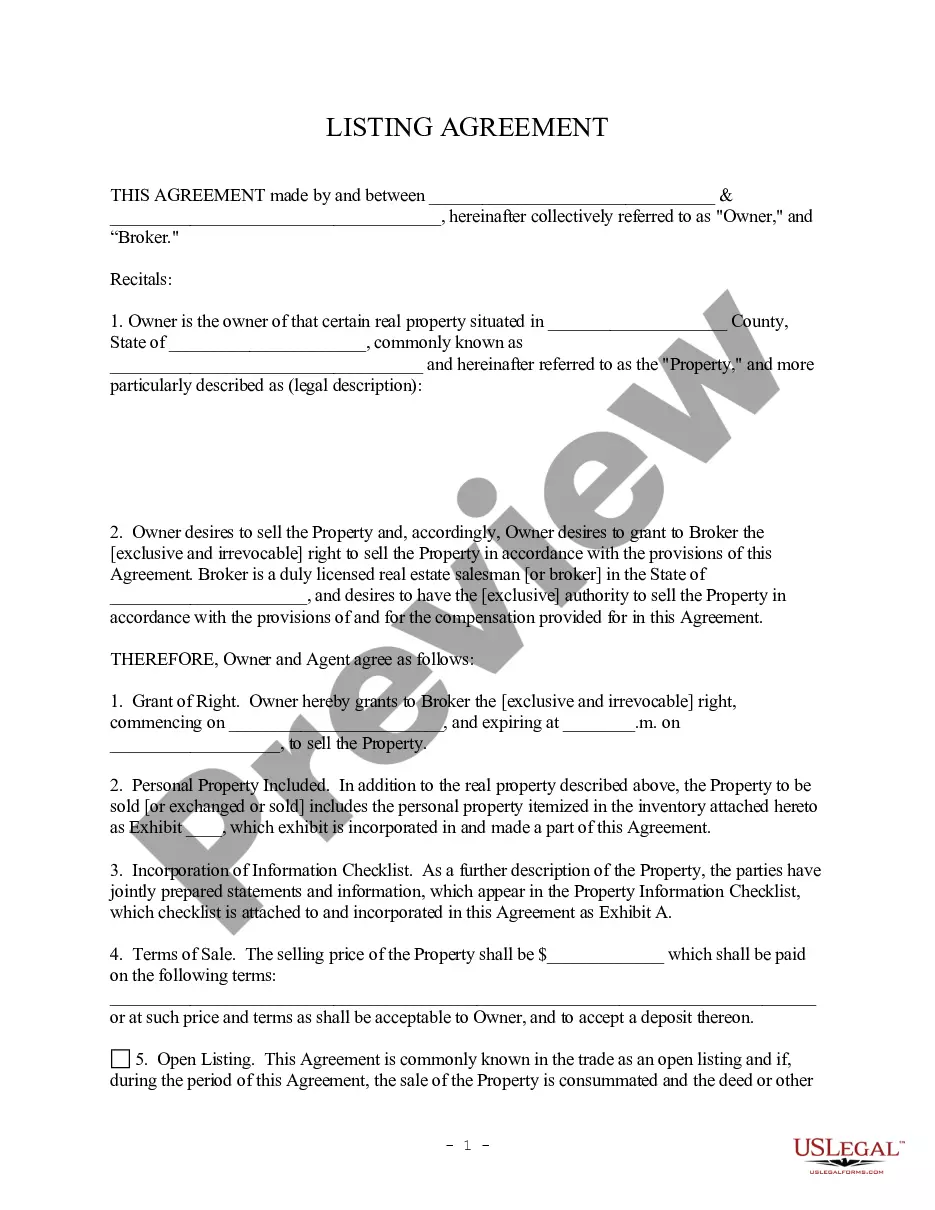
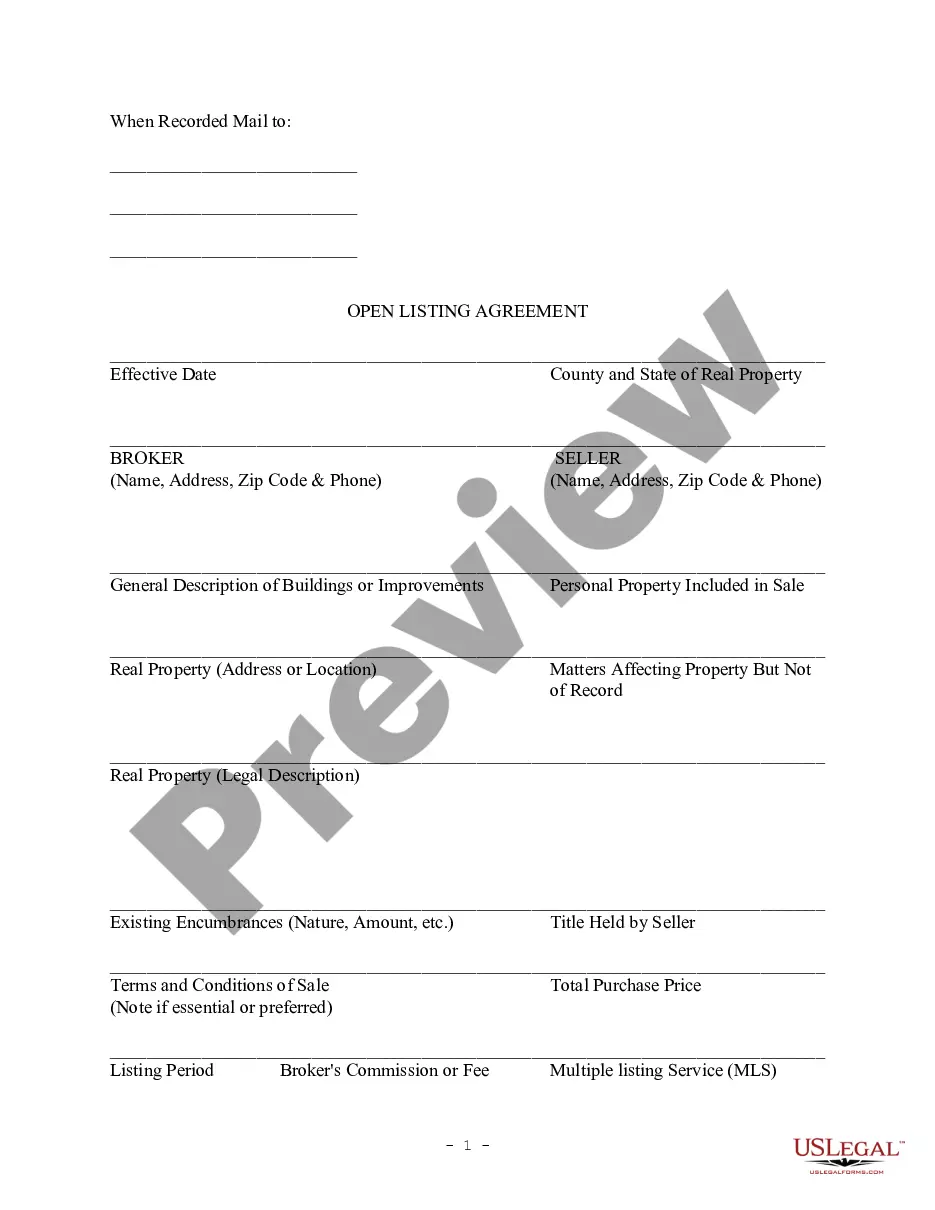
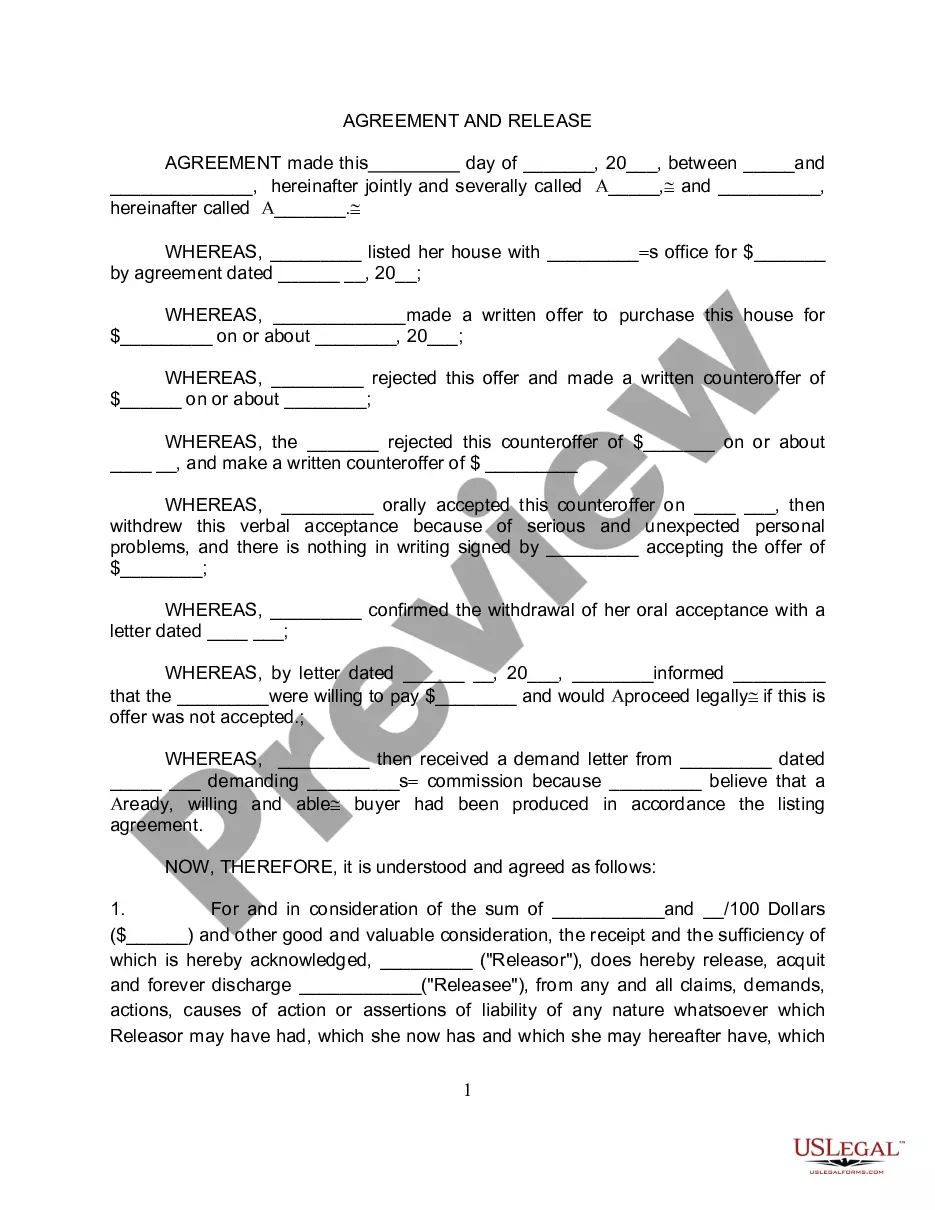
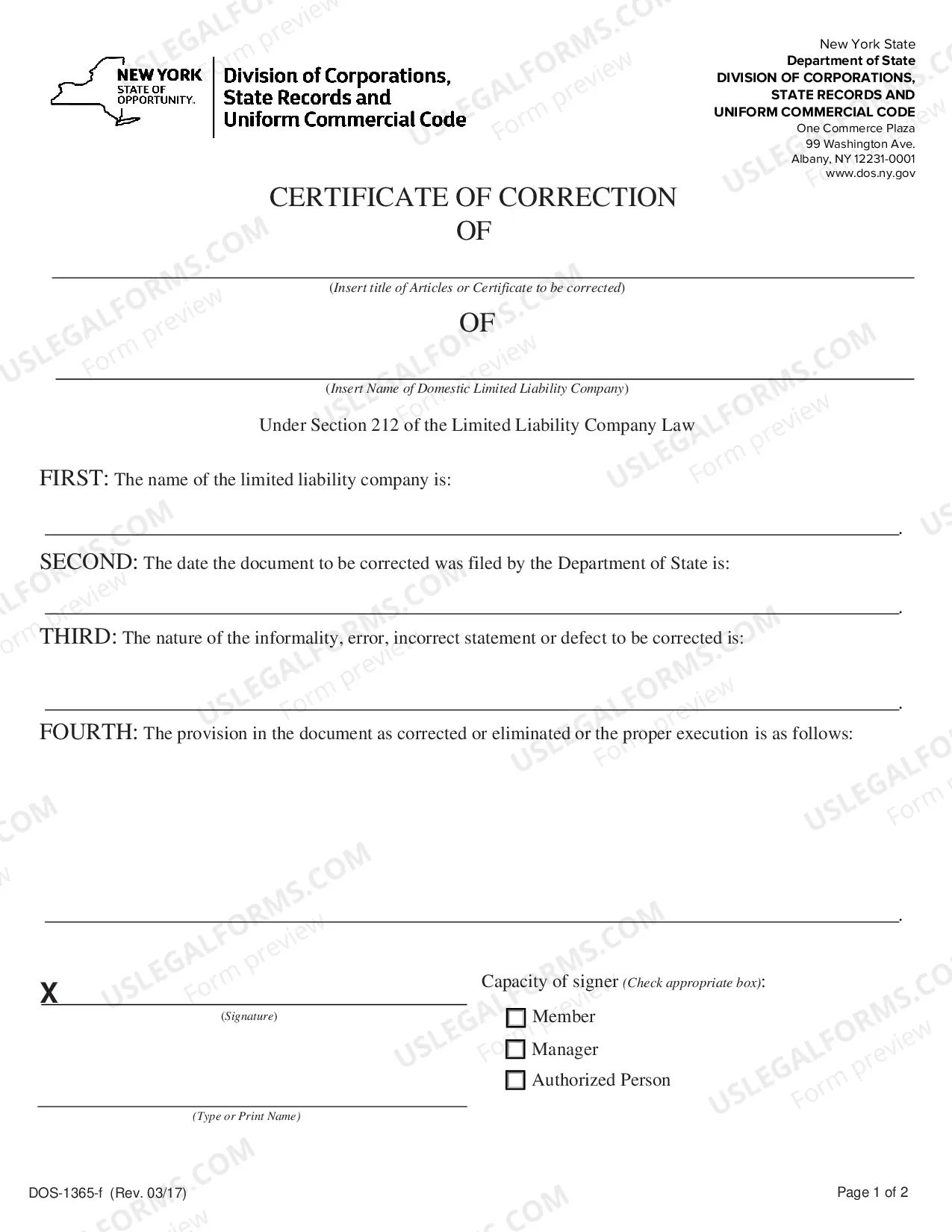
Get your form ready online
Our built-in tools help you complete, sign, share, and store your documents in one place.
Make edits, fill in missing information, and update formatting in US Legal Forms—just like you would in MS Word.
Download a copy, print it, send it by email, or mail it via USPS—whatever works best for your next step.
Sign and collect signatures with our SignNow integration. Send to multiple recipients, set reminders, and more. Go Premium to unlock E-Sign.
If this form requires notarization, complete it online through a secure video call—no need to meet a notary in person or wait for an appointment.
We protect your documents and personal data by following strict security and privacy standards.

Make edits, fill in missing information, and update formatting in US Legal Forms—just like you would in MS Word.

Download a copy, print it, send it by email, or mail it via USPS—whatever works best for your next step.

Sign and collect signatures with our SignNow integration. Send to multiple recipients, set reminders, and more. Go Premium to unlock E-Sign.

If this form requires notarization, complete it online through a secure video call—no need to meet a notary in person or wait for an appointment.

We protect your documents and personal data by following strict security and privacy standards.
Looking for another form?





Form popularity
FAQ
The state does not require disclosure of any deaths, including murders or suicide. Do you have to report a death in your home while selling real estate in Washington?
Who Must Make These Seller Disclosures in California. As a broad rule, all sellers of residential real estate property containing one to four units in California must complete and provide written disclosures to the prospective buyers.
What You Need to Know about the Washington State Seller Property Disclosure – Form 17. Washington State requires sellers of residential real property to thoroughly disclose material facts on a form called the Residential Real Property Disclosure Statement (often referred to as Form 17).
Sellers must complete a Transfer Disclosure Statement (TDS), in which they disclose known defects and other pertinent information about the property. Failure to disclose these material facts can lead to legal liability.
Directors and officers of publicly traded companies: Directors and officers of publicly traded companies have a fiduciary duty to act in the best interests of the company and its shareholders. As part of this duty, they are required to disclose material facts to the public in a timely manner.
It is prepared by the seller's solicitors.
Sellers may be required to disclose a list of all of the major repairs made in various areas of the property. Buyers will want to know of any past problems. They'll want to know if an issue's been fixed and how it was fixed, if it requires ongoing maintenance or if it has the potential to cause problems in the future.
You can get the form from a buyer's or seller's agent or real estate attorney. While the disclosure form will vary in format, it may contain the following: List of specific issues the homeowner must check off if the home has them. Questions about the property the seller must answer with “Yes,” “No” or “Unknown”

