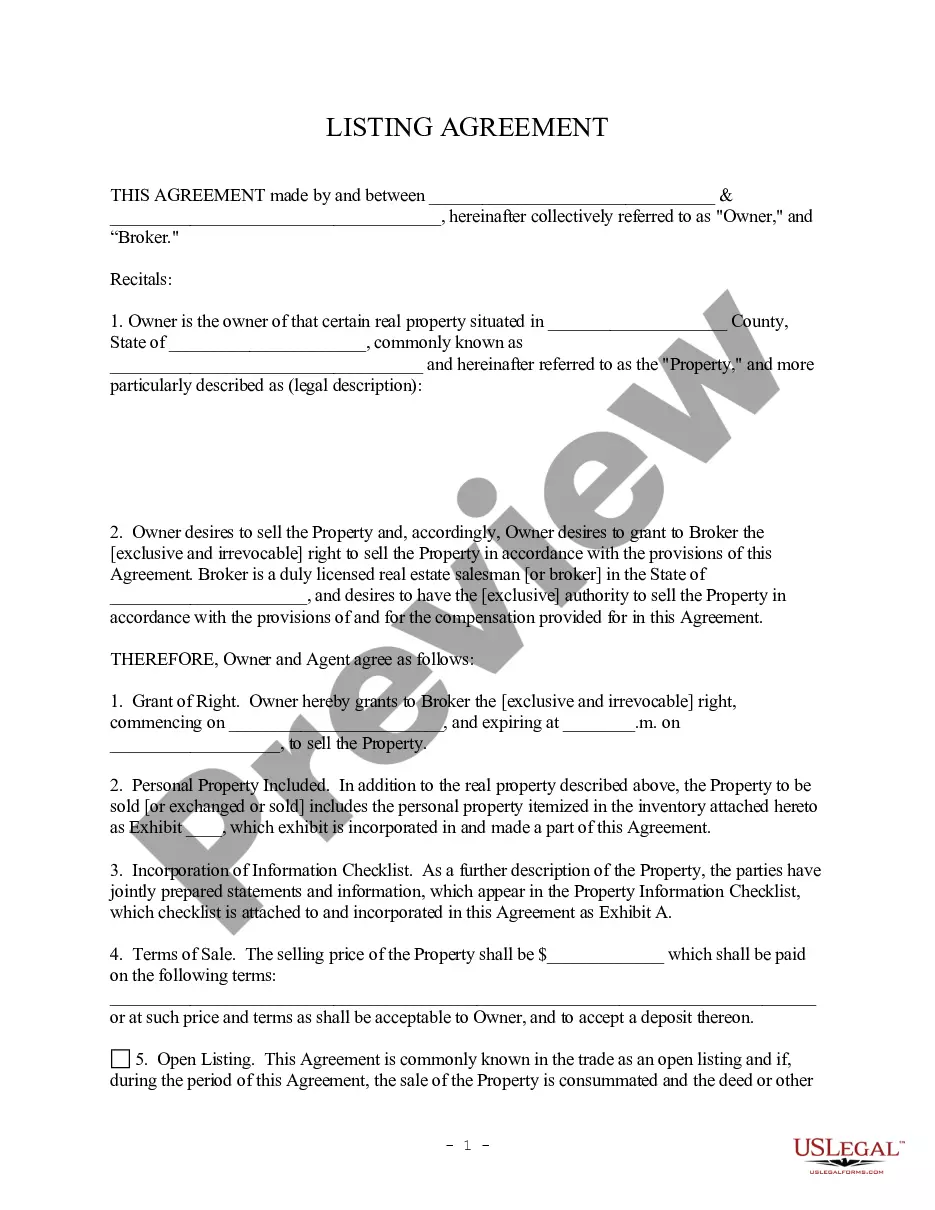
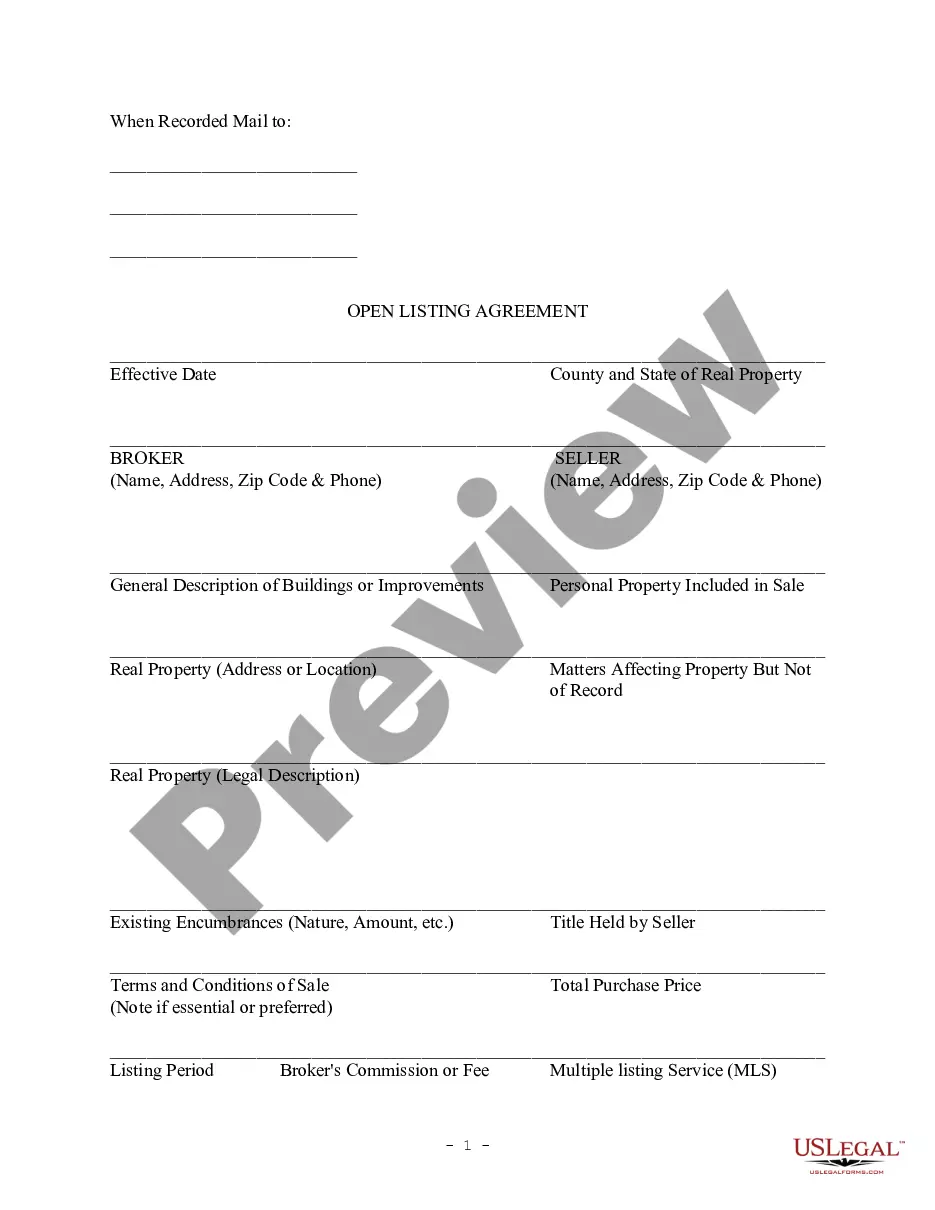
Washington State Form 17 With Sale Agreement In Florida
Description

Get your form ready online
Our built-in tools help you complete, sign, share, and store your documents in one place.
Make edits, fill in missing information, and update formatting in US Legal Forms—just like you would in MS Word.
Download a copy, print it, send it by email, or mail it via USPS—whatever works best for your next step.
Sign and collect signatures with our SignNow integration. Send to multiple recipients, set reminders, and more. Go Premium to unlock E-Sign.
If this form requires notarization, complete it online through a secure video call—no need to meet a notary in person or wait for an appointment.
We protect your documents and personal data by following strict security and privacy standards.

Make edits, fill in missing information, and update formatting in US Legal Forms—just like you would in MS Word.

Download a copy, print it, send it by email, or mail it via USPS—whatever works best for your next step.

Sign and collect signatures with our SignNow integration. Send to multiple recipients, set reminders, and more. Go Premium to unlock E-Sign.

If this form requires notarization, complete it online through a secure video call—no need to meet a notary in person or wait for an appointment.

We protect your documents and personal data by following strict security and privacy standards.
Looking for another form?
Form popularity
FAQ
FLORIDA LAW ALLOWS REAL ESTATE LICENSEES WHO REPRESENT A BUYER OR SELLER AS A SINGLE AGENT TO CHANGE FROM A SINGLE AGENT RELATIONSHIP TO A TRANSACTION BROKERAGE RELATIONSHIP IN ORDER FOR THE LICENSEE TO ASSIST BOTH PARTIES IN A REAL ESTATE TRANSACTION BY PROVIDING A LIMITED FORM OF REPRESENTATION TO BOTH THE BUYER AND ...
While a seller's property disclosure form is not required under Florida law, Florida law does require seller's and their realtors to disclose any significant property defects that may not be easily visible to the buyer. Buyers still have the responsibility to have the property inspected.
While sellers have always been required to disclose material facts, the Form 17 has been required by law (RCW 64.06. 020) since January 1, 1995. It has undergone ten revisions since its inception, the last of which went into effect in 2021.
FAQs: How Long Are You Liable After Selling a House in Florida? QuestionAnswer How long can a buyer bring a lawsuit for undisclosed defects? Generally, up to four years for fraud or misrepresentation and up to five years for breach of contract.3 more rows •
While a seller's property disclosure form is not required under Florida law, Florida law does require seller's and their realtors to disclose any significant property defects that may not be easily visible to the buyer. Buyers still have the responsibility to have the property inspected.
In 1985 the Florida Supreme Court decided that buyer beware does not apply to residential real estate. From then, Florida law placed an affirmative duty on sellers to disclose to buyers all material defects that they actually know about and that are unobservable to the buyers.
Sellers must complete a Transfer Disclosure Statement (TDS), in which they disclose known defects and other pertinent information about the property. Failure to disclose these material facts can lead to legal liability.
Although states have their own requirements for seller disclosures, certain disclosures are compelled by federal law. In Florida, sellers can use the “Seller's Property Disclosure Form,” created by the Florida Association of Realtors, but there is no statutory requirement to do so.
In most states, by law, you have to disclose any issues with the property. By not disclosing, you open yourself up to lawsuit.
You can get the form from a buyer's or seller's agent or real estate attorney. While the disclosure form will vary in format, it may contain the following: List of specific issues the homeowner must check off if the home has them. Questions about the property the seller must answer with “Yes,” “No” or “Unknown”

