Listing Agreement Document For Payment Agreement In Cuyahoga
Description
Get your form ready online
Our built-in tools help you complete, sign, share, and store your documents in one place.
Make edits, fill in missing information, and update formatting in US Legal Forms—just like you would in MS Word.
Download a copy, print it, send it by email, or mail it via USPS—whatever works best for your next step.
Sign and collect signatures with our SignNow integration. Send to multiple recipients, set reminders, and more. Go Premium to unlock E-Sign.
If this form requires notarization, complete it online through a secure video call—no need to meet a notary in person or wait for an appointment.
We protect your documents and personal data by following strict security and privacy standards.

Make edits, fill in missing information, and update formatting in US Legal Forms—just like you would in MS Word.

Download a copy, print it, send it by email, or mail it via USPS—whatever works best for your next step.

Sign and collect signatures with our SignNow integration. Send to multiple recipients, set reminders, and more. Go Premium to unlock E-Sign.

If this form requires notarization, complete it online through a secure video call—no need to meet a notary in person or wait for an appointment.

We protect your documents and personal data by following strict security and privacy standards.
Looking for another form?




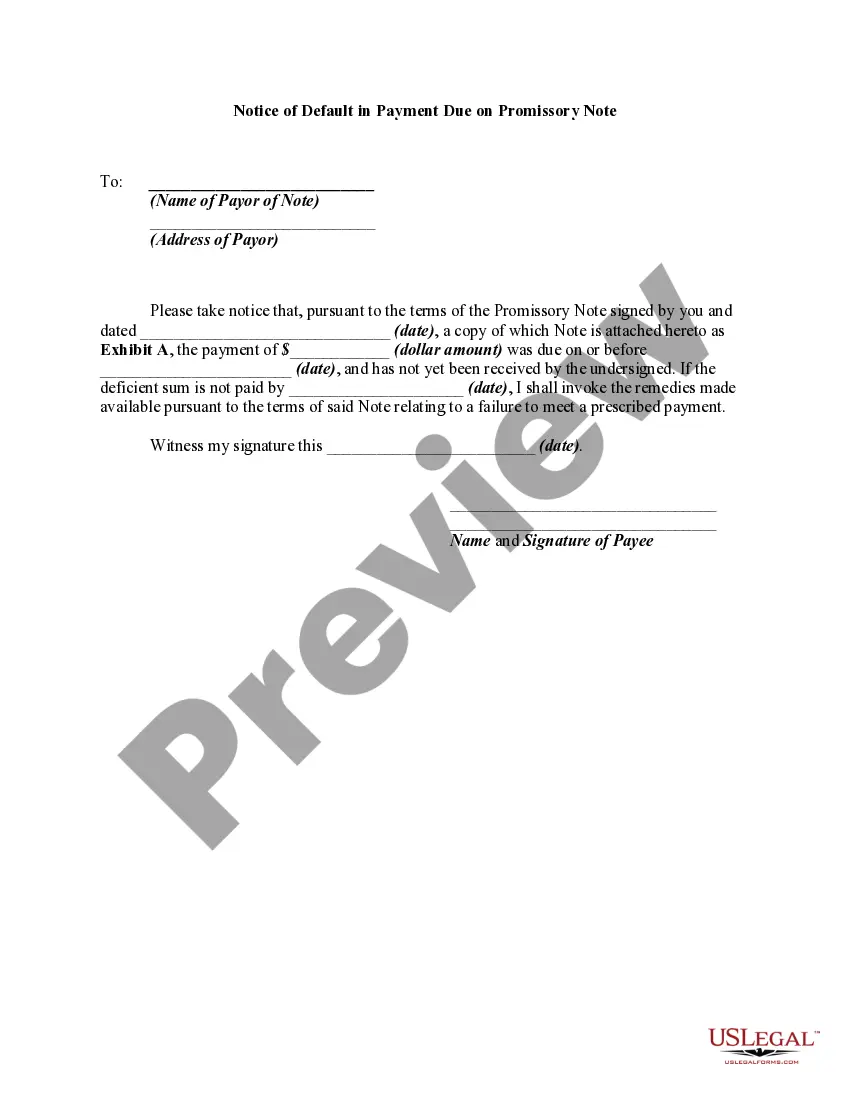
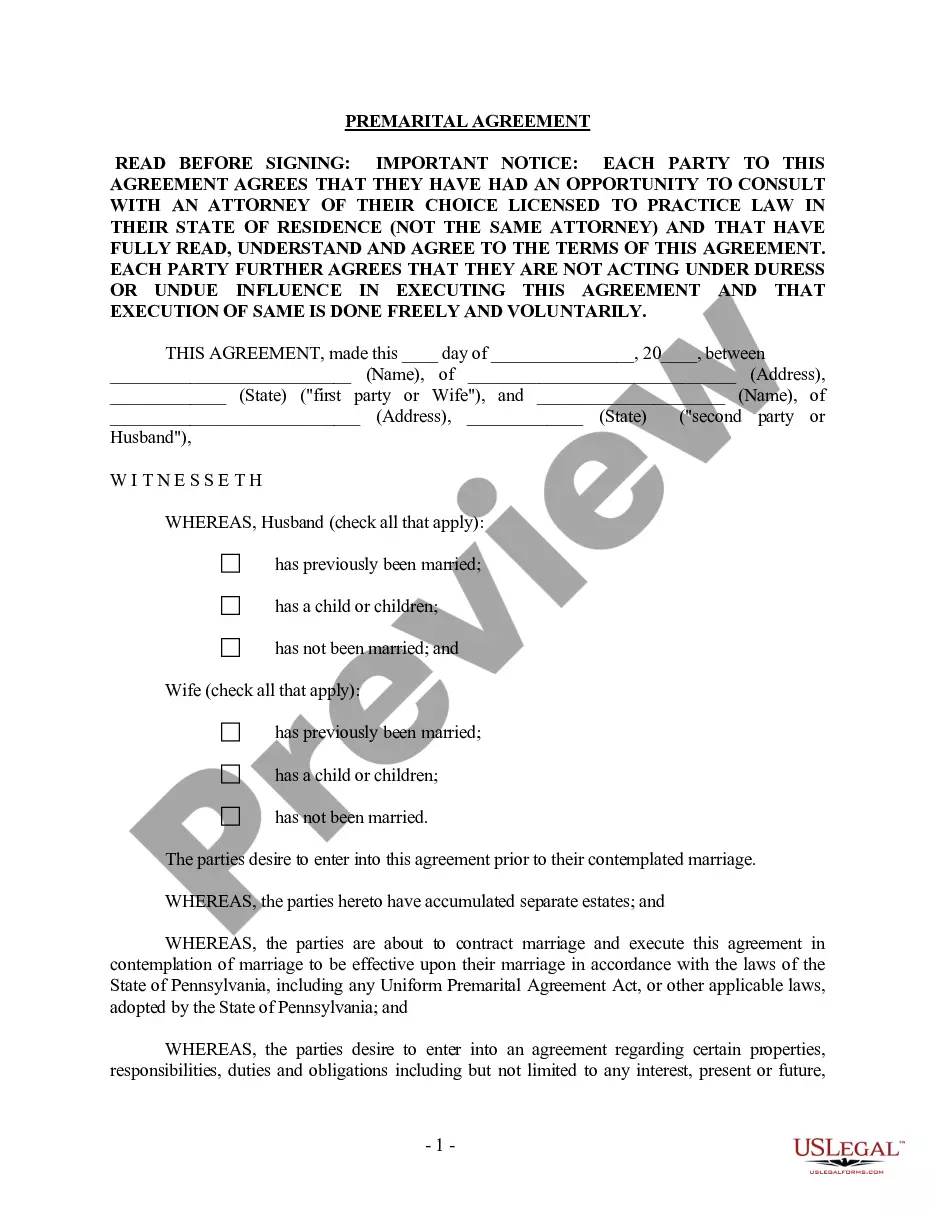


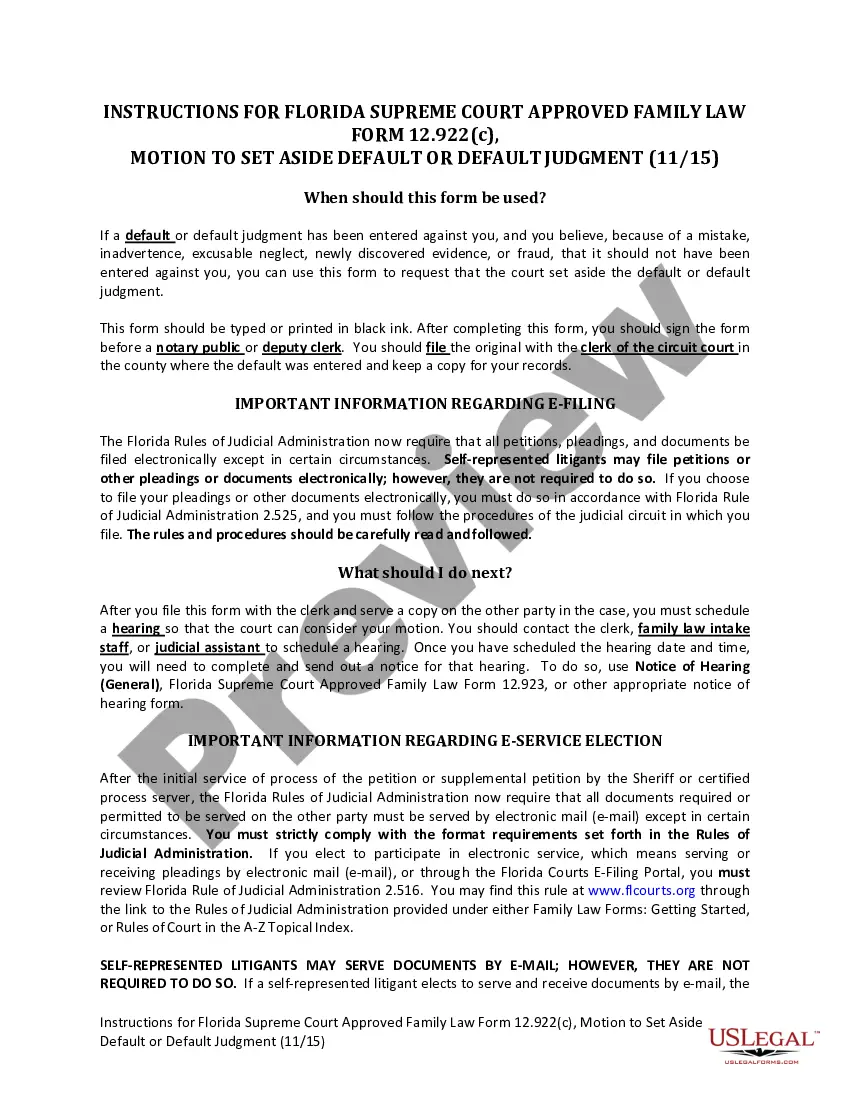
Form popularity
FAQ
Final answer: The component that is not required in most listing agreements is the naming of an escrow company. Most listing agreements typically include identification of the property, compensation details and signatures, although the escrow company is usually determined later in the selling process.
The answer is the age of the seller. Information needed for the listing agreement includes lot size, possibility of seller financing, and the property taxes. The age of the seller is not needed.
Every valid contract in California needs to have four essential elements. (1) The parties must be capable of contracting, (2) the parties must consent to the contract, (3) the contract must have a lawful object (they cannot be for illegal services), and (4) the contract must be supported by consideration.
Deeds and additional ownership documentation (circa 1810 to present) is available online or in person at the Recorder's Office, located on the 4th floor of the Cuyahoga County Administration Building.
You may use the Recorded Document Search or call the Recorders Public Information Department at 216-443-7300 for further details. This site is provided to allow the citizens of Cuyahoga County, and the world, access to information housed at our office.
If you want to obtain a copy of the deed to your home, contact your local county recorder.
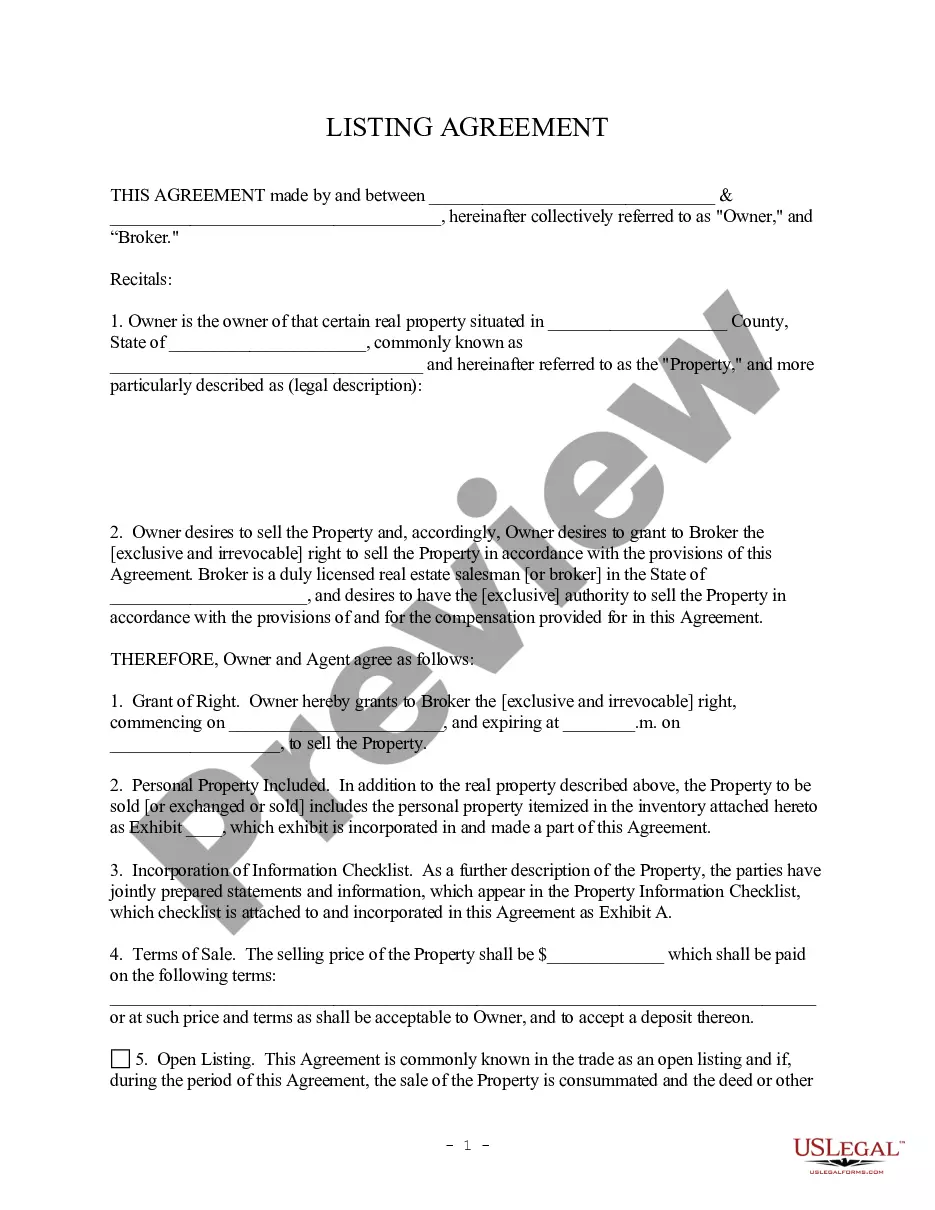
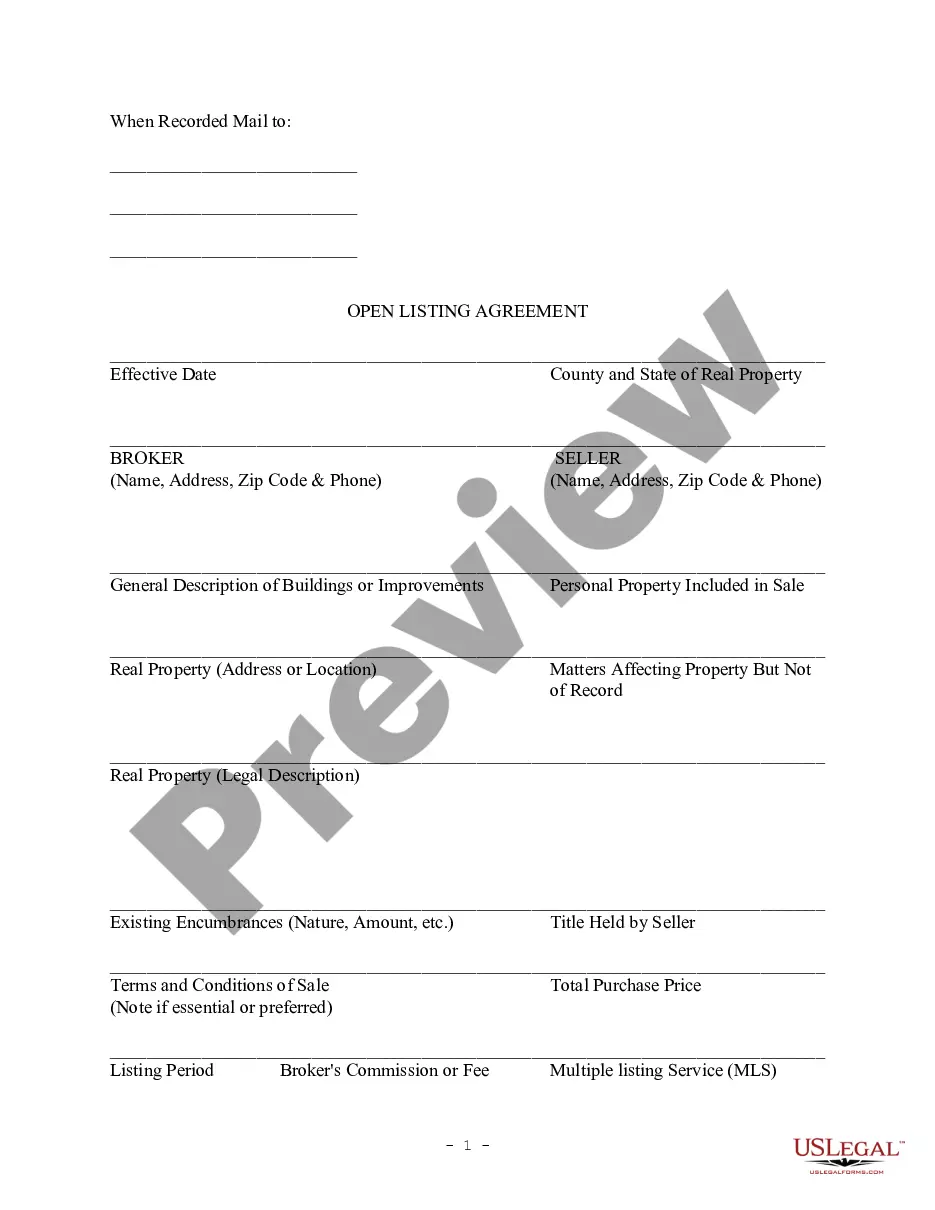
Key Takeaways. A listing agreement is a contract between a property owner and a real estate broker that authorizes the broker to represent the seller and find a buyer for the property. The three types of real estate listing agreements are open listing, exclusive agency listing, and exclusive right-to-sell listing.
Often, between 21 and 60 days following closing, the title company will deliver your final Owner's Title Policy, an original copy of the deed that was recorded and any other relevant information.
The three types of real estate listing agreements are open listing, exclusive agency listing, and exclusive right-to-sell listing.

