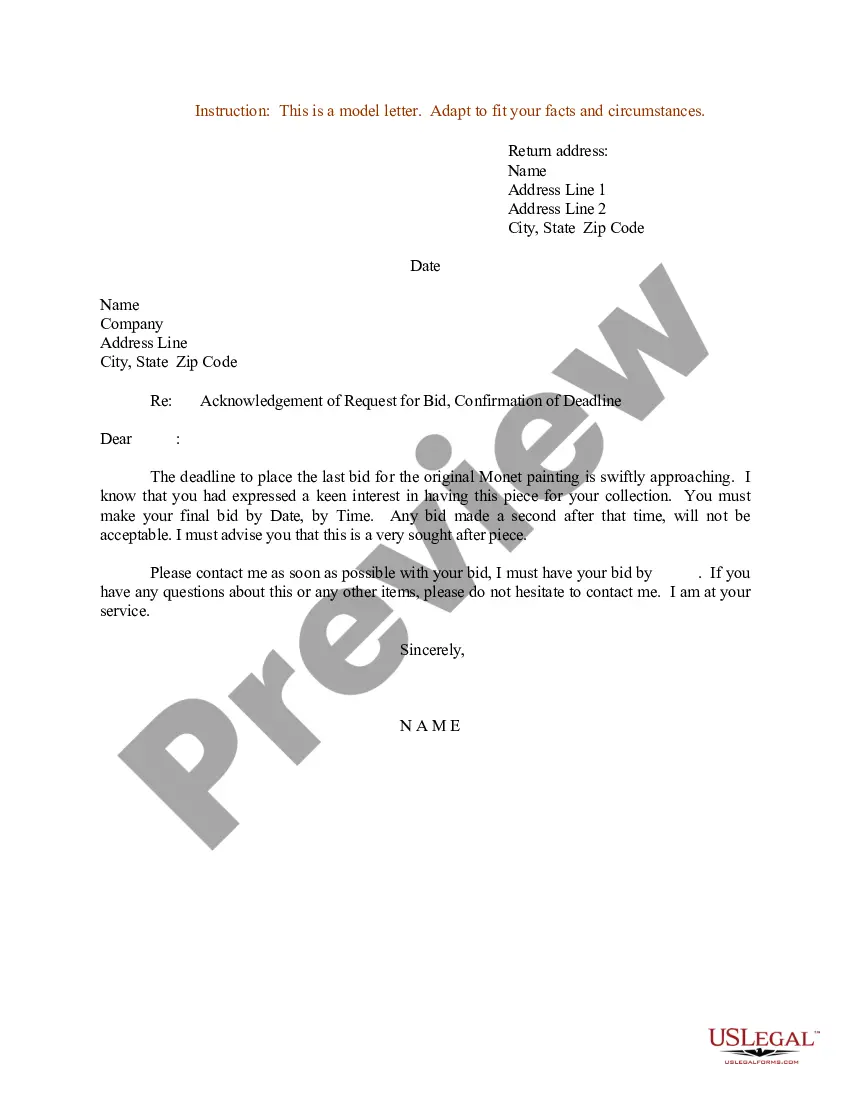
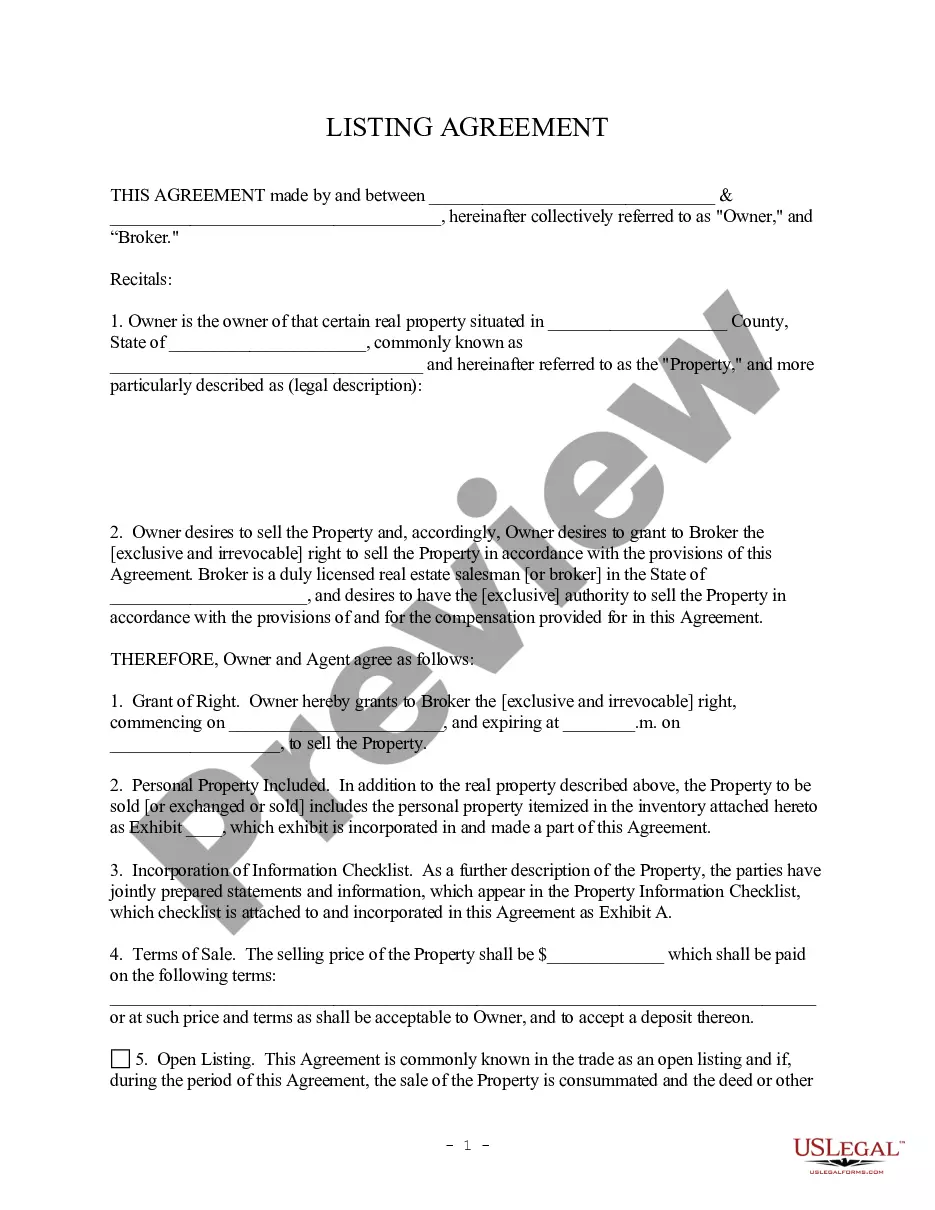
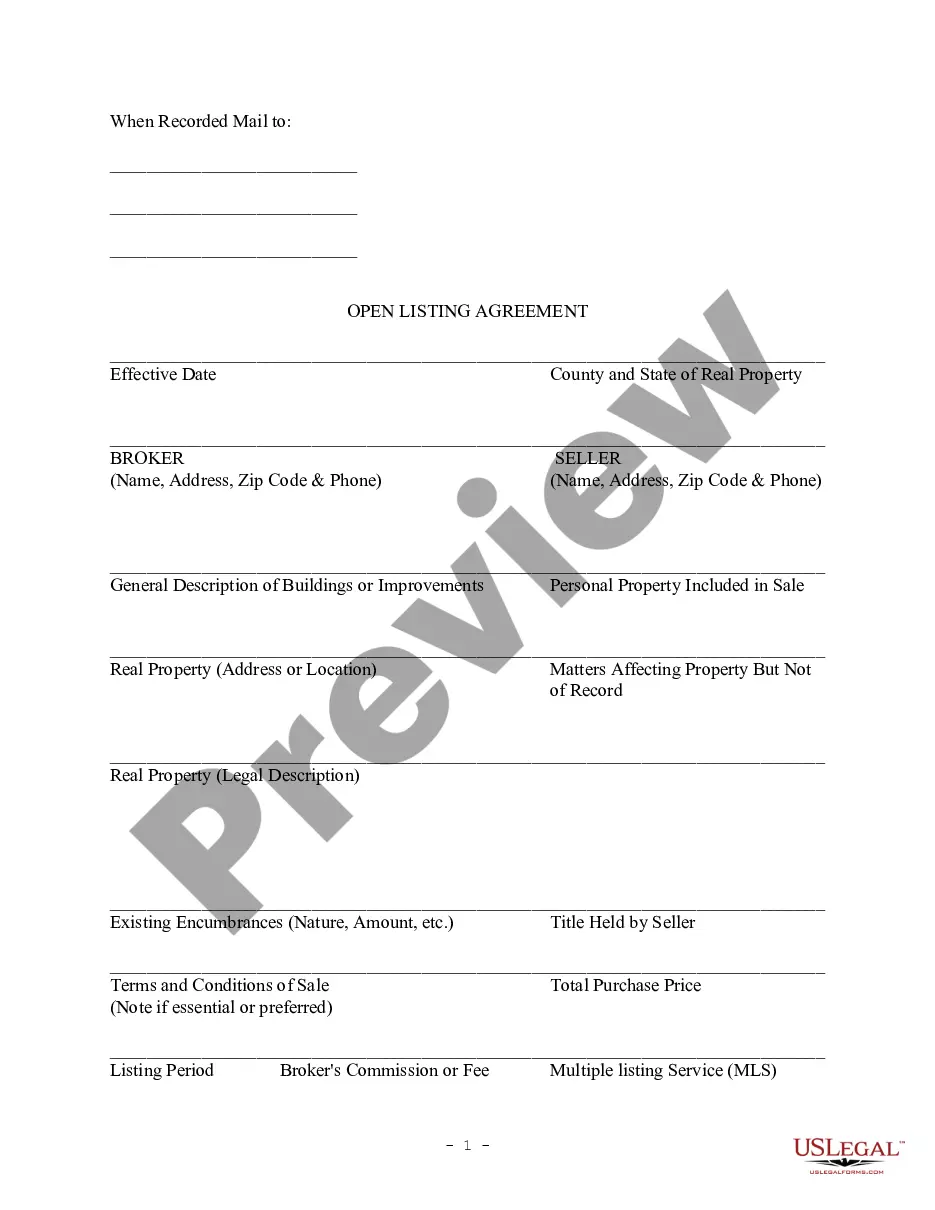
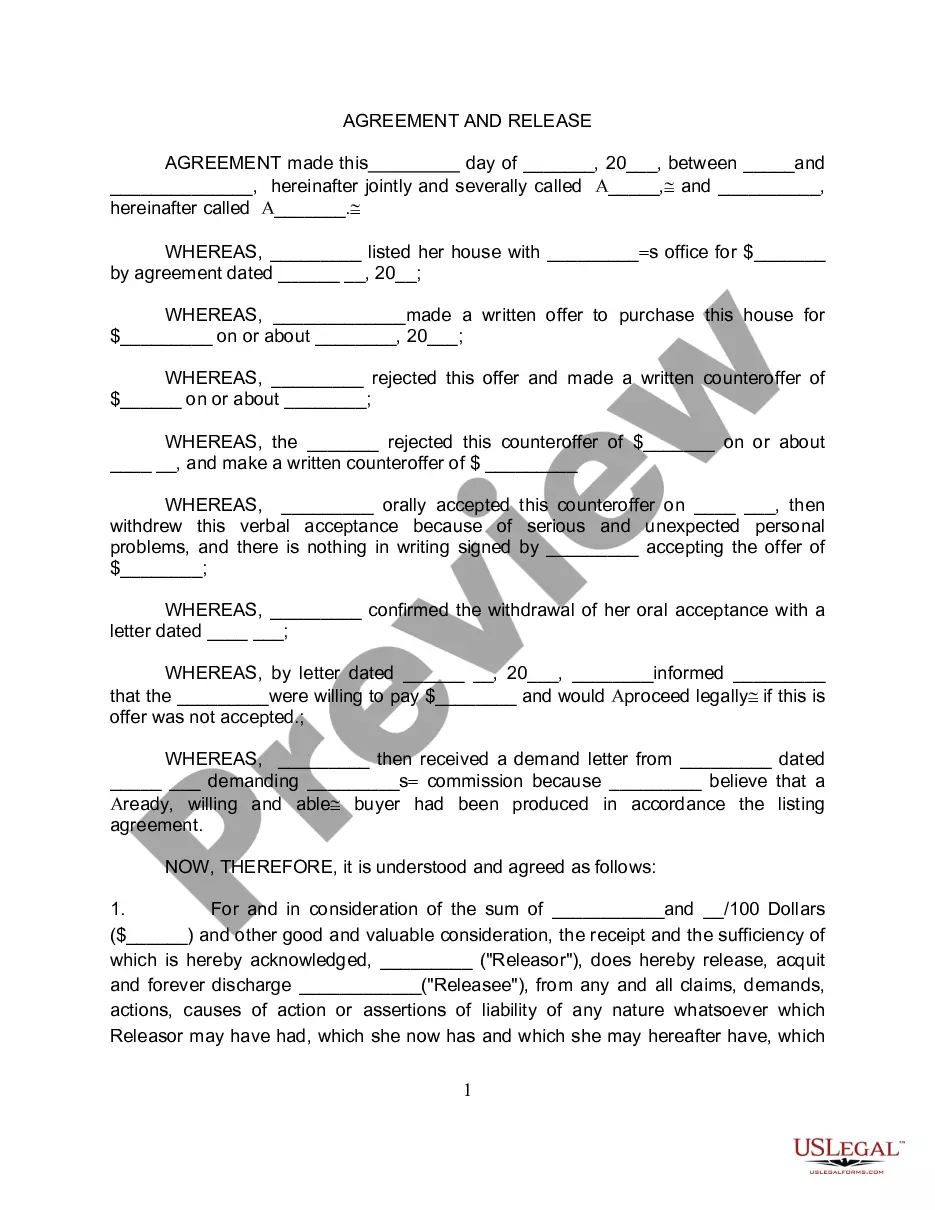
Listing Agreement Form With Corporate Governance In Bronx
Description
Get your form ready online
Our built-in tools help you complete, sign, share, and store your documents in one place.
Make edits, fill in missing information, and update formatting in US Legal Forms—just like you would in MS Word.
Download a copy, print it, send it by email, or mail it via USPS—whatever works best for your next step.
Sign and collect signatures with our SignNow integration. Send to multiple recipients, set reminders, and more. Go Premium to unlock E-Sign.
If this form requires notarization, complete it online through a secure video call—no need to meet a notary in person or wait for an appointment.
We protect your documents and personal data by following strict security and privacy standards.

Make edits, fill in missing information, and update formatting in US Legal Forms—just like you would in MS Word.

Download a copy, print it, send it by email, or mail it via USPS—whatever works best for your next step.

Sign and collect signatures with our SignNow integration. Send to multiple recipients, set reminders, and more. Go Premium to unlock E-Sign.

If this form requires notarization, complete it online through a secure video call—no need to meet a notary in person or wait for an appointment.

We protect your documents and personal data by following strict security and privacy standards.
Looking for another form?





Form popularity
FAQ
Listing Agreement-what is it all about? Listing means admission of the securities to dealings on a recognised stock exchange.
A real estate listing agreement – also known as a seller's agent agreement – is a contract between a property owner and a real estate broker. It permits the broker to sell the home on the seller's terms, locating an appropriate buyer. The property owner pays the brokerage a commission for acting as the listing agent.
A listing agreement is between the parties that own a property and the agents or brokers who will find a buyer for it. Typically, a real estate listing agreement involves the property owner and a real estate agent.
Exclusive right to sell listing The exclusive right to sell agreement is the most commonly used type, and the one you'll most likely be executing with your real estate agent.
Listing means the formal admission of securities of a company to the trading platform of the Exchange. It is a significant occasion for a company in the journey of its growth and development. It enables a company to raise capital while strengthening its structure and reputation.
A listing agreement is a contract between a property owner and a real estate broker that authorizes the broker to represent the seller and find a buyer for the property. The three types of real estate listing agreements are open listing, exclusive agency listing, and exclusive right-to-sell listing.
To start an LLC in New York, you must name your LLC, choose a registered agent, file articles of organization, fulfill the publication requirement, create an operating agreement, apply for an EIN, and comply with the state's tax requirements.
Per, New York's state statutes (Article 3: Section 302 for LLCs and Section 305 for corporations), registered agents are legally required in New York. At a minimum, your registered agent must list a physical address on the public record and be present at that address during business hours.
A corporation can be formed in the State of New York by complying with New York statutes or with the Federal Model Corporation Act. corporation must have bylaws on file with the Office of the Secretary of State or some other public office.
The members of an LLC are required to adopt a written Operating Agreement. See Section 417 of the Limited Liability Company Law. The Operating Agreement may be entered into before, at the time of, or within 90 days after the filing of the Articles of Organization.