One Time Showing Agreement Form In Bexar
Description
Get your form ready online
Our built-in tools help you complete, sign, share, and store your documents in one place.
Make edits, fill in missing information, and update formatting in US Legal Forms—just like you would in MS Word.
Download a copy, print it, send it by email, or mail it via USPS—whatever works best for your next step.
Sign and collect signatures with our SignNow integration. Send to multiple recipients, set reminders, and more. Go Premium to unlock E-Sign.
If this form requires notarization, complete it online through a secure video call—no need to meet a notary in person or wait for an appointment.
We protect your documents and personal data by following strict security and privacy standards.

Make edits, fill in missing information, and update formatting in US Legal Forms—just like you would in MS Word.

Download a copy, print it, send it by email, or mail it via USPS—whatever works best for your next step.

Sign and collect signatures with our SignNow integration. Send to multiple recipients, set reminders, and more. Go Premium to unlock E-Sign.

If this form requires notarization, complete it online through a secure video call—no need to meet a notary in person or wait for an appointment.

We protect your documents and personal data by following strict security and privacy standards.
Looking for another form?

Form popularity
FAQ
An MOU is a formal, yet non-binding agreement that outlines the present intentions, roles, and objectives of the parties involved in a collaboration. It is not legally enforceable like a contract.
5 Steps to Execute an Affidavit of Memorandum Draft the affidavit, including all necessary details and components. Have the affidavit notarized by a licensed notary public to authenticate the claimant's signature. File the affidavit with the county clerk's office where the property is located.
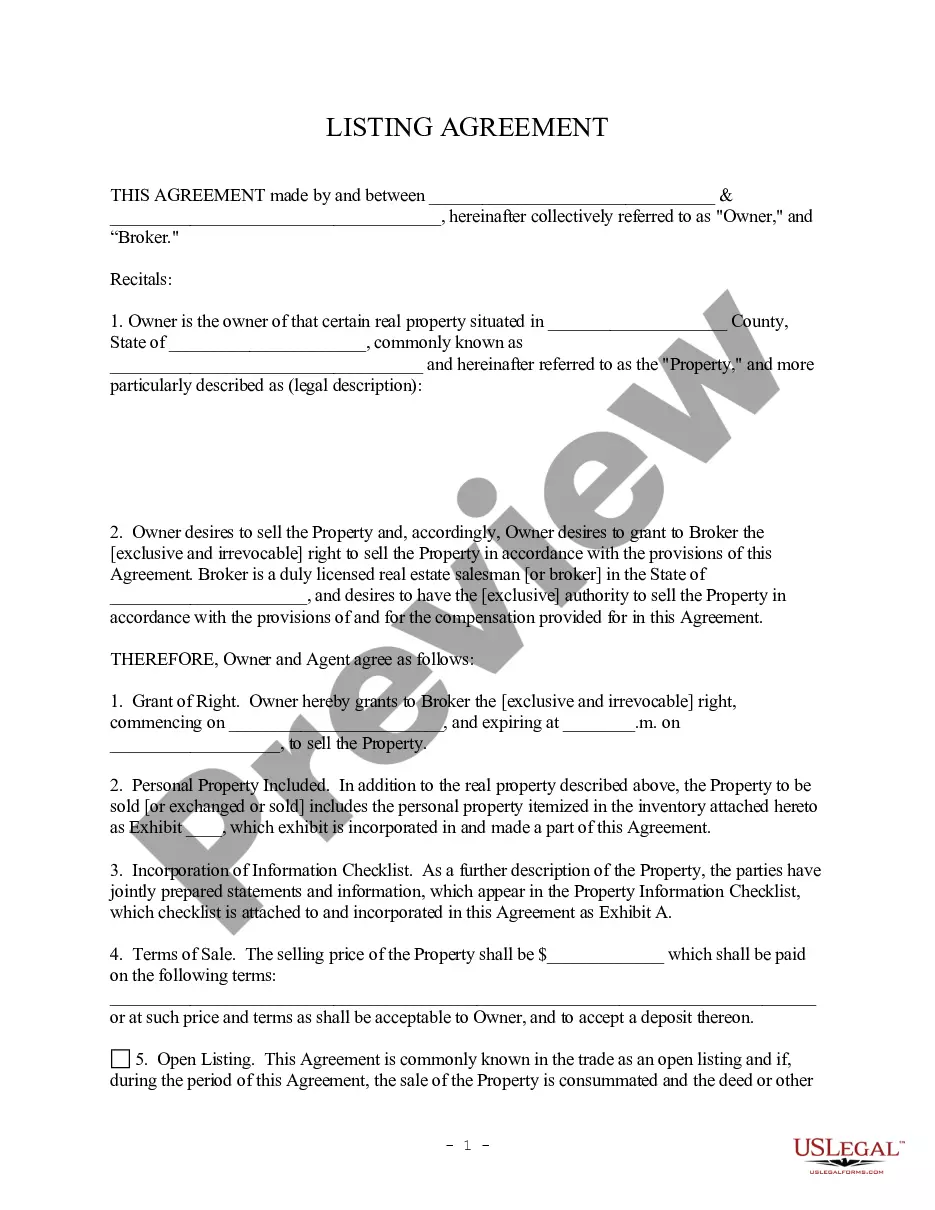
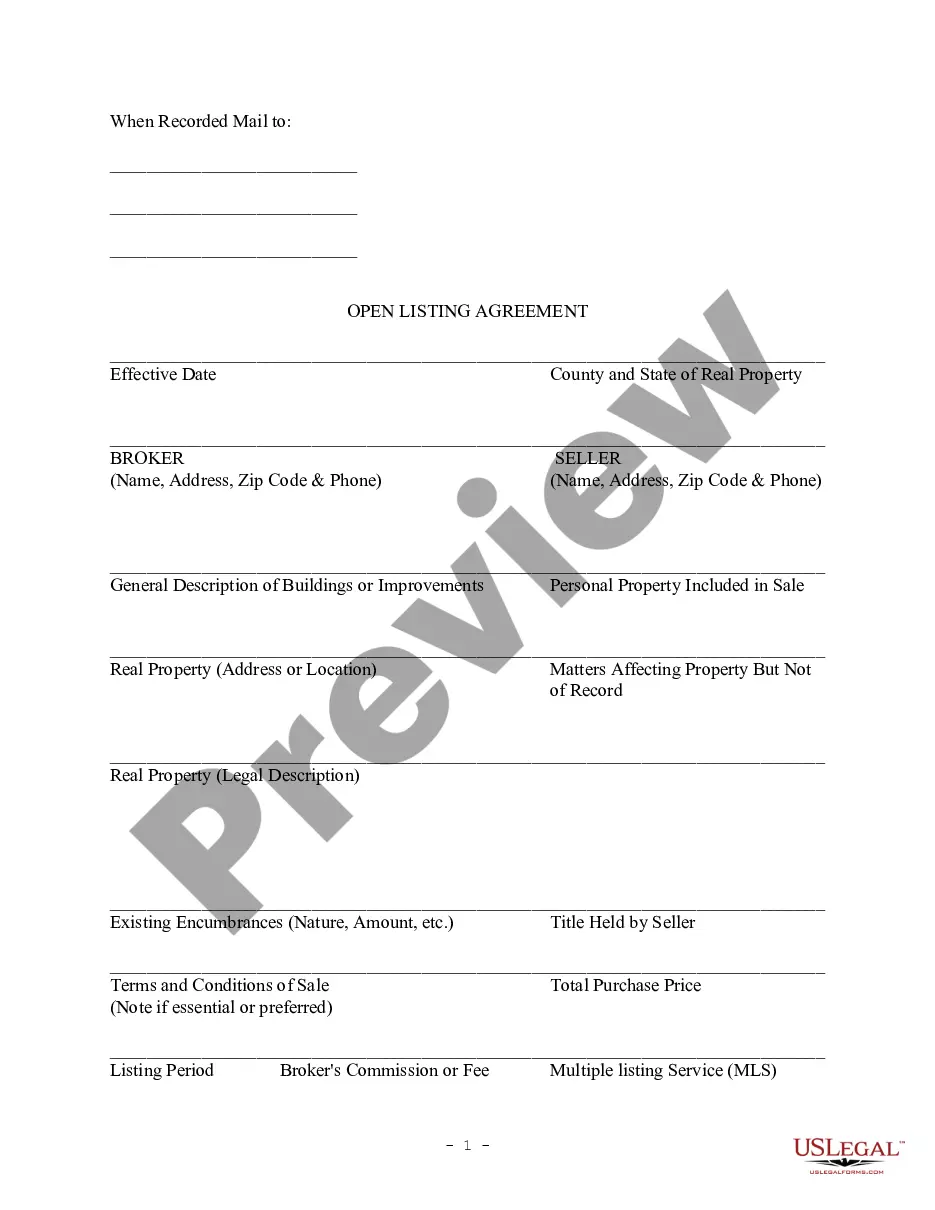
time showing agreement is an agreement between the buyer's agent and the seller. The agreement is subject to the showing of property to potential buyers and, if someone buys the property, the buyer's agent gets the commission.
New MLS Rule for Showing Properties: ing to Rule 5.0. 1, an executed buyer representation agreement is now mandatory before showing a property to a buyer you are working with (this rule does not apply to tenants). This emphasizes the importance of formal agreements early in the client relationship.
A buyer representation agreement is a contract between a real estate agent and the buyer to form an exclusive representation relationship. The contracted agent acts as the buyer's agent in the real estate transaction. The buyer gets the agent's expertise in locating a property and real estate negotiations.
The requirement that all listing agreements have a definite expiration date is typically the responsibility of state real estate licensing laws and regulations. Each state has its own laws and regulations governing real estate transactions, including listing agreements between sellers and real estate agents.
The principal parties to the contract are the listing broker and the client. The client may be buyer, seller, landlord or tenant in the proposed transaction. Legally, the broker is the client's agent. The principal party on the other side of the transaction is a customer or a potential customer, called a prospect.
A listing agreement is between the parties that own a property and the agents or brokers who will find a buyer for it. Typically, a real estate listing agreement involves the property owner and a real estate agent. The property owner, or seller, grants the agent the right to market and sell the property.

