Corporation Personal Held Within A Corporation In Kings
Description

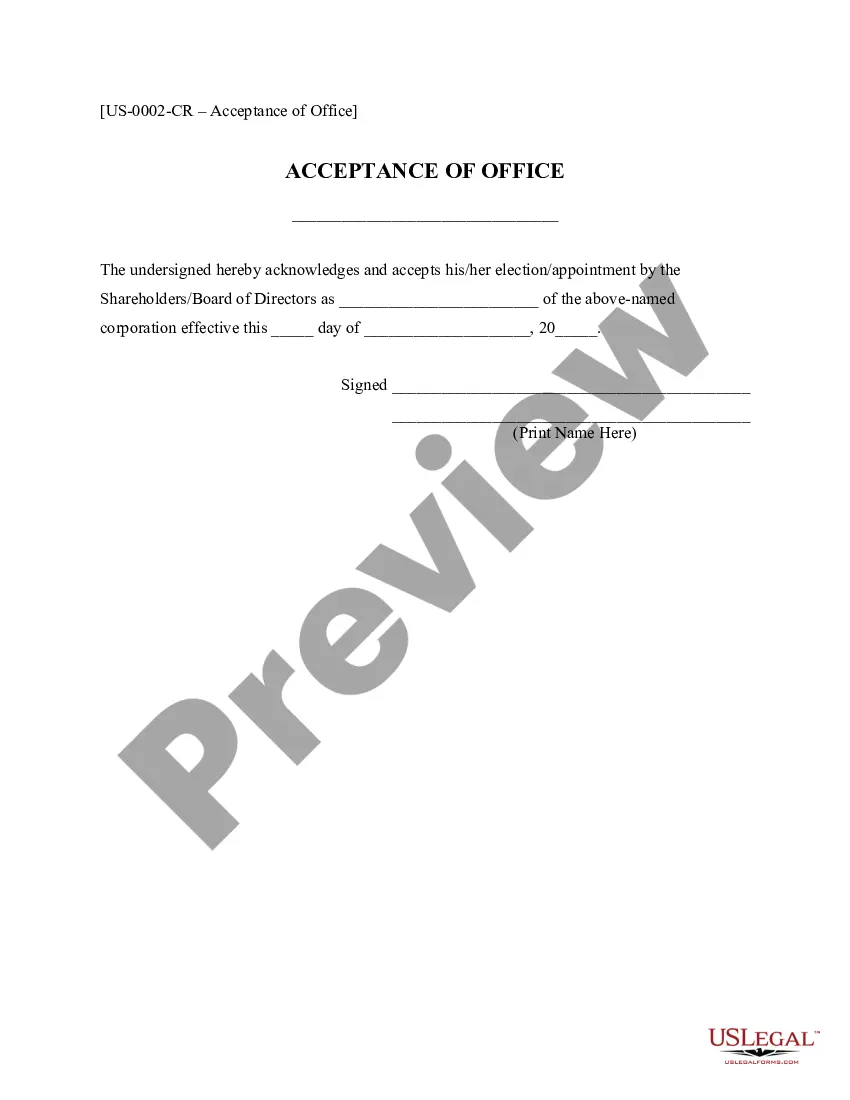
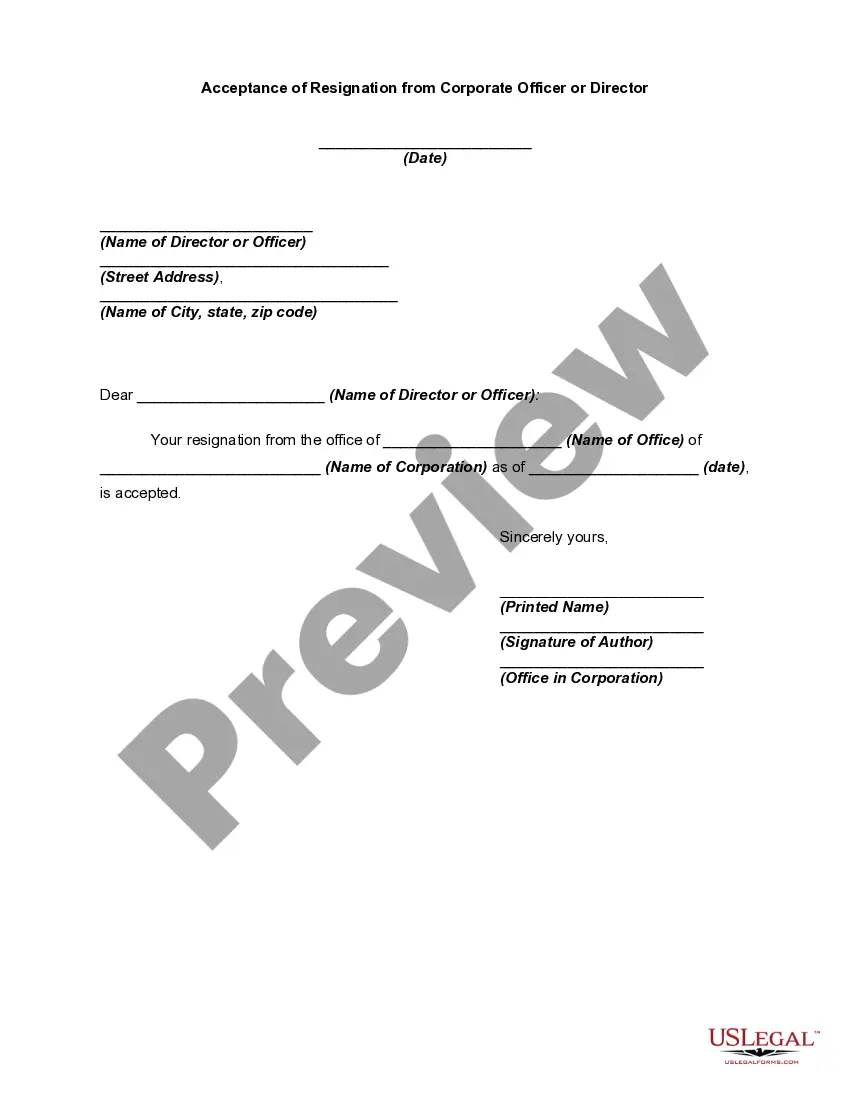
Get your form ready online
Our built-in tools help you complete, sign, share, and store your documents in one place.
Make edits, fill in missing information, and update formatting in US Legal Forms—just like you would in MS Word.
Download a copy, print it, send it by email, or mail it via USPS—whatever works best for your next step.
Sign and collect signatures with our SignNow integration. Send to multiple recipients, set reminders, and more. Go Premium to unlock E-Sign.
If this form requires notarization, complete it online through a secure video call—no need to meet a notary in person or wait for an appointment.
We protect your documents and personal data by following strict security and privacy standards.

Make edits, fill in missing information, and update formatting in US Legal Forms—just like you would in MS Word.

Download a copy, print it, send it by email, or mail it via USPS—whatever works best for your next step.

Sign and collect signatures with our SignNow integration. Send to multiple recipients, set reminders, and more. Go Premium to unlock E-Sign.

If this form requires notarization, complete it online through a secure video call—no need to meet a notary in person or wait for an appointment.

We protect your documents and personal data by following strict security and privacy standards.
Looking for another form?










Form popularity
FAQ
A corporation will be considered a personal holding company if it meets both the Income Test and the Stock Ownership Test. The Income Test states that at least 60% of the corporation's adjusted ordinary gross income for the tax year is from certain dividends, interest, rent, royalties, and annuities.
A closely held corporation is a company with the majority of its shares owned by a few individuals. Shares are not traded publicly on an exchange and, therefore, cannot be purchased by the public. Those who control most of the shares have a significant influence on and control of the company.
Generally, shareholders are not personally liable for the debts of the corporation. Creditors can only collect their debts by going after corporate assets. Shareholders will usually be on the hook if they cosigned or personally guaranteed the corporation's debts.
A major governance problem in closely-held corporations arising from the illiquidity of shares is the majority shareholders' expropriation of minority shareholders. As a solution, legal and finance research recommends that the main shareholder surrender some control to minority shareholders via ownership rights.
At-risk rules are tax shelter laws that limit the amount of allowable deductions that an individual or closely held corporation can claim for tax purposes as a result of engaging in specific activities–referred to as at-risk activities–that can result in financial losses.
Once established, a corporation stands as a separate legal entity from its owners. Therefore, its legal and financial liabilities do not put its owners' belongings at risk.
Disadvantages of a Close Corporation Growth and Expansion Limitations. Generally, shareholders face strict rules regarding whom they may sell or transfer their shares to. Potential Tax Downsides. Not Available Everywhere.
At law, a corporation is a separate legal person and is therefore distinct from its shareholders, officers, directors, agents, and employees. Incorporating your business helps limit your personal liability and shield your personal assets from risk.
A corporation will be considered a personal holding company if it meets both the Income Test and the Stock Ownership Test. The Income Test states that at least 60% of the corporation's adjusted ordinary gross income for the tax year is from certain dividends, interest, rent, royalties, and annuities.
Corporation – By conducting business through a corporation, a company takes on a separate and distinct legal personality and becomes its own separate legal entity. Shareholders (the owners of the company) avoid any personal liability for the debts of the corporation.

