Corporation Personal Held Within A Corporation In Fairfax
Description

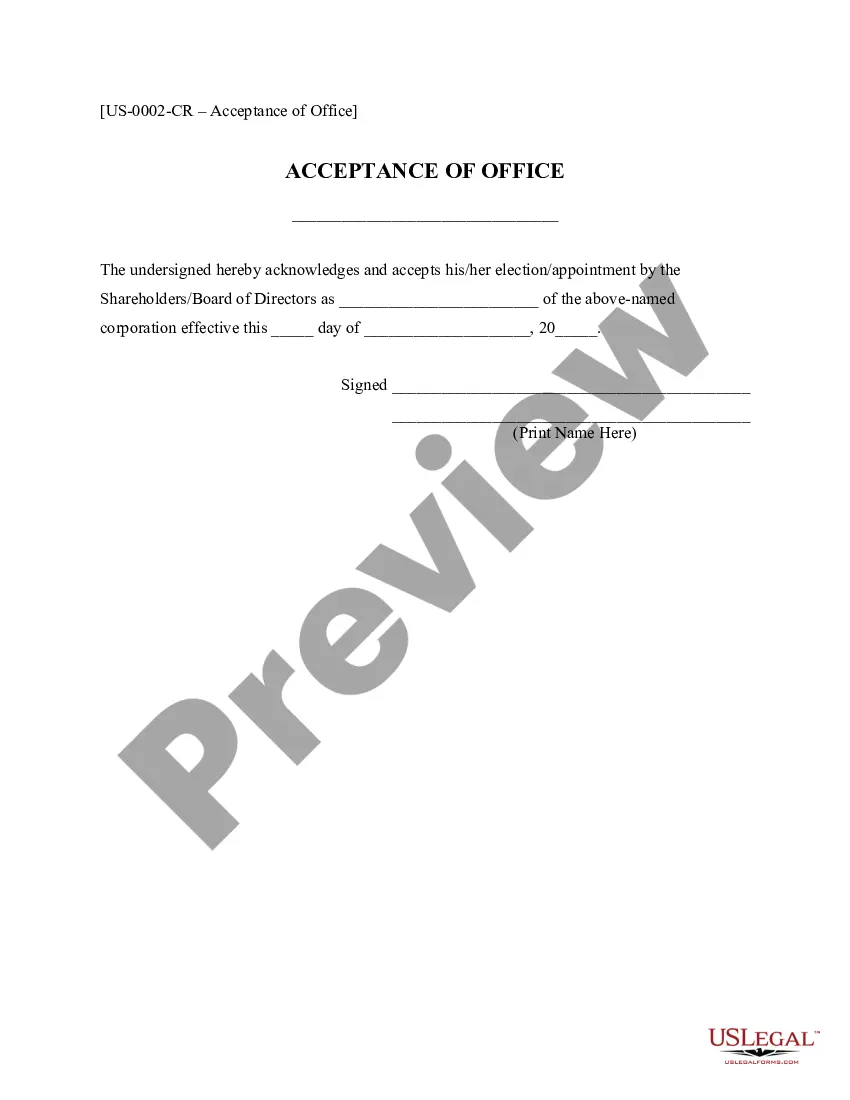
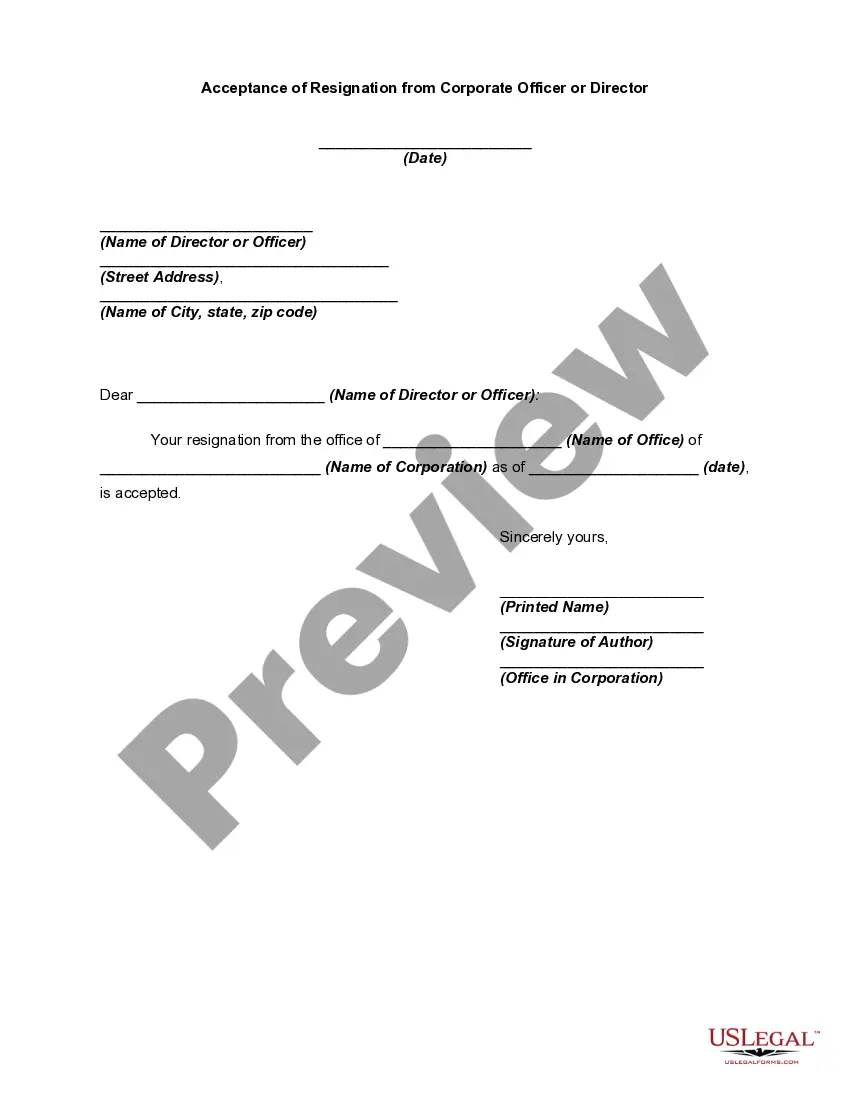
Get your form ready online
Our built-in tools help you complete, sign, share, and store your documents in one place.
Make edits, fill in missing information, and update formatting in US Legal Forms—just like you would in MS Word.
Download a copy, print it, send it by email, or mail it via USPS—whatever works best for your next step.
Sign and collect signatures with our SignNow integration. Send to multiple recipients, set reminders, and more. Go Premium to unlock E-Sign.
If this form requires notarization, complete it online through a secure video call—no need to meet a notary in person or wait for an appointment.
We protect your documents and personal data by following strict security and privacy standards.

Make edits, fill in missing information, and update formatting in US Legal Forms—just like you would in MS Word.

Download a copy, print it, send it by email, or mail it via USPS—whatever works best for your next step.

Sign and collect signatures with our SignNow integration. Send to multiple recipients, set reminders, and more. Go Premium to unlock E-Sign.

If this form requires notarization, complete it online through a secure video call—no need to meet a notary in person or wait for an appointment.

We protect your documents and personal data by following strict security and privacy standards.
Looking for another form?




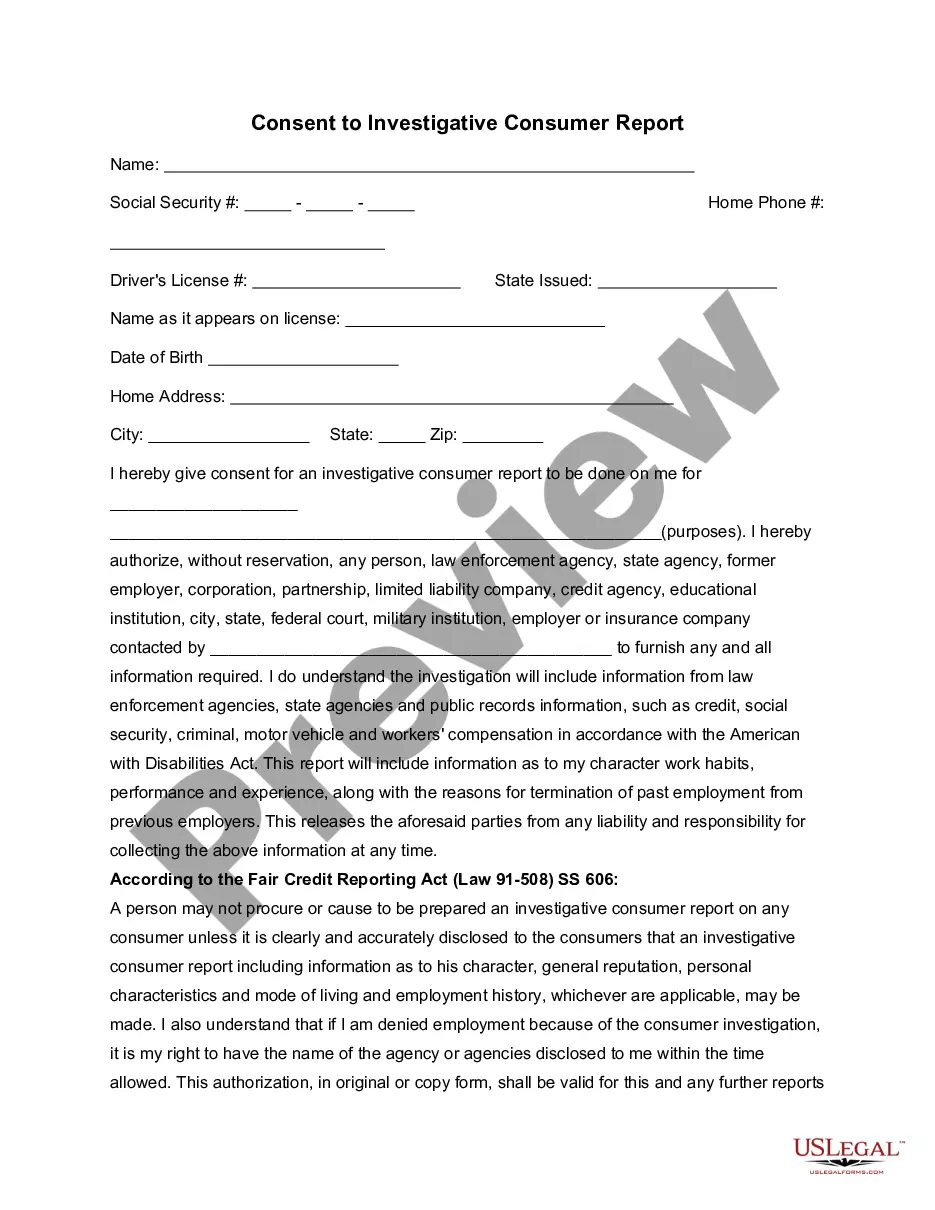

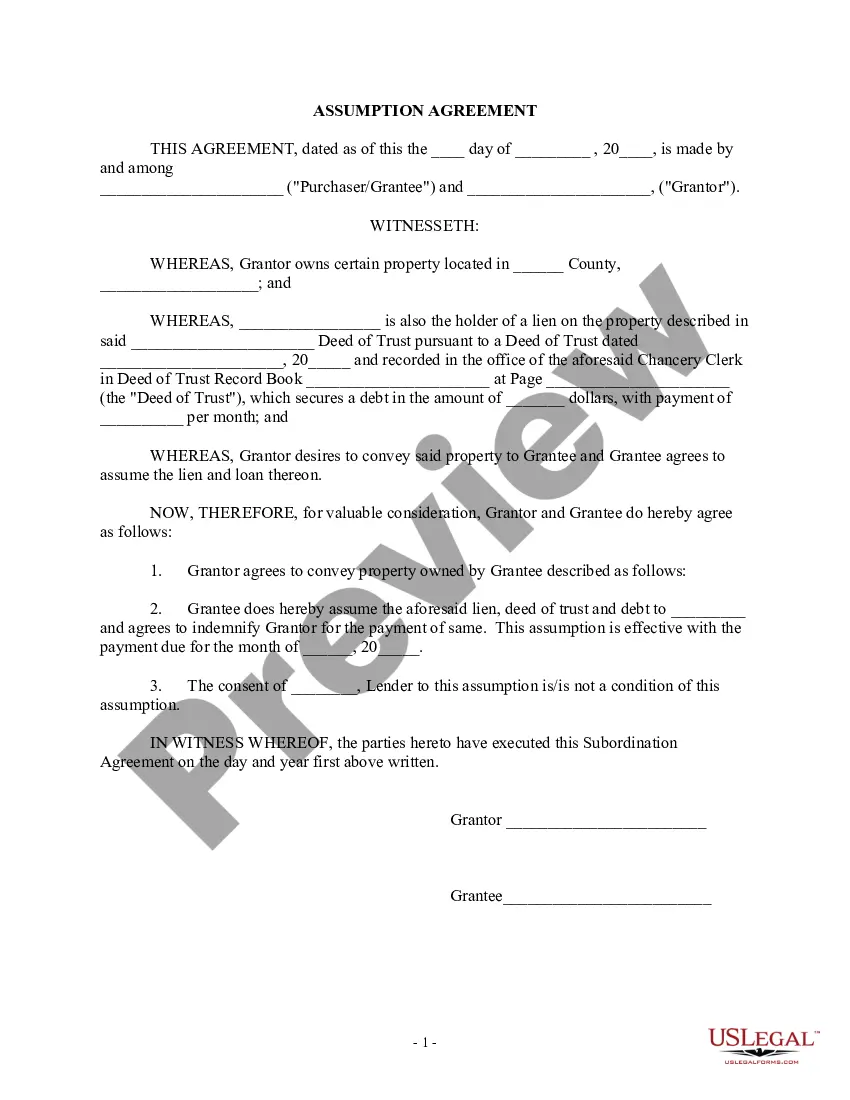



Form popularity
FAQ
File Schedule C (Form 1040 or Form 1040-SR), Profit or Loss From Business, with your individual tax return for the year you close your business.
Business closures typically require documentation, which can include lease terminations, bills of sale, a copy of the business license from the new county of business, cancellation, and/or final tax returns (which must be marked as final).
All business owners, including owners of home-based businesses, are subject to the BPOL tax. Business owners are required to register their business with the Department of Tax Administration (DTA) within 75 days of beginning business operations in Fairfax County.
Closing a business generally occurs in three steps: (1) voting to dissolve the business and making a plan, (2) winding up the business's operations by distributing all assets to creditors and owners, and (3) submitting some paperwork to the Virginia SCC.
Business Personal Property Tax is a tax assessed on tangible personal property businesses own. This type of property includes equipment, furniture, computers, machinery, and inventory, among other items not permanently attached to a building or land.
What is considered individual personal property? Virginia State Code Section § 58.1-3503 defines personal property as automobiles, trucks, manufactured homes, motorcycles, recreational vehicles, boats, trailers, and aircraft.
Follow these steps to closing your business: Decide to close. File dissolution documents. Cancel registrations, permits, licenses, and business names. Comply with employment and labor laws. Resolve financial obligations. Maintain records.
Virginia State Code Section 58.1-3503(17) defines business personal property as all tangible personal property employed in a trade or a business. Businesses are assessed on, but not limited to, office furniture, fixtures, equipment, machinery and tools, and merchants capital.
When a tax due date falls on a weekend, it automatically extends to the next business day. The personal property tax rate is 3.96% of assessed value for calendar year 2024. A mobile home classified as personal property is taxed at real estate tax rate at 0.854% of assessed value for calendar year 2024.

