Corporation Personal Held With Temperature Control In Chicago
Description

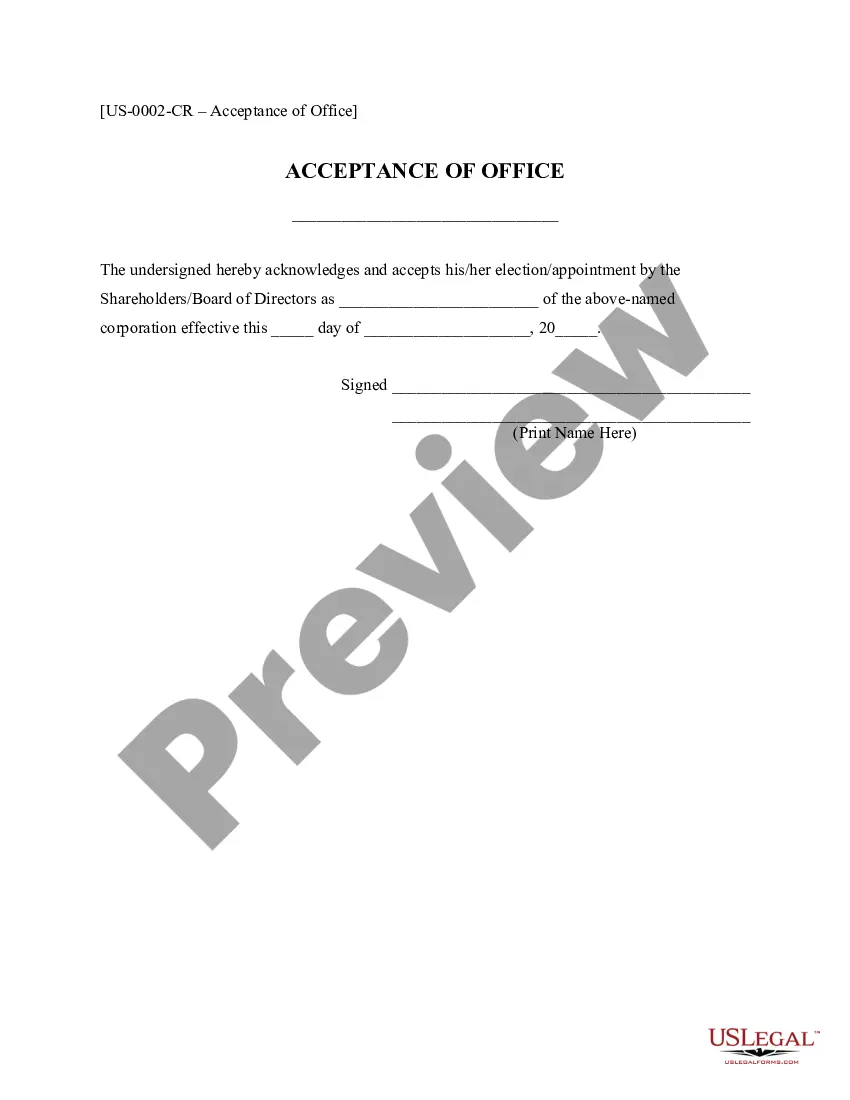
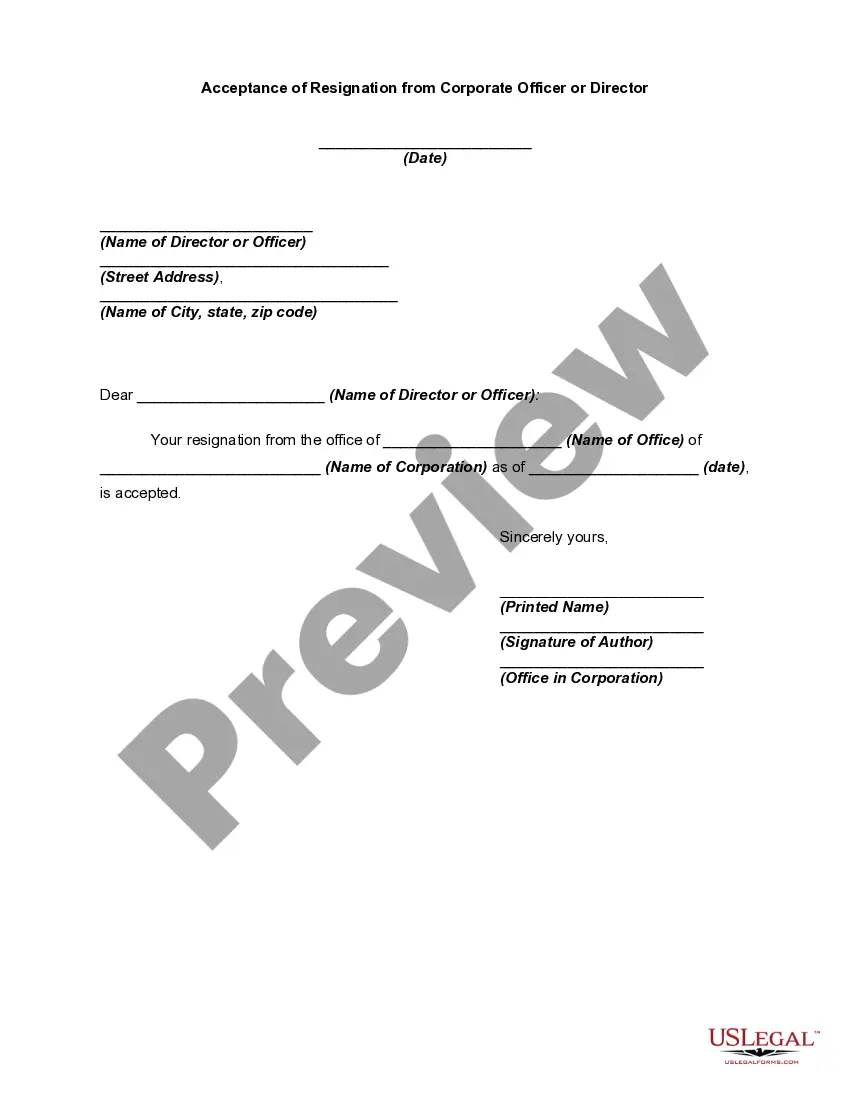
Get your form ready online
Our built-in tools help you complete, sign, share, and store your documents in one place.
Make edits, fill in missing information, and update formatting in US Legal Forms—just like you would in MS Word.
Download a copy, print it, send it by email, or mail it via USPS—whatever works best for your next step.
Sign and collect signatures with our SignNow integration. Send to multiple recipients, set reminders, and more. Go Premium to unlock E-Sign.
If this form requires notarization, complete it online through a secure video call—no need to meet a notary in person or wait for an appointment.
We protect your documents and personal data by following strict security and privacy standards.

Make edits, fill in missing information, and update formatting in US Legal Forms—just like you would in MS Word.

Download a copy, print it, send it by email, or mail it via USPS—whatever works best for your next step.

Sign and collect signatures with our SignNow integration. Send to multiple recipients, set reminders, and more. Go Premium to unlock E-Sign.

If this form requires notarization, complete it online through a secure video call—no need to meet a notary in person or wait for an appointment.

We protect your documents and personal data by following strict security and privacy standards.
Looking for another form?










Form popularity
FAQ
October 1 through May 31 is the heating season in Illinois, during which landlords must keep rental units at a specific temperature. Between 6 a.m. and 10 p.m. or if the outside temperature drops below 55 degrees Fahrenheit, the heating system has to keep the interior temperature at least 68 degrees.
Illinois landlords do have to provide heating for rental properties. They don't have to provide air conditioning.
In June 2022, the Chicago City Council adopted an ordinance requiring certain new and existing residential buildings to air conditioning equipment in indoor common gathering areas and to make these areas available to building residents as cooling centers when the outdoor heat index exceeds 80°F.
In June 2022, the Chicago City Council adopted an ordinance requiring certain new and existing residential buildings to air conditioning equipment in indoor common gathering areas and to make these areas available to building residents as cooling centers when the outdoor heat index exceeds 80°F.
In June 2022, the Chicago City Council adopted an ordinance requiring certain new and existing residential buildings to air conditioning equipment in indoor common gathering areas and to make these areas available to building residents as cooling centers when the outdoor heat index exceeds 80°F.
For residential buildings with central heating and cooling provided by a single system (sometimes called “two-pipe” buildings), the indoor temperature is required to be at least 68°F from a.m. to p.m. and at least 66°F from p.m. to a.m. for most of the heat season.
While heat is a requirement in California, air conditioning is not. But if the landlord included an air conditioner in your unit when you moved in, the landlord is contractually obligated to ensure it works.
Chicago's Heat Ordinance requires that from September 15th to June 1st, rental units must be supplied with heat in order to achieve the following minimum temperatures: 68 degrees from a.m. to p.m. 66 degrees from p.m. to a.m.
In the state of Illinois, landlords have 14 days to respond to a repair request. This is on par with many other Midwestern states, including Kansas and Kentucky, which also provide a full two weeks for landlords to respond to their tenants' repair needs.
31: (i) between 6 a.m. and 10 p.m., heat must register at least 68 degrees Fahrenheit when the outside temperature falls below 55 degrees Fahrenheit, and (ii) between 10 p.m. and 6 a.m., heat must register at least 62 degrees Fahrenheit.

