Acceptance Letter In Spanish In Pennsylvania
Description
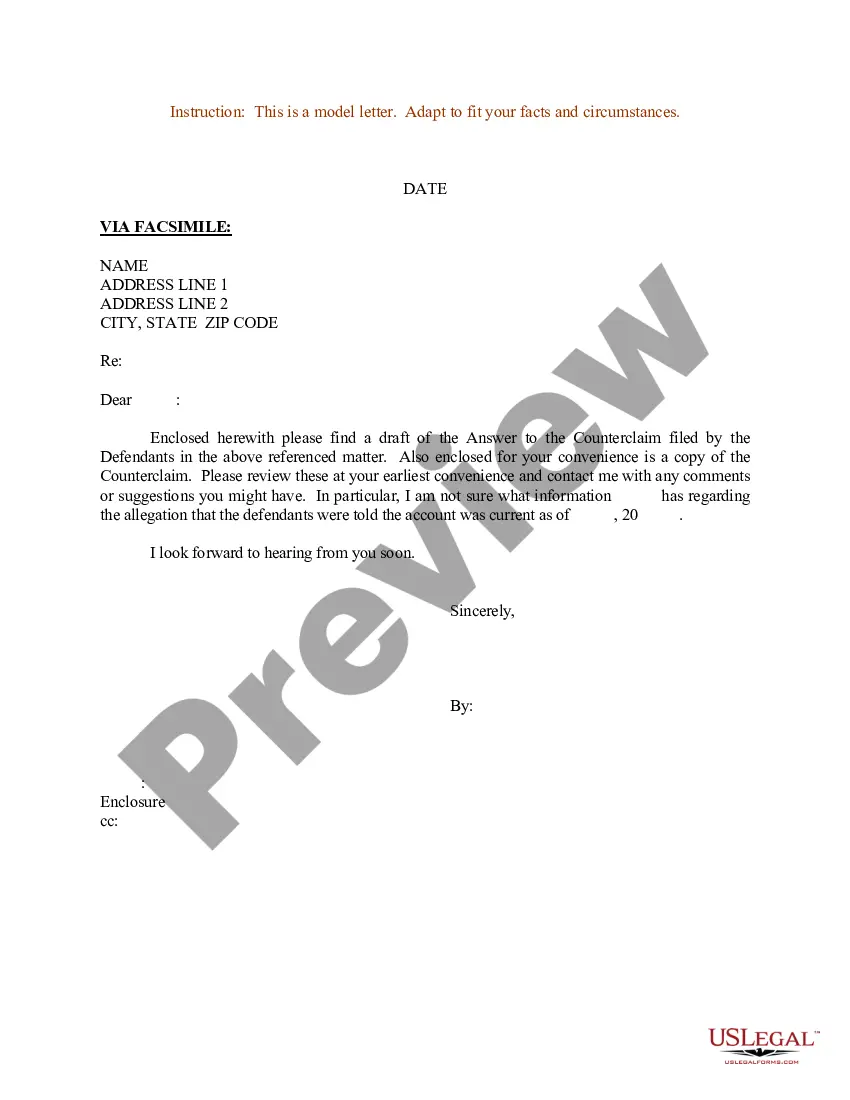
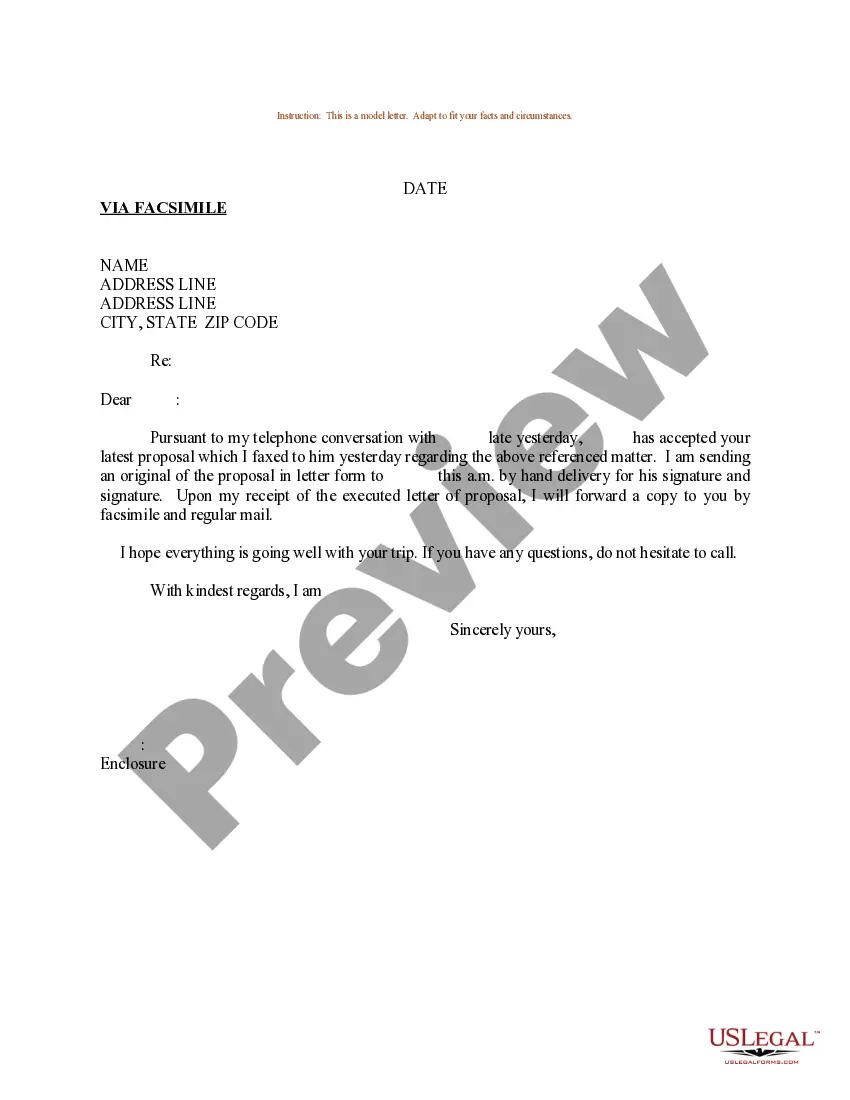
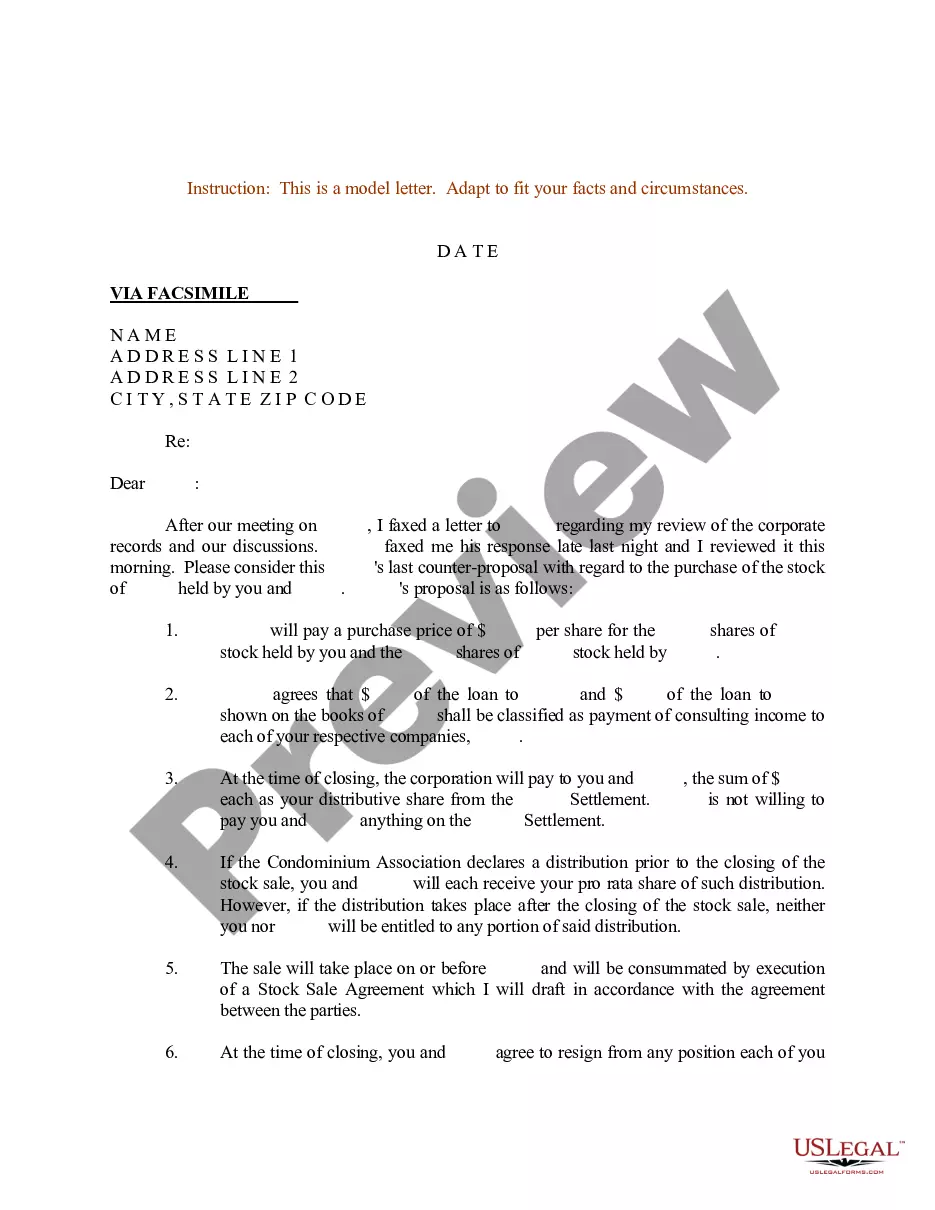
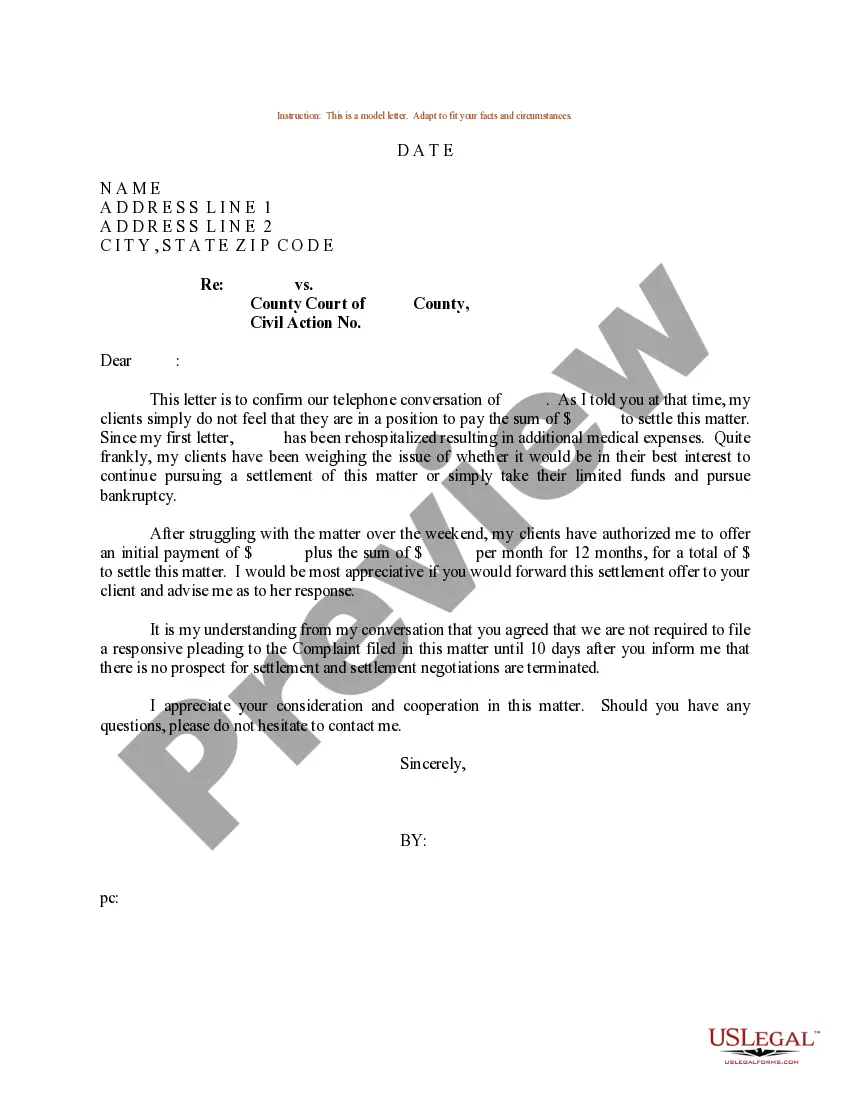
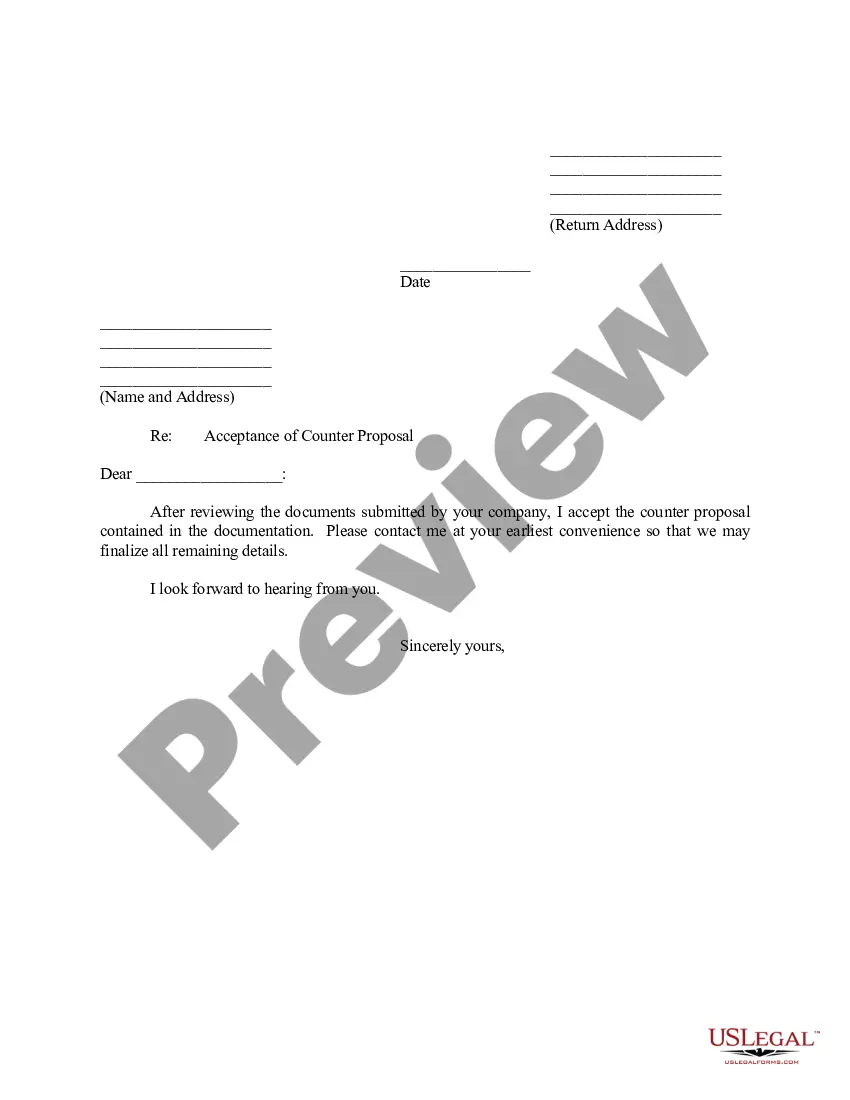
Get your form ready online
Our built-in tools help you complete, sign, share, and store your documents in one place.
Make edits, fill in missing information, and update formatting in US Legal Forms—just like you would in MS Word.
Download a copy, print it, send it by email, or mail it via USPS—whatever works best for your next step.
Sign and collect signatures with our SignNow integration. Send to multiple recipients, set reminders, and more. Go Premium to unlock E-Sign.
If this form requires notarization, complete it online through a secure video call—no need to meet a notary in person or wait for an appointment.
We protect your documents and personal data by following strict security and privacy standards.

Make edits, fill in missing information, and update formatting in US Legal Forms—just like you would in MS Word.

Download a copy, print it, send it by email, or mail it via USPS—whatever works best for your next step.

Sign and collect signatures with our SignNow integration. Send to multiple recipients, set reminders, and more. Go Premium to unlock E-Sign.

If this form requires notarization, complete it online through a secure video call—no need to meet a notary in person or wait for an appointment.

We protect your documents and personal data by following strict security and privacy standards.
Looking for another form?










Form popularity
FAQ
An Apostille (Certificate) is a square approximately 9cm long, usually stamped onto the reverse side of a single page public document. It is formatted into numbered fields to allow certified data to be identified by the receiving country, regardless of the official language of the issuing country.
Apostilles are designed for international use, ensuring that documents are legally recognized in foreign countries. Notarization, conversely, is a process that primarily validates documents for use within a specific jurisdiction or country.
An Apostille (Certificate) is a square approximately 9cm long, usually stamped onto the reverse side of a single page public document. It is formatted into numbered fields to allow certified data to be identified by the receiving country, regardless of the official language of the issuing country.
The Clerks and Deputy Clerks of the United States of America are authorized to issue apostilles on documents issued by those courts. As an alternative, the US Department of Justice may authenticate the US Department of State's Authentications Office for an apostille on that seal.
An Apostille is a certificate that authenticates the origin of a public document. It is issued by a country that is party to the Apostille Convention to be used in another country which is also a party to the Convention. On , the Philippines became a party to the Apostille Convention.
An apostille is issued by your Secretary of State's office or Notary commissioning agency. The single apostille is the only certification needed. Once prepared and verified, the apostille is attached to and sent along with the notarized documents. Notaries cannot issue apostilles themselves.
You can order a certified copy of your articles and request an Apostille at the same time. Normal processing takes up to 3 days, plus additional time for mailing, and costs $15. Always provide the name of the country needing a Pennsylvania Apostille or Certificate of Authentication.
You must request a certification with the Pennsylvania Department of State by mail or in person. Submit the original notarized or certified document, contact information, and the foreign country in which the certification will be used, and the state will issue the certification.
A civil judgment can stay in the public record for years. The number of years varies by state as each has its own laws governing the statute of limitations for non-criminal judgments. In some states, a court may order records of a case to be sealed if the case meets certain qualifications.
What is a Civil Case? Civil cases include every type of legal action except criminal actions, including personal injuries, contract disputes, adoptions, divorces and faulty consumer goods.

