Master Sales Agreement With Doctors In Wake
Description





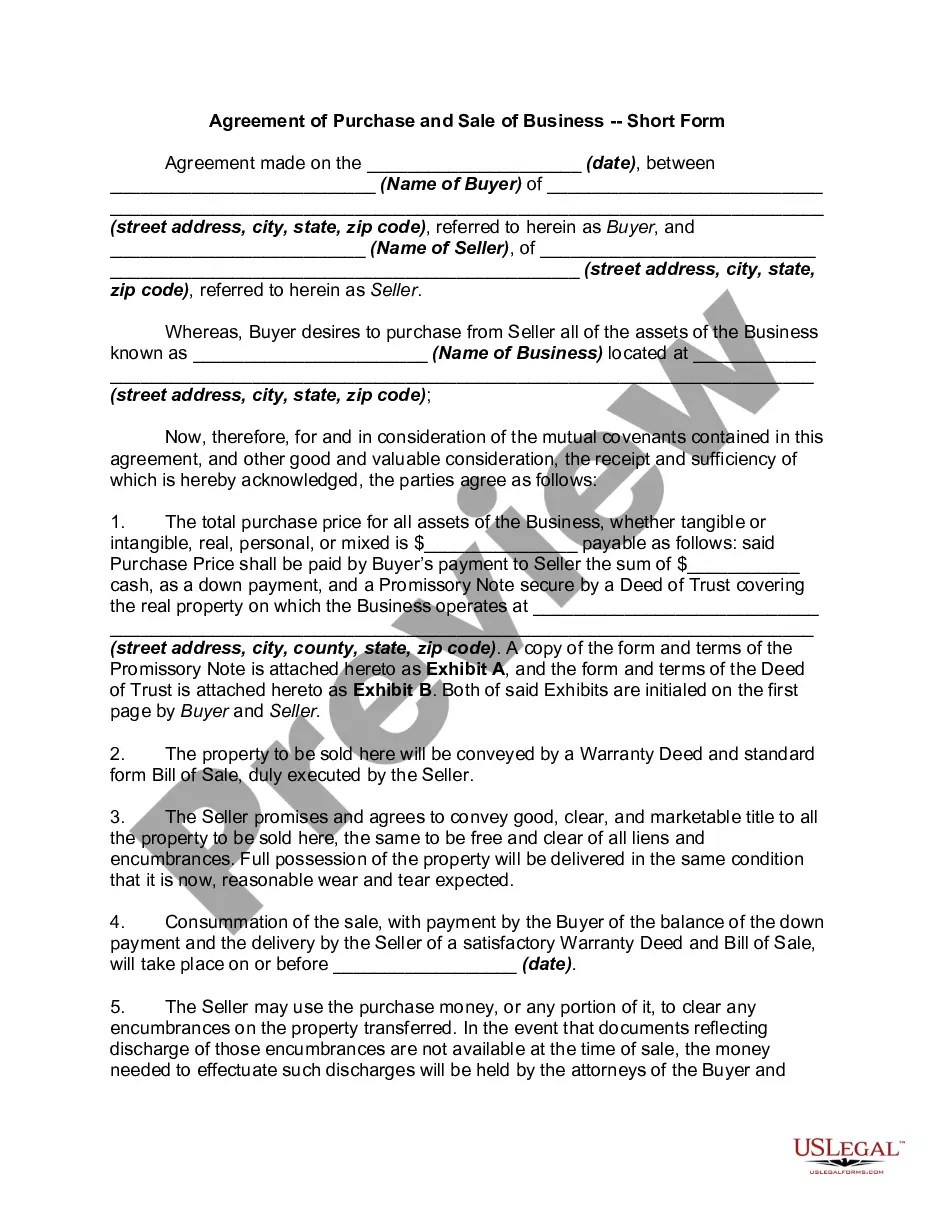
Get your form ready online
Our built-in tools help you complete, sign, share, and store your documents in one place.
Make edits, fill in missing information, and update formatting in US Legal Forms—just like you would in MS Word.
Download a copy, print it, send it by email, or mail it via USPS—whatever works best for your next step.
Sign and collect signatures with our SignNow integration. Send to multiple recipients, set reminders, and more. Go Premium to unlock E-Sign.
If this form requires notarization, complete it online through a secure video call—no need to meet a notary in person or wait for an appointment.
We protect your documents and personal data by following strict security and privacy standards.

Make edits, fill in missing information, and update formatting in US Legal Forms—just like you would in MS Word.

Download a copy, print it, send it by email, or mail it via USPS—whatever works best for your next step.

Sign and collect signatures with our SignNow integration. Send to multiple recipients, set reminders, and more. Go Premium to unlock E-Sign.

If this form requires notarization, complete it online through a secure video call—no need to meet a notary in person or wait for an appointment.

We protect your documents and personal data by following strict security and privacy standards.
Looking for another form?

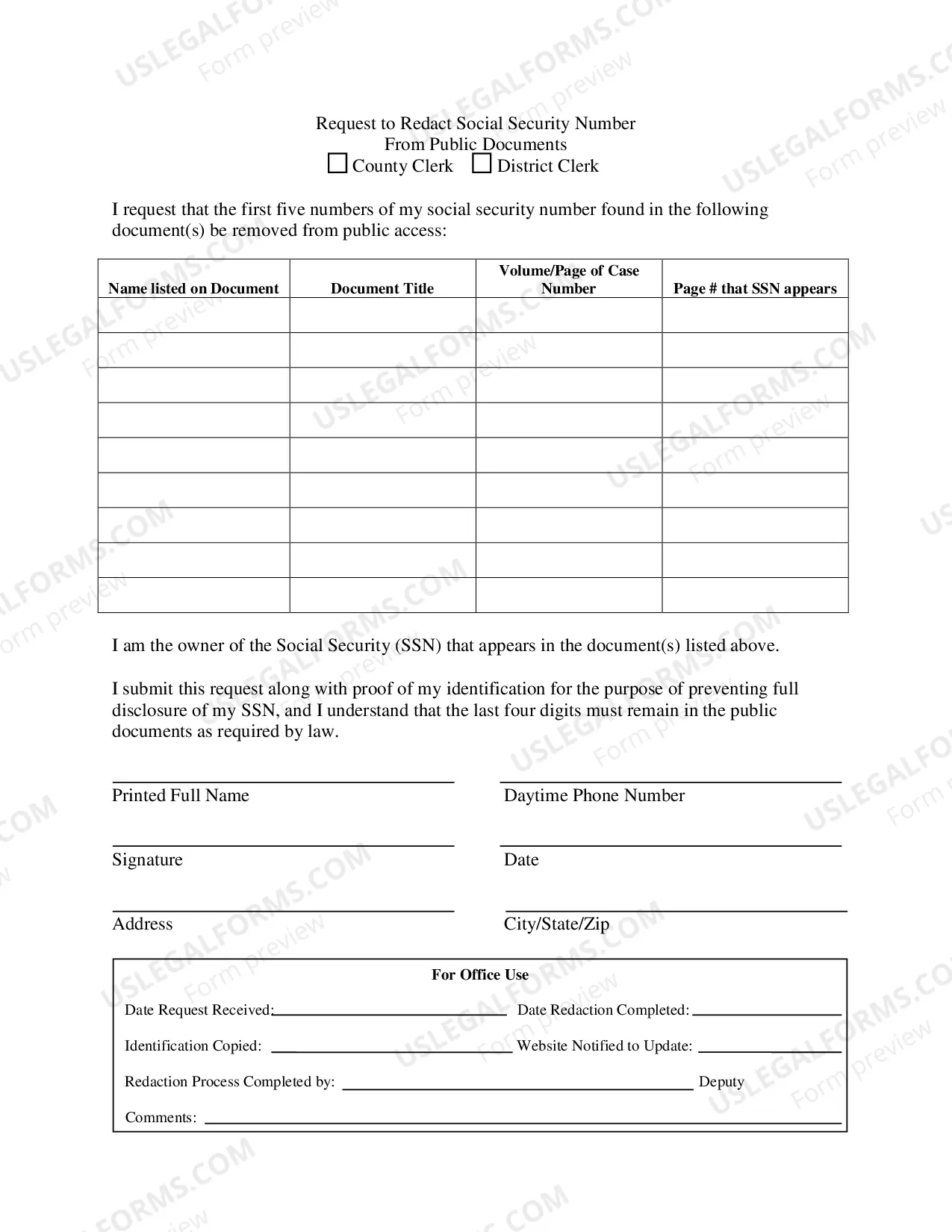
Form popularity
FAQ
What does an MSA typically include? A. A master services agreement (MSA) is a contract that defines the terms under which future work will be completed. Specific work is then typically handled under a statement of work or SOW.
A master service agreement (MSA) is a fundamental contract outlining the scope of the relationship between two parties, including terms and conditions for current and future activities and responsibilities.
An MSA generally contains the following elements: Scope of work: ensures that both parties understand what work will be delivered. Confidentiality: protects intellectual property and other proprietary information from being disclosed. Geography: defines where the work will be performed.
The master service agreement checklist is your essential companion for confidently handling complex master service agreements (MSAs). It makes creating, reviewing, or changing MSAs easier.
A PSA is focused on a specific transaction while a procurement contract governs multiple aspects of the long-term relationship between a buyer and a seller.
In the world of hospital payments, PSA refers to a physician service agreement. These types of contracts are a form of alignment between hospitals and physicians, although the physician is not employed by the hospital.
A Master Service Agreement provides a legal framework that protects the interests of both parties. The agreement clearly outlines the rights and responsibilities of each party, which can be essential in case of disputes or litigation.
A management services agreement (MSA) is a contract that facilitates the business relationship between two business entities, most often a non-physician-owned business entity and a physician-owned medical practice.
