Master Sales Agreement With Sow In Santa Clara
Description





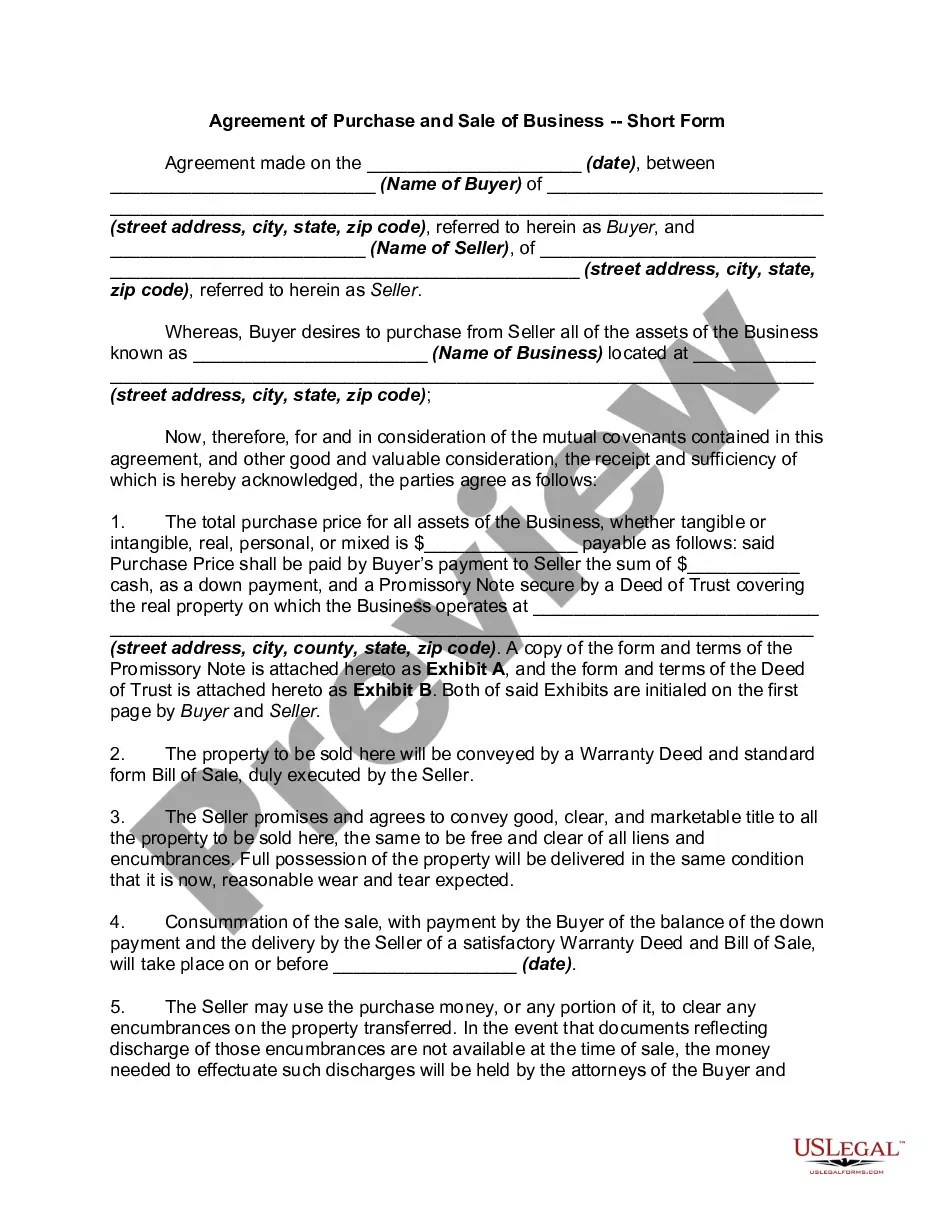
Get your form ready online
Our built-in tools help you complete, sign, share, and store your documents in one place.
Make edits, fill in missing information, and update formatting in US Legal Forms—just like you would in MS Word.
Download a copy, print it, send it by email, or mail it via USPS—whatever works best for your next step.
Sign and collect signatures with our SignNow integration. Send to multiple recipients, set reminders, and more. Go Premium to unlock E-Sign.
If this form requires notarization, complete it online through a secure video call—no need to meet a notary in person or wait for an appointment.
We protect your documents and personal data by following strict security and privacy standards.

Make edits, fill in missing information, and update formatting in US Legal Forms—just like you would in MS Word.

Download a copy, print it, send it by email, or mail it via USPS—whatever works best for your next step.

Sign and collect signatures with our SignNow integration. Send to multiple recipients, set reminders, and more. Go Premium to unlock E-Sign.

If this form requires notarization, complete it online through a secure video call—no need to meet a notary in person or wait for an appointment.

We protect your documents and personal data by following strict security and privacy standards.
Looking for another form?





Form popularity
FAQ
Specify governing law. Identify the working relationship. Clearly define the scope of work. Specify what benefits, if any, the contractor will receive. Assign intellectual property. Include confidentiality clauses. Include a termination clause.
Comparing a Master Service Agreement (MSA) vs Statement of Work (SOW) is relatively straightforward. The MSA is a comprehensive, overarching contract, while the SOW is far more detailed. Although each contract is unique, the MSA and SOW fit together to complete an agreement between two businesses.
In the IT sector, internal and external relationships are often governed by legal or quasi-legal documents. In IT and ITSM, the terms "Master Service Agreement" and "Service Level Agreement" are often used interchangeably.
Both MSAs and SOWs are used in service transaction contracts. The major difference between them is that, while an MSA sets the legal framework for the relationship between contracting parties, an SOW deals with specific projects or transactions.
An SOW is usually created under the framework of an MSA. While the MSA sets the general terms and conditions for the overall relationship, the SOW focuses on the particulars of a single project.
If they conflict, the terms of an MSA will generally supersede that of an SOW—unless the parties agree and state otherwise. Also, parties can terminate an SOW without it affecting other SOWs and the MSA the terminated SOW is under.
Service Agreements can be made between individuals, a business and an individual, or between two or more businesses. Having a Service Agreement in place is equally as important for service providers as for the receivers of services.
While the terms “master agreement” and “contract” are sometimes used interchangeably, there are subtle distinctions between the two. A master agreement is a broader agreement that sets the framework for future transactions or engagements between parties.
If you are a business that enters into multiple Master Service Agreements per year, it is to your advantage to work with a business lawyer to prepare your own Master Service Agreement template and related Statements of Work for consistency, risk mitigation and control purposes.
MSAs are contracts that formulate the basic terms between vendors and clients at the beginning of a business relationship. This initial agreement helps to speed up the negotiation process for future contracts and facilities the project management process, resulting in a more efficient and streamlined process.
