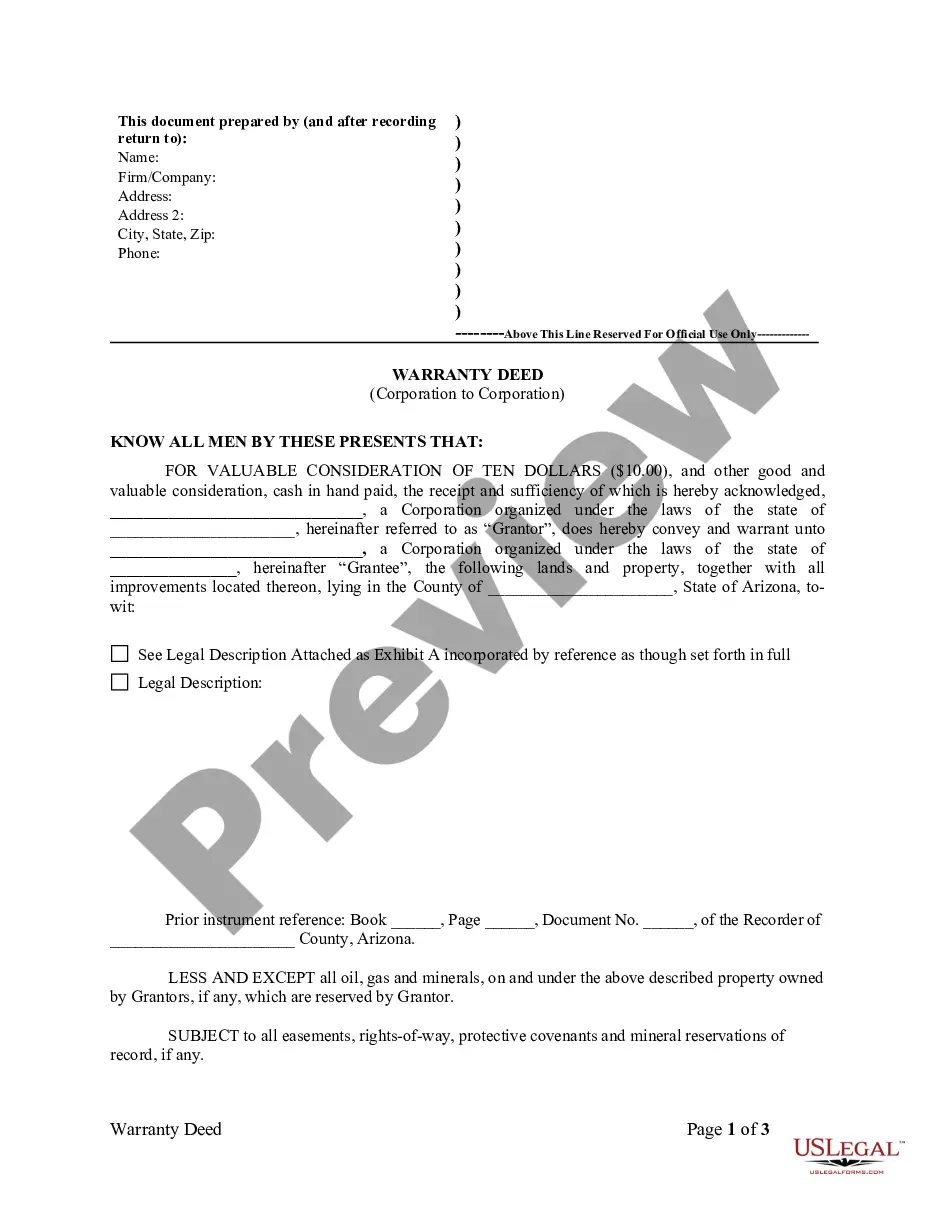
Oklahoma Quitclaim Deed from a LLC to Two Individuals
What this document covers
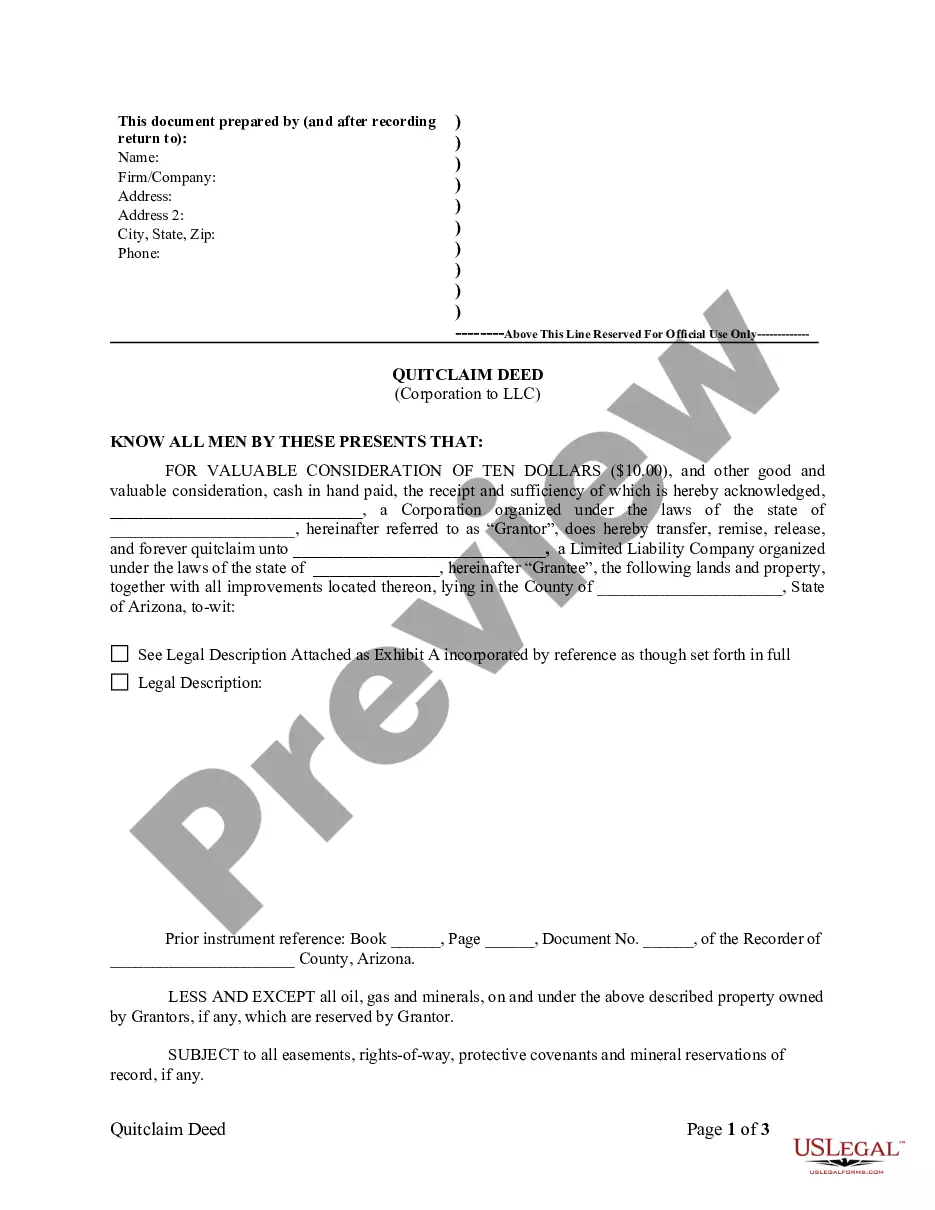
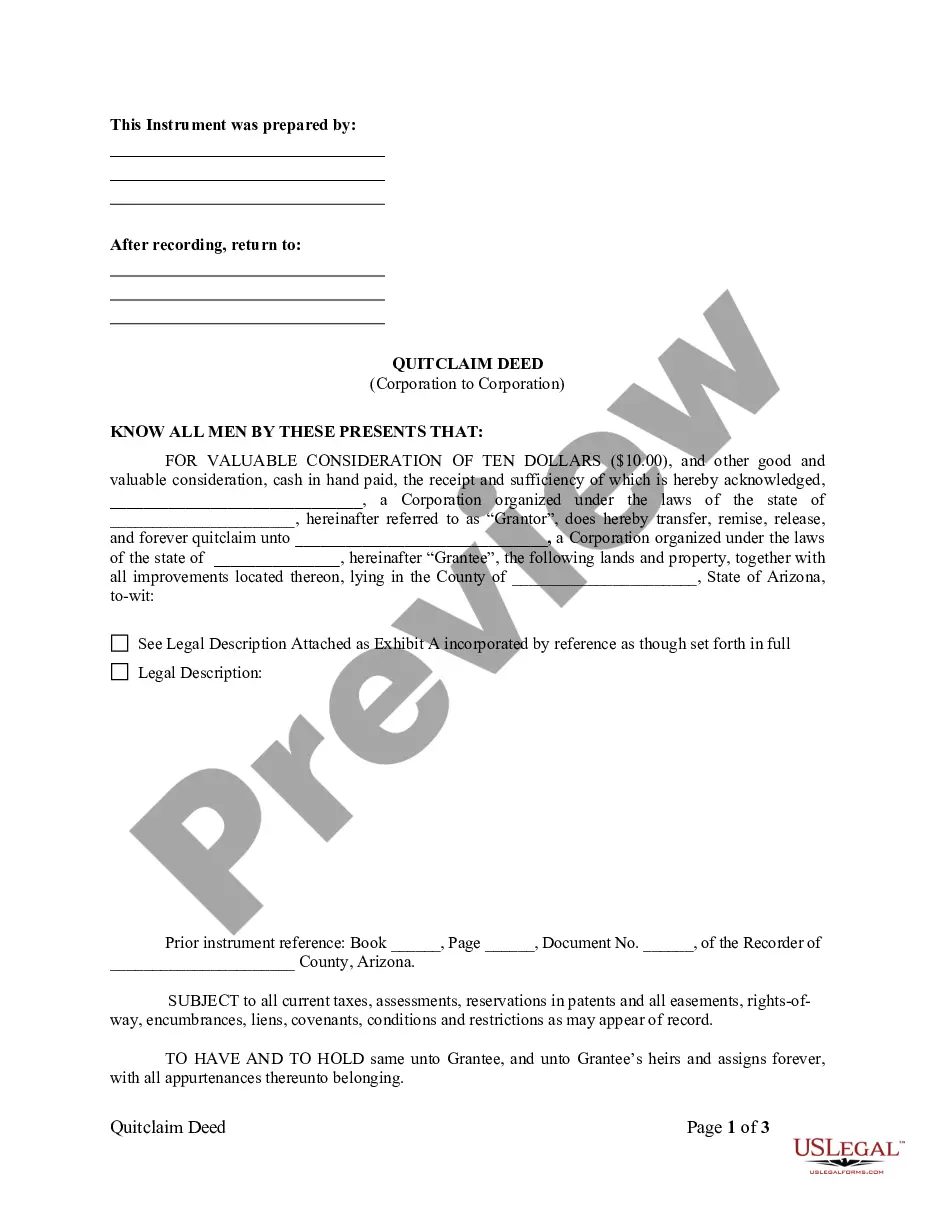
This Quitclaim Deed from a LLC to Two Individuals is a legal document that allows a limited liability company (LLC) to transfer ownership of a property to two individuals without making any guarantees about the title. Unlike a warranty deed, which includes warranties about the property's title, this quitclaim deed simply conveys whatever interest the LLC holds in the property. This form is essential for those looking to ensure a straightforward transfer of property rights while avoiding potential legal complications.
Form components explained
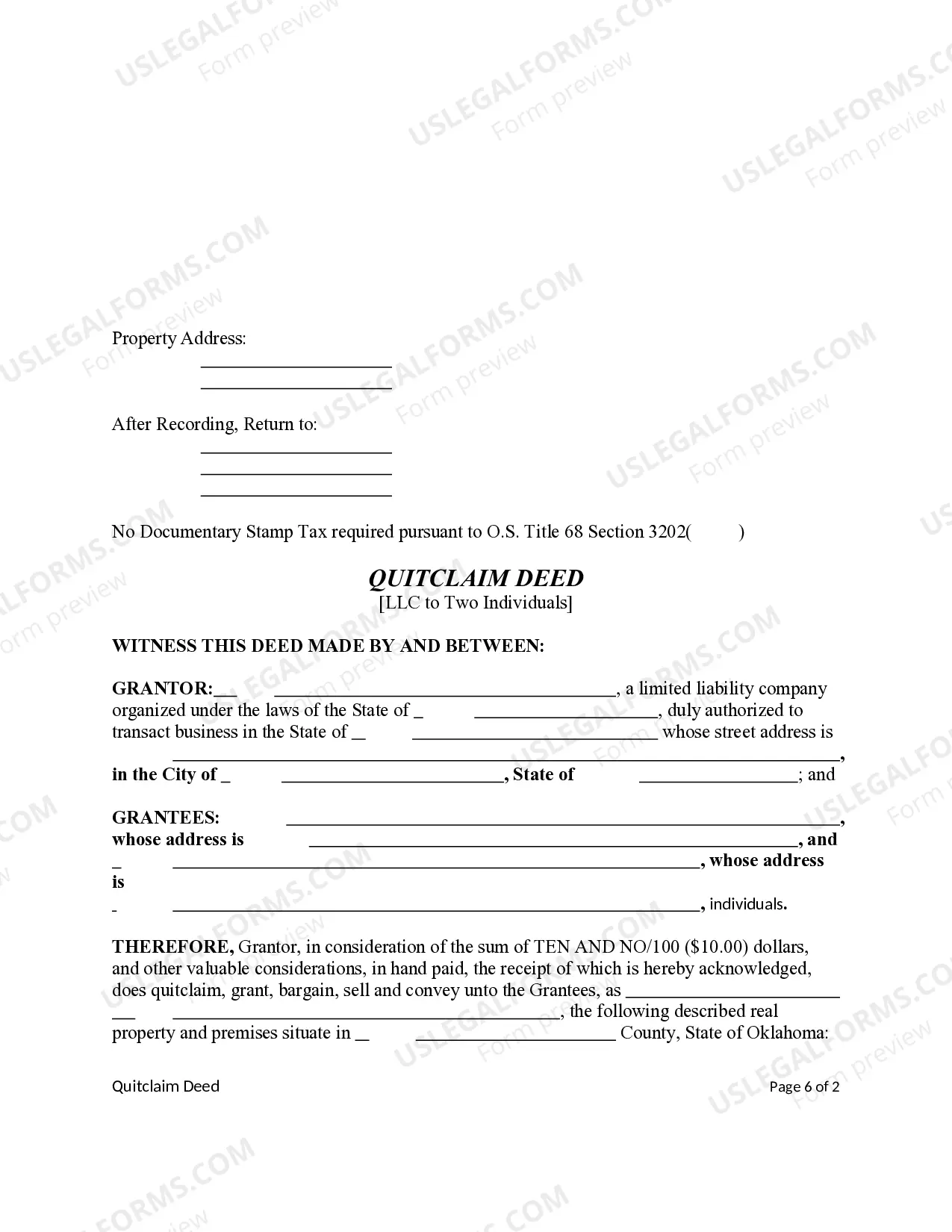
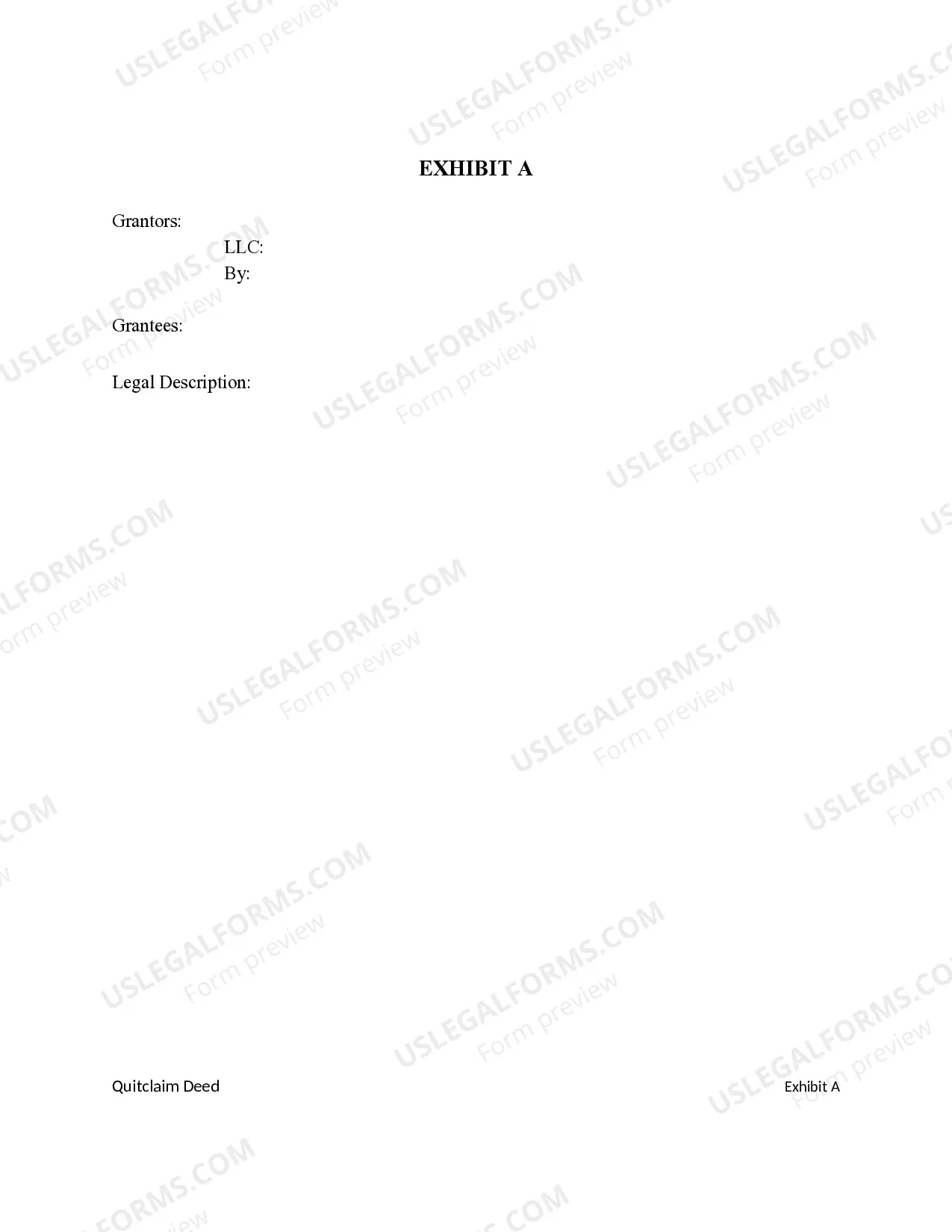
- Details of the Grantor (the LLC) and Grantees (the two individuals).
- Description of the property being transferred.
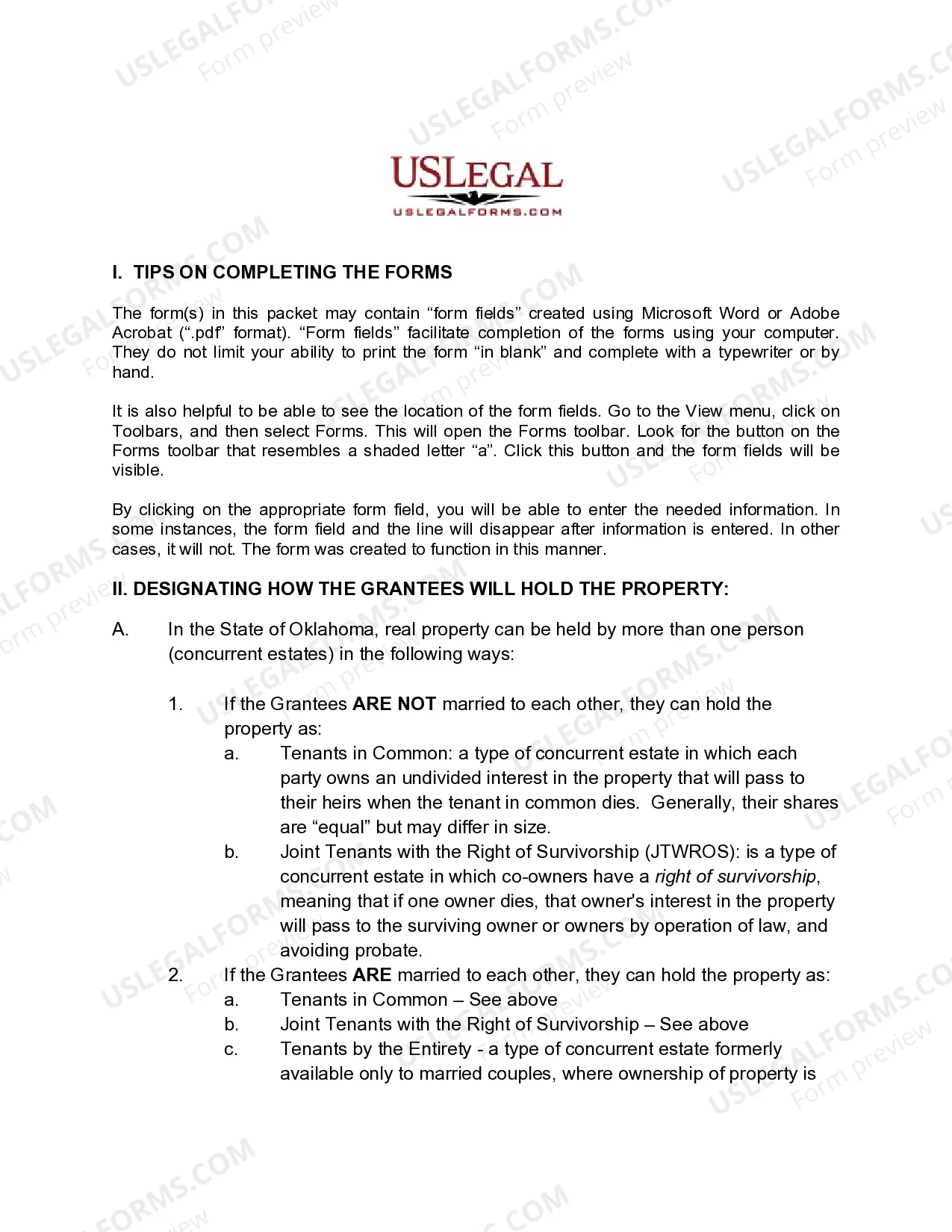
- Designation of how the Grantees will hold the property (e.g., tenants in common, joint tenants with right of survivorship).
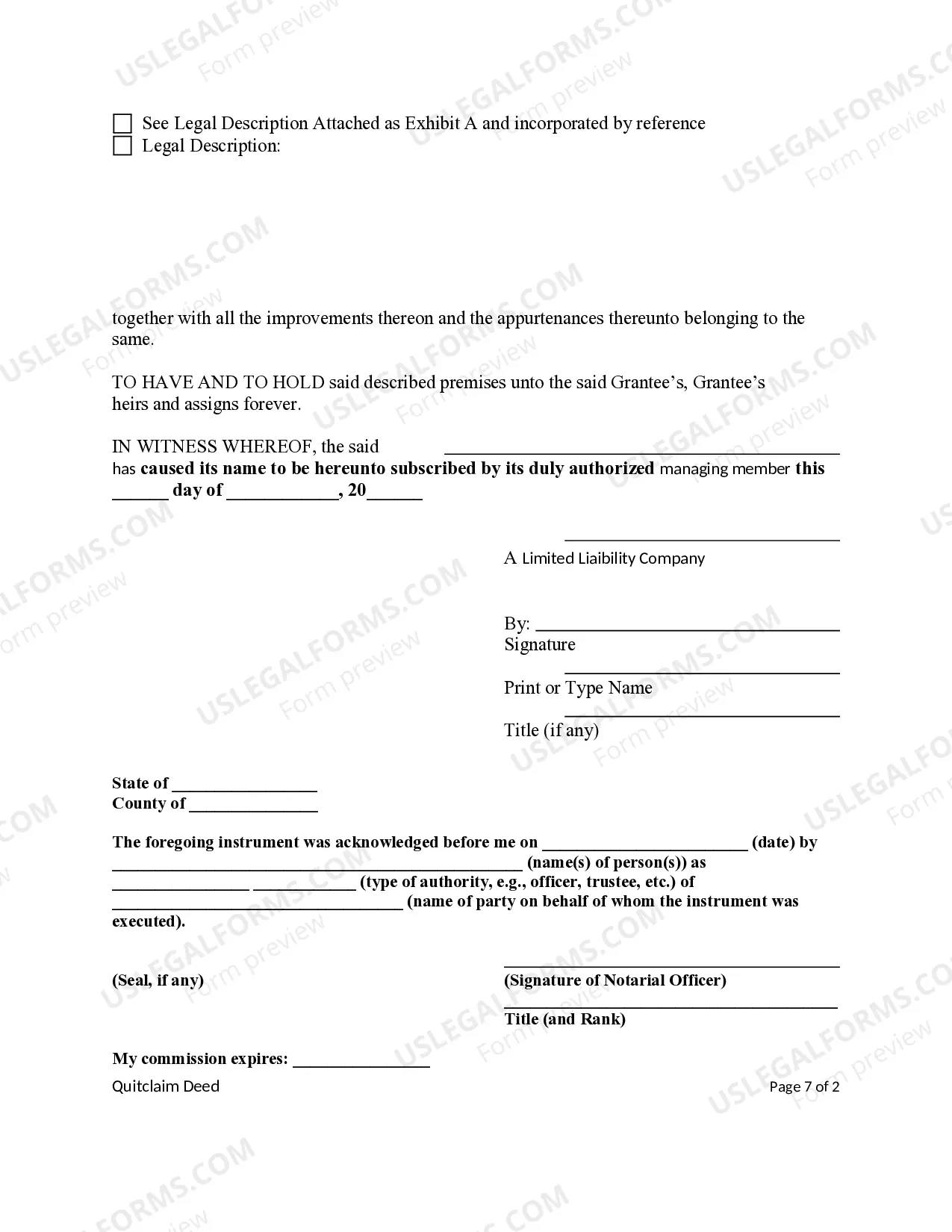
- Signatures of the Grantor and, if applicable, both spouses of Grantees.
- Notary acknowledgment to validate the deed.





When to use this form
This form is typically used when a limited liability company wishes to transfer their interest in a property to two individuals. Common scenarios include property ownership transfers among family members, dissolving partnerships, or simplifying property management. This form may also be utilized when changing property ownership structures while retaining the equity in the property.
Who this form is for
- Individuals who are receiving property from a LLC.
- Members of a LLC transferring property.
- Couples wishing to hold property jointly or in common.
How to complete this form
- Identify the parties involved: Enter the full names of the LLC (Grantor) and the two individuals (Grantees).
- Specify the property: Provide a clear description of the property being transferred, including its legal description.
- Designate how Grantees will hold the property: Choose between options like tenants in common or joint tenants with right of survivorship.
- Obtain necessary signatures: Ensure all parties sign the deed, including any required spousal signatures.
- Prepare for notarization: Include a notary acknowledgment section to validate the deed's execution.
Does this document require notarization?
Yes, this form must be notarized to be legally valid. It's recommended to use US Legal Forms' integrated online notarization service, which provides 24/7 availability, secure video calls, and legal equivalence without the need for travel.
Get your form ready online
Our built-in tools help you complete, sign, share, and store your documents in one place.
Make edits, fill in missing information, and update formatting in US Legal Forms—just like you would in MS Word.
Download a copy, print it, send it by email, or mail it via USPS—whatever works best for your next step.
Sign and collect signatures with our SignNow integration. Send to multiple recipients, set reminders, and more. Go Premium to unlock E-Sign.
If this form requires notarization, complete it online through a secure video call—no need to meet a notary in person or wait for an appointment.
We protect your documents and personal data by following strict security and privacy standards.

Make edits, fill in missing information, and update formatting in US Legal Forms—just like you would in MS Word.

Download a copy, print it, send it by email, or mail it via USPS—whatever works best for your next step.

Sign and collect signatures with our SignNow integration. Send to multiple recipients, set reminders, and more. Go Premium to unlock E-Sign.

If this form requires notarization, complete it online through a secure video call—no need to meet a notary in person or wait for an appointment.

We protect your documents and personal data by following strict security and privacy standards.
Common mistakes
- Failing to accurately describe the property or including correct legal details.
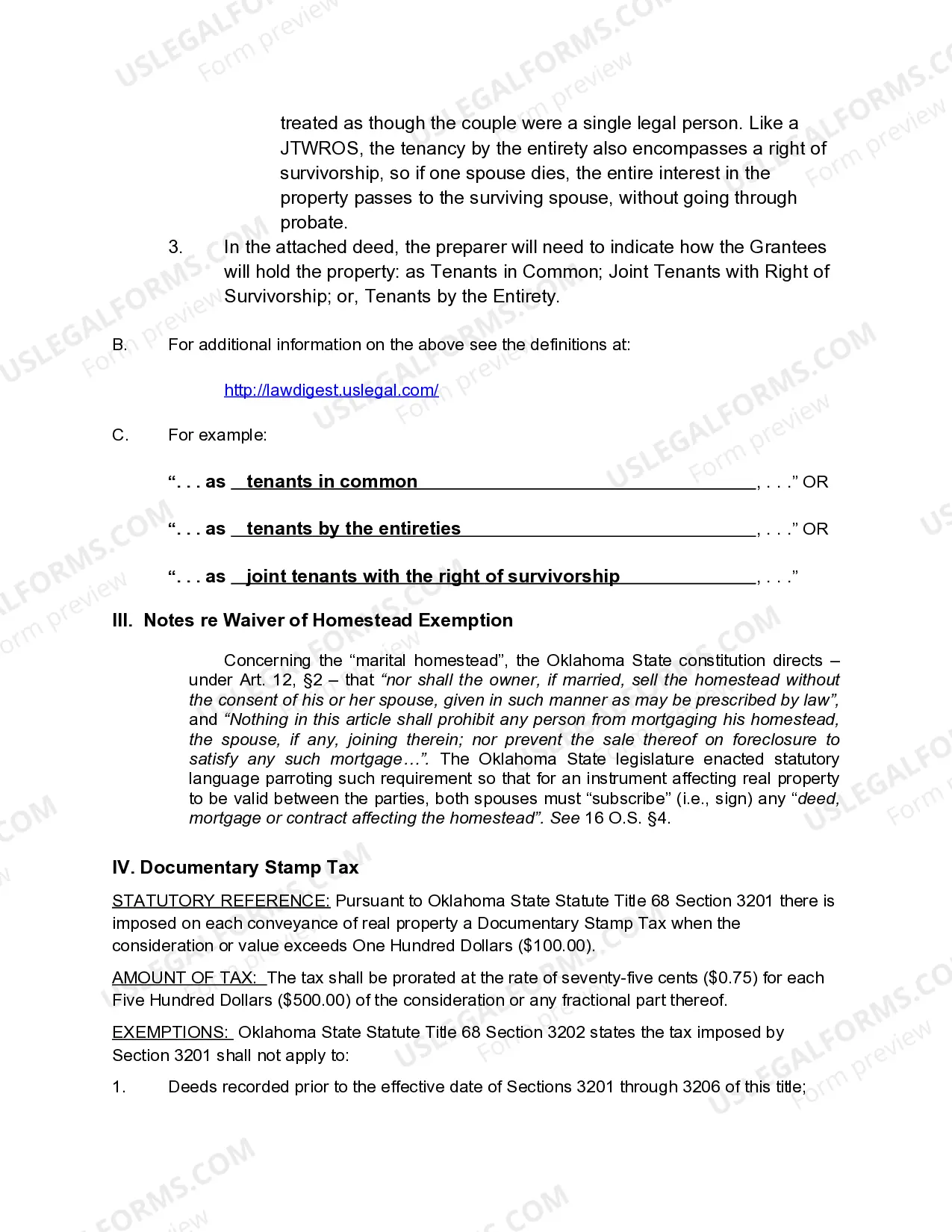
- Not having all necessary parties sign, particularly in the case of a marital homestead.
- Overlooking the requirement for notarization, which may lead to the deed being invalid.
- Incorrectly designating how the Grantees will hold the property.
Why complete this form online
- Convenient access: Download and complete the form at your own pace.
- Editability: Make necessary changes easily before finalizing the deed.
- Reliable templates: Use forms drafted by licensed attorneys to ensure legal compliance.
Looking for another form?
Form popularity
FAQ
Quitclaim deeds are most often used to transfer property between family members. Examples include when an owner gets married and wants to add a spouse's name to the title or deed, or when the owners get divorced and one spouse's name is removed from the title or deed.
Recording: Oklahoma requires quitclaim deeds to be recorded with the County Clerk's Office in the county where the property is. Filing Fee: The county will charge a filing fee that must be paid with the deed.
How to Quitclaim Deed to LLC. A quitclaim deed to LLC is actually a very simple process. You will need a deed form and a copy of the existing deed to make sure you identify titles properly and get the legal description of the property.
But you might be wondering if an owner can transfer a deed to another person without a real estate lawyer. The answer is yes. Parties to a transaction are always free to prepare their own deeds.A quitclaim deed, for example, is far simpler than a warranty deed.
Recording A quit claim deed must be filed with the County Clerk's Office along with the required filing fee (varies by location). Signing (§ 16-26) This form is required to be authorized by the Grantor(s) in front of a Notary Public with their acknowledgment and seal.
To use a Quitclaim Deed to add someone to a property deed or title, you would need to create a Quitclaim Deed and list all of the current owners in the grantor section. In the grantee section, you would list all of the current owners as well as the person you would like to add.
A quitclaim deed must meet all state and local standards for recorded instruments. Sign the deed in the presence of a notary public and record at the clerk's office in the county where the property is located for a valid transfer. Contact the same office to verify accepted forms of payment.