Master Sales Agreement With Down Payment In Massachusetts
Description





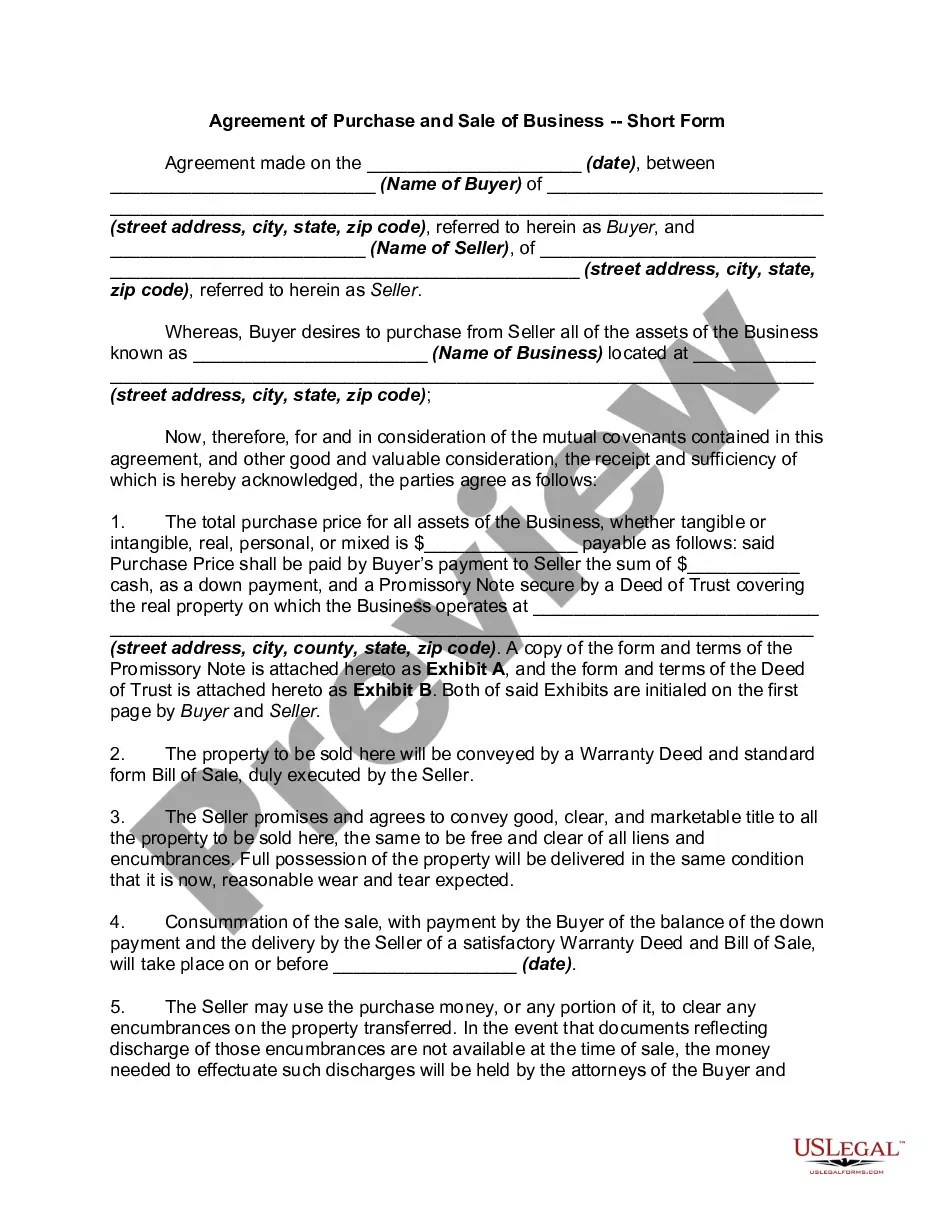
Get your form ready online
Our built-in tools help you complete, sign, share, and store your documents in one place.
Make edits, fill in missing information, and update formatting in US Legal Forms—just like you would in MS Word.
Download a copy, print it, send it by email, or mail it via USPS—whatever works best for your next step.
Sign and collect signatures with our SignNow integration. Send to multiple recipients, set reminders, and more. Go Premium to unlock E-Sign.
If this form requires notarization, complete it online through a secure video call—no need to meet a notary in person or wait for an appointment.
We protect your documents and personal data by following strict security and privacy standards.

Make edits, fill in missing information, and update formatting in US Legal Forms—just like you would in MS Word.

Download a copy, print it, send it by email, or mail it via USPS—whatever works best for your next step.

Sign and collect signatures with our SignNow integration. Send to multiple recipients, set reminders, and more. Go Premium to unlock E-Sign.

If this form requires notarization, complete it online through a secure video call—no need to meet a notary in person or wait for an appointment.

We protect your documents and personal data by following strict security and privacy standards.
Looking for another form?







Form popularity
FAQ
A down payment is an initial, up-front payment made during the confirmation of a sales transaction. Down payments reduce the risk for both parties (the seller and the buyer) as they indicate a mutual commitment to complete the sales transaction.
A seller can help finance a real estate transaction by taking out a junior mortgage, also called a second mortgage. The seller can cover the down payment, which the buyer repays separately from the property's primary mortgage.
In Massachusetts Disclosed Dual Agency is legal, provided there exists full disclosure and written informed consent to the dual agency by both the Buyer and the Seller in a specific transaction. A Dual Agent has a duty of confidentiality and accounting to both parties.
Who signs the P&S first? The tradition and custom in Eastern Massachusetts is for the Buyer to sign it first. Legally speaking, this may not matter as it is not a valid contract until both parties sign.
Both buyer and seller must sign a deed to make it official. Massachusetts law recognizes three types of deeds, each of which provides varying levels of protection for buyers and sellers. These three types are warranty deeds, quitclaim deeds, and release deeds.
How do you write a contract for sale? Title the document appropriately. List all parties involved in the agreement. Detail the product or service, including all rights, warranties, and limitations. Specify the duration of the contract and any important deadlines.
