Master Sales Agreement For Land In Florida
Description


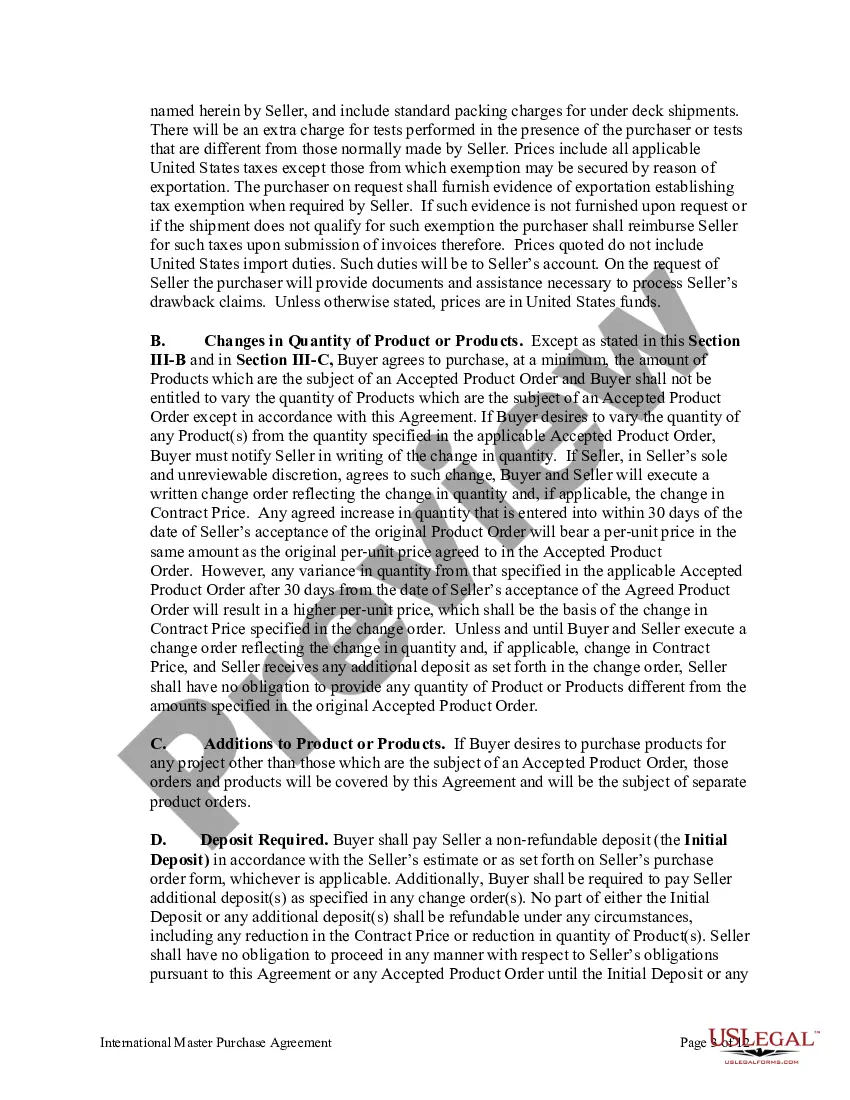
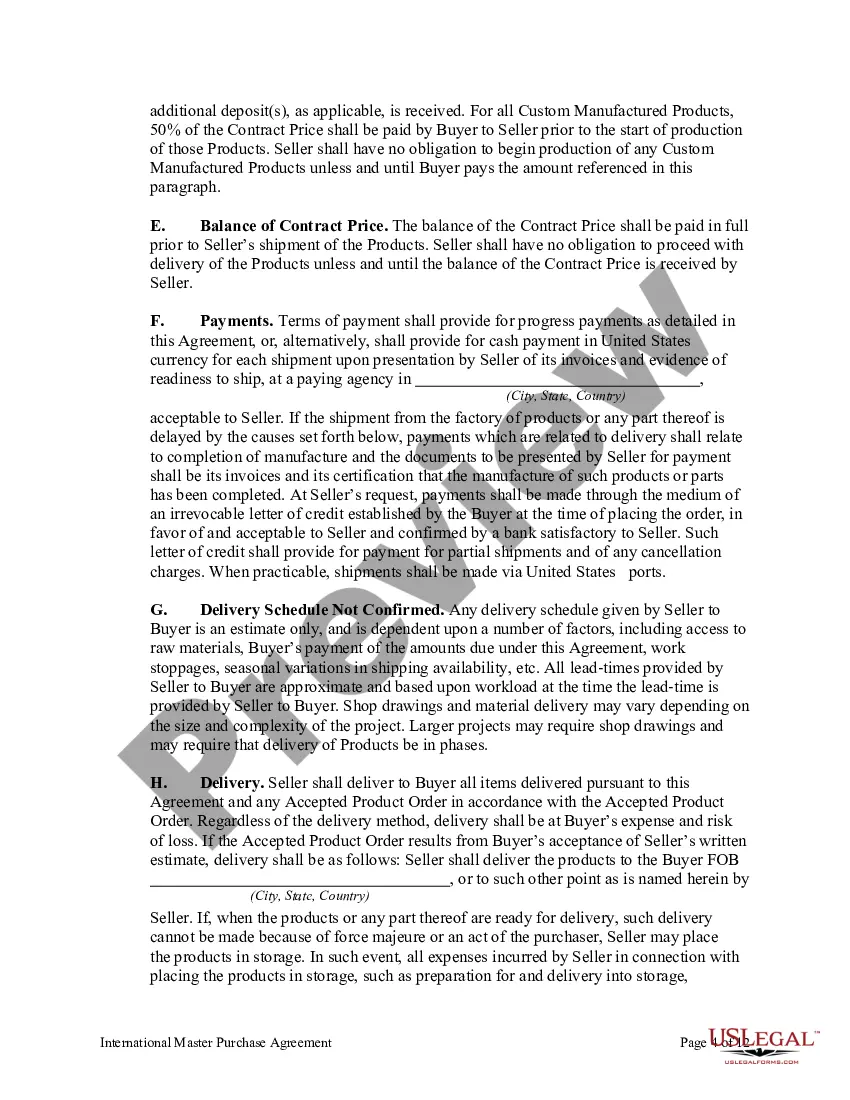
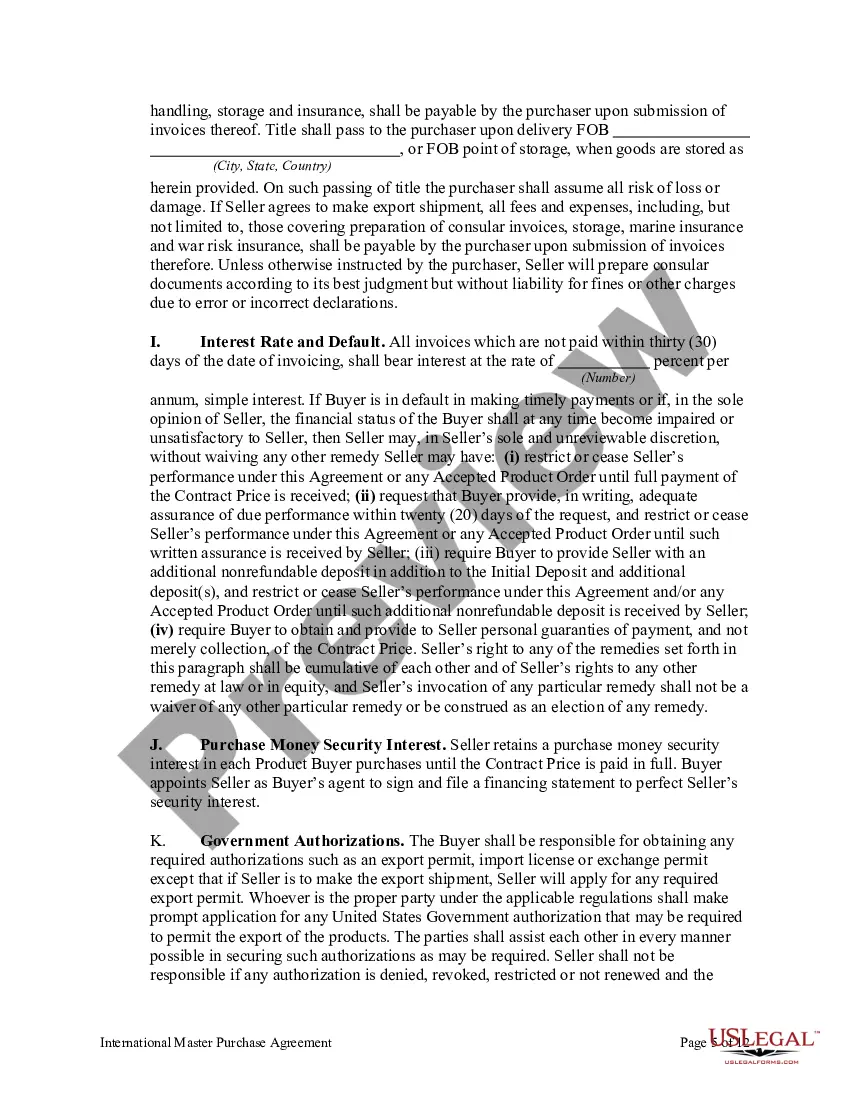
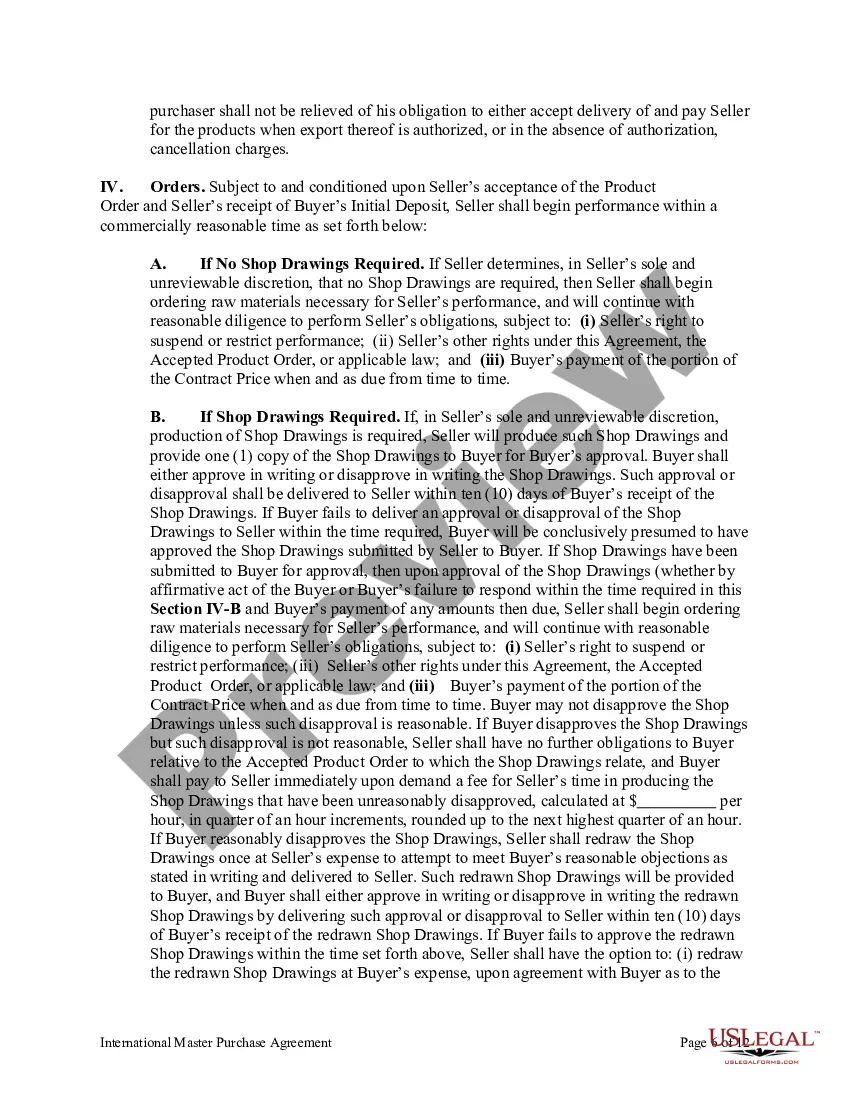
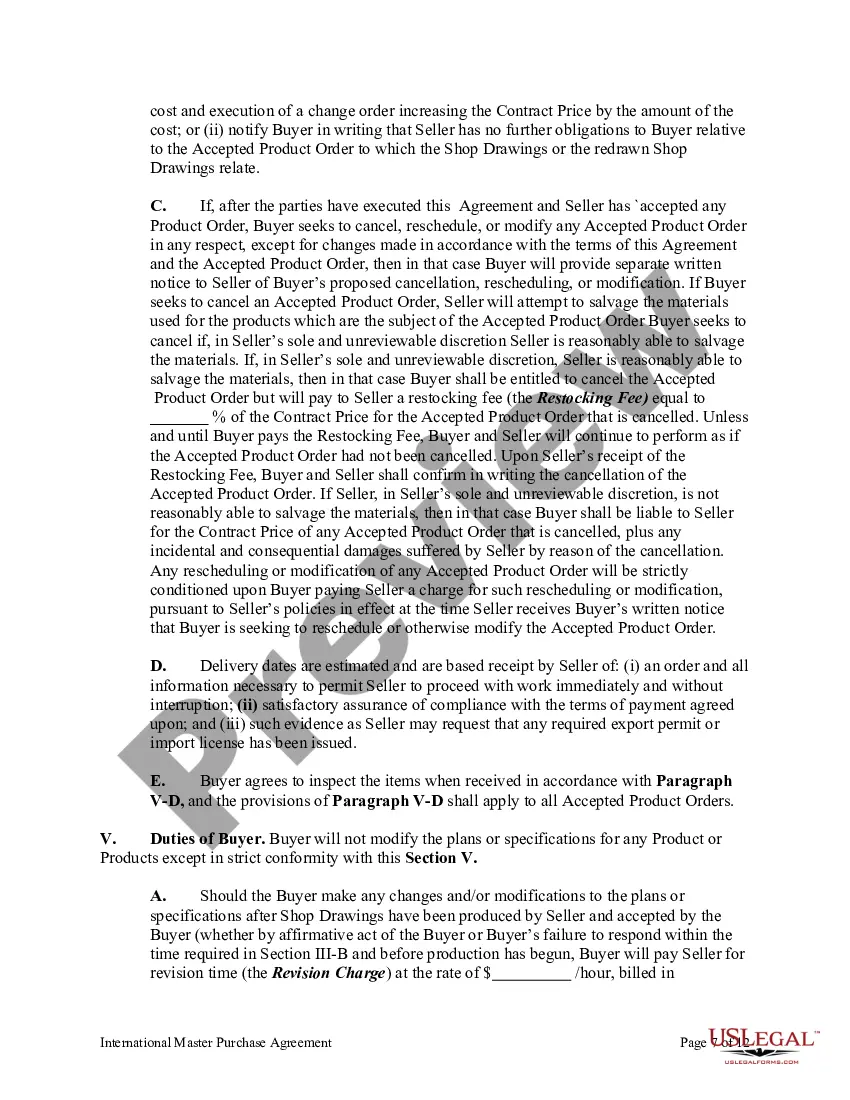
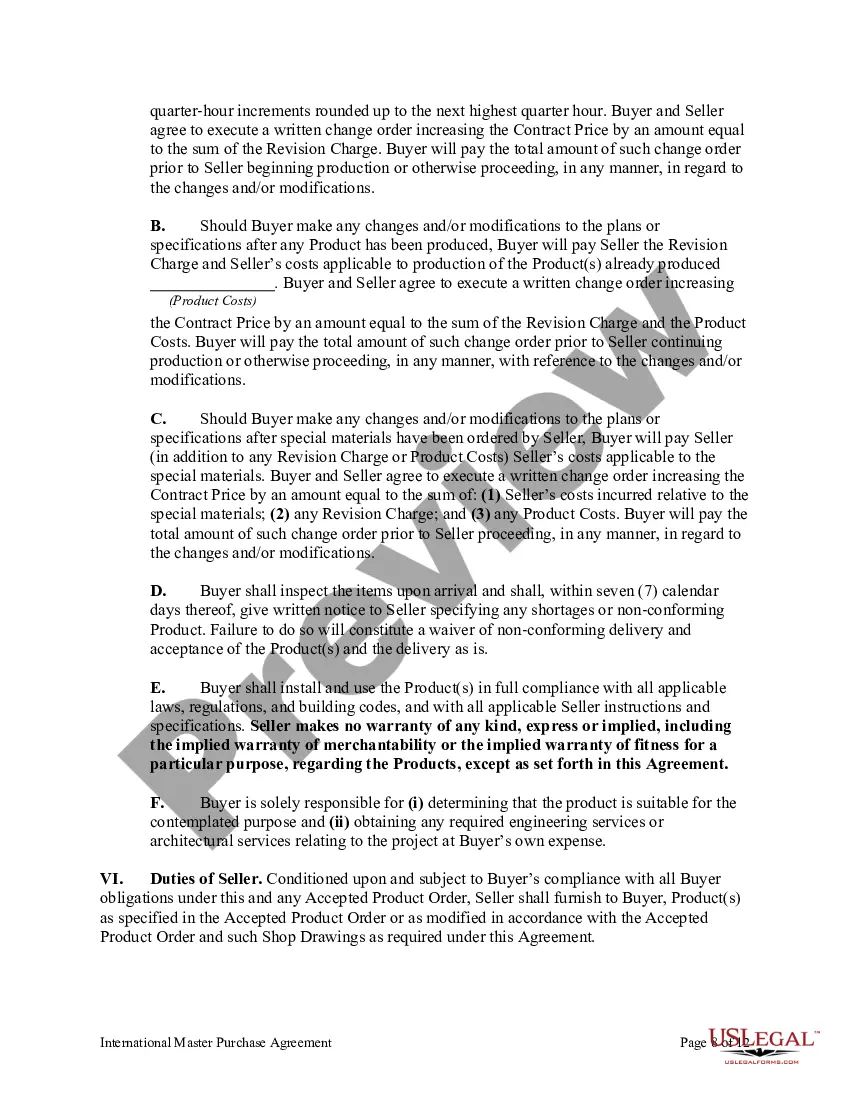
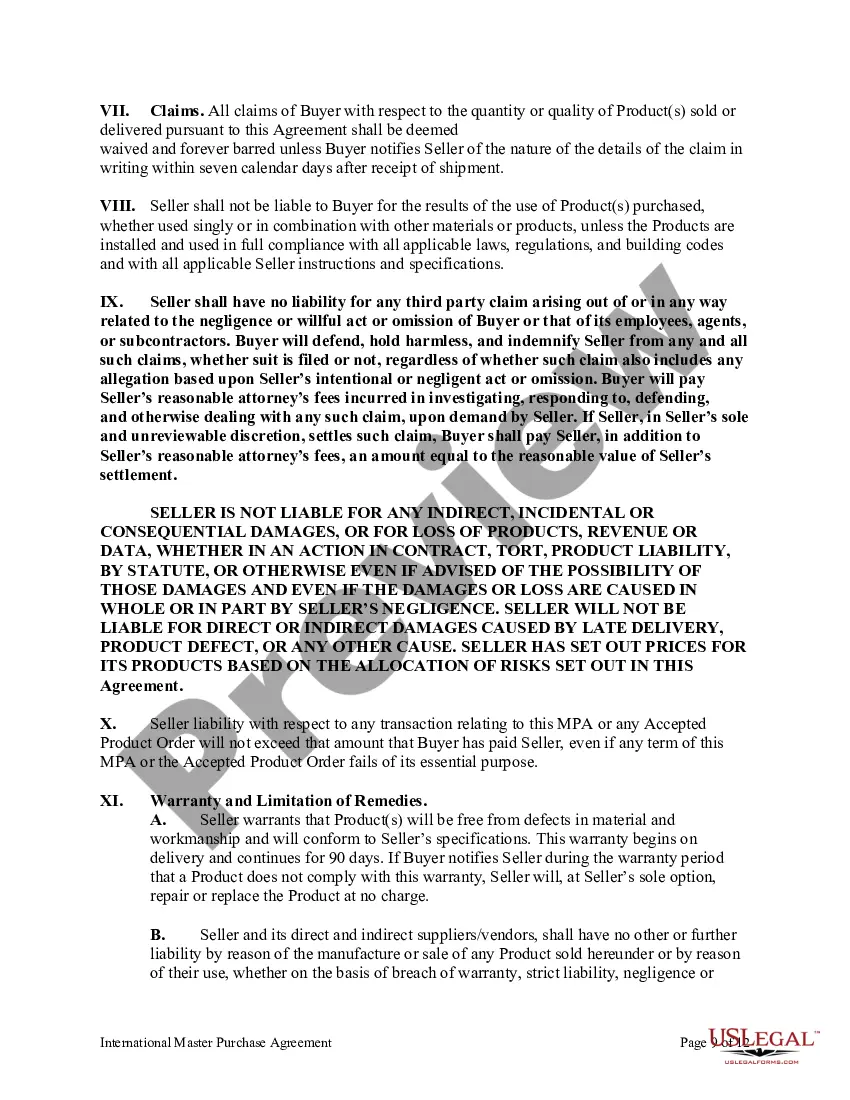
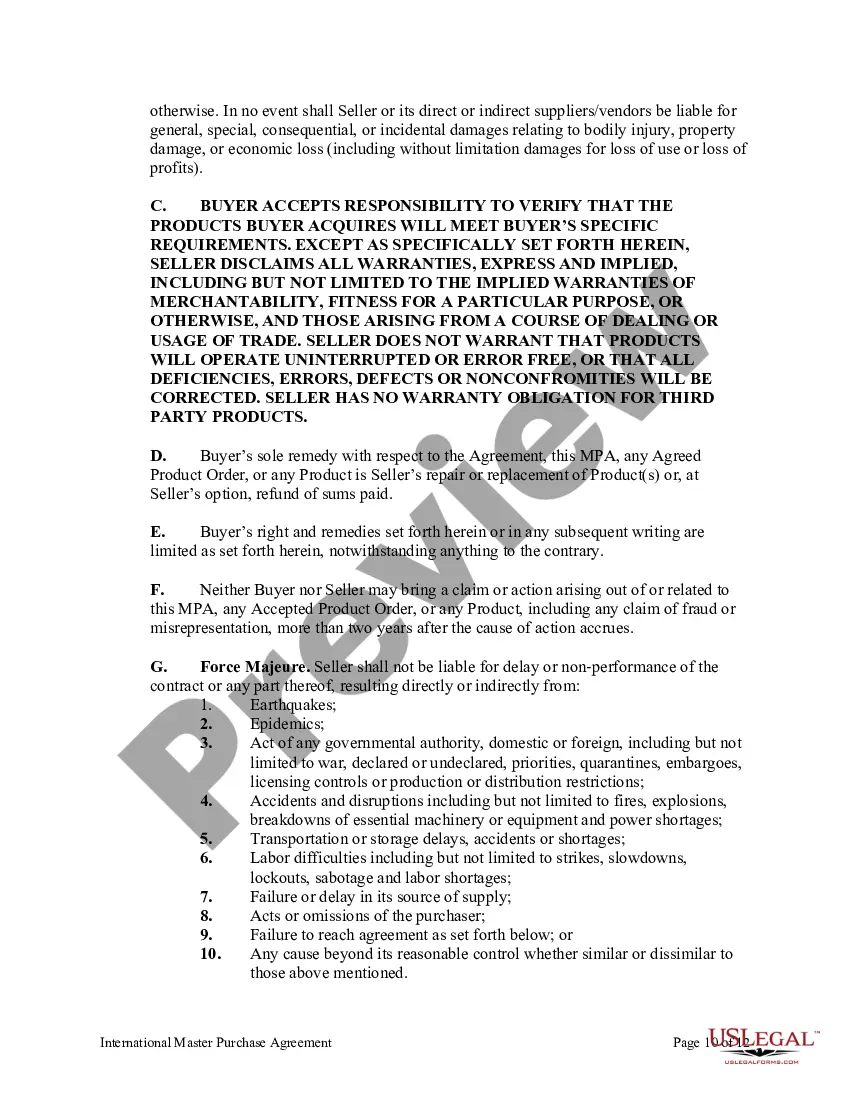



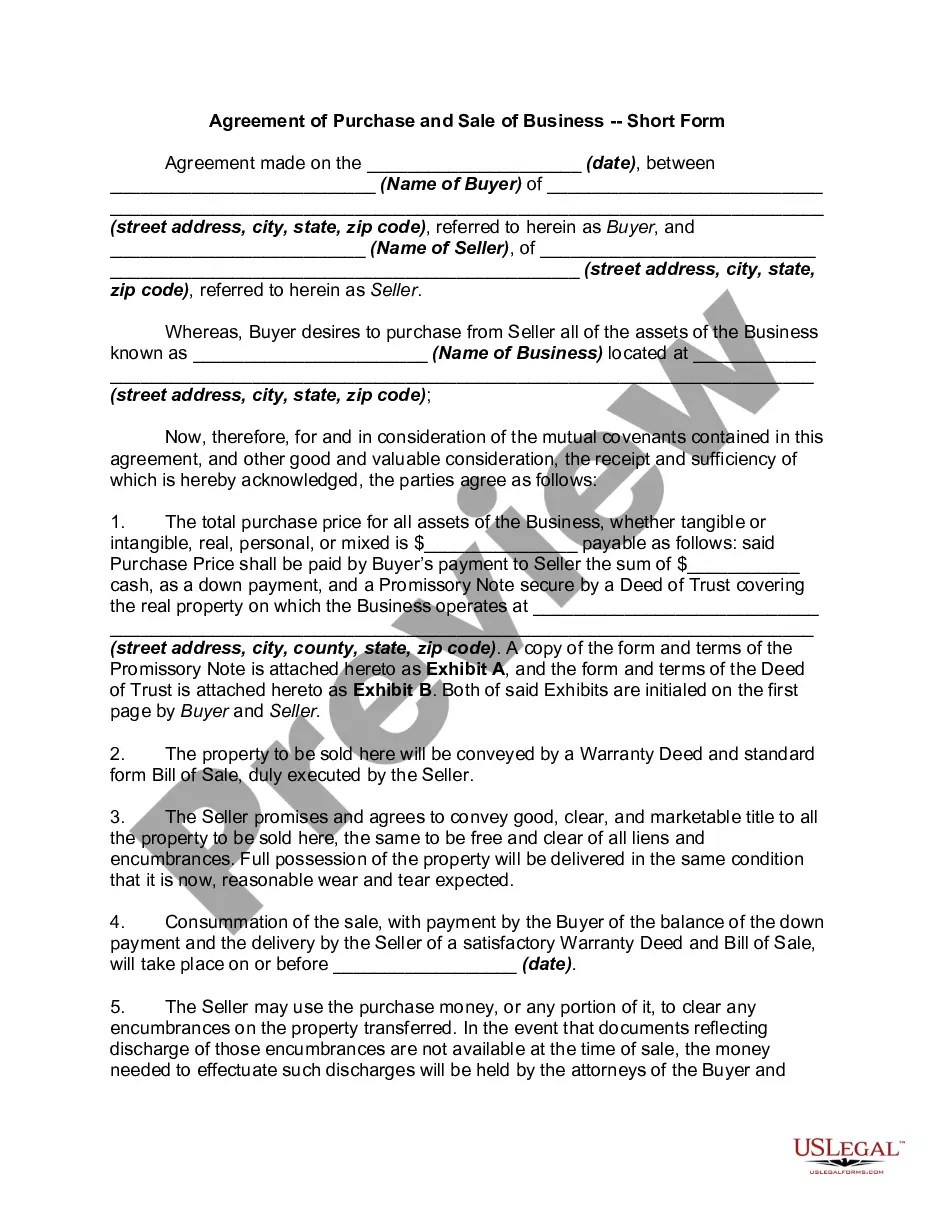
Get your form ready online
Our built-in tools help you complete, sign, share, and store your documents in one place.
Make edits, fill in missing information, and update formatting in US Legal Forms—just like you would in MS Word.
Download a copy, print it, send it by email, or mail it via USPS—whatever works best for your next step.
Sign and collect signatures with our SignNow integration. Send to multiple recipients, set reminders, and more. Go Premium to unlock E-Sign.
If this form requires notarization, complete it online through a secure video call—no need to meet a notary in person or wait for an appointment.
We protect your documents and personal data by following strict security and privacy standards.

Make edits, fill in missing information, and update formatting in US Legal Forms—just like you would in MS Word.

Download a copy, print it, send it by email, or mail it via USPS—whatever works best for your next step.

Sign and collect signatures with our SignNow integration. Send to multiple recipients, set reminders, and more. Go Premium to unlock E-Sign.

If this form requires notarization, complete it online through a secure video call—no need to meet a notary in person or wait for an appointment.

We protect your documents and personal data by following strict security and privacy standards.
Looking for another form?








Form popularity
FAQ
While paying for the home, the buyer has an equitable title. This means the seller can't transfer ownership to a third party or place any liens or encumbrances on the property that could affect the buyer's investment. The buyer receives the legal title to the home once they make the final payment on the land contract.
To be enforceable, a land sale contract must satisfy the Statute of Frauds, which generally requires that these contracts be in writing and signed by the parties. Note that this writing is apart from the instrument under which the actual transfer takes place, which is known as the “deed.”
To be enforceable, a land sale contract must satisfy the Statute of Frauds, which generally requires that these contracts be in writing and signed by the parties. Note that this writing is apart from the instrument under which the actual transfer takes place, which is known as the “deed.”
If the buyer defaults on the rent or the land contract's terms, then the buyer forfeits that deposit to the seller and the land contract is void.
Land contracts in Florida are a perfectly legal and binding alternative to traditional real estate financing methods. However, there are several very important considerations for both Buyers and Sellers to keep in mind before agreeing to enter into a land contract: 1. Up-front Costs.
Selling vacant land the traditional route by listing with brokers and waiting on financed buyers can take anywhere from several months to several years in Florida depending on market conditions.
Another great thing about selling land in Florida is that Florida, unlike some other states, does not require a real estate attorney to review a real estate transaction. Most real estate transactions in Florida are handled by a title company.
A simple sale agreement can be structured as follows: Title the document appropriately. List all parties involved in the agreement. Detail the product or service, including all rights, warranties, and limitations. Specify the duration of the contract and any important deadlines.
Who prepares the SPA? Typically, the buyer and seller will engage a professional conveyance lawyer who specialises in property to prepare the SPA. Even if you are legally knowledgeable, this is advisable to avoid any unnecessary technical delays or errors by either party which, may prove costly.
A master service agreement, sometimes known as a framework agreement, is a contract reached between parties, in which the parties agree to most of the terms that will govern future transactions or future agreements.
