Employment Agreement with Construction Worker
What is this form?
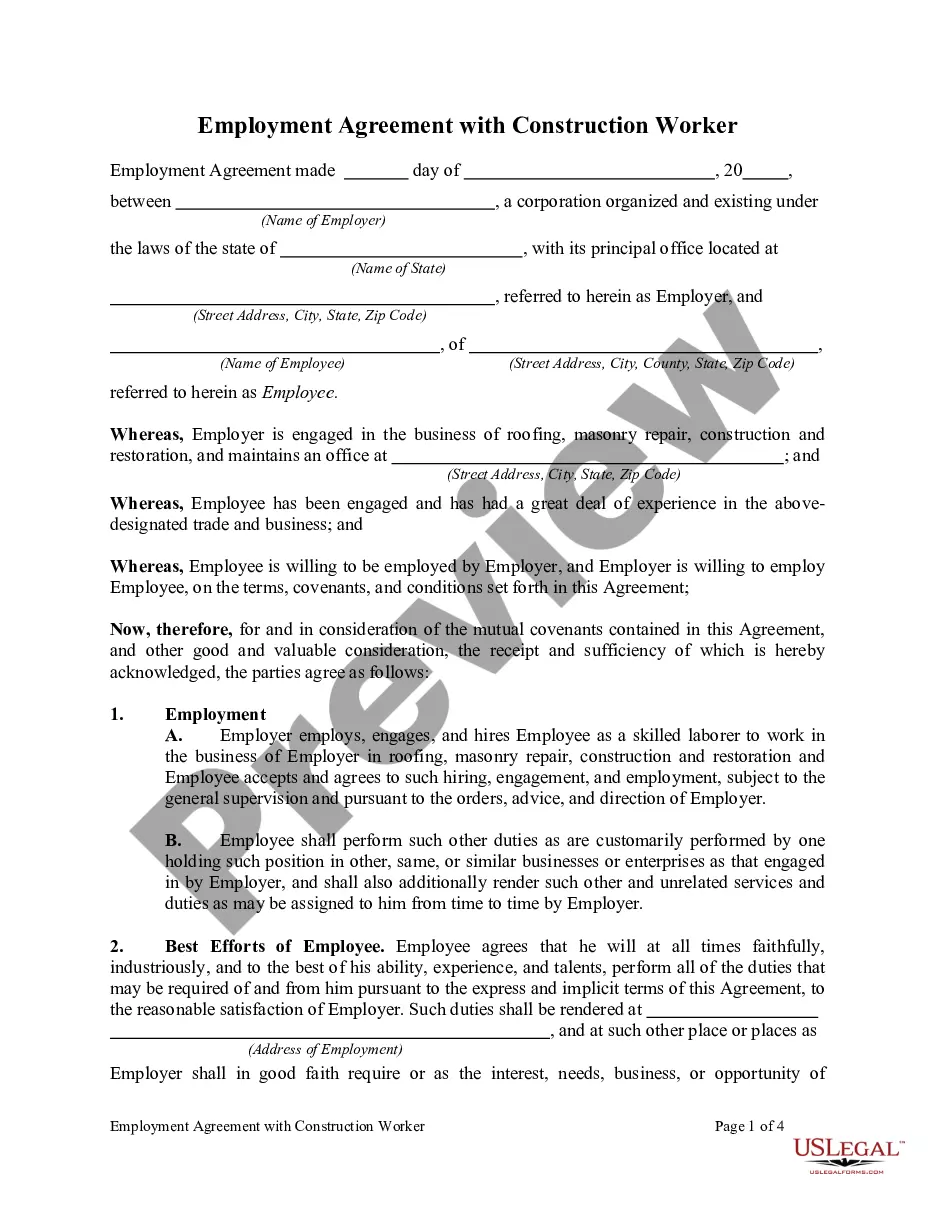
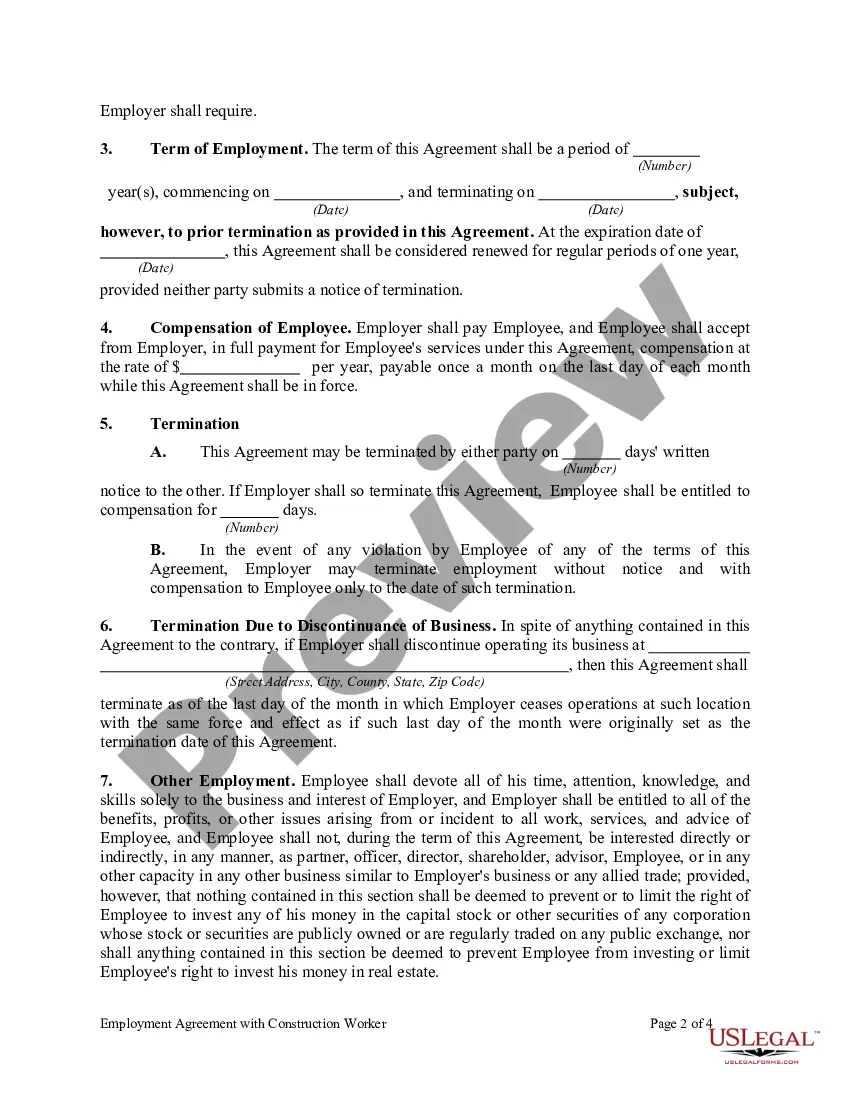
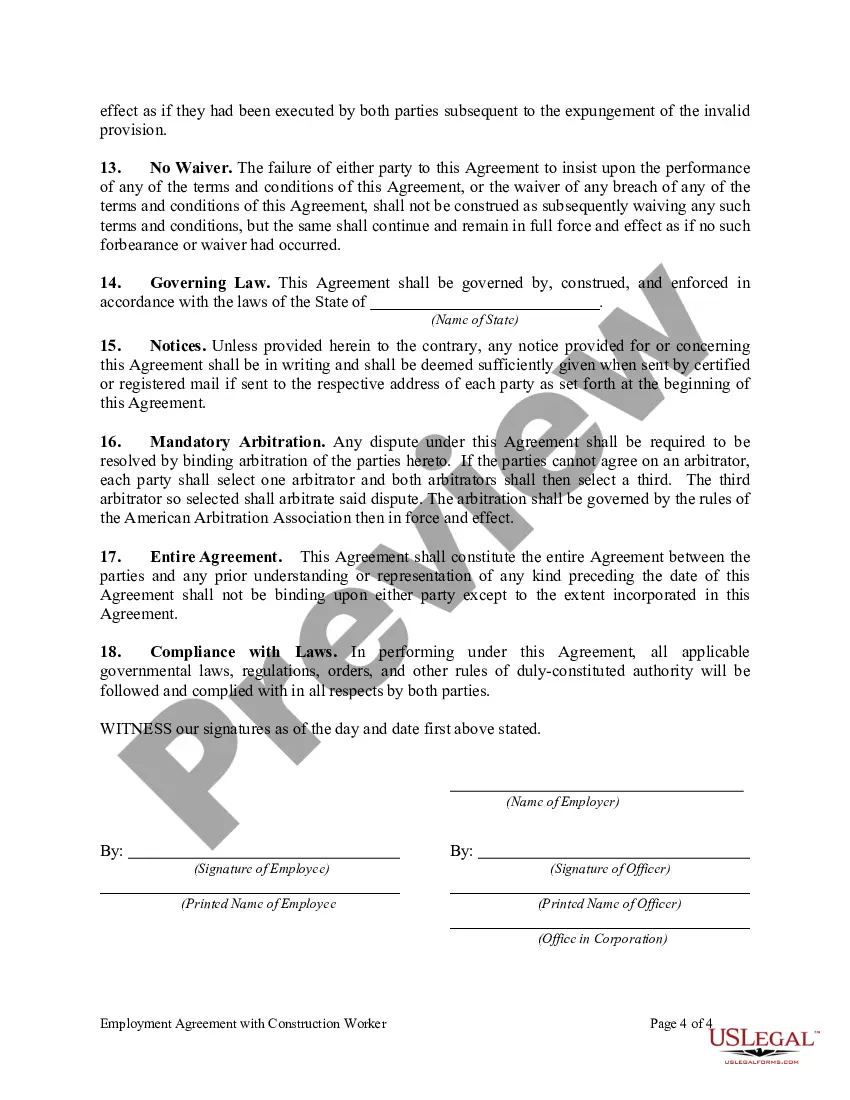
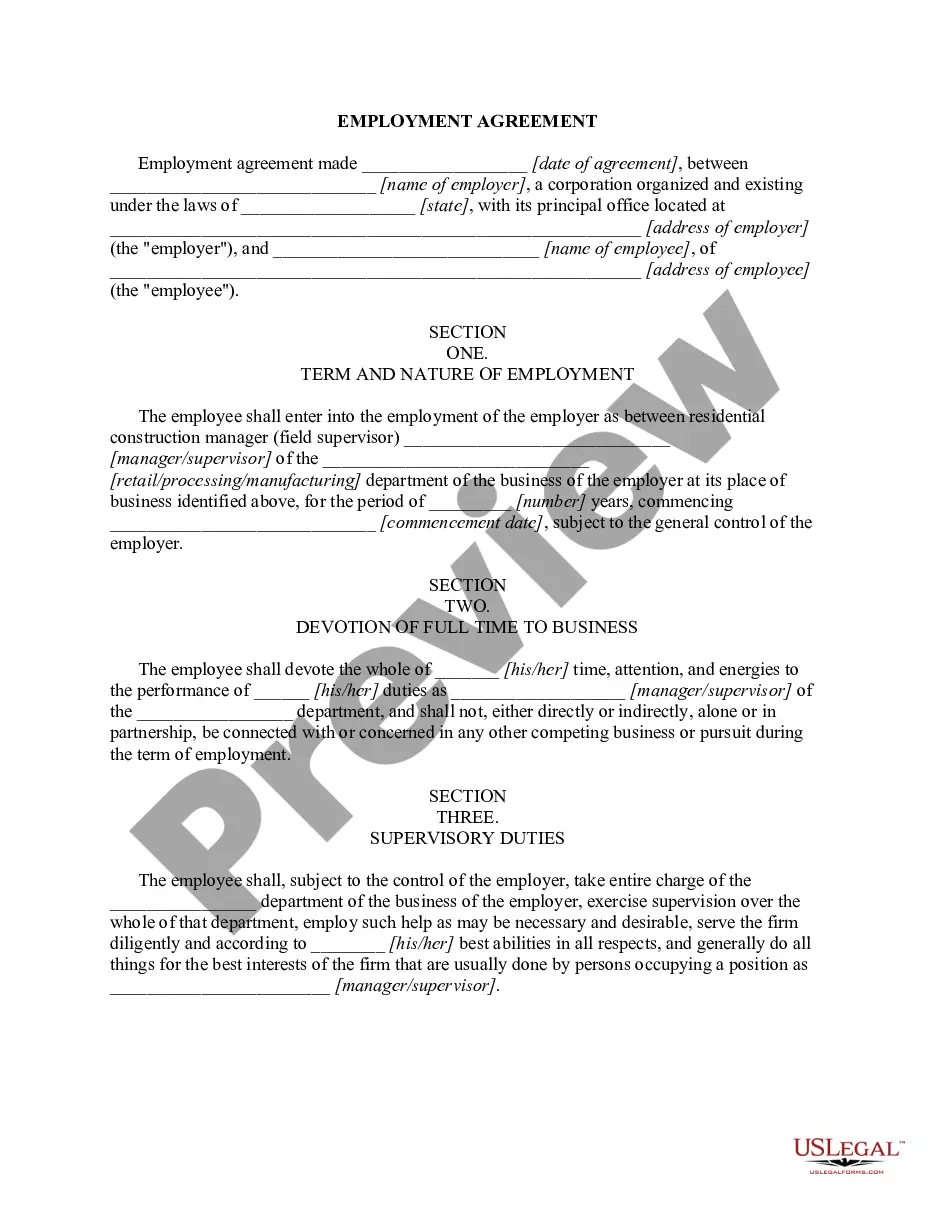
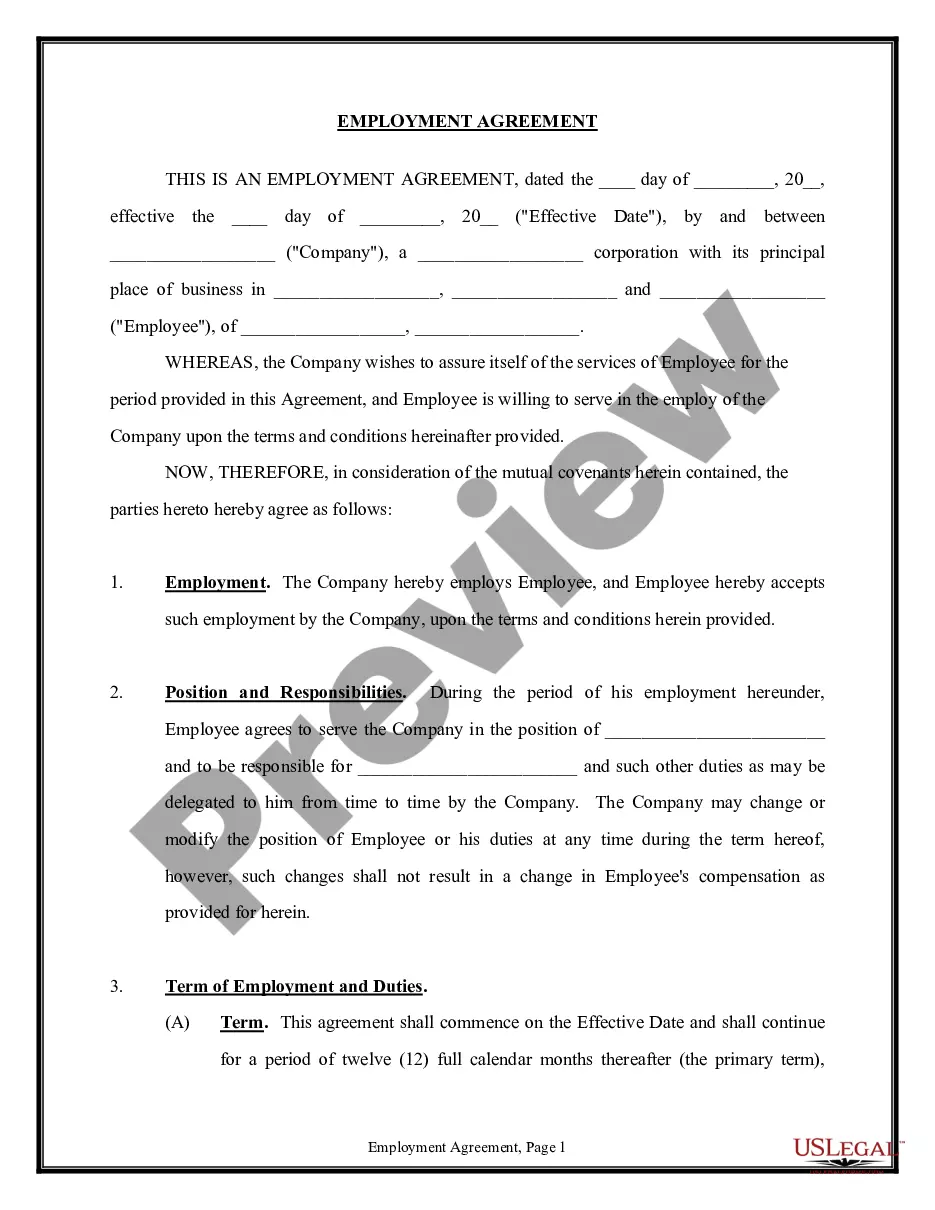
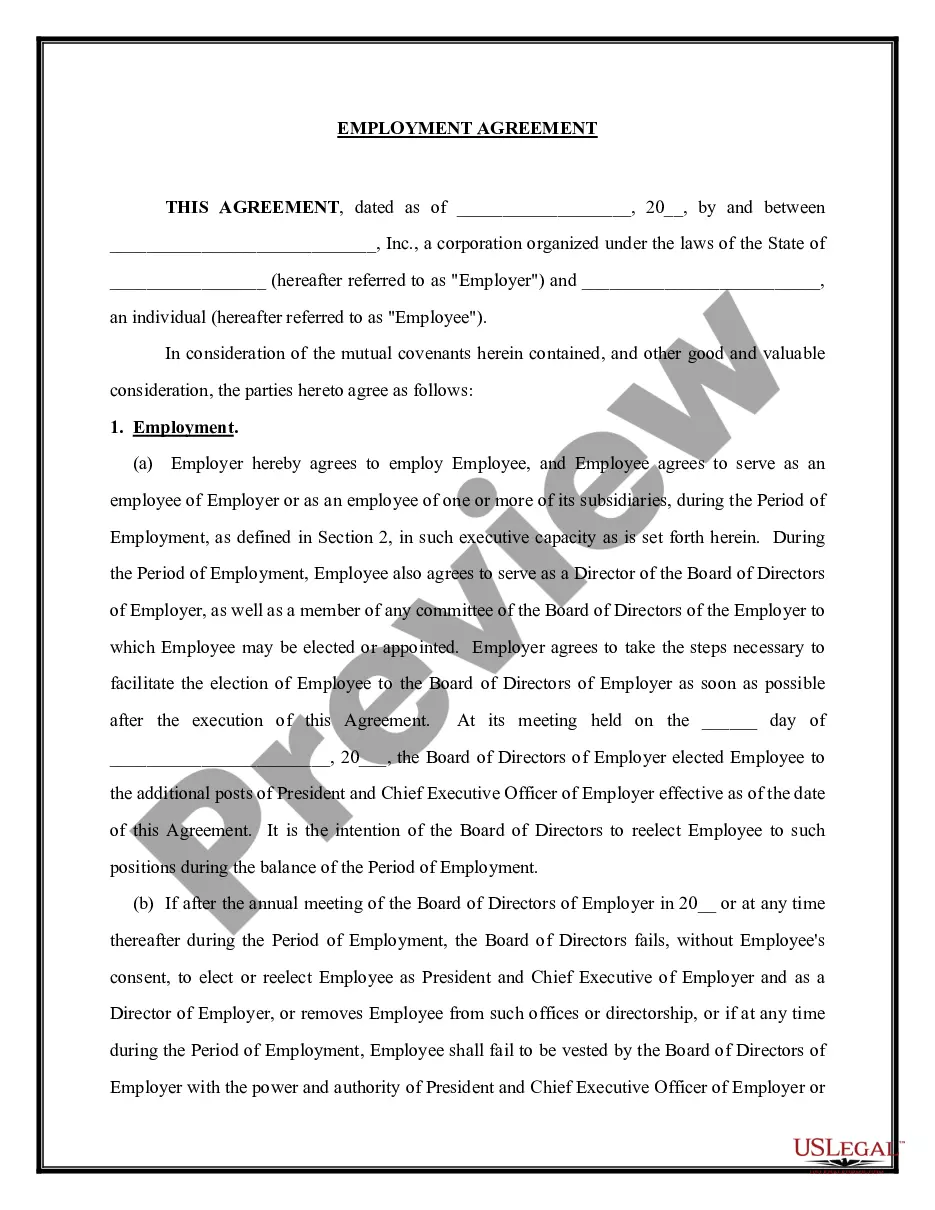
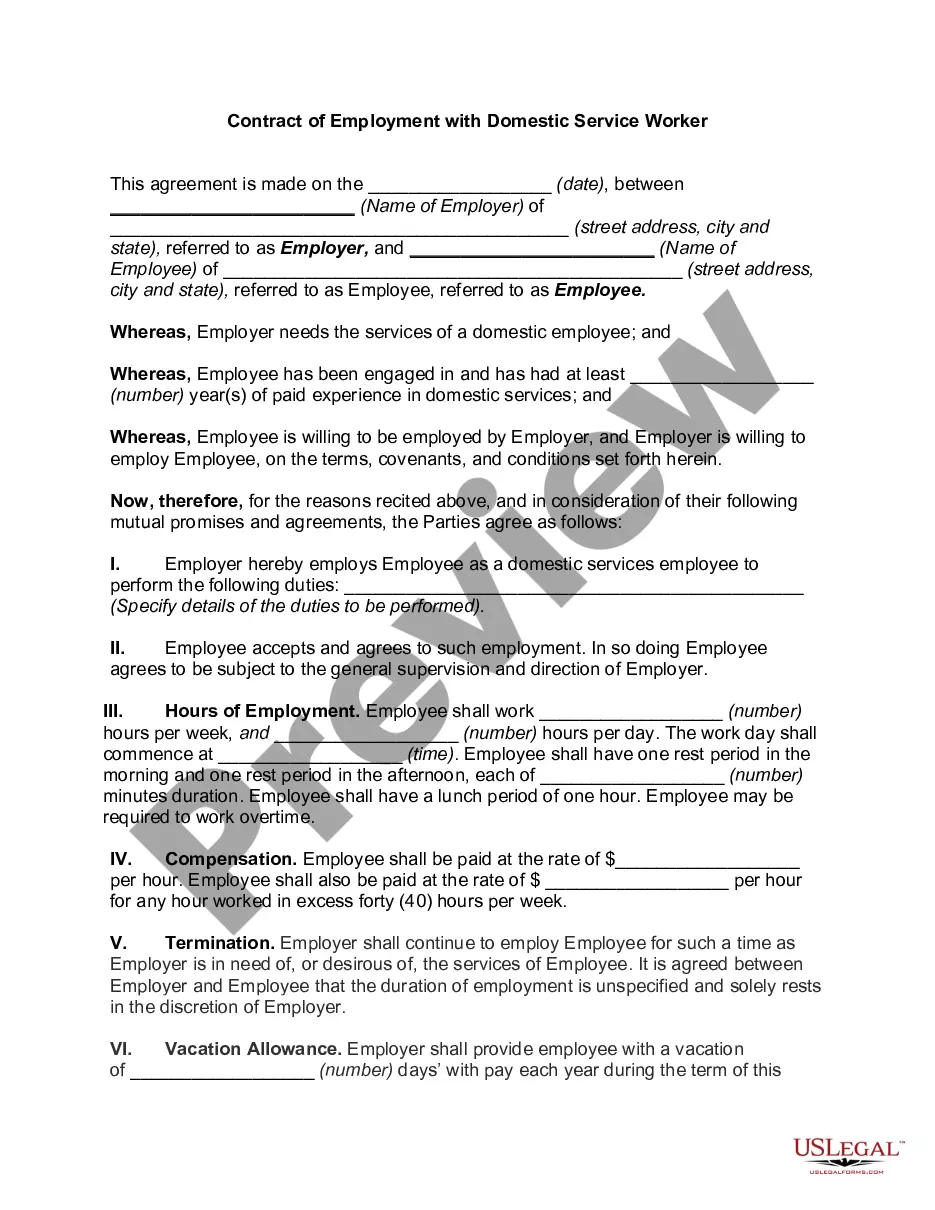
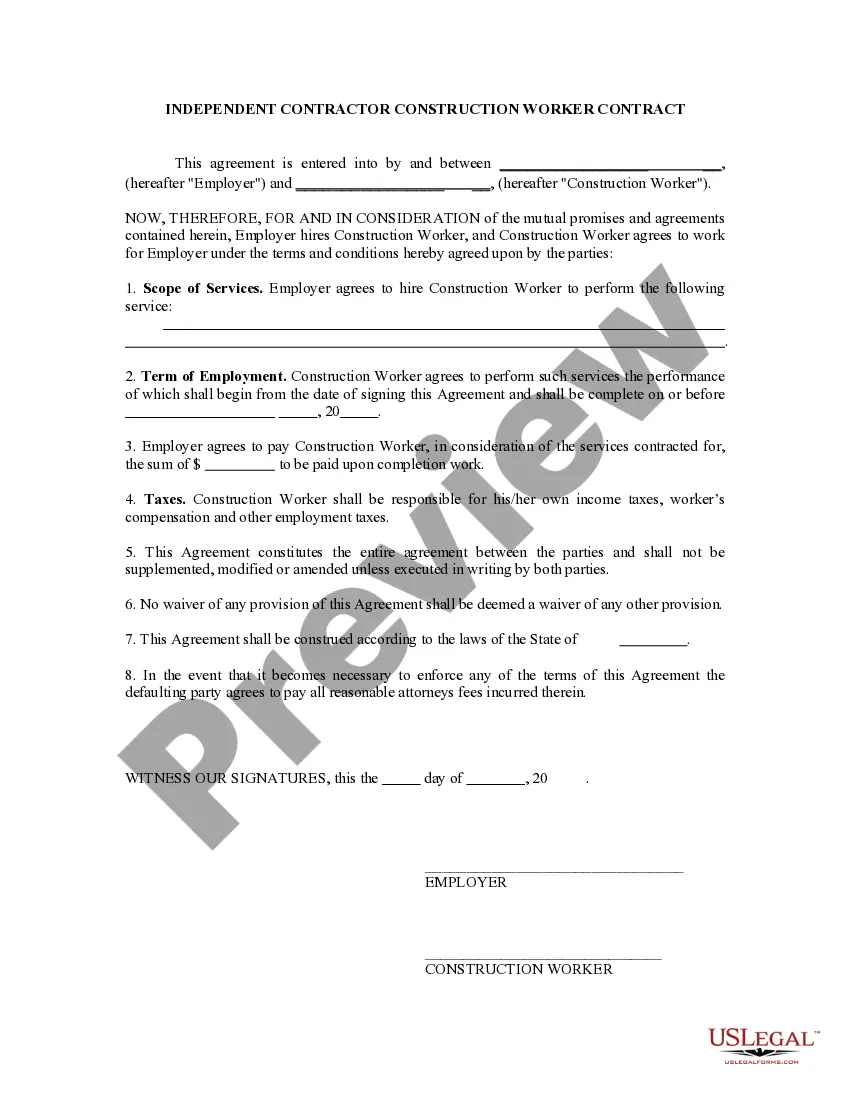
An Employment Agreement with a Construction Worker is a legal document that outlines the terms and conditions of employment when a construction company hires an individual for work. This agreement specifies the obligations of both the employer and employee, ensuring that there is a clear understanding of the job responsibilities, work expectations, and confidentiality clauses. Unlike verbal agreements, this written contract protects both parties and enforces their rights and obligations in the employment relationship.
Form components explained
- Job description and responsibilities of the employee.
- Employee's commitment to perform duties to the best of their ability.
- Terms related to confidentiality and non-competition.
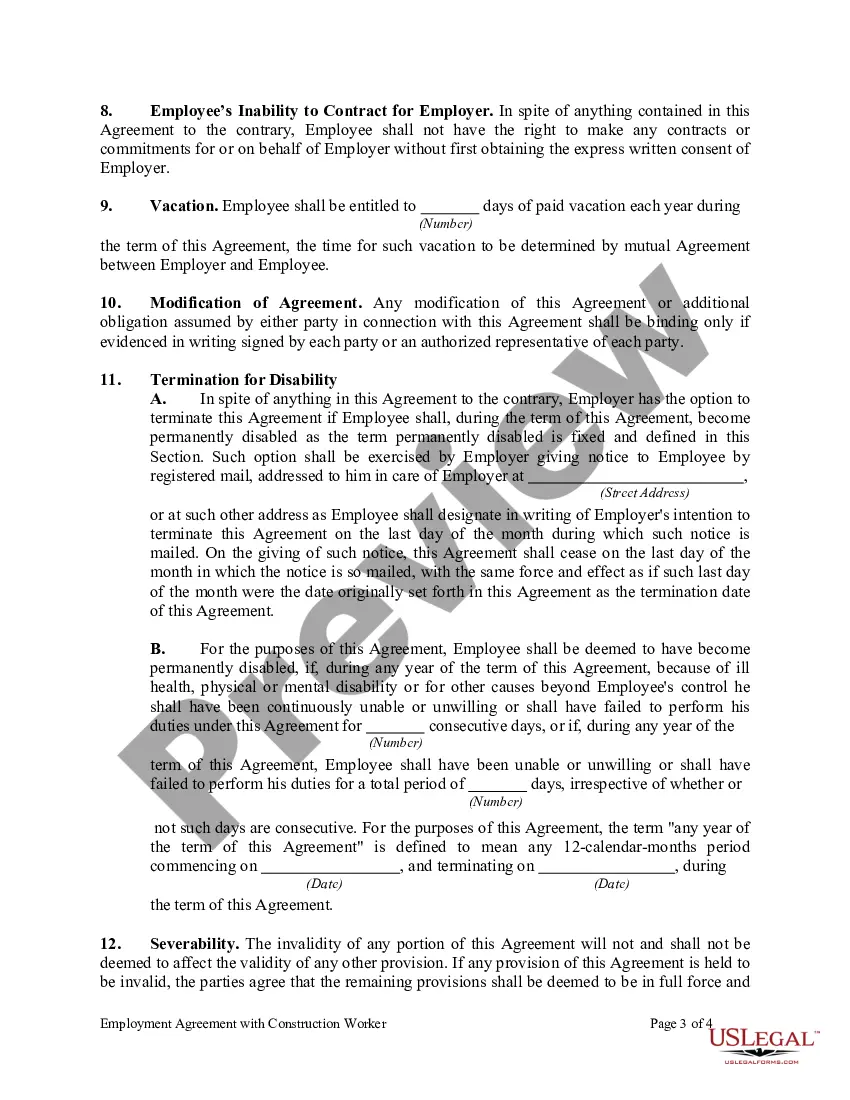
- Grounds for termination, including disability or business discontinuation.
- Mandatory arbitration clause for dispute resolution.
- Entire agreement clause indicating the full extent of the agreement between both parties.

Common use cases
This form should be used whenever a construction company hires a worker for tasks that require specific skills, such as roofing or masonry. It is particularly important for establishing clear expectations and legal protections for both the employer and employee at the start of the employment relationship. Use this agreement to formalize arrangements, especially when verbal agreements are insufficient to ensure accountability and trust.
Who this form is for
- Construction companies hiring employees for skilled labor roles.
- Employers who want to clarify job expectations and responsibilities.
- Employees seeking to understand their rights and obligations.
- Small business owners in the construction industry looking to formalize employment relationships.
How to complete this form
- Identify the parties involved: clearly state the employer's name and the employee's name.
- Complete the job description, detailing the specific duties expected of the employee.
- Specify the terms of employment, including duration, hours of work, and pay rate.
- Include confidentiality and non-competition terms as necessary.
- Have both parties sign and date the agreement to validate it.
Is notarization required?
In most cases, this form does not require notarization. However, some jurisdictions or signing circumstances might. US Legal Forms offers online notarization powered by Notarize, accessible 24/7 for a quick, remote process.
Get your form ready online
Our built-in tools help you complete, sign, share, and store your documents in one place.
Make edits, fill in missing information, and update formatting in US Legal Forms—just like you would in MS Word.
Download a copy, print it, send it by email, or mail it via USPS—whatever works best for your next step.
Sign and collect signatures with our SignNow integration. Send to multiple recipients, set reminders, and more. Go Premium to unlock E-Sign.
If this form requires notarization, complete it online through a secure video call—no need to meet a notary in person or wait for an appointment.
We protect your documents and personal data by following strict security and privacy standards.

Make edits, fill in missing information, and update formatting in US Legal Forms—just like you would in MS Word.

Download a copy, print it, send it by email, or mail it via USPS—whatever works best for your next step.

Sign and collect signatures with our SignNow integration. Send to multiple recipients, set reminders, and more. Go Premium to unlock E-Sign.

If this form requires notarization, complete it online through a secure video call—no need to meet a notary in person or wait for an appointment.

We protect your documents and personal data by following strict security and privacy standards.
Common mistakes to avoid
- Failing to specify clear job responsibilities.
- Not including confidentiality or non-compete clauses when appropriate.
- Overlooking necessary signatures from both parties.
- Neglecting to outline the termination conditions clearly.
Why complete this form online
- Convenience of downloading and completing the form at your own pace.
- Editability allows you to customize the agreement to fit specific needs.
- Reliability of attorney-drafted templates ensures legal compliance.
Legal use & context
- This form is enforceable in a court of law if properly executed.
- Both parties must adhere to the terms outlined to avoid breaches of contract.
- Understanding local employment laws can impact the enforceability of specific clauses.
Main things to remember
- The Employment Agreement with a Construction Worker protects both employer and employee rights.
- Clear terms help prevent misunderstandings and disputes in the future.
- Employers should consider local laws when customizing the agreement.
Looking for another form?


Form popularity
FAQ
Job information. Compensation and benefits. Time off, sick days, and vacation policy. Employee classification. The schedule and employment period. Confidentiality agreement. A technology privacy policy. Termination terms and conditions.
Identifying/Contact Information. Title and Description of the Project. Projected Timeline and Completion Date. Cost Estimate and Payment Schedule. Stop Work Clause and Stop Payment Clause. Act of God Clause. Change Order Agreement. Warranty.
If you didn't use a job description, take an hour to sit down and write out the duties you want your employee to perform. Be as specific as possible. The job description also should have included the target wage. You should consider whether or not you are paying a fair rate.
All business contracts must contain the essential elements of an agreement. The essential elements include consideration, offer and acceptance, a legal purpose, capable parties and mutual assent. Consideration means something of value must be exchanged.
Get it in writing. Keep it simple. Deal with the right person. Identify each party correctly. Spell out all of the details. Specify payment obligations. Agree on circumstances that terminate the contract. Agree on a way to resolve disputes.
Company Name. Nature of Work: Your duty hours will be 40 hours a week. Salary & Benefits: You will be drawing a salary of $8000 per month. Rules & Regulations: The company expects you to stick to all the rules and regulations effective at the time of your employment.
Terms. This is the first section of any agreement or contract and states the names and locations of the parties involved. Responsibilities & Deliverables. Payment-Related Details. Confidentiality Clause. Contract Termination. Choice of Law.
Title the employment contract. Give your employment contract a title so the person who reviews or signs the document understands what it is. Identify the parties. List the term and conditions. Outline the job responsibilities. Include compensation details. Use specific contract terms. Consult with an employment lawyer.