Collective Agreement For Ec In Bexar
Description


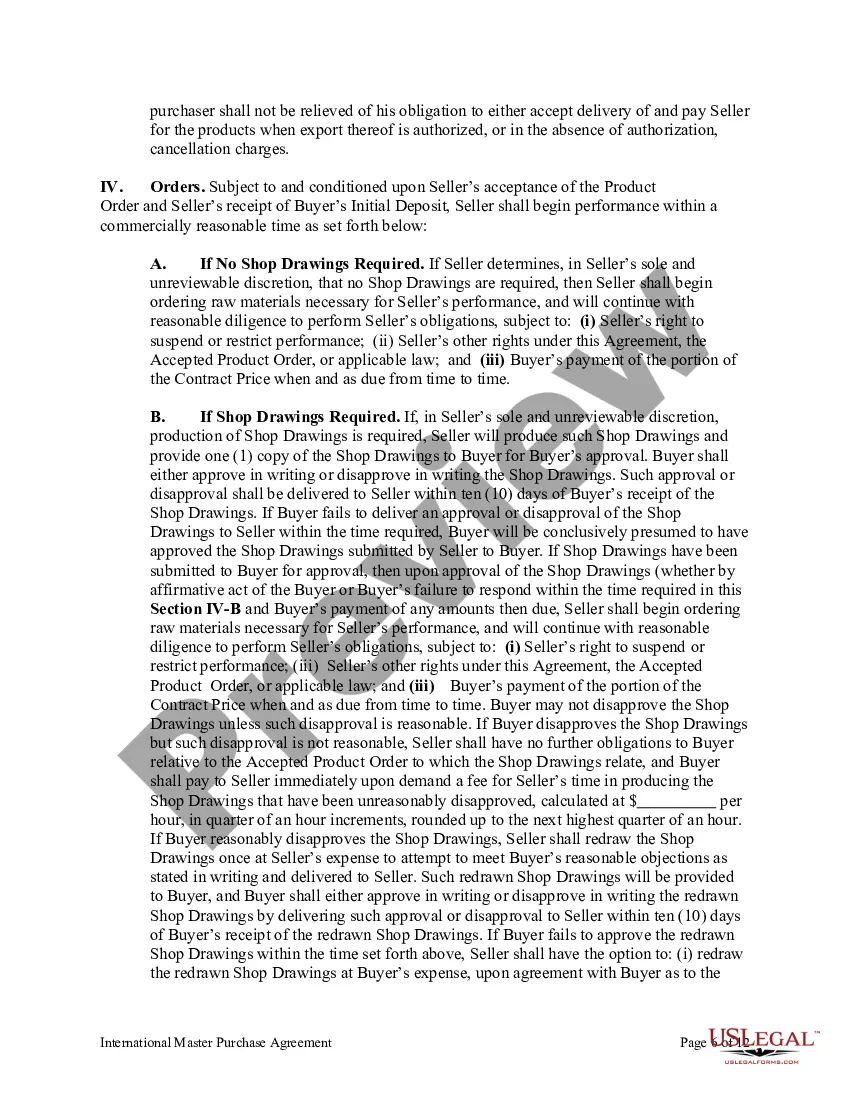
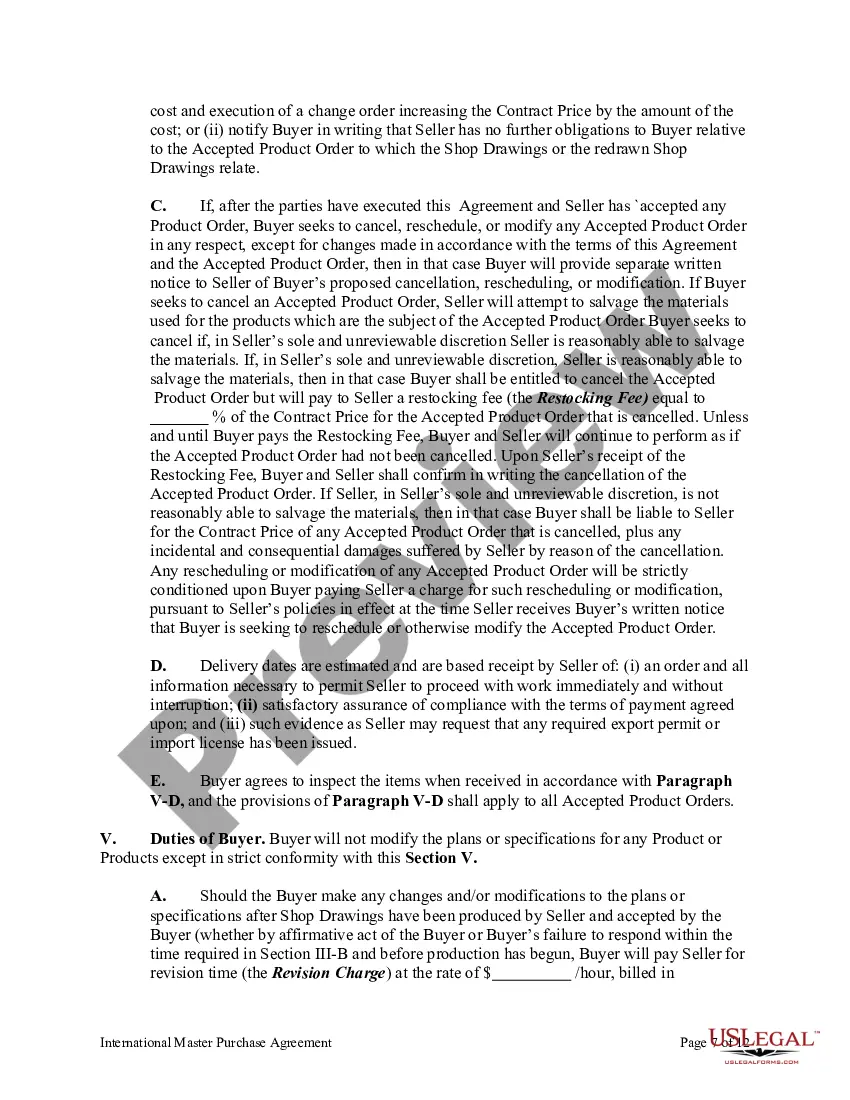
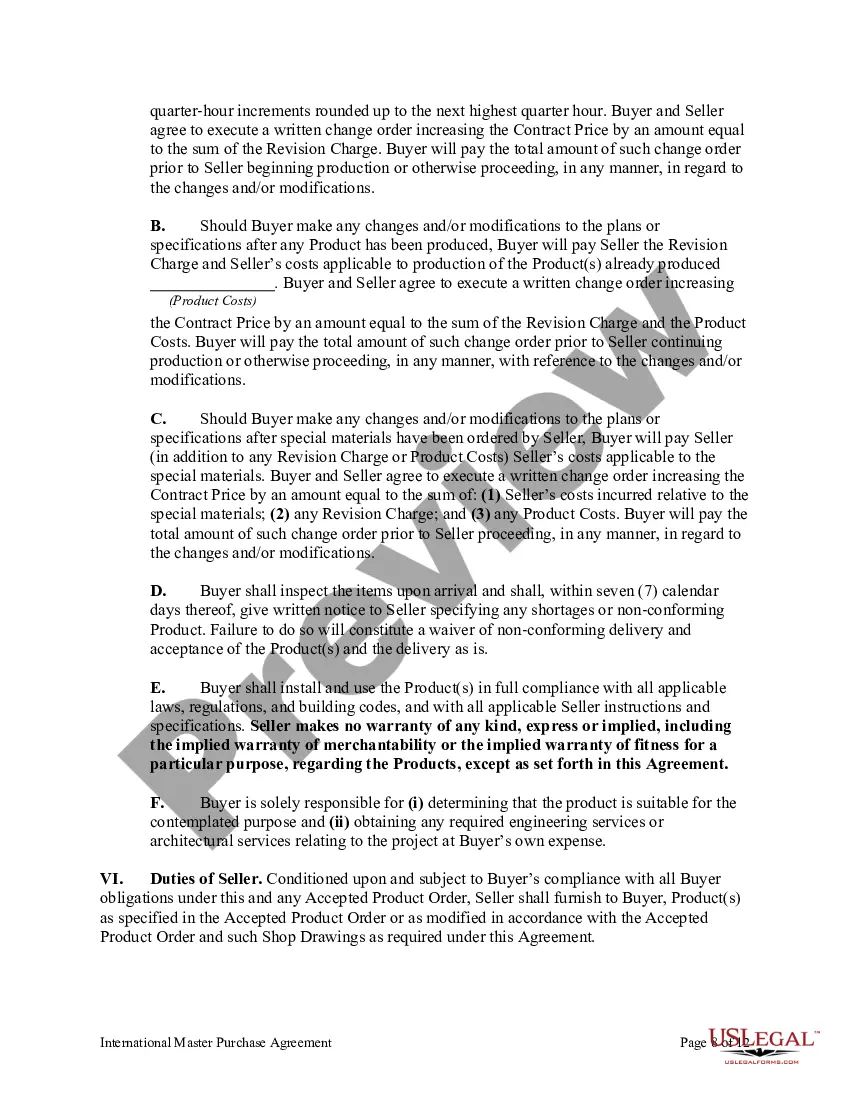
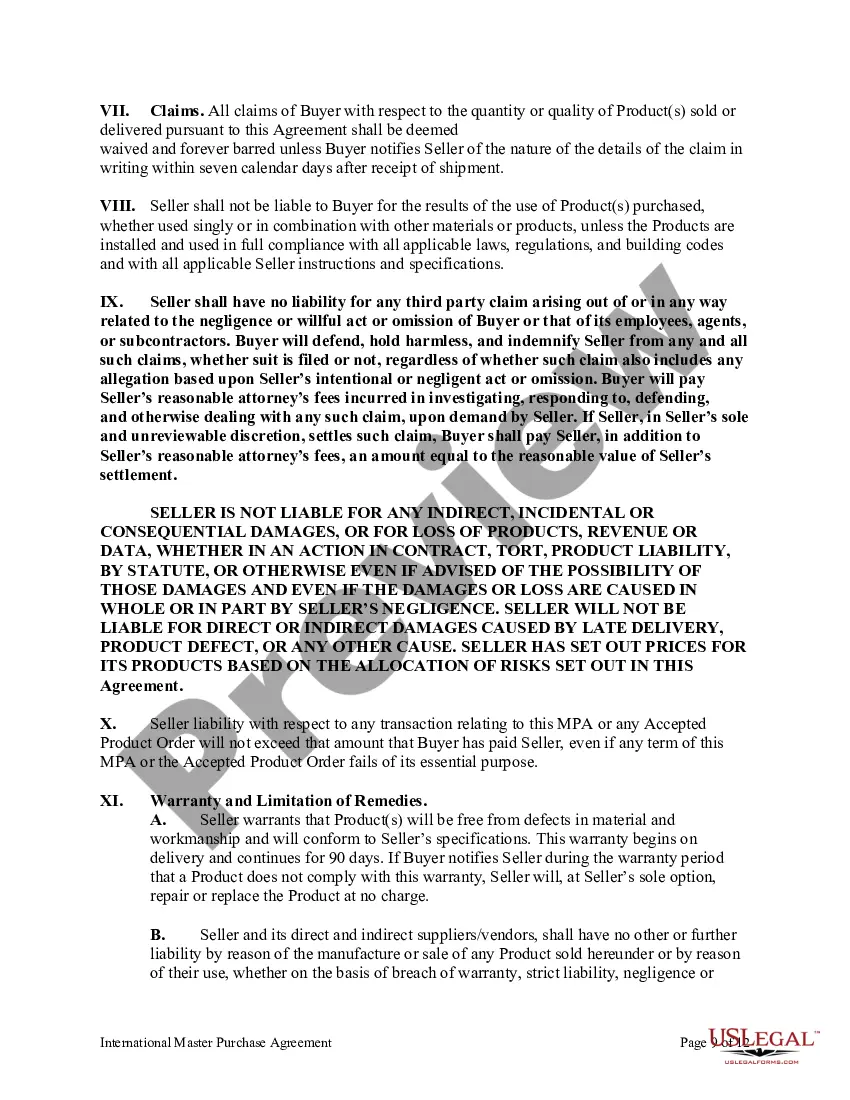



Get your form ready online
Our built-in tools help you complete, sign, share, and store your documents in one place.
Make edits, fill in missing information, and update formatting in US Legal Forms—just like you would in MS Word.
Download a copy, print it, send it by email, or mail it via USPS—whatever works best for your next step.
Sign and collect signatures with our SignNow integration. Send to multiple recipients, set reminders, and more. Go Premium to unlock E-Sign.
If this form requires notarization, complete it online through a secure video call—no need to meet a notary in person or wait for an appointment.
We protect your documents and personal data by following strict security and privacy standards.

Make edits, fill in missing information, and update formatting in US Legal Forms—just like you would in MS Word.

Download a copy, print it, send it by email, or mail it via USPS—whatever works best for your next step.

Sign and collect signatures with our SignNow integration. Send to multiple recipients, set reminders, and more. Go Premium to unlock E-Sign.

If this form requires notarization, complete it online through a secure video call—no need to meet a notary in person or wait for an appointment.

We protect your documents and personal data by following strict security and privacy standards.
Looking for another form?







Form popularity
FAQ
Most Collective Bargaining Agreements contain the following common elements: (1) a union recognition clause, (2) a management rights clause, (3) union rights provisions, (4) prohibitions on strikes and lockouts, (5) a union security clause, (6) nondiscrimination provisions, (7) grievance and arbitration procedures, (8) ...
The European Commission, abbreviated as EC, is the executive branch of the European Union. The EC is responsible for proposing legislation, implementing decisions, upholding the EU treaties and the general day-to-day running of the EU.
The six founding member countries of the European Community were Belgium, Germany, France, Italy, Luxembourg, and the Netherlands. In 1993, the European Community was replaced by the European Union when the Maastricht Treaty went into effect.
The kinds of terms and conditions covered by a collective agreement typically include wages and benefits, as well as terms and conditions of employment that relate to e.g., job postings; obligations and responsibilities of the employer, the employee and the union; and a dispute resolution process (usually a grievance ...
The European Economic Community (EEC) was a regional organisation created by the Treaty of Rome of 1957, aiming to foster economic integration among its member states. It was subsequently renamed the European Community (EC) upon becoming integrated into the first pillar of the newly formed European Union (EU) in 1993.
The European Commission is the EU's politically independent executive arm. It is alone responsible for drawing up proposals for new European legislation, and it implements the decisions of the European Parliament and the Council of the EU.
With more than 25,000 members, the Canadian Association of Professional Employees (CAPE) is one of the largest federal public service unions in Canada — dedicated to advocating on behalf of federal employees in the Economics and Social Science Services (EC) and Translation (TR) groups, as well as employees of the ...
A collective agreement is one between the employer and a group of employees headed by an employee representative. This agreement is one between the employer and everyone in that group. For example, a hospital might agree to raise the wages of its doctors after their union approached administrative staff.
The parties to collective bargaining are: one or more employers or one or more employers' organizations; and ▪ one or more workers' organizations.
The parties to collective bargaining are: one or more employers or one or more employers' organizations; and ▪ one or more workers' organizations.