Terminated Contract With In Ohio
Description
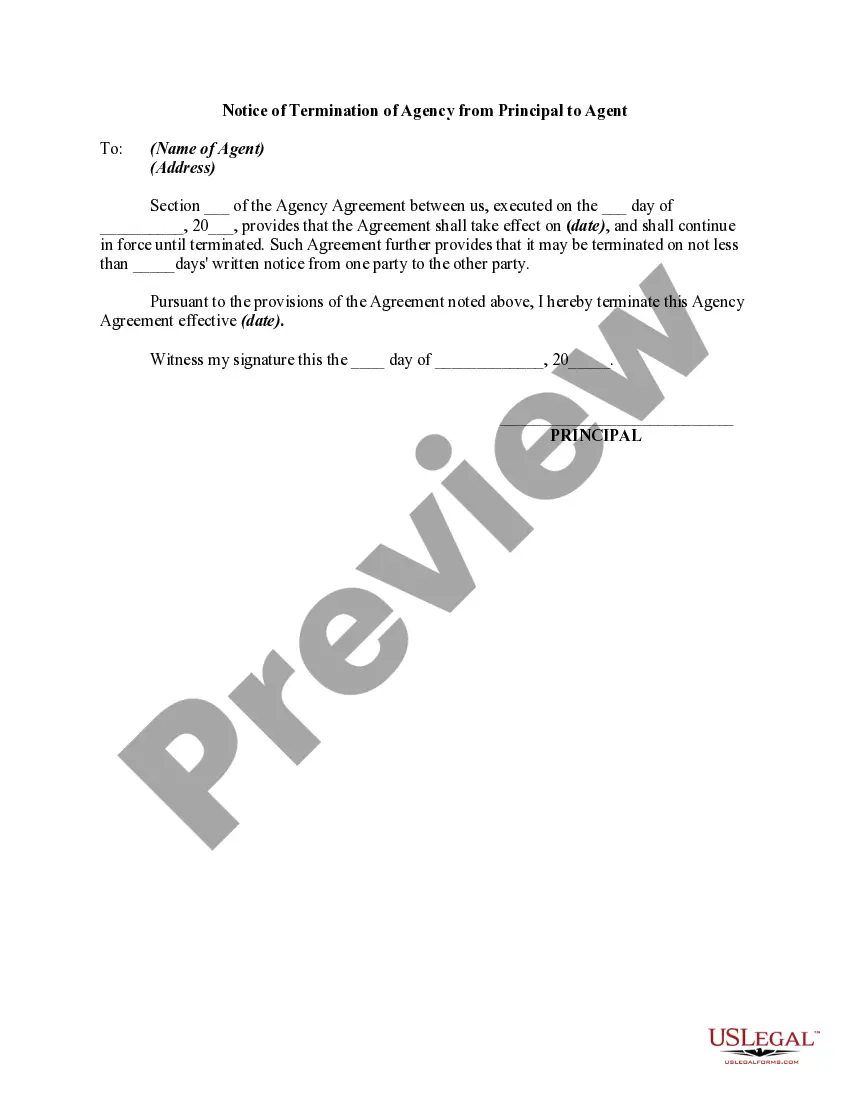
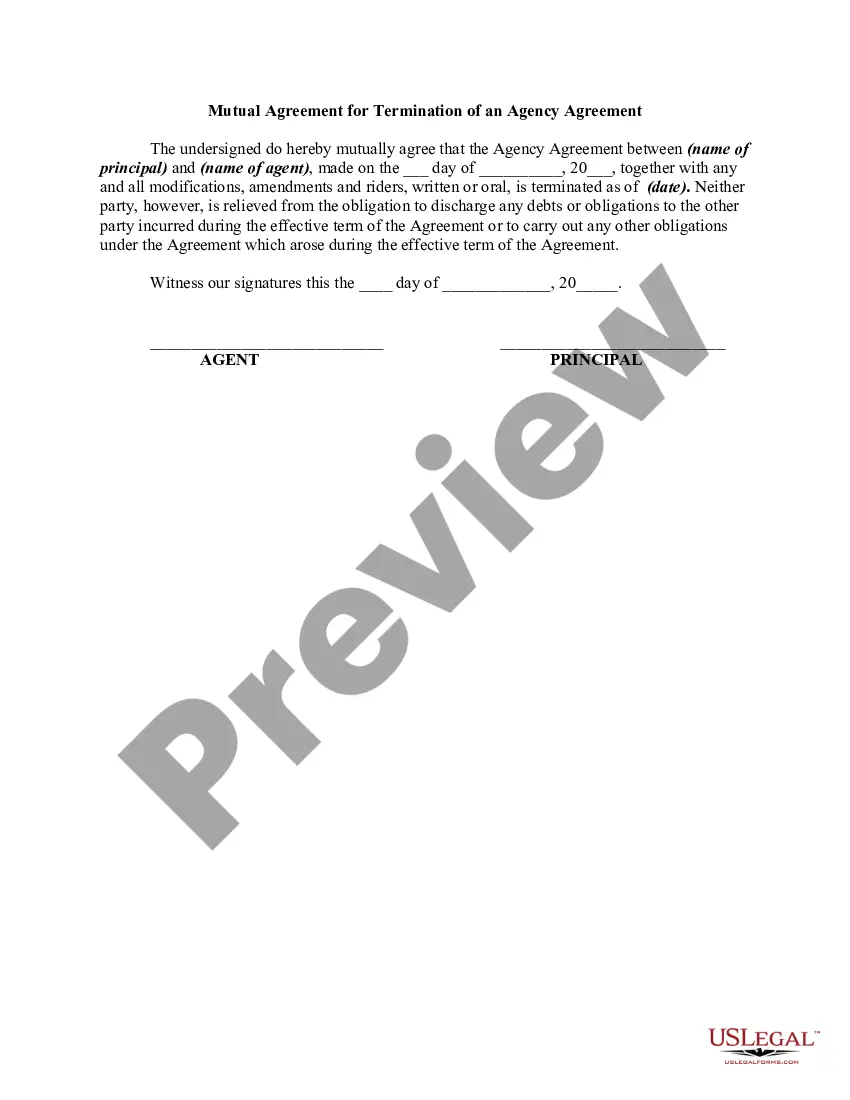
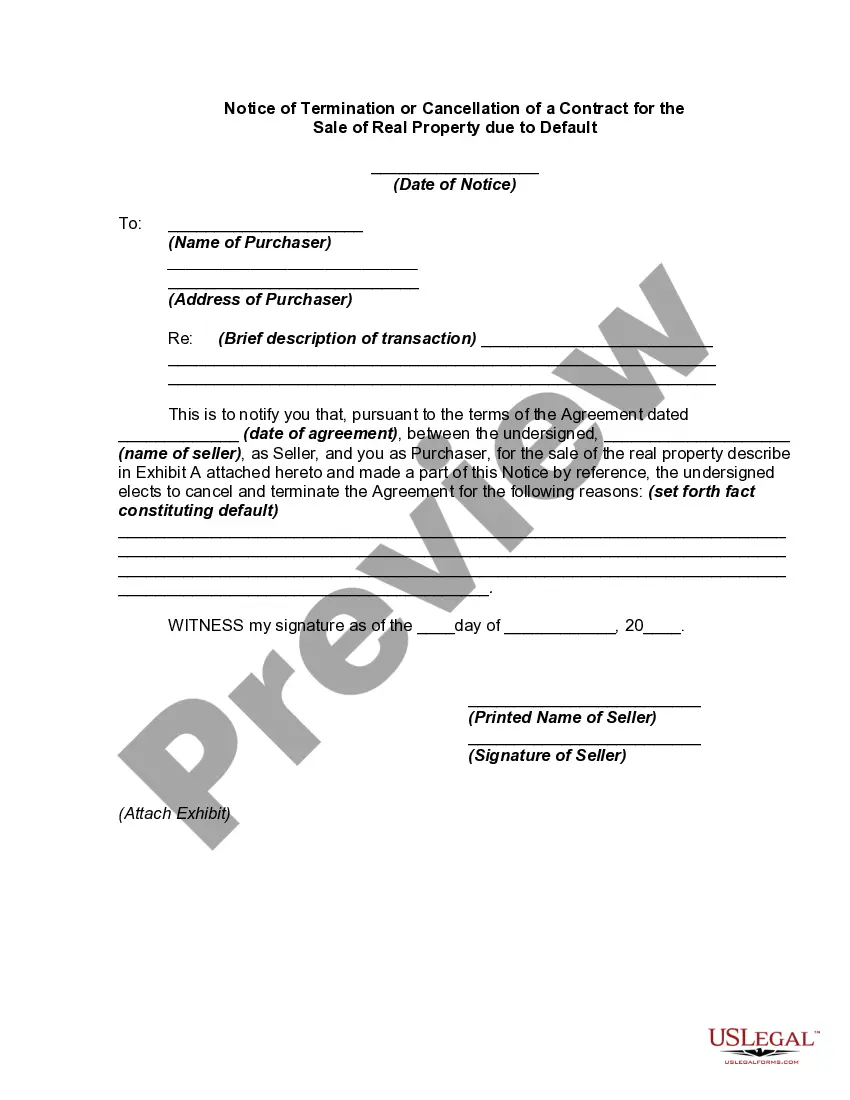
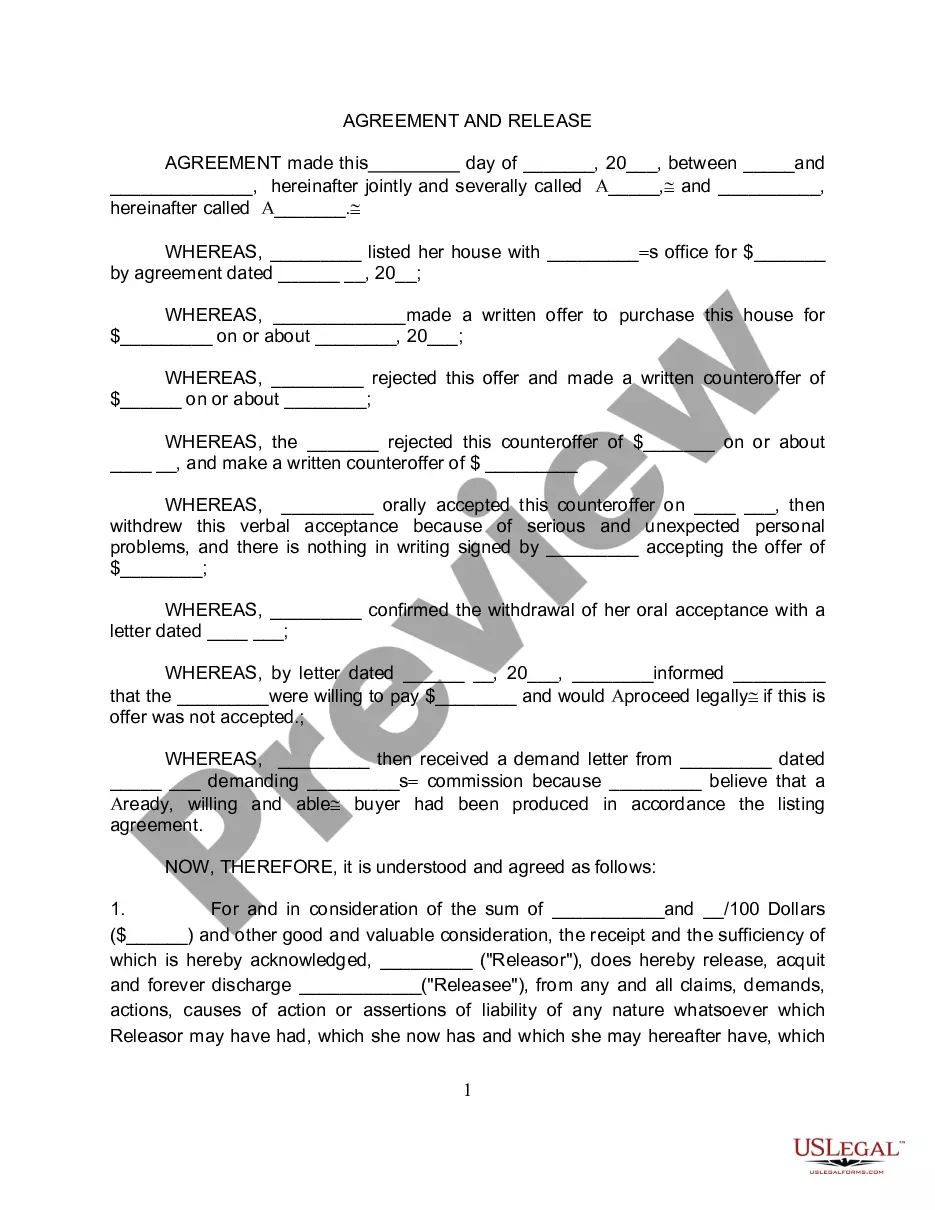
Get your form ready online
Our built-in tools help you complete, sign, share, and store your documents in one place.
Make edits, fill in missing information, and update formatting in US Legal Forms—just like you would in MS Word.
Download a copy, print it, send it by email, or mail it via USPS—whatever works best for your next step.
Sign and collect signatures with our SignNow integration. Send to multiple recipients, set reminders, and more. Go Premium to unlock E-Sign.
If this form requires notarization, complete it online through a secure video call—no need to meet a notary in person or wait for an appointment.
We protect your documents and personal data by following strict security and privacy standards.

Make edits, fill in missing information, and update formatting in US Legal Forms—just like you would in MS Word.

Download a copy, print it, send it by email, or mail it via USPS—whatever works best for your next step.

Sign and collect signatures with our SignNow integration. Send to multiple recipients, set reminders, and more. Go Premium to unlock E-Sign.

If this form requires notarization, complete it online through a secure video call—no need to meet a notary in person or wait for an appointment.

We protect your documents and personal data by following strict security and privacy standards.
Looking for another form?








Form popularity
FAQ
Ohio, as an “at-will” employment state, permits an employer, absent an employment contract to the contrary, to terminate an employee for no reason or any reason at all, so long as the reason does not violate Ohio or federal law.
If a contract is terminated, all parties will be freed from their responsibilities and obligations. This is also known as discharging a contract.
In Ohio, as in many other states, employment is considered “at-will.” This essentially means that an employer can fire or terminate an employee at any time for any reason, including reasons that are unfair or for no reason at all.
After a contract is terminated, the parties to the contract do not have any future obligations to each other. However, one or both parties might be liable for breach of the terms of the contract prior to termination. The terms of the contract might also determine what happens after the contract is terminated.
California Requirements California Unemployment Insurance Code 1089 requires employers to give a written Notice to Employee as to Change in Relationshipopens in a new tab form to all discharged or laid off employees immediately upon termination.
The termination process in Ohio doesn't have a specific mandated duration because the state follows the “at-will” employment doctrine, allowing employers to terminate employees at any time for any reason that is not illegal (as mandated by the state) without a notice period.
In Ohio, as in many other states, employment is considered “at-will.” This essentially means that an employer can fire or terminate an employee at any time for any reason, including reasons that are unfair or for no reason at all.
Ohio, as an “at-will” employment state, permits an employer, absent an employment contract to the contrary, to terminate an employee for no reason or any reason at all, so long as the reason does not violate Ohio or federal law.
The all-encompassing answer to this question is yes. You can sue for wrongful termination in Ohio, but wrongful termination must be alleged in an underlying legal claim, such as one relating to discrimination, retaliation, or some other unlawful reason.

