Contract Termination For Cause Examples In Maryland
Description
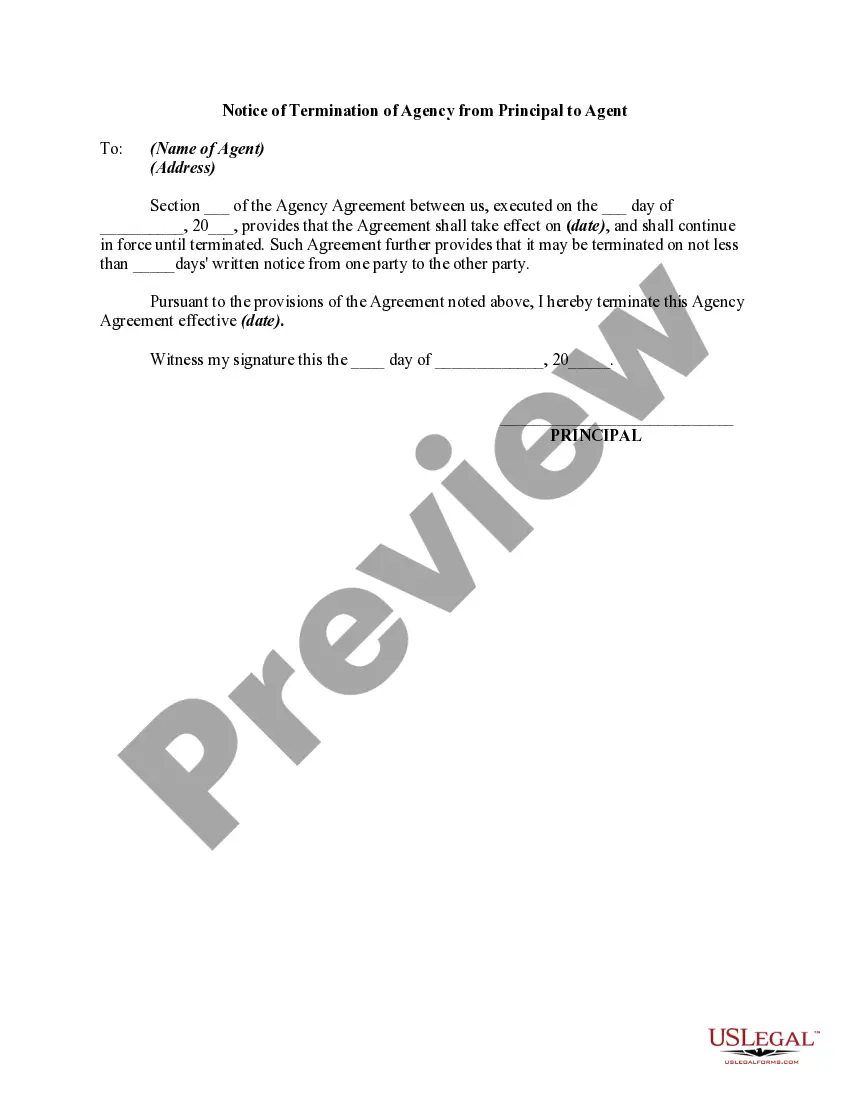
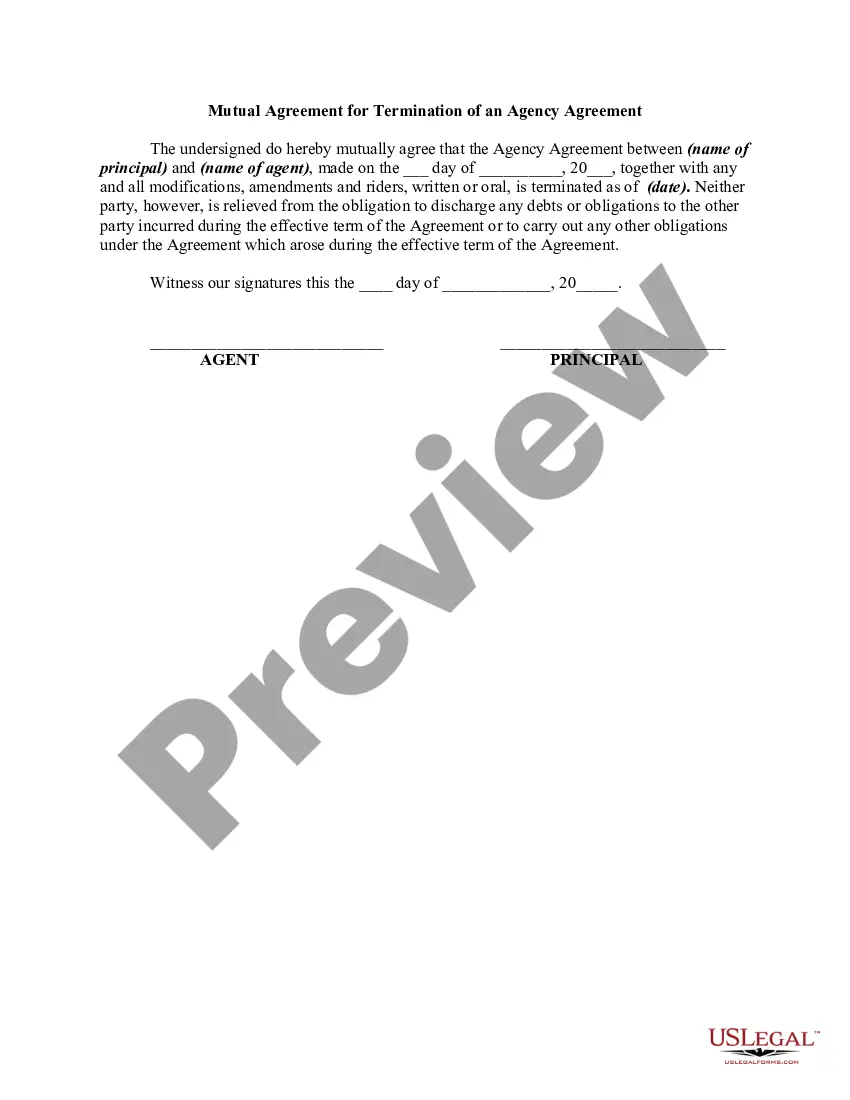
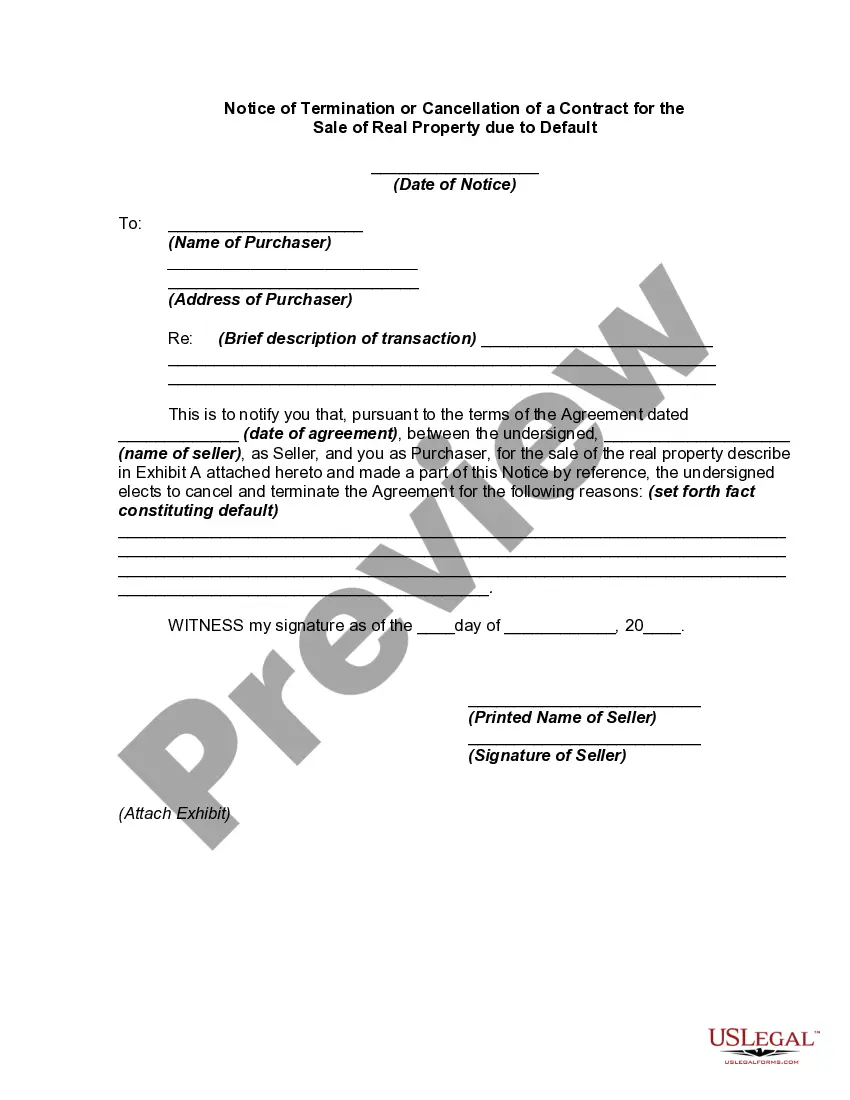
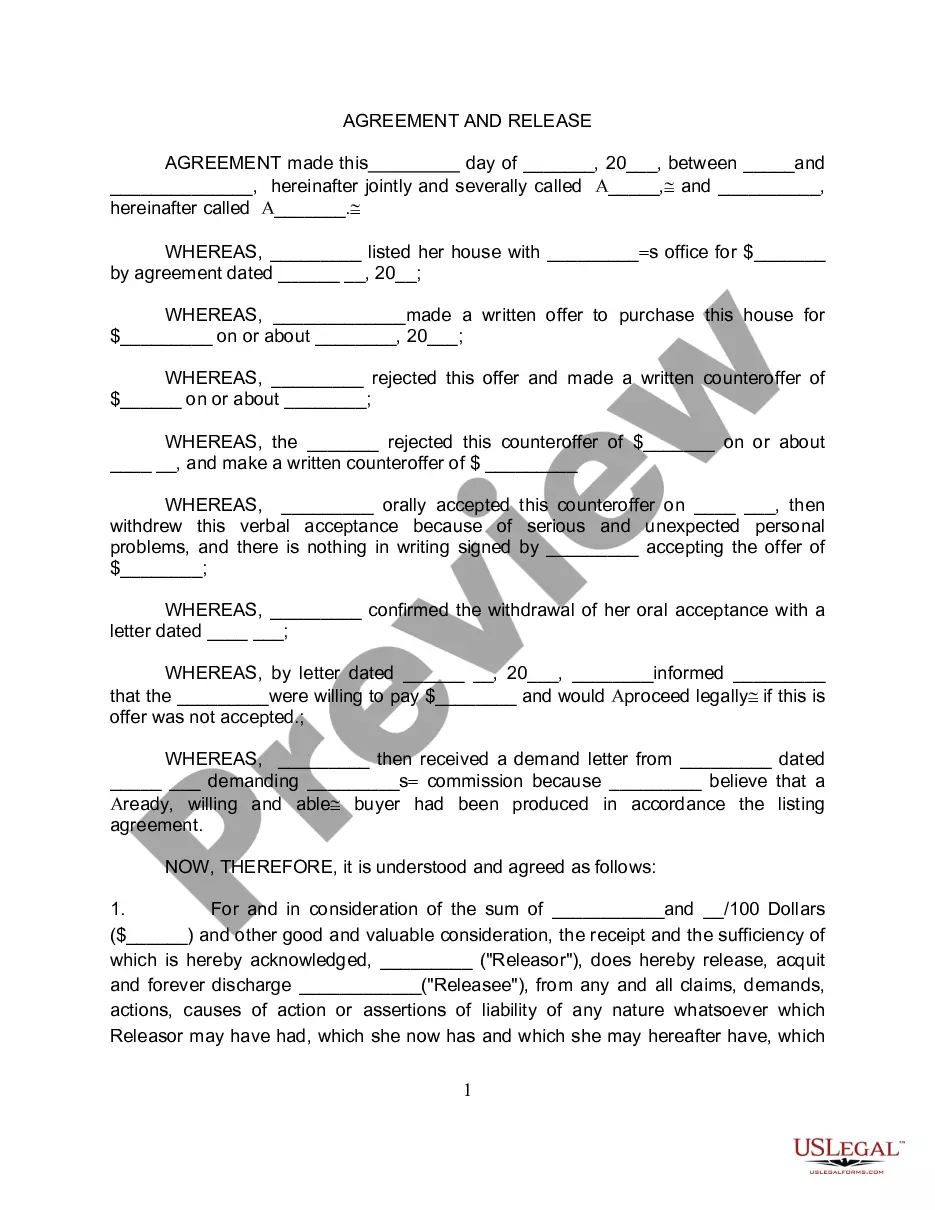
Get your form ready online
Our built-in tools help you complete, sign, share, and store your documents in one place.
Make edits, fill in missing information, and update formatting in US Legal Forms—just like you would in MS Word.
Download a copy, print it, send it by email, or mail it via USPS—whatever works best for your next step.
Sign and collect signatures with our SignNow integration. Send to multiple recipients, set reminders, and more. Go Premium to unlock E-Sign.
If this form requires notarization, complete it online through a secure video call—no need to meet a notary in person or wait for an appointment.
We protect your documents and personal data by following strict security and privacy standards.

Make edits, fill in missing information, and update formatting in US Legal Forms—just like you would in MS Word.

Download a copy, print it, send it by email, or mail it via USPS—whatever works best for your next step.

Sign and collect signatures with our SignNow integration. Send to multiple recipients, set reminders, and more. Go Premium to unlock E-Sign.

If this form requires notarization, complete it online through a secure video call—no need to meet a notary in person or wait for an appointment.

We protect your documents and personal data by following strict security and privacy standards.
Looking for another form?








Form popularity
FAQ
Keep it short but positive. If you were terminated for job performance issues, state the reason and what steps you've made to improve yourself since. Example: If you were terminated for failing to meet a monthly sales quota, you can explain the situation like this: "Let go for failing to meet selling standards.
Get a Written Explanation for Your Termination. You might want to ask your former employer for a written explanation of why you were fired -- to see whether their reasons mesh with your own hunches and to use as documentation in a wrongful termination lawsuit, if it comes to that.
Proving Just Cause: Employer's Burden An employer must establish that the employee's misconduct was so severe that it fractured the employment relationship beyond repair. This burden of proof is not an easy one to meet. The employer must first provide clear evidence of the employee's misconduct.
The six critical pieces of information to include are: The effective date of termination. The reason for dismissal. Compensation and benefits information going forward. Company property that is to be returned. Reminder of signed employment documents. Name and contact information for a human resources representative.
Termination for cause is the dismissal of an employee for a satisfactory reason. An employee may be fired for various reasons that may include misconduct, fraud and disclosure of confidential information.
To win a wrongful termination case in Maryland, you need to prove three things: Your employer terminated you. Your termination violated Maryland public policy. A connection exists between your termination and the public policy.
The vast majority of employment relationships in Maryland and D.C. are what the law refers to as “at-will.” This generally means that an employer may terminate an employee for any reason or no reason, while an employee may leave his or her job for any reason or no reason.
In Maryland, employees work "at the will" of their employers. This means, in the absence of an express contract, agreement or policy to the contrary, an employee may be hired or fired for almost any reason -- whether fair or not -- or for no reason at all; based on non-discrimination.
Under California law, employers must provide notice to employees before termination. For employees who have been employed for less than one year, the notice period is at least 90 days. For employees who have been employed for more than one year, the notice period is at least 60 days.

