Contract Termination With Cause In Maricopa
Description
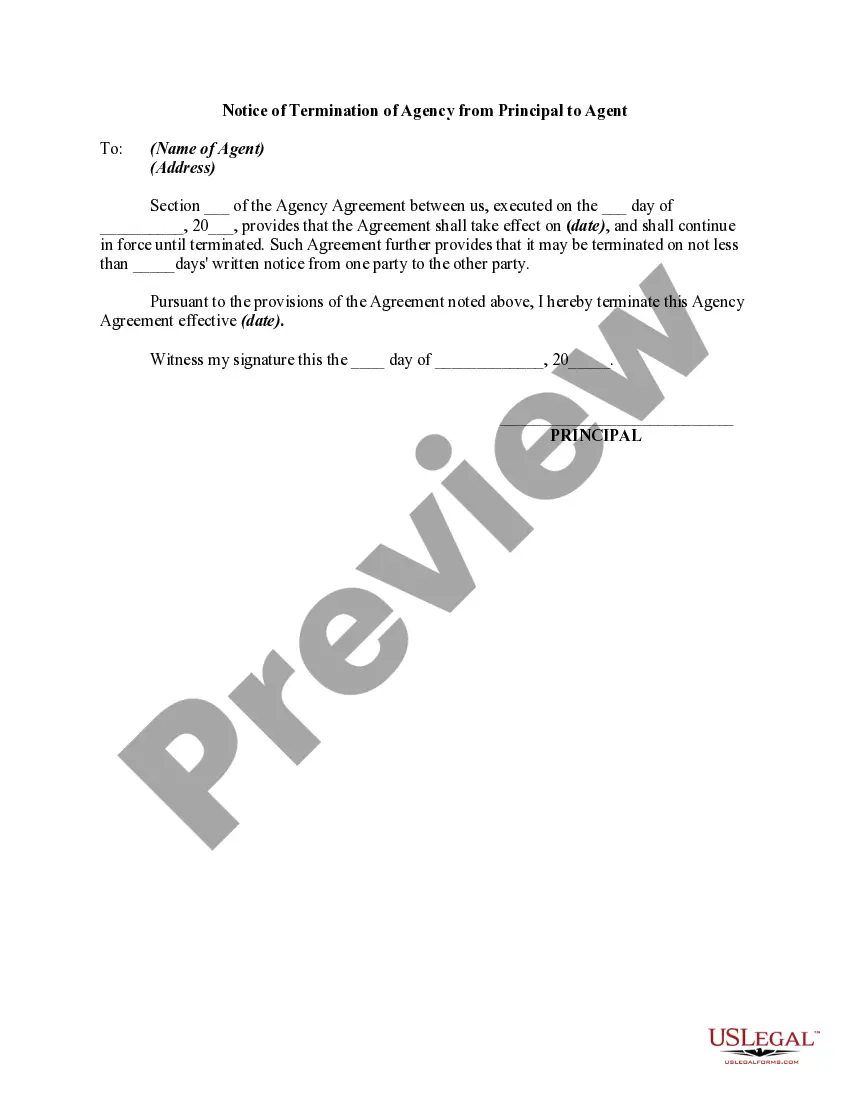
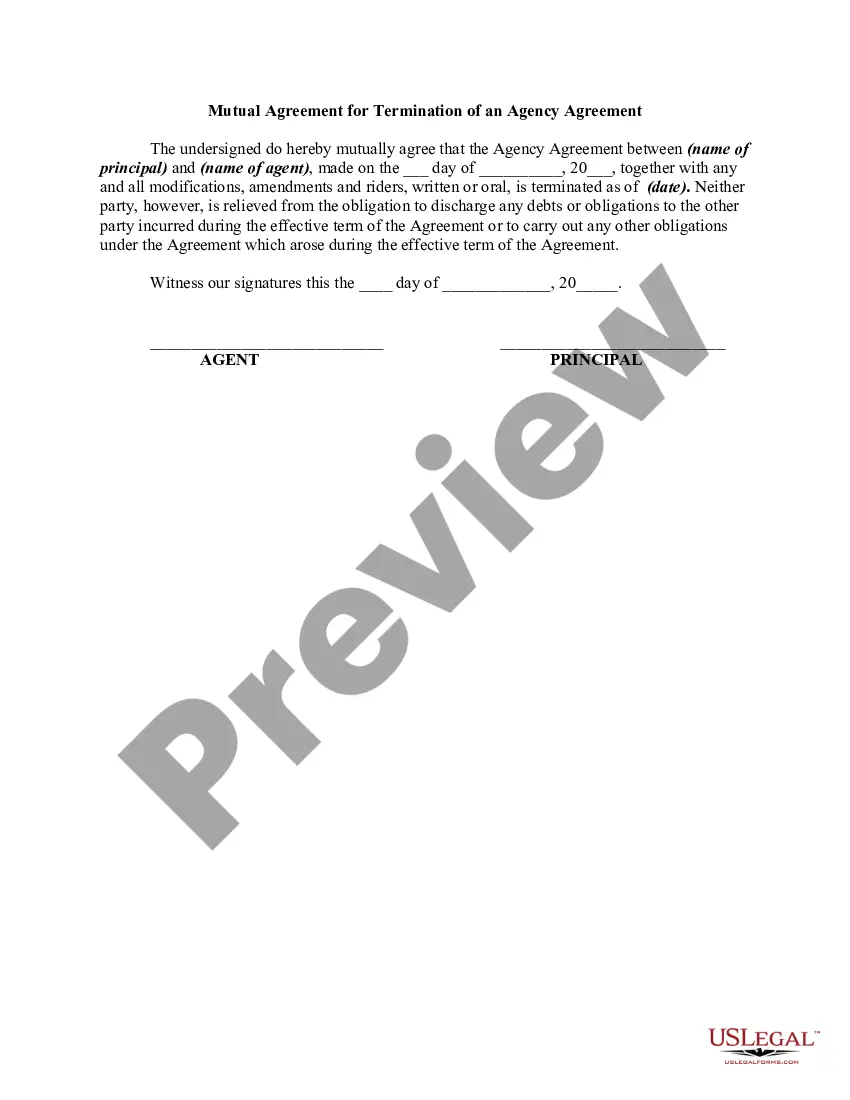
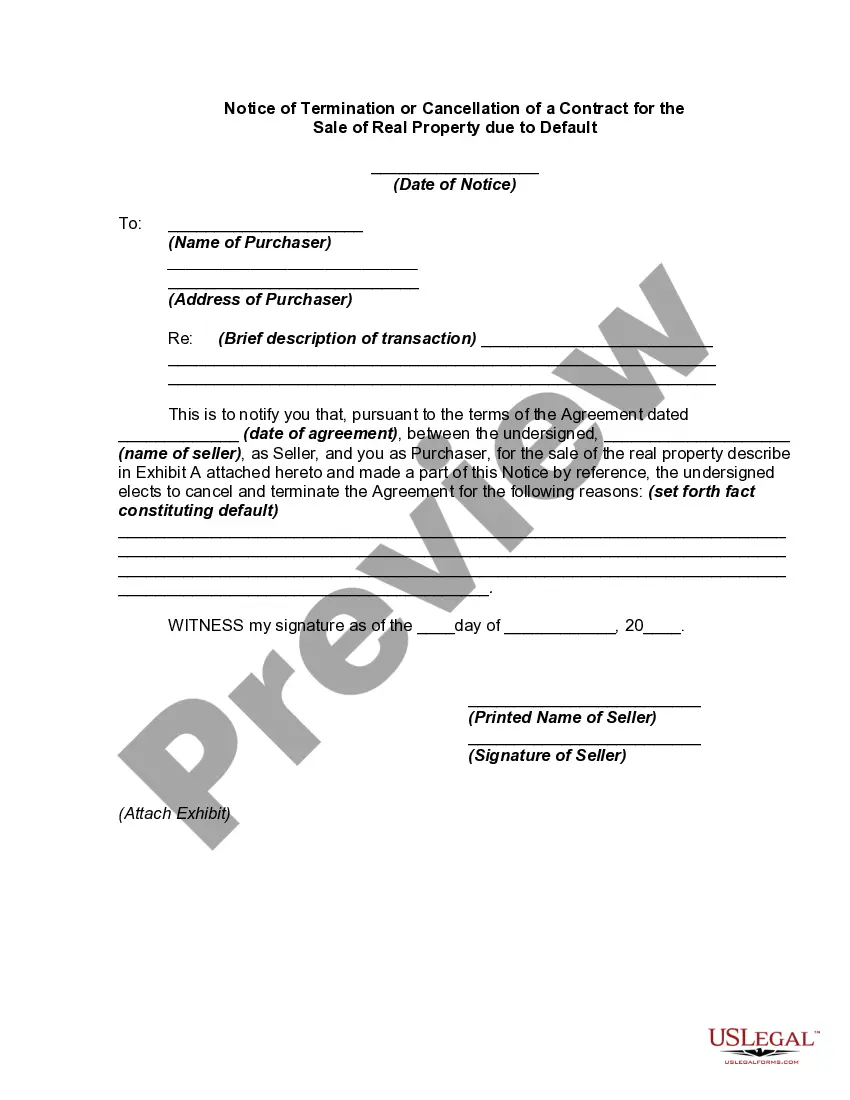
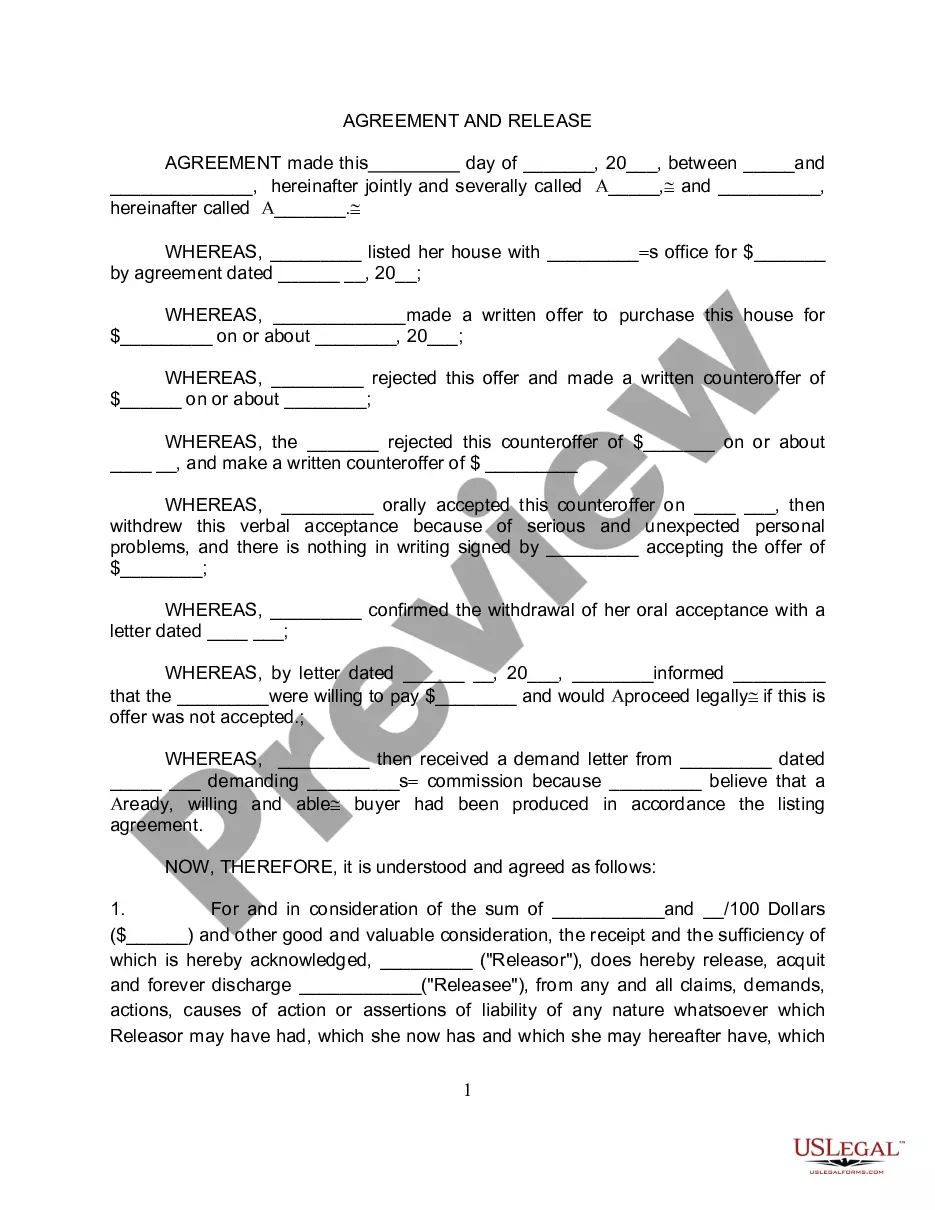
Get your form ready online
Our built-in tools help you complete, sign, share, and store your documents in one place.
Make edits, fill in missing information, and update formatting in US Legal Forms—just like you would in MS Word.
Download a copy, print it, send it by email, or mail it via USPS—whatever works best for your next step.
Sign and collect signatures with our SignNow integration. Send to multiple recipients, set reminders, and more. Go Premium to unlock E-Sign.
If this form requires notarization, complete it online through a secure video call—no need to meet a notary in person or wait for an appointment.
We protect your documents and personal data by following strict security and privacy standards.

Make edits, fill in missing information, and update formatting in US Legal Forms—just like you would in MS Word.

Download a copy, print it, send it by email, or mail it via USPS—whatever works best for your next step.

Sign and collect signatures with our SignNow integration. Send to multiple recipients, set reminders, and more. Go Premium to unlock E-Sign.

If this form requires notarization, complete it online through a secure video call—no need to meet a notary in person or wait for an appointment.

We protect your documents and personal data by following strict security and privacy standards.
Looking for another form?







Form popularity
FAQ
These are some examples of just cause termination: Infringement on the company's code of conduct or ethics policy. Failure to adhere to company policy. Contract infringement.
Arizona follows the “at-will” employment doctrine, allowing employers to terminate employees without cause as long as the termination is not discriminatory or retaliatory.
They are called just causes because the termination of employment is justified due to an employee's actions, behavior, or omission, either of which resulted in a serious or grave violation of the law, employment contract, company policies, collective bargaining agreement, and any other employment agreement.
What is Termination for Cause? Termination for cause refers to the firing of an employee for valid, legally classified reasons. In order for termination for cause to be justifiable, the reason for the termination must be serious and legitimate.
Employers have the right to terminate employees but must give notice that the employment is ending. An exception to the notice requirement applies where the employer can prove just cause. Just cause refers to conduct that is of such a serious nature or extent that it essentially breaks the employment relationship.
A "just cause" dismissal (also referred to as "dismissal for cause" or "summary dismissal") is the termination of employment initiated by the employer in response to employee misconduct that is so serious that it either: Violates an essential condition of the employment contract.
Termination for cause occurs when a party's actions or inactions cause the contract to break down. This could be because they've failed or refused to perform their contractual obligations and breached the contract, for example.
In order for your employer to let you go for cause, they must prove that: You intentionally engaged in misconduct. The level of misconduct was severe. Termination for cause was the only option available to them.
Steps to Take if You've Been Wrongfully Terminated in Arizona Understand the Reason for Your Termination. Document Everything Related to Your Termination. Know Your Employment Rights in Arizona. File a Complaint with the Equal Employment Opportunity Commission (EEOC) ... Seek Legal Advice from an Employment Lawyer.
Termination for cause ensues when the employees' actions are against policy and may lead to serious repercussions for the company, clients and other employees. Termination of employee services with cause may be necessitated by a violation of the company's code of conduct or continuous poor performance.

