Termination Letter Template For Employee In Broward
Description
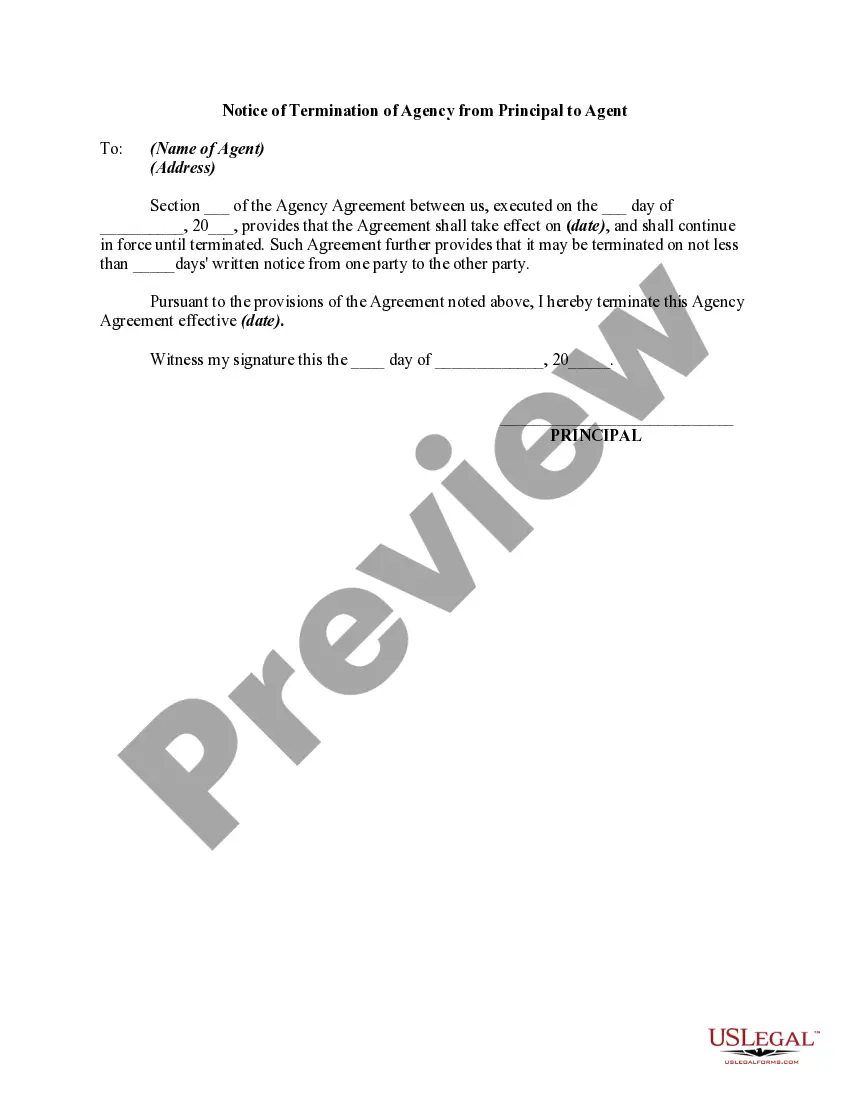
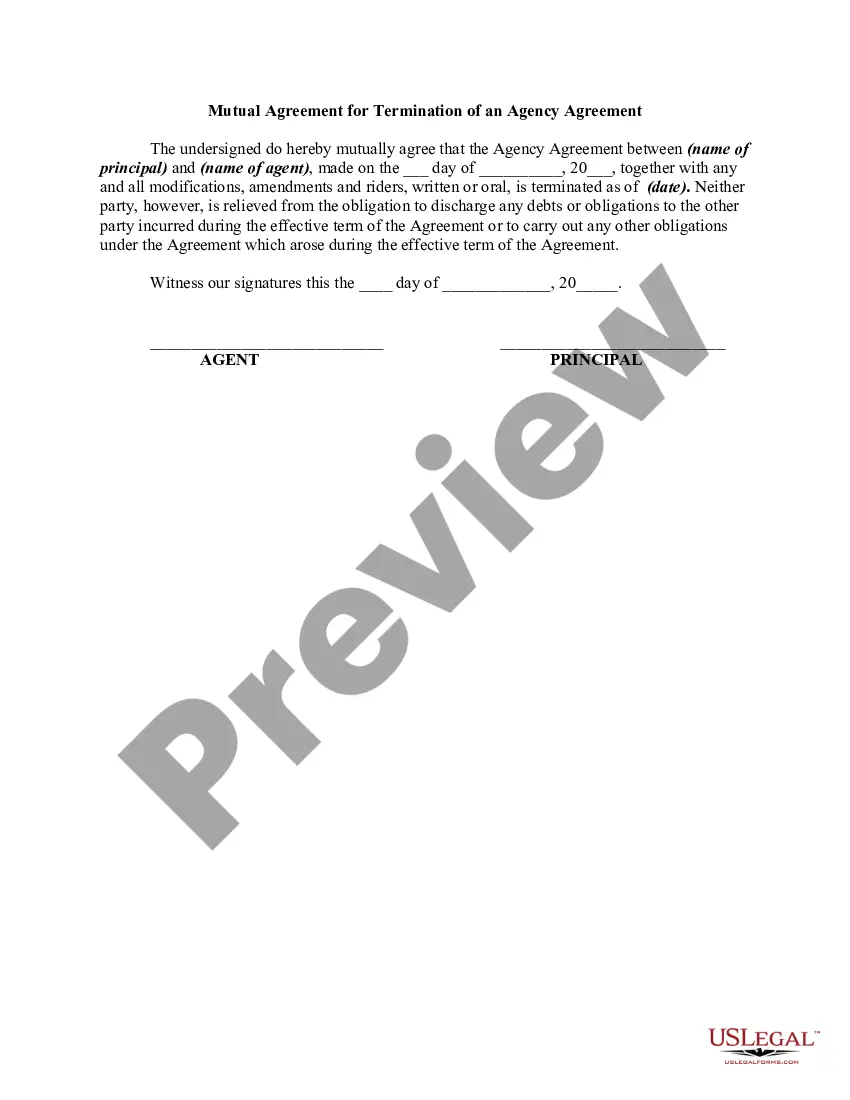
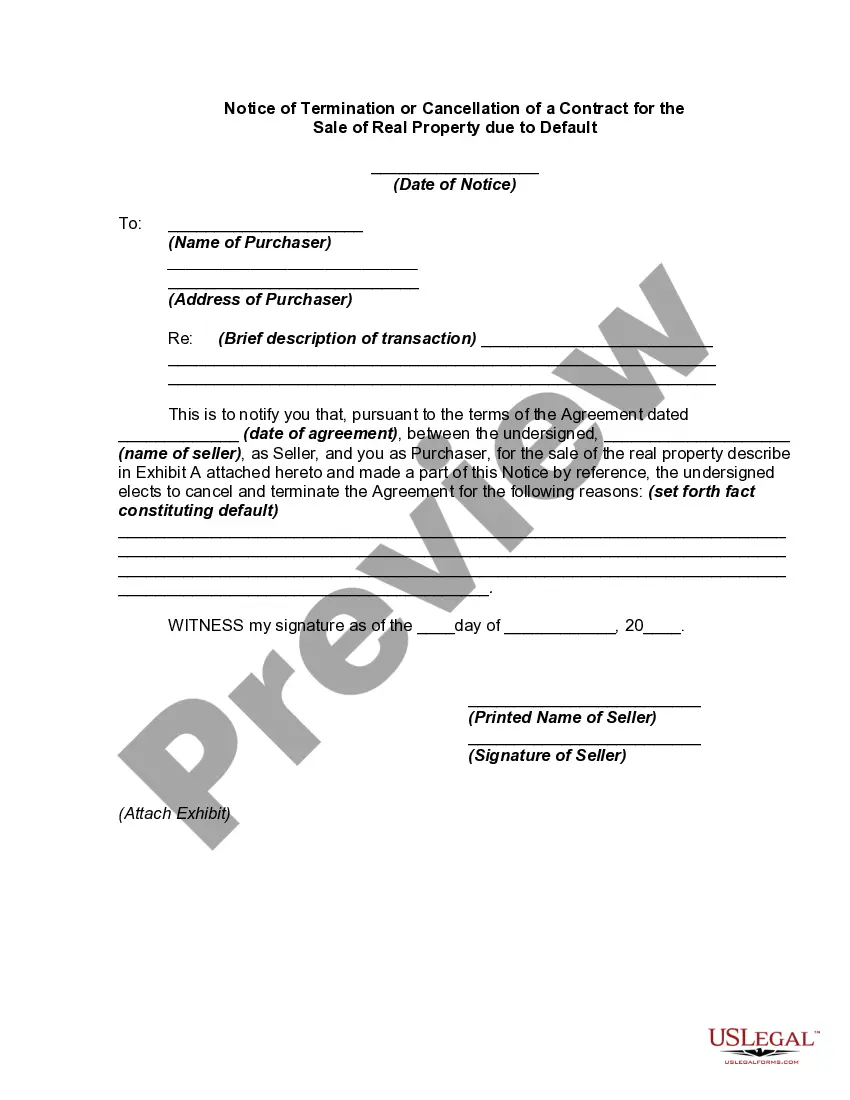
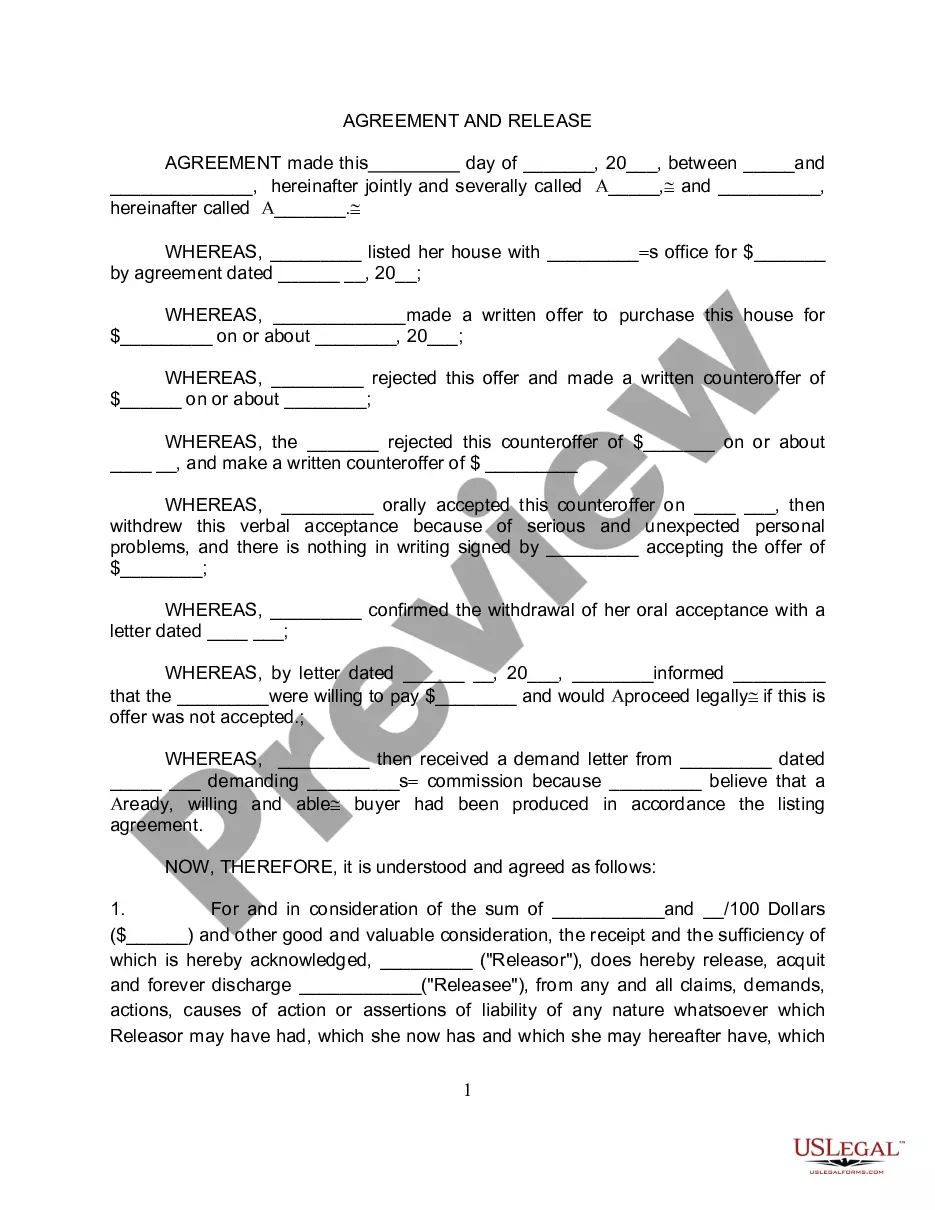
Get your form ready online
Our built-in tools help you complete, sign, share, and store your documents in one place.
Make edits, fill in missing information, and update formatting in US Legal Forms—just like you would in MS Word.
Download a copy, print it, send it by email, or mail it via USPS—whatever works best for your next step.
Sign and collect signatures with our SignNow integration. Send to multiple recipients, set reminders, and more. Go Premium to unlock E-Sign.
If this form requires notarization, complete it online through a secure video call—no need to meet a notary in person or wait for an appointment.
We protect your documents and personal data by following strict security and privacy standards.

Make edits, fill in missing information, and update formatting in US Legal Forms—just like you would in MS Word.

Download a copy, print it, send it by email, or mail it via USPS—whatever works best for your next step.

Sign and collect signatures with our SignNow integration. Send to multiple recipients, set reminders, and more. Go Premium to unlock E-Sign.

If this form requires notarization, complete it online through a secure video call—no need to meet a notary in person or wait for an appointment.

We protect your documents and personal data by following strict security and privacy standards.
Looking for another form?








Form popularity
FAQ
Termination letters usually include details such as: The date of termination. The reason for the termination (while not always required, many include it) Any severance benefits or other compensation the employee is entitled to. Instructions for the return of company property.
How to write an employee termination letter with ease Choose your tone carefully. Gather all necessary details. Start with basic information. Notify the employee of their termination date. State the reason(s) for termination of employment. Explain compensation and benefits going forward. Outline next steps and disclaimers.
Best Practices for Writing Employee Termination Letters and Emails Maintain a Professional and Compassionate Tone. Be Clear and Concise. Explain the Reason for Termination. Outline the Next Steps and Final Arrangements. Mention Any Severance and Benefits Information. Reiterate Confidentiality and Non-Disclosure Agreements.
How to Write a Termination Letter Start with empathy. Be direct and concise. Explain your decision. Express appreciation. Offer support. Provide administrative and logistical information. Be respectful and professional. Review the letter with the HR department.
Here are the following tips before writing a termination letter: Maintain Professionalism. Maintaining professionalism is crucial throughout the termination process. Gather Necessary Details. Mention the Termination Date. State a Reason for Termination. Explain Compensation and Benefits. Confirms Employee Details.
How to fire an employee gracefully Offer opportunities for improvement beforehand. Have HR as a witness. Meet face-to-face. Keep it clear, short, and professional. Before the employee leaves the building. Tell your team the news. Prepare for the future.
Following are the essential steps involved in writing a proper termination letter: Start with the date. Address the employee. Make a formal statement of termination. Specify the date of termination. Include the reasons for termination. Explain the settlement details. Request them to return the company property.
Florida is an at-will state. Absent a contract or collective bargaining agreement, the employer or the employee can terminate the employment relationship at any time, with or without cause, with or without notice.
Dear Employee Name, This letter formally informs you that your employment with Company Name is being terminated, effective immediately date of Termination. This decision is based on a confirmed violation of our company's policies regarding specify the specific policy violated, e.g., harassment, theft, violence.

