Competition Non Competition With Friends In Suffolk
Description

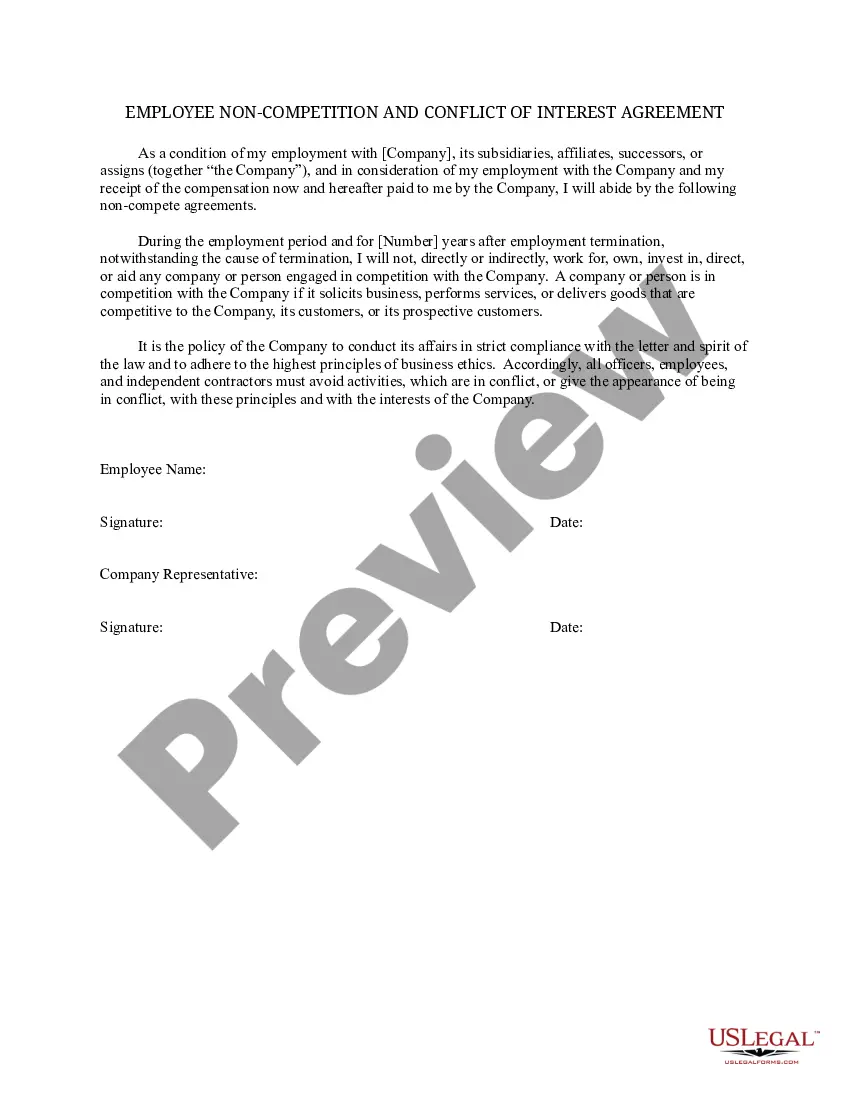
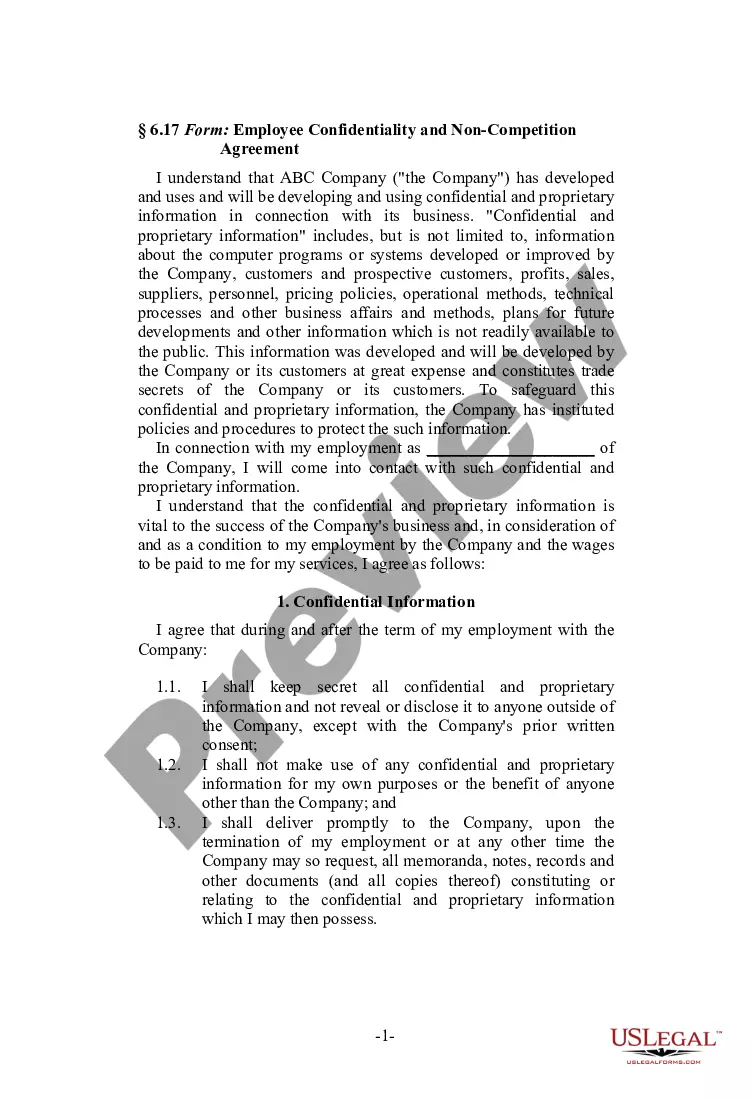
Get your form ready online
Our built-in tools help you complete, sign, share, and store your documents in one place.
Make edits, fill in missing information, and update formatting in US Legal Forms—just like you would in MS Word.
Download a copy, print it, send it by email, or mail it via USPS—whatever works best for your next step.
Sign and collect signatures with our SignNow integration. Send to multiple recipients, set reminders, and more. Go Premium to unlock E-Sign.
If this form requires notarization, complete it online through a secure video call—no need to meet a notary in person or wait for an appointment.
We protect your documents and personal data by following strict security and privacy standards.

Make edits, fill in missing information, and update formatting in US Legal Forms—just like you would in MS Word.

Download a copy, print it, send it by email, or mail it via USPS—whatever works best for your next step.

Sign and collect signatures with our SignNow integration. Send to multiple recipients, set reminders, and more. Go Premium to unlock E-Sign.

If this form requires notarization, complete it online through a secure video call—no need to meet a notary in person or wait for an appointment.

We protect your documents and personal data by following strict security and privacy standards.
Looking for another form?
Form popularity
FAQ
The case is noteworthy because the Supreme Court has now decisively shut the legal door on non-competition agreements that do not fit within specific statutory exceptions. The federal courts interpreting California law had permitted some non-compete agreements under a narrow-restraint exception.
A noncompete agreement has the ability to threaten your future job prospects, prohibit you from using your hard earned skills and compromise your livelihood. Fortunately, it is unlawful for an employer to enforce non-compete agreements in California.
With limited exceptions, under the new law, the longest duration allowed for a non-competition agreement is one year. The duration can be extended to two years where the former employee breached a fiduciary duty to the company or has unlawfully taken company property. – Reasonable in scope of prohibited conduct.
Several factors can void or limit the enforceability of a non-compete agreement, including overly broad restrictions, unreasonable time frames or geographical limits, lack of consideration (such as compensation or job opportunities provided in exchange for the agreement), and violation of public policy.
compete is only allowed and enforceable to the extent it (1) is necessary to protect the employer's legitimate interests, (2) does not impose an undue hardship on the employee, (3) does not harm the public, and (4) is reasonable in time period and geographic scope.
LEGITIMATE BUSINESS INTEREST In Massachusetts, a non-compete is only enforceable to protect a legitimate business interest.
On April 23, 2024, the FTC announced its Final Non-Compete Clause Rule (“Final Rule”), which bans post-employment non-compete clauses between employers and their workers. The Final Rule becomes effective 120 days after being published in the Federal Register (Effective Date).
In Massachusetts, a non-compete is only enforceable to protect a legitimate business interest.
If an employee violates their non-compete agreement, an employer may initiate legal proceedings, often with the assistance of an employment attorney. Legal measures can include initiating a lawsuit to claim damages and requesting an injunction to halt continued breaches of the non-compete agreement by the employee.
