Competition Noncompetition For 2023 In Ohio
Description

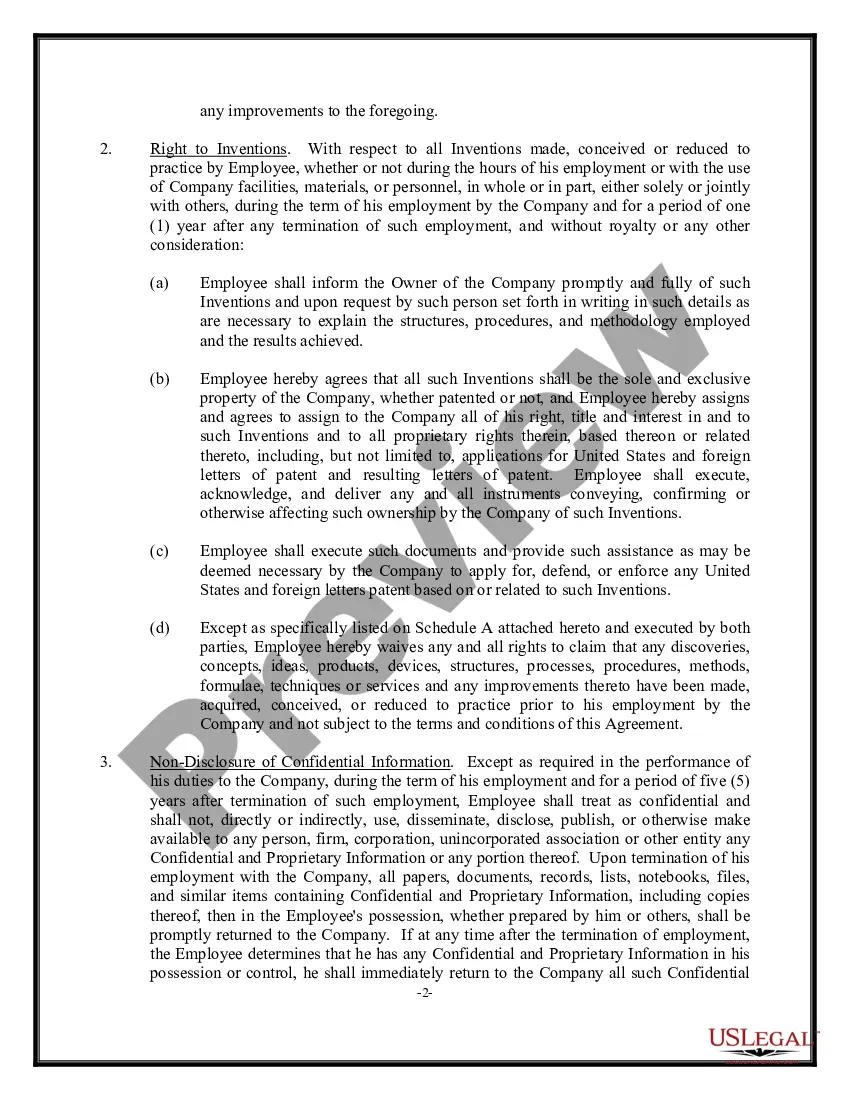
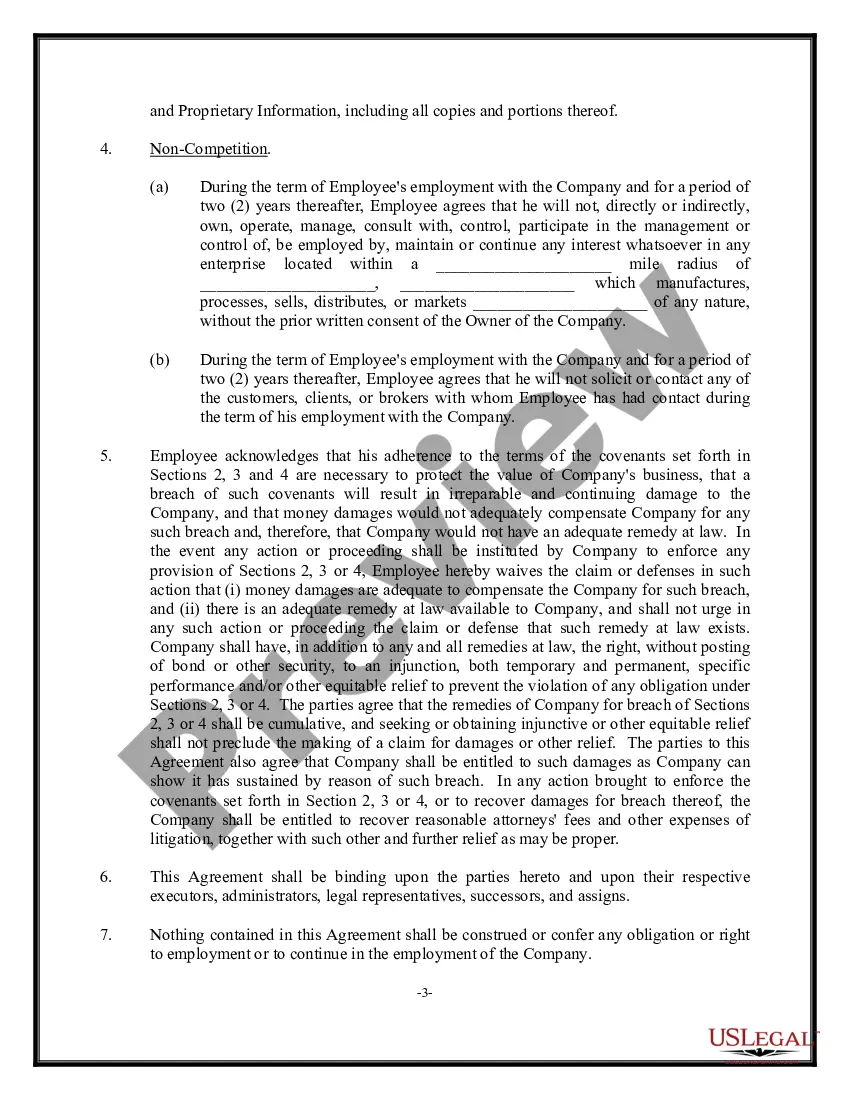
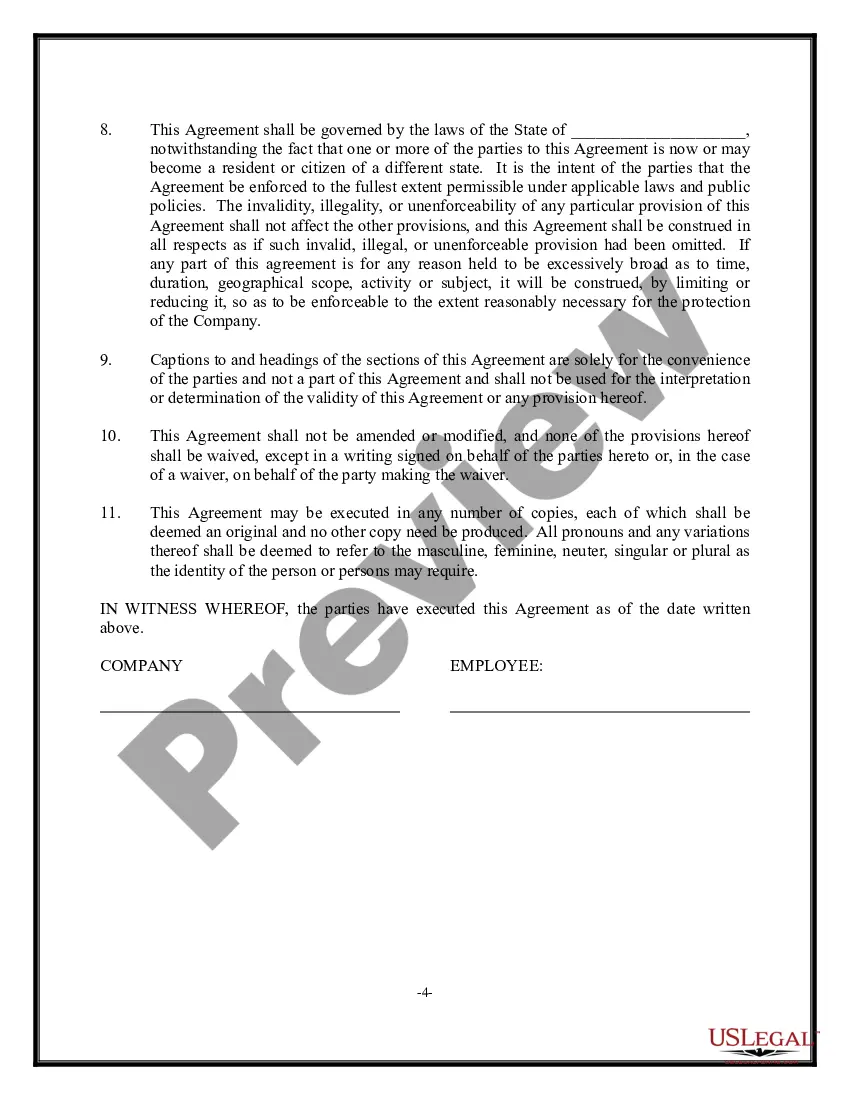
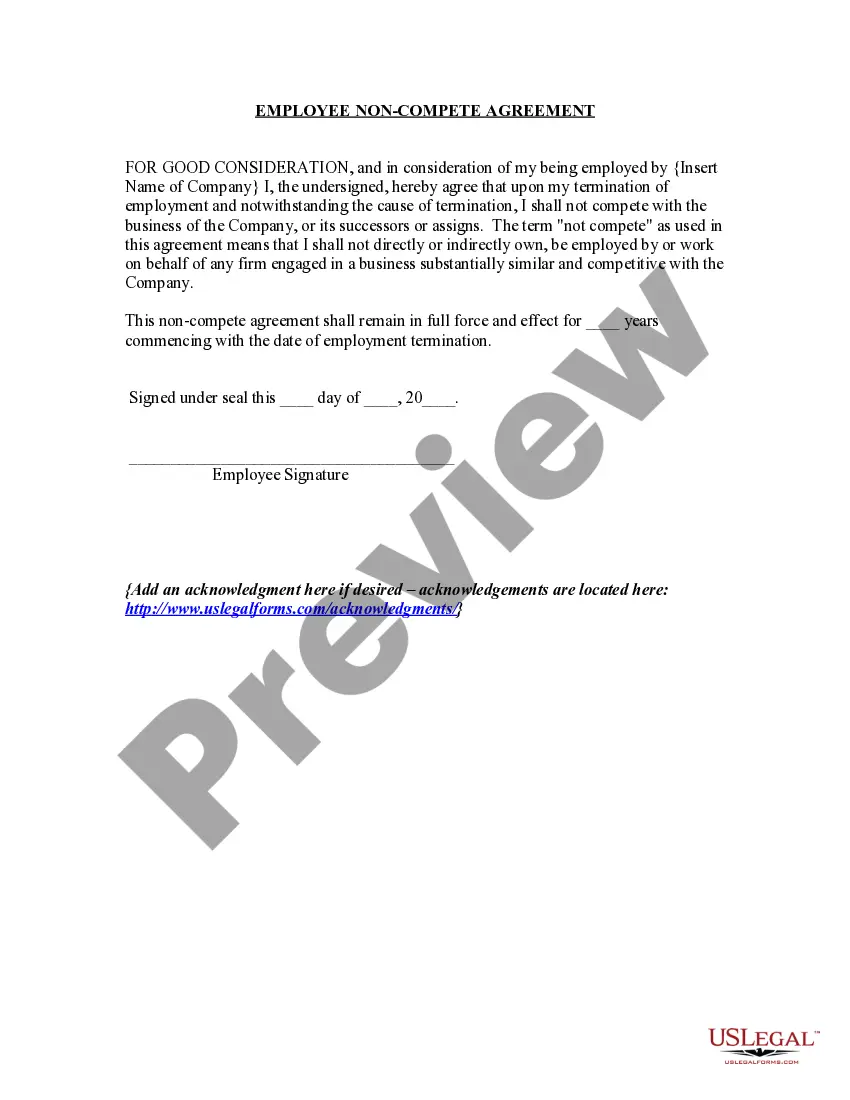
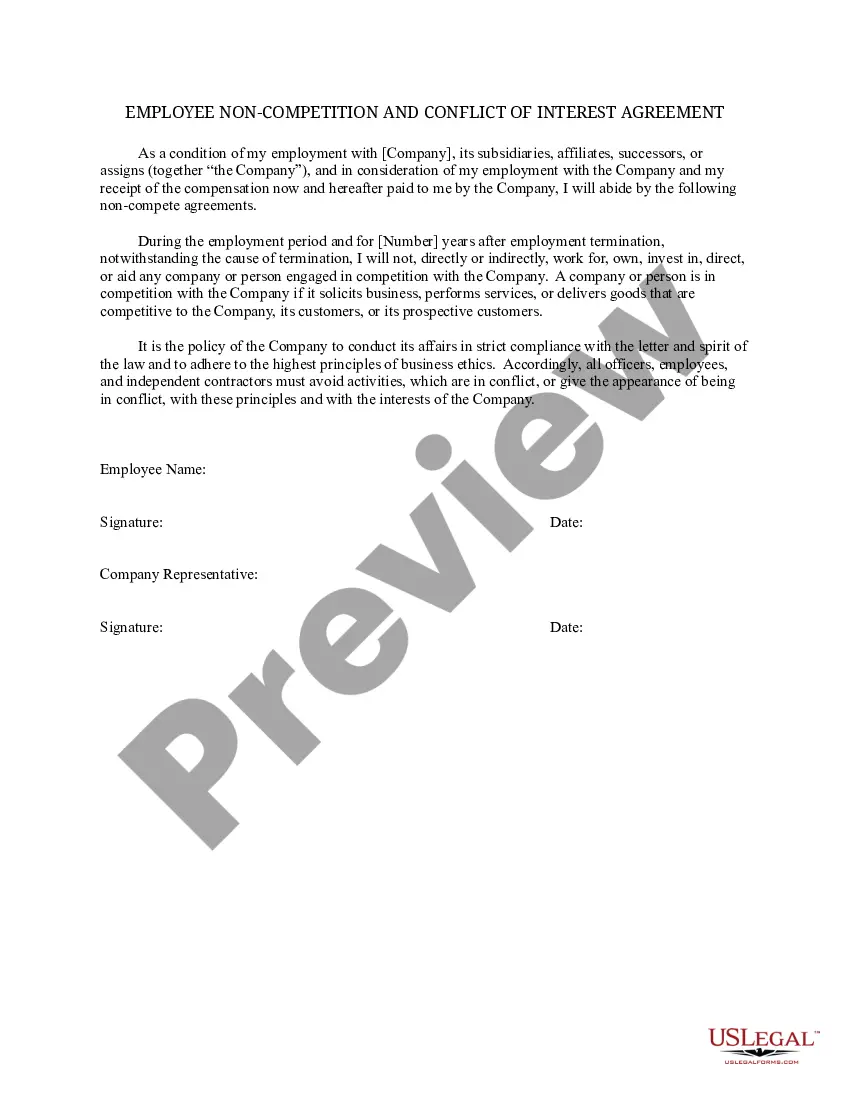
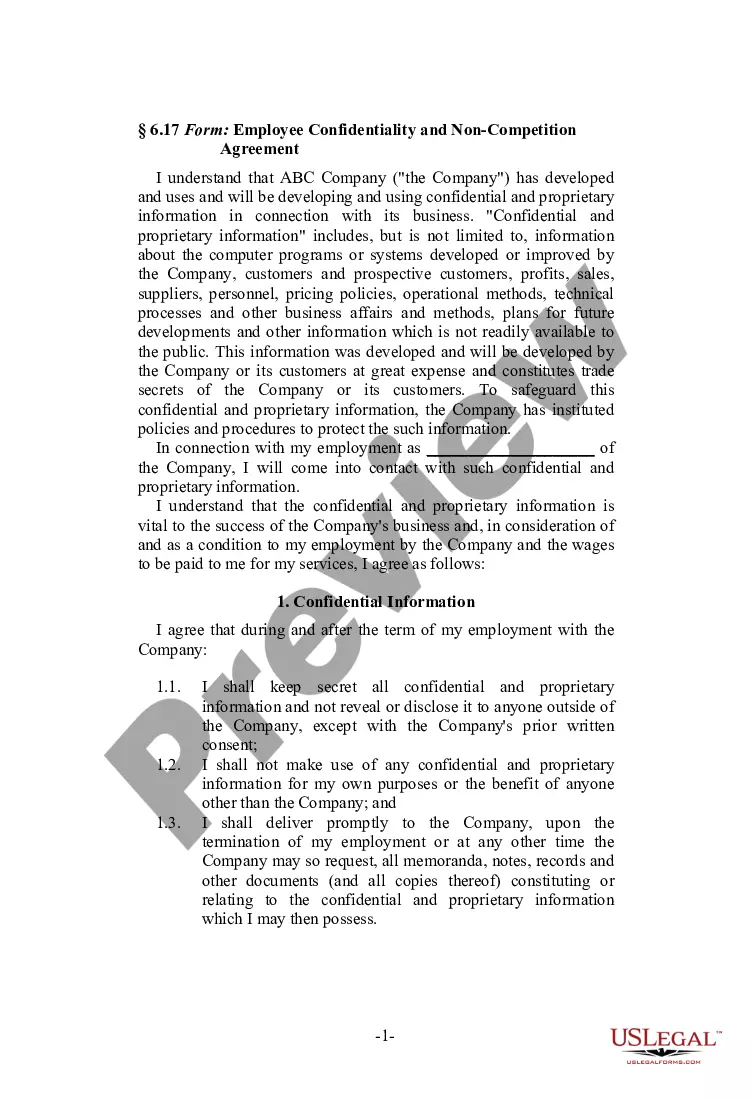
Get your form ready online
Our built-in tools help you complete, sign, share, and store your documents in one place.
Make edits, fill in missing information, and update formatting in US Legal Forms—just like you would in MS Word.
Download a copy, print it, send it by email, or mail it via USPS—whatever works best for your next step.
Sign and collect signatures with our SignNow integration. Send to multiple recipients, set reminders, and more. Go Premium to unlock E-Sign.
If this form requires notarization, complete it online through a secure video call—no need to meet a notary in person or wait for an appointment.
We protect your documents and personal data by following strict security and privacy standards.

Make edits, fill in missing information, and update formatting in US Legal Forms—just like you would in MS Word.

Download a copy, print it, send it by email, or mail it via USPS—whatever works best for your next step.

Sign and collect signatures with our SignNow integration. Send to multiple recipients, set reminders, and more. Go Premium to unlock E-Sign.

If this form requires notarization, complete it online through a secure video call—no need to meet a notary in person or wait for an appointment.

We protect your documents and personal data by following strict security and privacy standards.
Looking for another form?










Form popularity
FAQ
Choropleth map showing California, Minnesota, North Dakota and Oklahoma have full bans on noncompete agreements. Nine states and D.C. have restrictions on noncompetes based on an employee's income level. 25 states have other restrictions on noncompetes while 12 states have no restrictions.
The FTC voted 3-2 to ban most non-competes for U.S. workers. The final rule and discussion is over 500 pages long, but it is intentionally broad and captures most non-competes for both employees and independent contractors.
The Federal Trade Commission (FTC) issued its final rule on April 23 banning virtually all noncompete agreements covering workers in the United States. Absent a successful court challenge, the rule will go into effect Sept. 4, 2024.
On April 23, 2024, the Federal Trade Commission issued its long-awaited Final Non-Compete Clause Rule, which operates to ban most post-employment non-compete agreements between employers and their workers.
The Federal Trade Commission (FTC) issued its final rule on April 23 banning virtually all noncompete agreements covering workers in the United States. Absent a successful court challenge, the rule will go into effect Sept. 4, 2024.
An employer shall not enforce, or threaten to enforce, any non-compete agreement with an employee. “(2) NO NEW NON-COMPETE AGREEMENTS. —Beginning on the date of enactment of the Freedom To Compete Act of 2023, an employer shall not enter into, extend, or renew any non-compete agreement with an employee.
These agreements are legally binding and enforceable in Ohio. In general, they still need to make it possible for an employee to earn a living and can't limit a competitor's ability to attract customers or hire workers.
Several factors can void or limit the enforceability of a non-compete agreement, including overly broad restrictions, unreasonable time frames or geographical limits, lack of consideration (such as compensation or job opportunities provided in exchange for the agreement), and violation of public policy.
Introduction. The new FTC rule on non-competes will make most non-compete clauses illegal. It is scheduled to go into effect 120 days from April 23, 2024. A non-compete in Ohio is a contract between an employer and employee that states that the employee cannot compete with the employer after termination.
If a non-compete in Ohio is longer than two years, or the area included is too broad, the court will usually deem the contract unreasonable. Also, if you are in a niche industry or market, a non-compete in Ohio will also limit your options for employment, causing undue hardship.
