Competition Non Competition For Resources In Michigan
Description

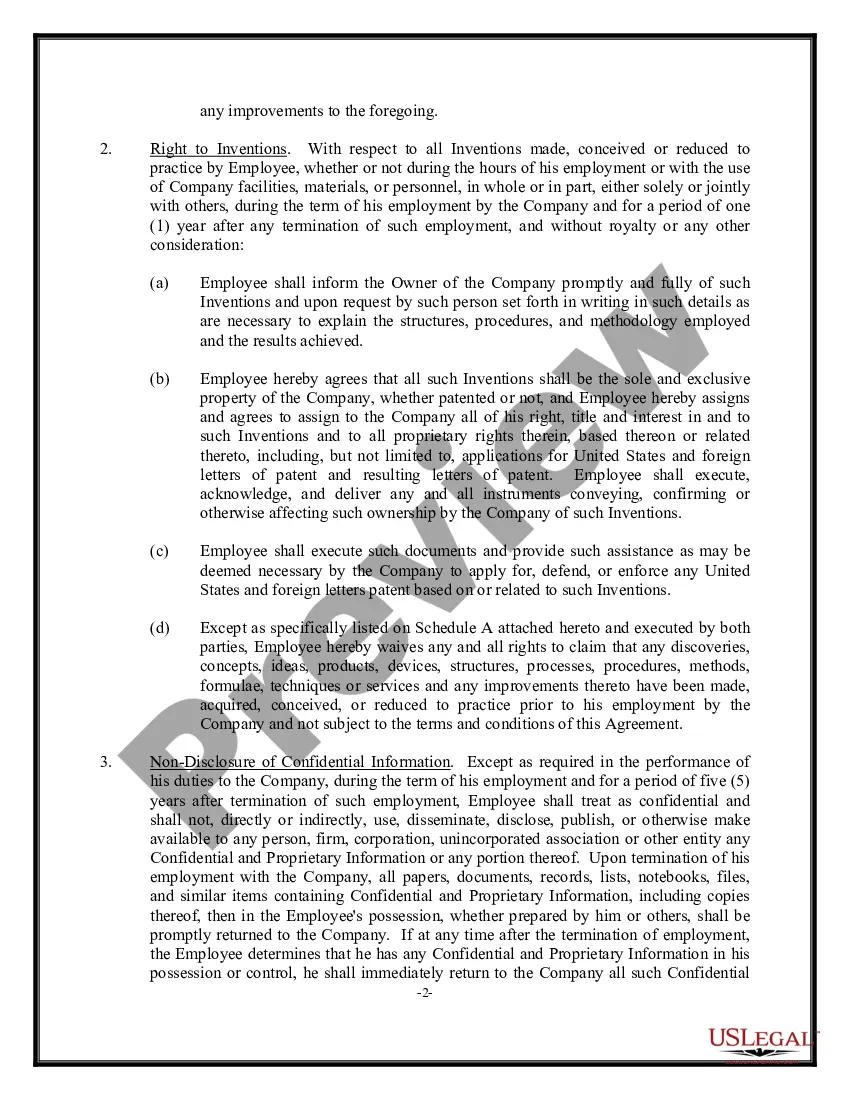
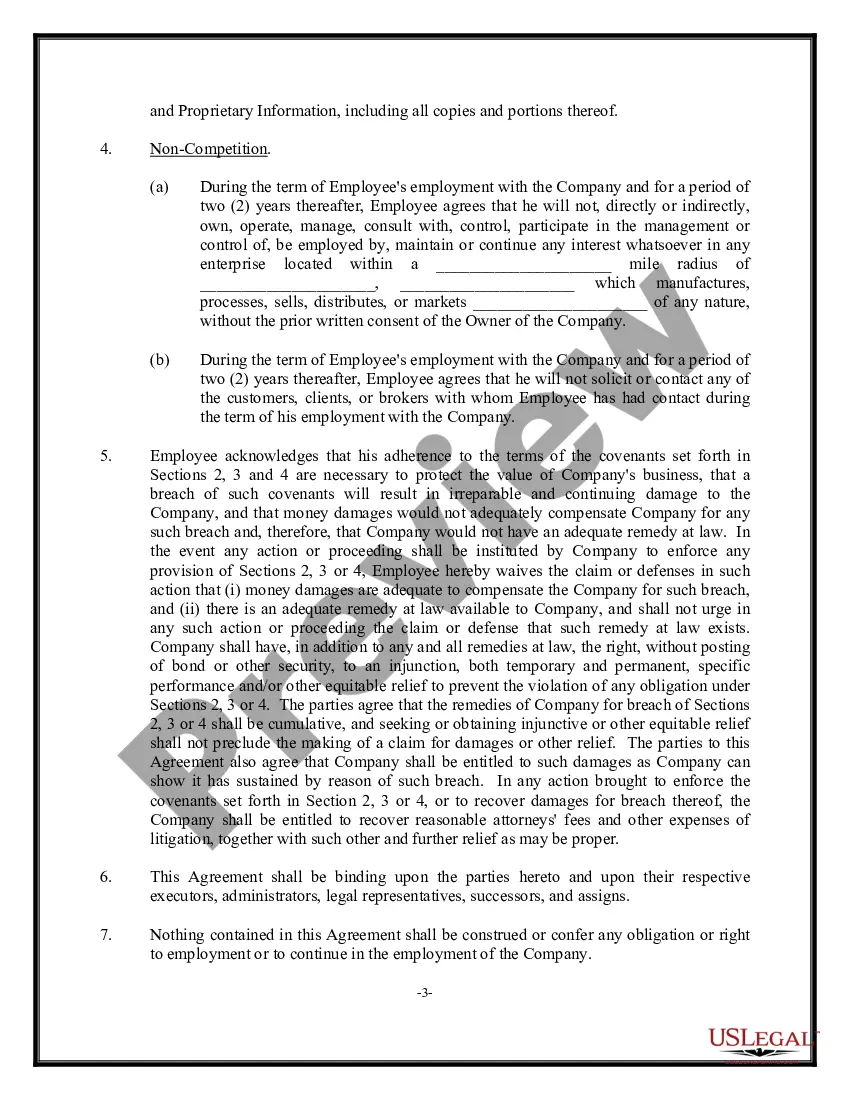
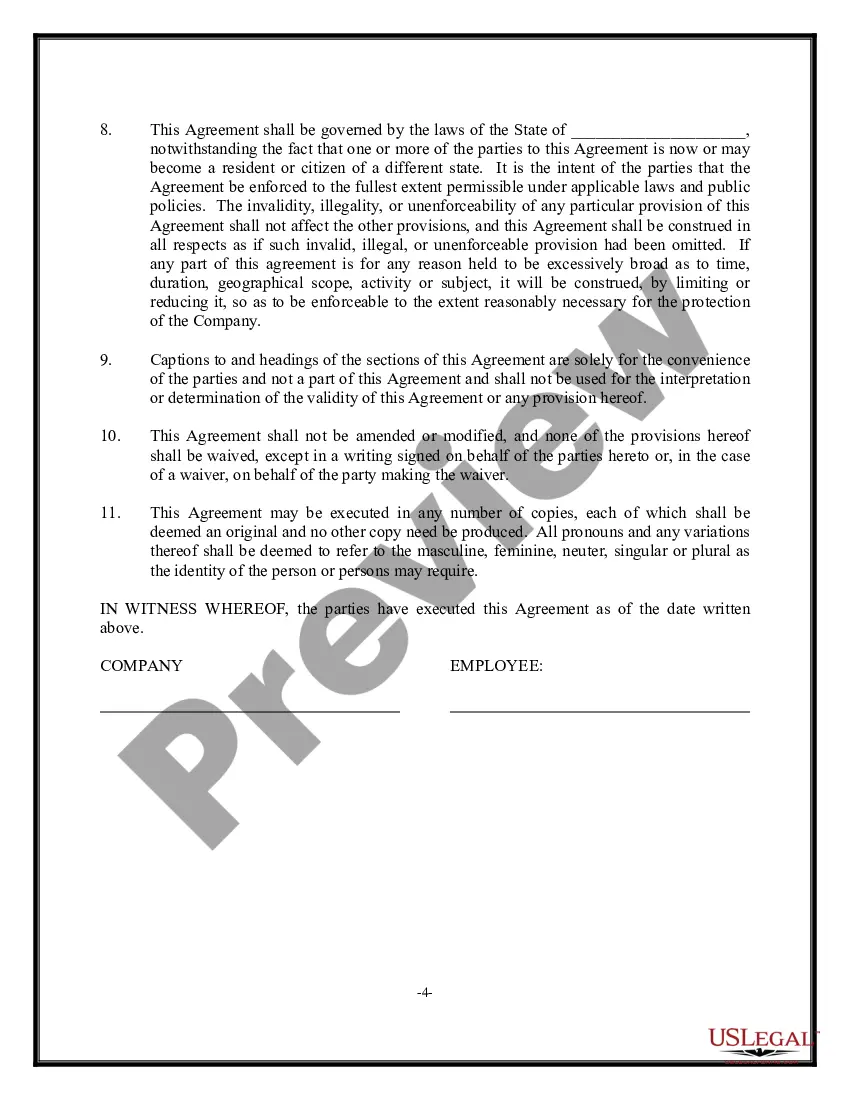
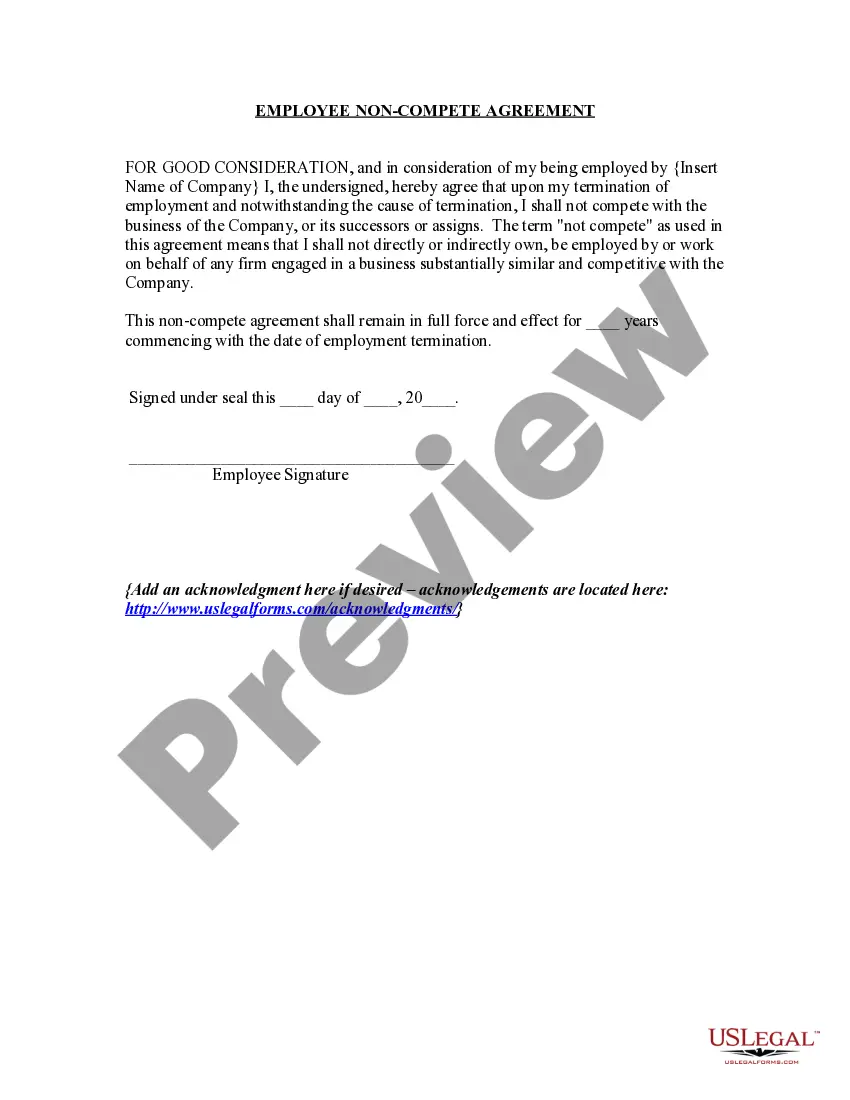
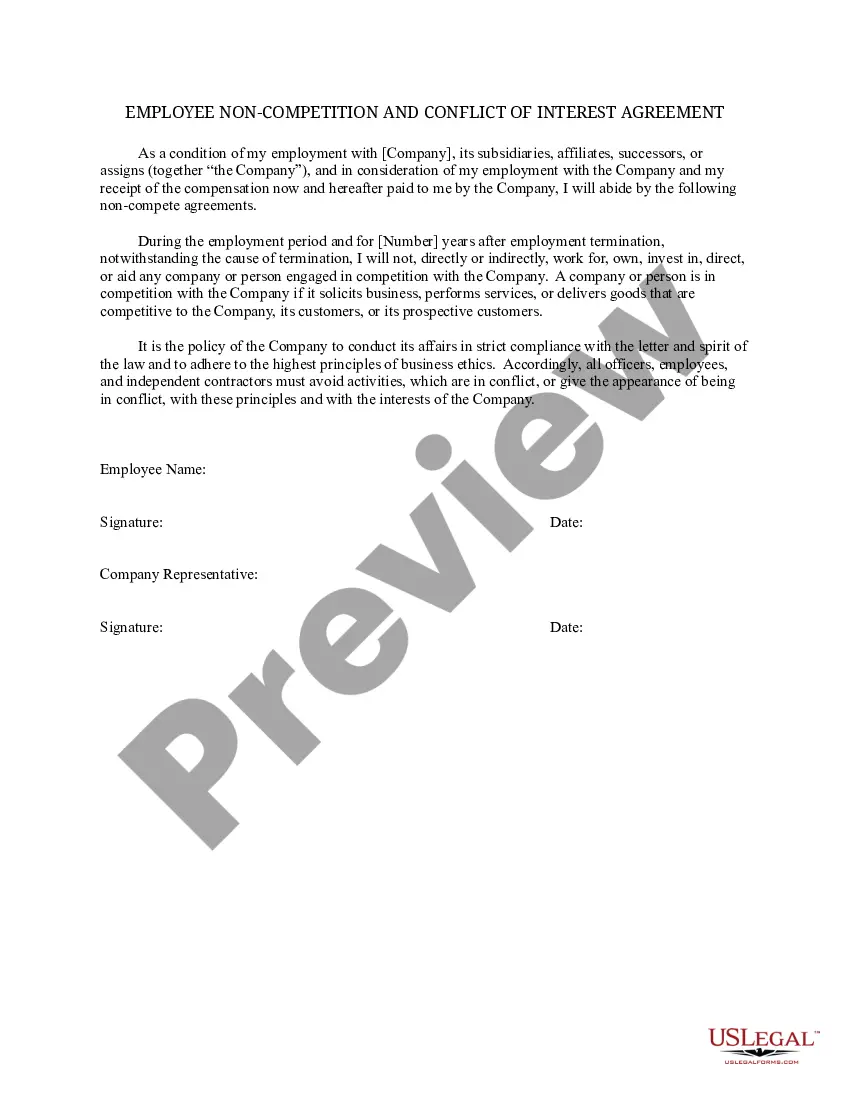
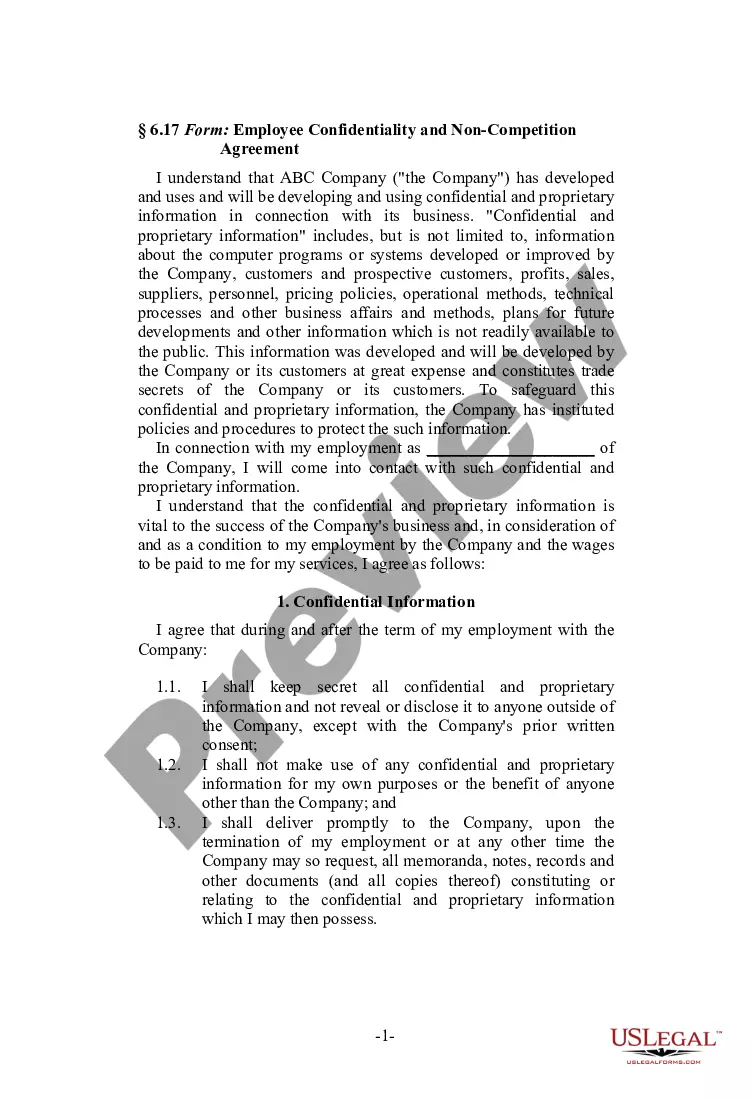
Get your form ready online
Our built-in tools help you complete, sign, share, and store your documents in one place.
Make edits, fill in missing information, and update formatting in US Legal Forms—just like you would in MS Word.
Download a copy, print it, send it by email, or mail it via USPS—whatever works best for your next step.
Sign and collect signatures with our SignNow integration. Send to multiple recipients, set reminders, and more. Go Premium to unlock E-Sign.
If this form requires notarization, complete it online through a secure video call—no need to meet a notary in person or wait for an appointment.
We protect your documents and personal data by following strict security and privacy standards.

Make edits, fill in missing information, and update formatting in US Legal Forms—just like you would in MS Word.

Download a copy, print it, send it by email, or mail it via USPS—whatever works best for your next step.

Sign and collect signatures with our SignNow integration. Send to multiple recipients, set reminders, and more. Go Premium to unlock E-Sign.

If this form requires notarization, complete it online through a secure video call—no need to meet a notary in person or wait for an appointment.

We protect your documents and personal data by following strict security and privacy standards.
Looking for another form?




Form popularity
FAQ
Competing company means any business, individual, partnership, firm, corporation or other entity which wholly or in any significant part engages in any business competing with the business.
Non-competes ensure that the employee will not use information learned during employment to start a business and compete with the employer once work is over. It also ensures that the employer keeps its place in the market.
Working for a competitor company or competing individual. Starting a company that offers the same products or services. Developing competing products or providing competing services.
Under this law, in order to be enforceable, non-compete agreements must (1) be designed to protect an employer's reasonable competitive business interests; (2) have a reasonable duration; (3) have a reasonable geographic scope; and (4) prohibit competition only in a clearly defined line of business.
SCOPE, DURATION, AND GEOGRAPHY In Michigan, broad or excessively restrictive non-compete clauses can render an agreement unenforceable. Courts may either void the agreement or modify it to align with what's deemed “reasonable.”
A Michigan Standard Clause limiting an employee's solicitation of employees and customers during the term of the employee's employment and for a specified period after the employment relationship ends. It is intended for use by private employers.
Breach of Employment Contract Proving there was a breach of your employment contract is another way that you can defeat a non-compete agreement. If your employer did not fulfill the employment contract terms, they likely can't force you to stick to a non-compete agreement. This is known as a material breach.
Many Michigan businesses require their employees to sign non-compete agreements. Although many people assume these types of agreements are not enforceable, the fact is that non-compete agreements may be enforceable under Michigan so long as certain requirements are met.
In Michigan, non-compete agreements are generally enforceable if they are reasonable in scope, duration, and geographical limitation. They must also protect a legitimate business interest, such as trade secrets or customer relationships.
Likewise, Michigan courts have not found noncompete durations in excess of three years to be reasonable, but the standard one year duration has been consistently deemed reasonable.
