Warranty Deed Vs Gift Deed In Oakland
Description

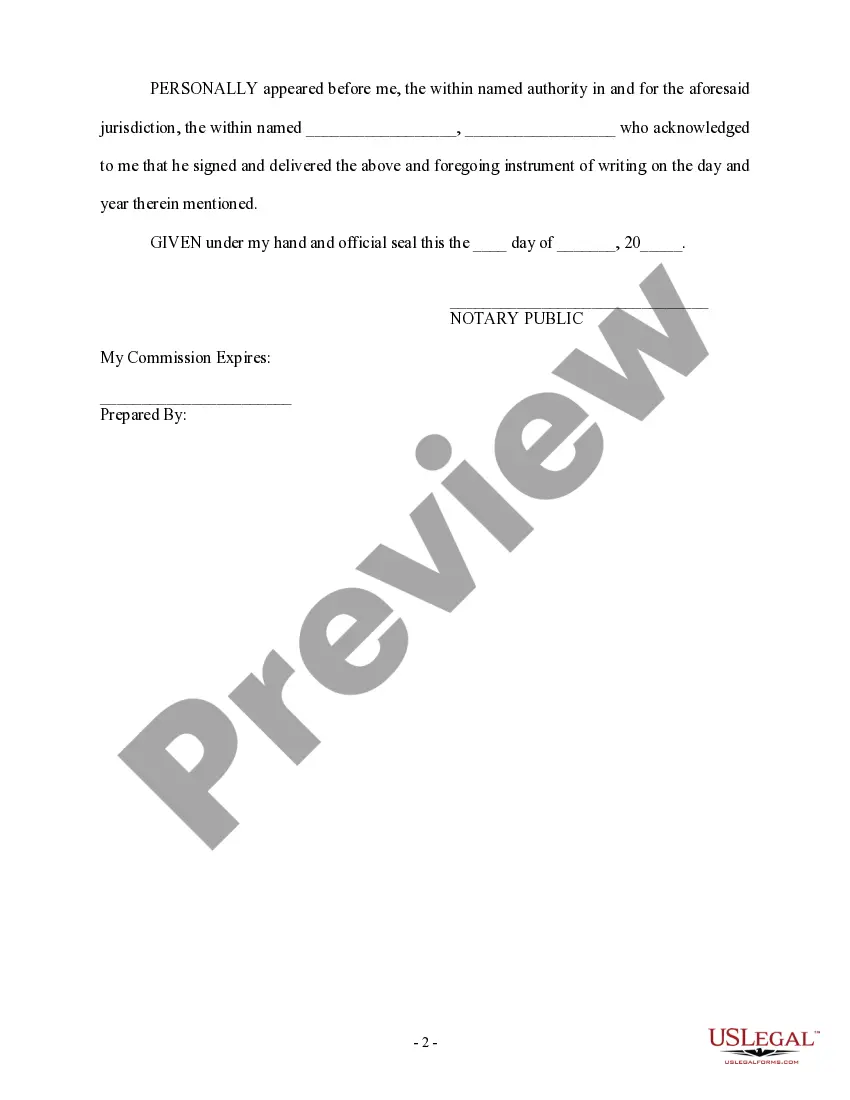
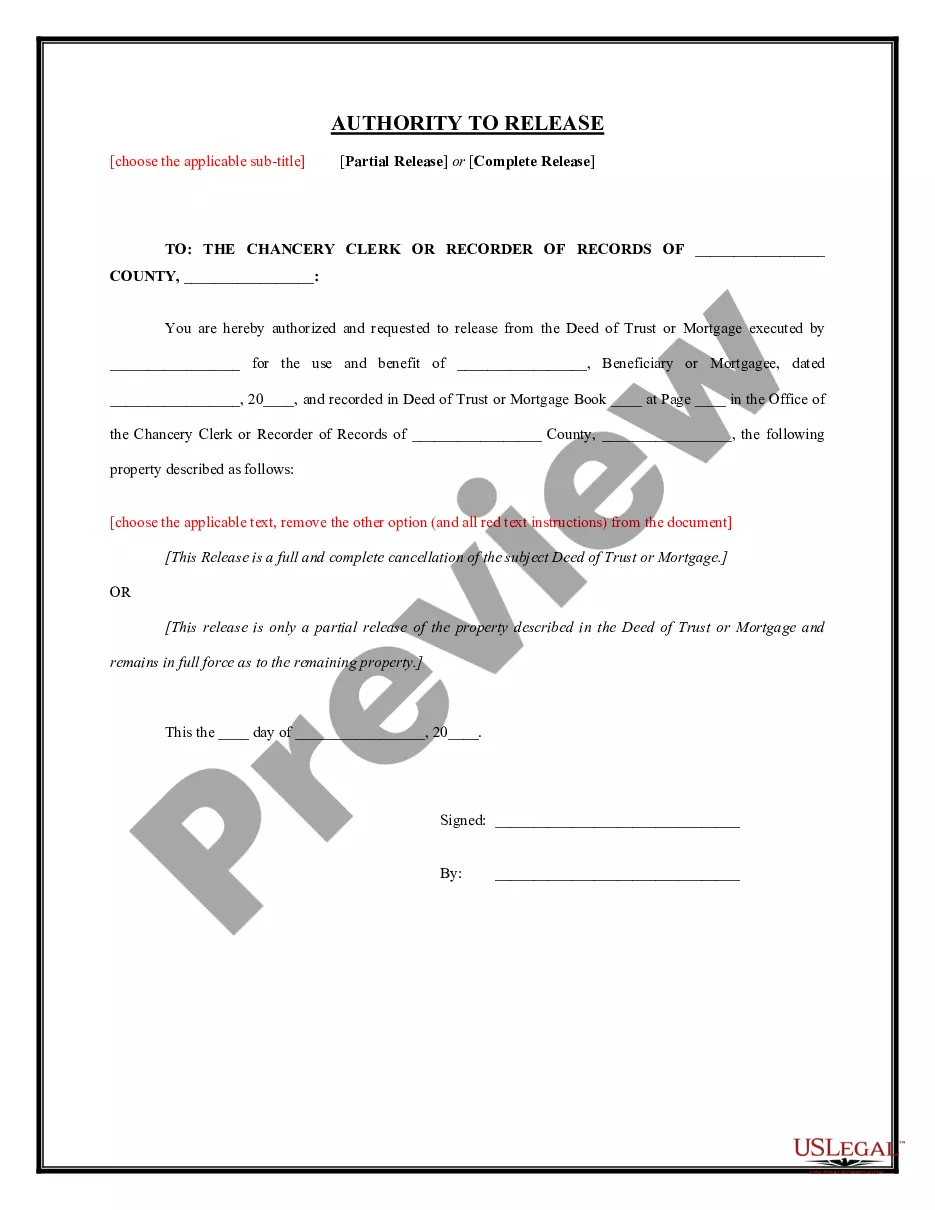
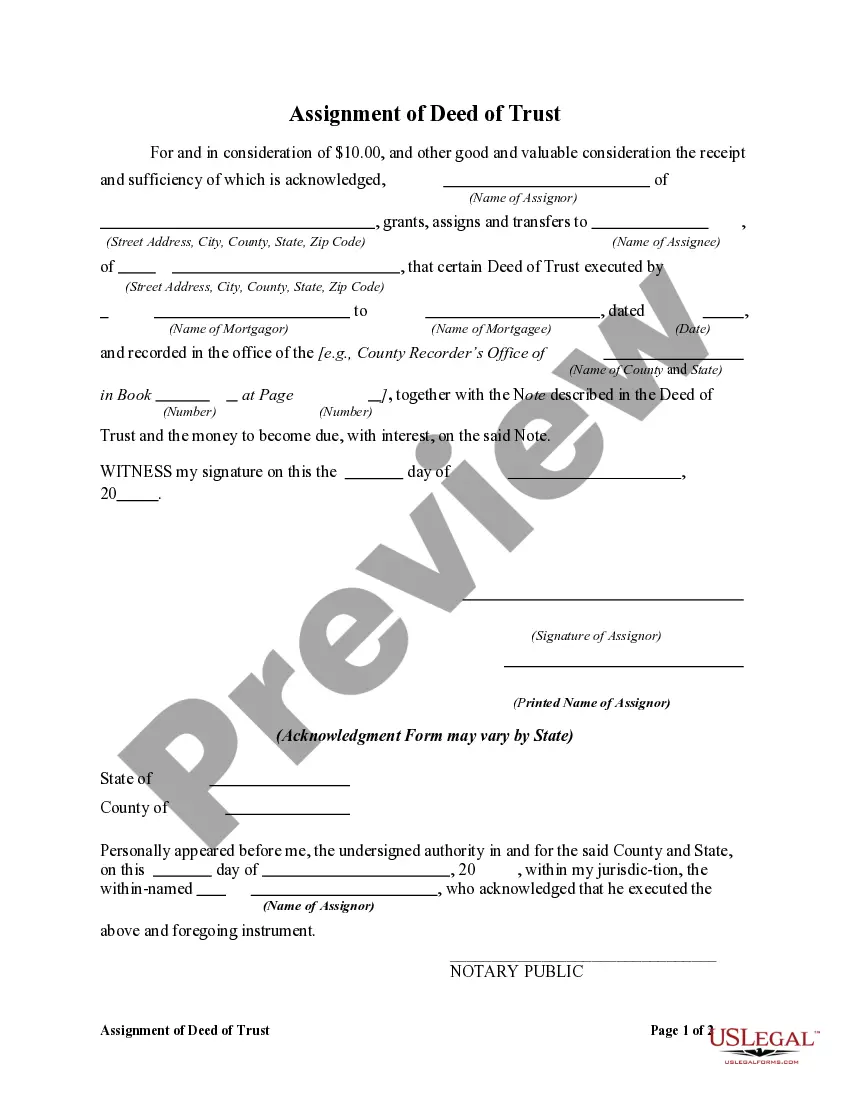
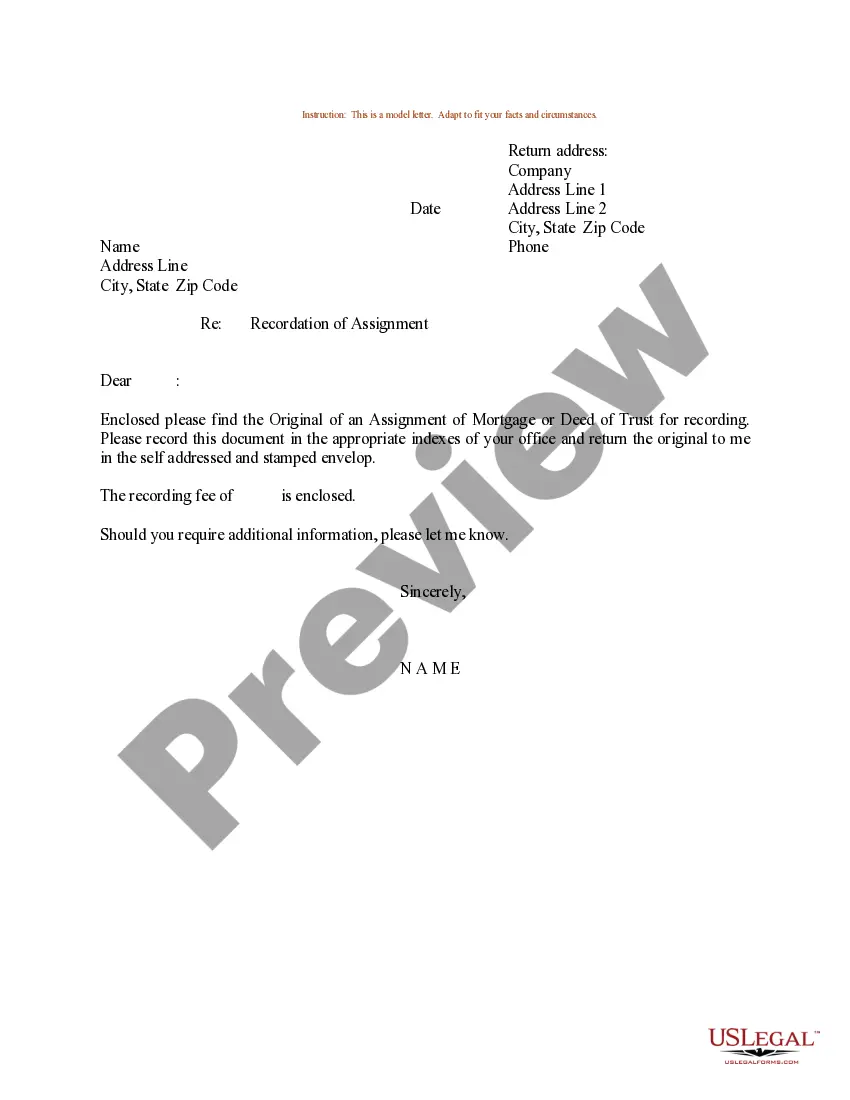

Get your form ready online
Our built-in tools help you complete, sign, share, and store your documents in one place.
Make edits, fill in missing information, and update formatting in US Legal Forms—just like you would in MS Word.
Download a copy, print it, send it by email, or mail it via USPS—whatever works best for your next step.
Sign and collect signatures with our SignNow integration. Send to multiple recipients, set reminders, and more. Go Premium to unlock E-Sign.
If this form requires notarization, complete it online through a secure video call—no need to meet a notary in person or wait for an appointment.
We protect your documents and personal data by following strict security and privacy standards.

Make edits, fill in missing information, and update formatting in US Legal Forms—just like you would in MS Word.

Download a copy, print it, send it by email, or mail it via USPS—whatever works best for your next step.

Sign and collect signatures with our SignNow integration. Send to multiple recipients, set reminders, and more. Go Premium to unlock E-Sign.

If this form requires notarization, complete it online through a secure video call—no need to meet a notary in person or wait for an appointment.

We protect your documents and personal data by following strict security and privacy standards.
Looking for another form?






Form popularity
FAQ
When the Oakland County Clerk/Register of Deeds visits you can get copies of… Call 248-858-0561 or visit .oakgov/clerk for more info, including identification requirements and fees, which are the same as those in the main office.
There are also some disadvantages to using gift deeds: It is irrevocable post-execution, which can lead to complications if problems arise in the future between the donor and donee. There are extra costs in the form of stamp duty, which vary from state to state.
The Register of Deeds is an elected official whose term of office is four years. The duties of the Register of Deeds are prescribed by state law. The office is the official recording and filing office for all legal documents affecting real and personal property.
Recording Legibly printed or typed in black ink, type size 10pt, white 20lb paper with a blank margin of 2 1/2" at the top of the first page and 1/2" on all other margins. Paper size must be 8 1/2" x 11" and not larger than 8 1/2" x 14." Signatures may be in black or blue ink. (MCLA 565.201 Sec 1)
To record a deed in California, you must submit the completed deed along with the appropriate fees to the County Recorder's Office in the county where the property is located. The deed will then be officially recorded, making it a part of the public record.
Once you obtain the correct form, you must fill it in completely. Both the grantor and the grantee must sign it, usually in the presence of a notary. Then the deed must be filed in the county registrar's office to be legally enforceable.
Today, Californians most often transfer title to real property by a simple written instrument, the grant deed. The word “grant” is expressly designated by statute as a word of conveyance. (Civil Code Section 1092) A second form of deed is the quitclaim deed.
General warranty deeds: A general warranty deed provides the most protection to the buyer but gives the grantor the highest degree of liability. The grantor of a general warranty deed fully warrants good, clear title to the property.
General warranty deeds give the grantee the most legal protection, while special warranty deeds give the grantee more limited protection. A quitclaim deed gives the grantee the least protection under the law.
A general warranty deed is the best option for the buyer of the real property—given the scope of the guarantees it provides, specific to liens and claims.
