Competition Non Competition With Minimal Apparel In Maryland
Description

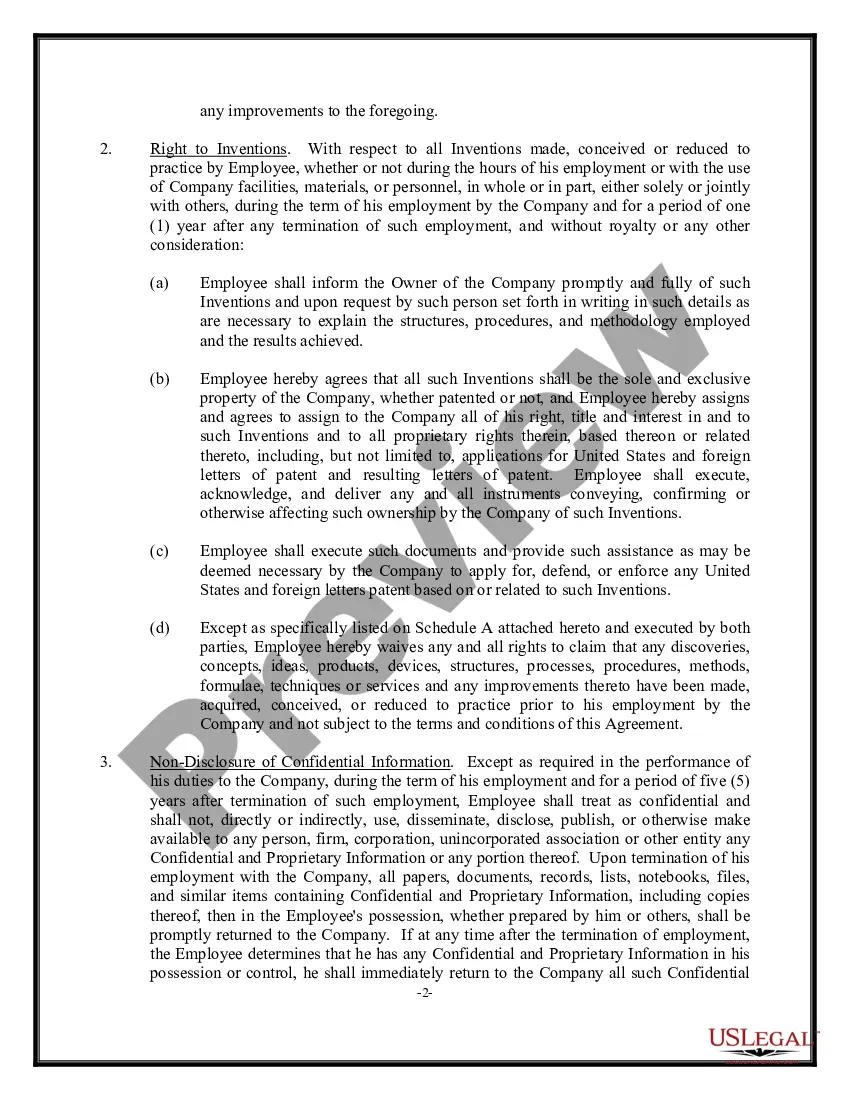
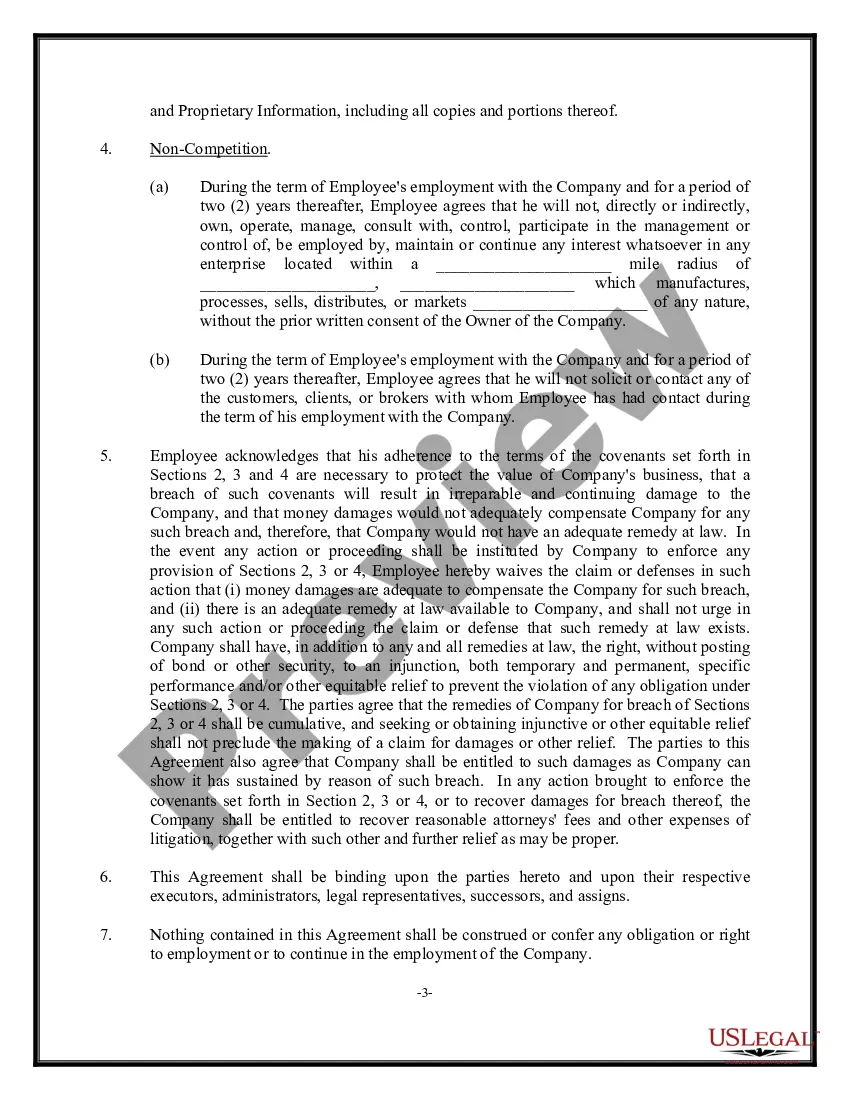
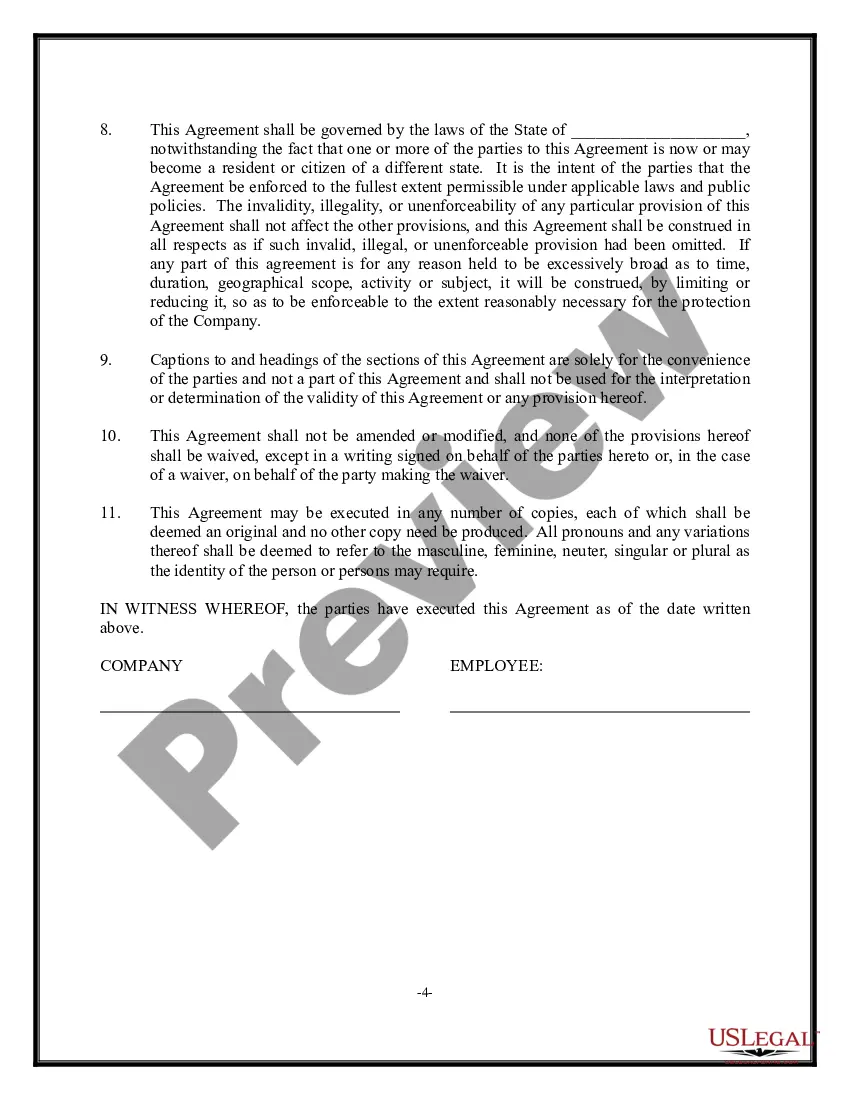
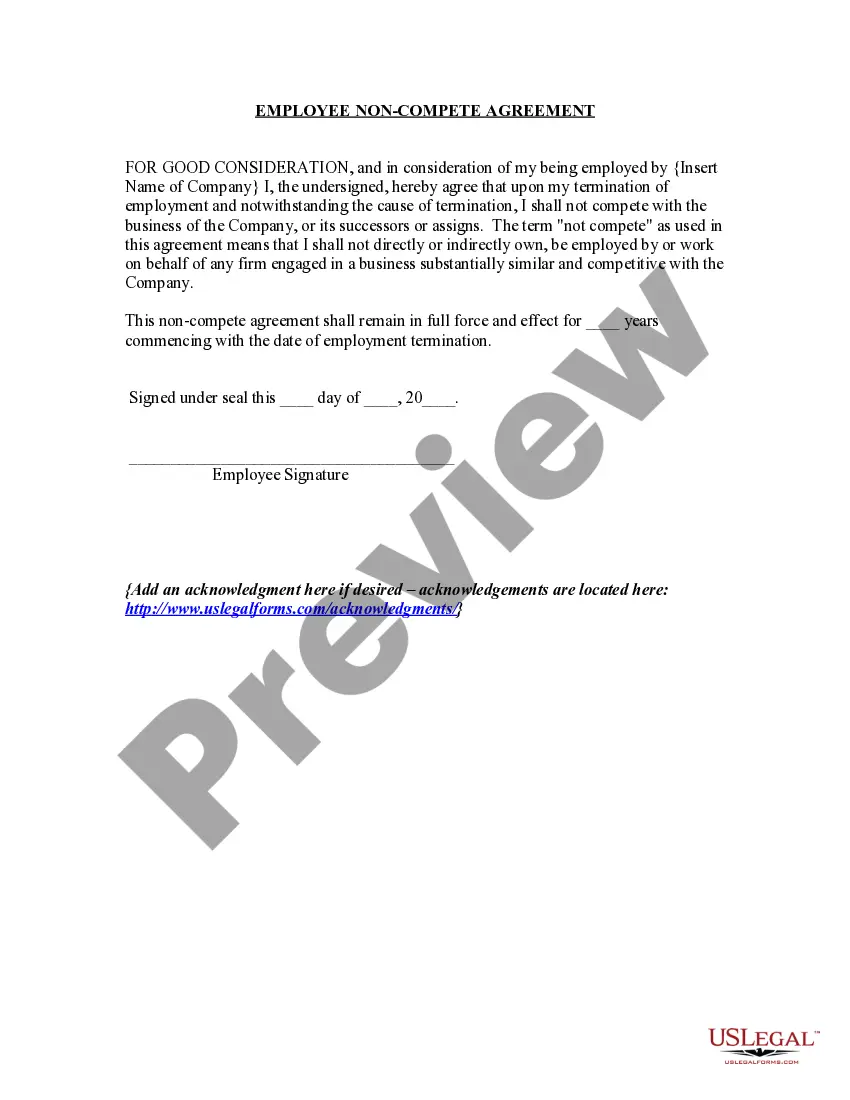
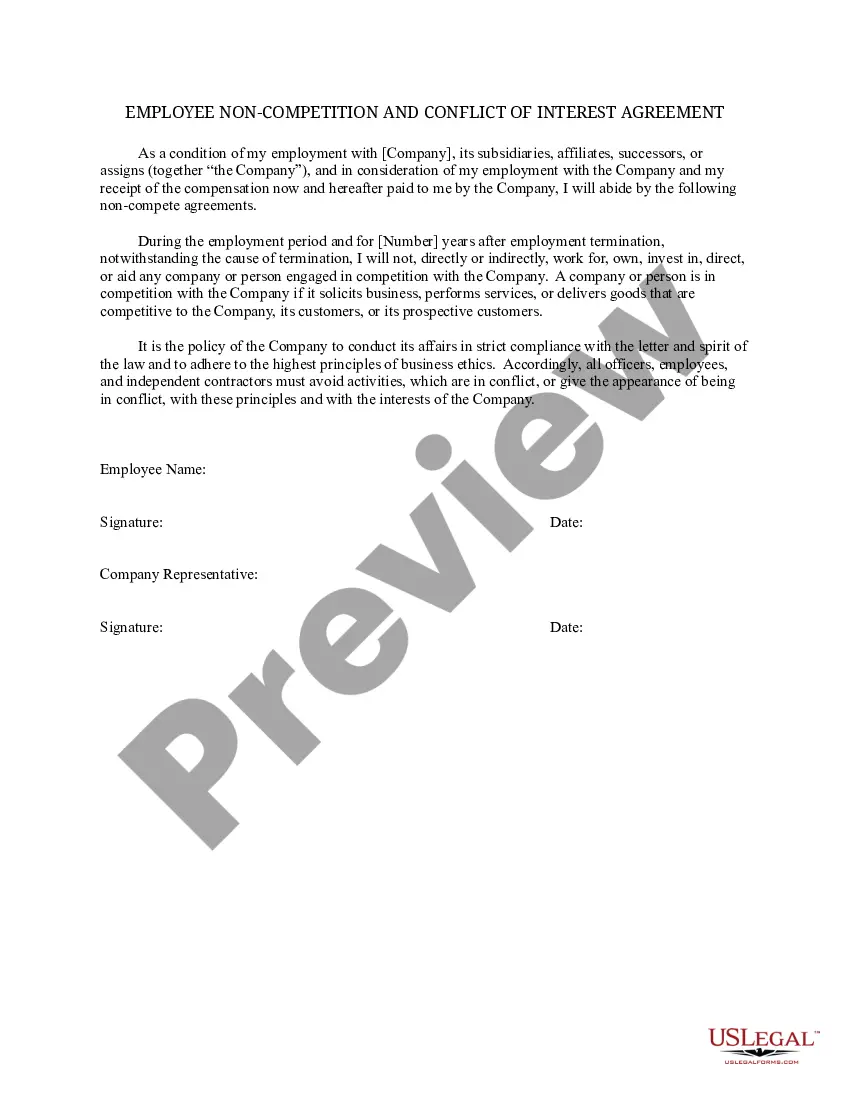
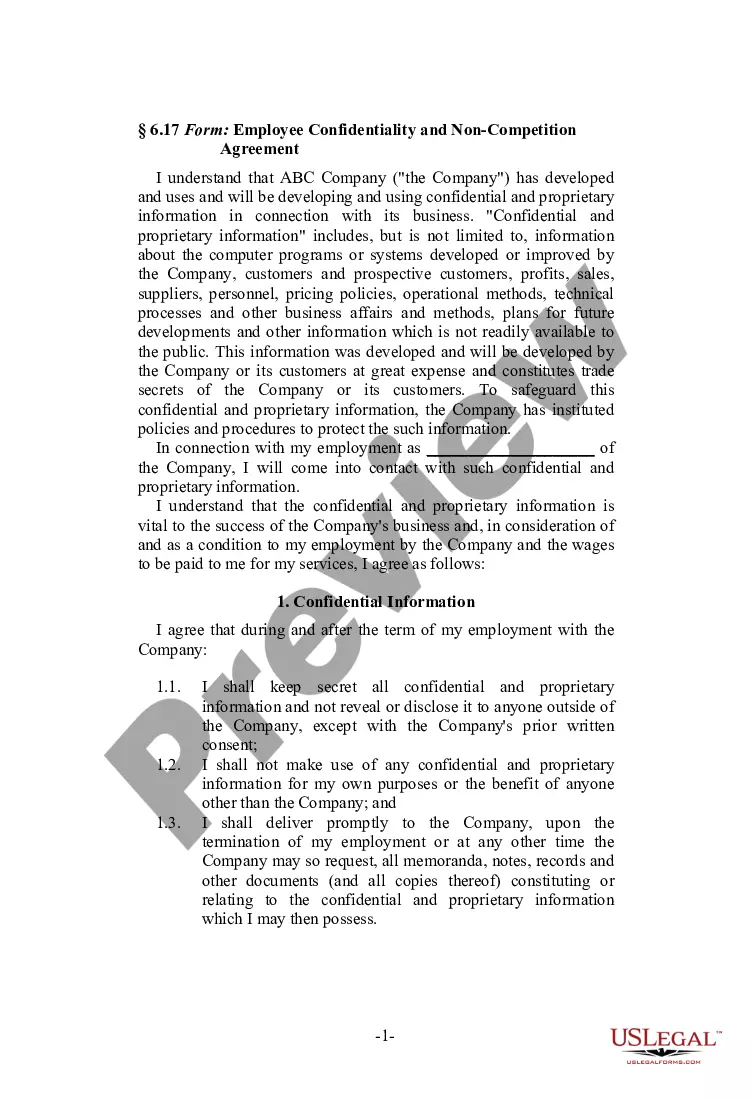
Get your form ready online
Our built-in tools help you complete, sign, share, and store your documents in one place.
Make edits, fill in missing information, and update formatting in US Legal Forms—just like you would in MS Word.
Download a copy, print it, send it by email, or mail it via USPS—whatever works best for your next step.
Sign and collect signatures with our SignNow integration. Send to multiple recipients, set reminders, and more. Go Premium to unlock E-Sign.
If this form requires notarization, complete it online through a secure video call—no need to meet a notary in person or wait for an appointment.
We protect your documents and personal data by following strict security and privacy standards.

Make edits, fill in missing information, and update formatting in US Legal Forms—just like you would in MS Word.

Download a copy, print it, send it by email, or mail it via USPS—whatever works best for your next step.

Sign and collect signatures with our SignNow integration. Send to multiple recipients, set reminders, and more. Go Premium to unlock E-Sign.

If this form requires notarization, complete it online through a secure video call—no need to meet a notary in person or wait for an appointment.

We protect your documents and personal data by following strict security and privacy standards.
Looking for another form?


Form popularity
FAQ
The very basic requirements are that the non-compete must (1) be in writing; (2) be part of an employment contract; (3) be based on valuable consideration; (4) be reasonable in scope of time and of territory; (5) not be against public policy.
If the restriction on the employee is for an unusually long period of time, there's going to be a problem. One to two years is typically reasonable, while three to five years is unlikely to be upheld by a court.
Non-Competitive Activity at New Employer: One of the most straightforward ways to overcome a noncompete is by ensuring that your new role with a different employer is in a non-competitive capacity. If you're not engaging in activities that directly compete with your former employer's business, you may be in the clear.
Enforceability of Non-Competition Agreements in Maryland If the agreement is too broad or vague, it is unlikely that a court will enforce the agreement. When a non-competition agreement is challenged, Courts in Maryland will generally enforce the agreement only: Against an employee providing unique services.
Several factors can void or limit the enforceability of a non-compete agreement, including overly broad restrictions, unreasonable time frames or geographical limits, lack of consideration (such as compensation or job opportunities provided in exchange for the agreement), and violation of public policy.
A noncompete is unenforceable if it restricts an employee's ability to exercise their rights under federal law. No employer may enter into a covenant not to compete or a covenant not to solicit with any employee.
(3) A noncompete or conflict of interest provision in an employment contract or a similar document or agreement that restricts the ability of an employee to enter into employment with a new employer or to become self–employed in the same or similar business or trade shall be null and void as being against the public ...
Yes, it is possible to get out of a non-compete agreement, though success depends on the agreement's terms and enforceability. Maryland courts examine factors like the duration, geographic scope, and necessity of the restriction to determine if it unfairly limits an executive's ability to work.
In general, non-competes can't stop you from working. They can stop you from taking specific IP to another company (eg a salesman taking client phone numbers to a new org selling similar products) but even that is a legal gray area.
Enforceability of Non-Competition Agreements in Maryland If the agreement is too broad or vague, it is unlikely that a court will enforce the agreement. When a non-competition agreement is challenged, Courts in Maryland will generally enforce the agreement only: Against an employee providing unique services.
