Competition Non Competition For Resources In Hillsborough
Description

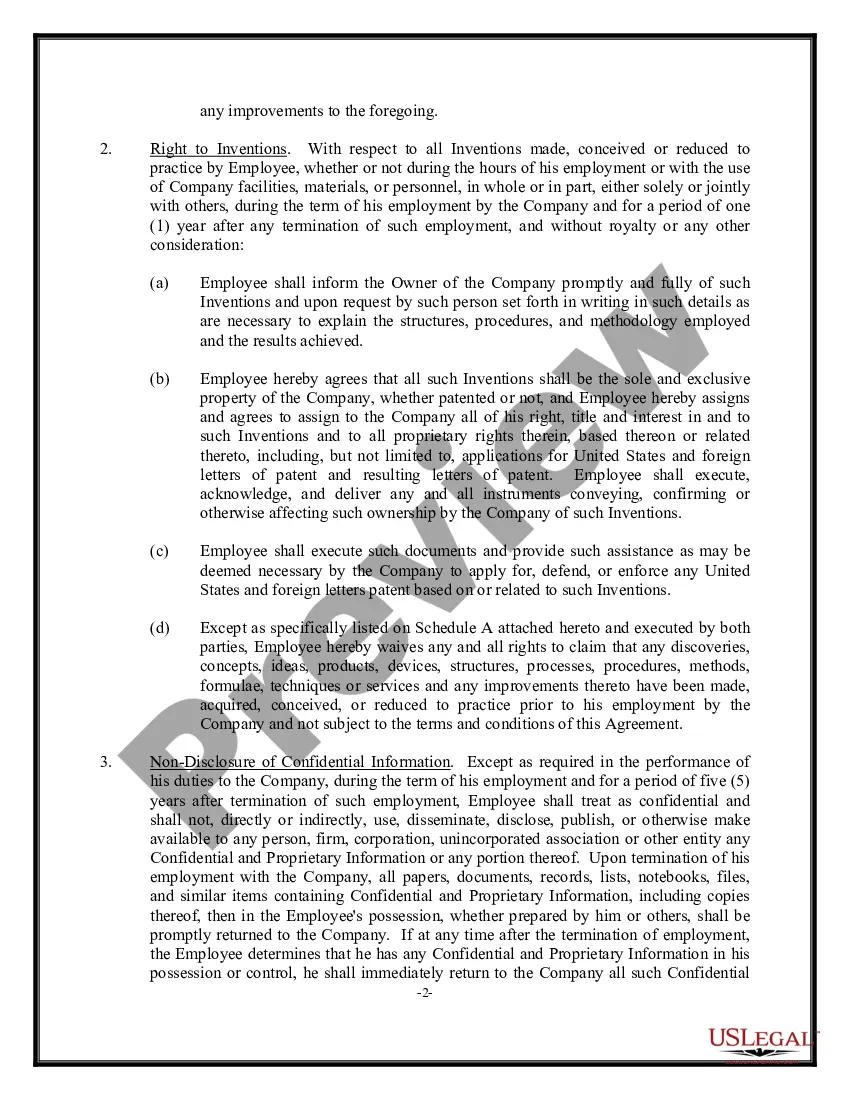
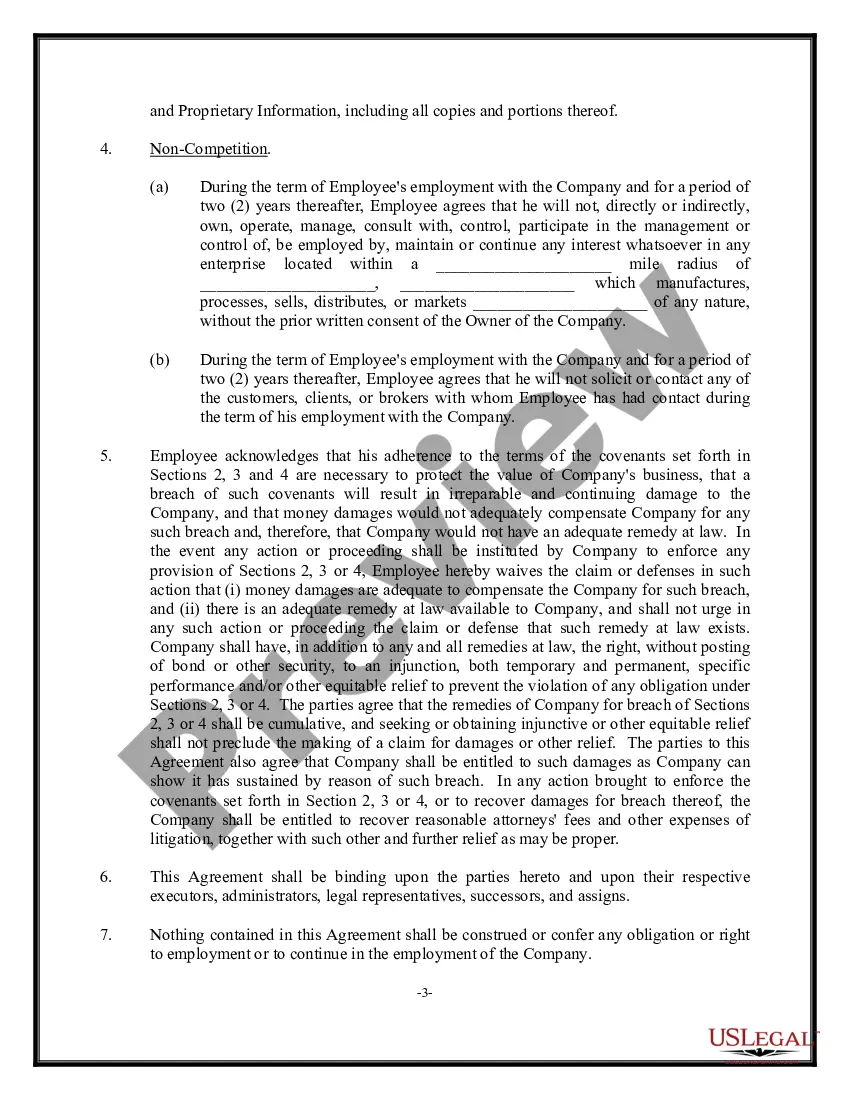
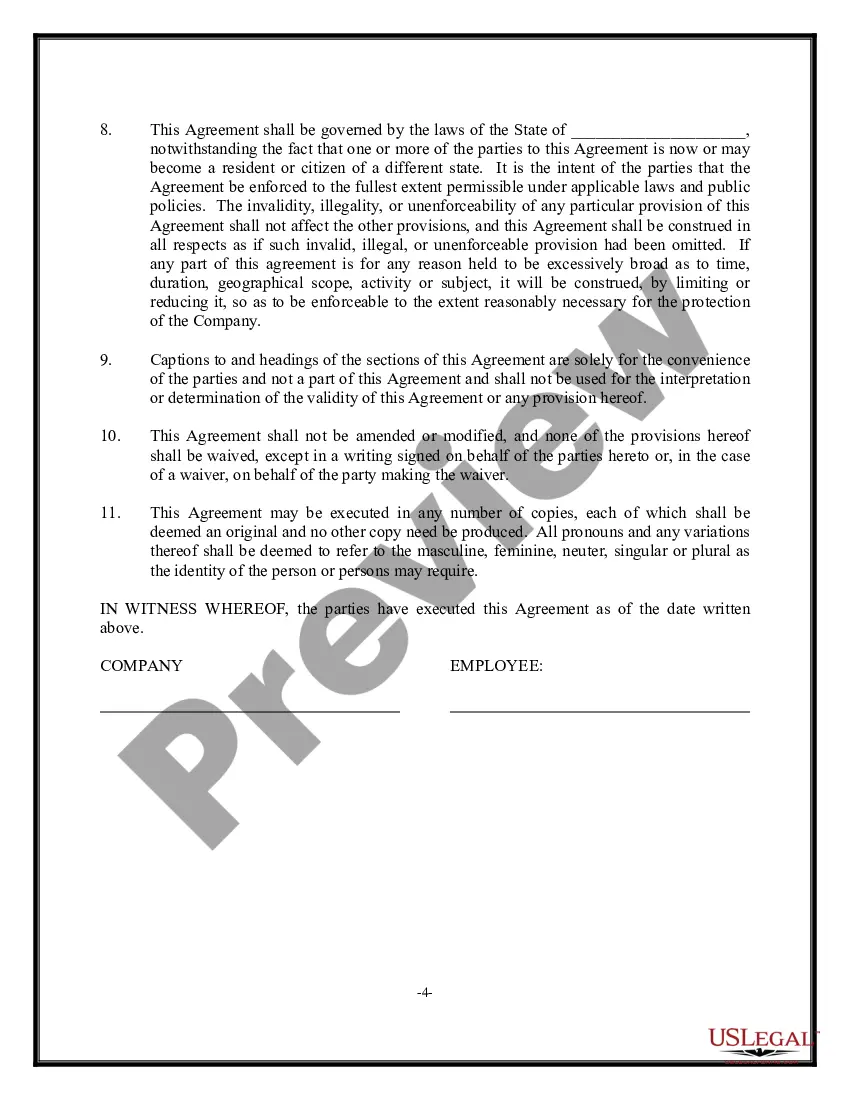
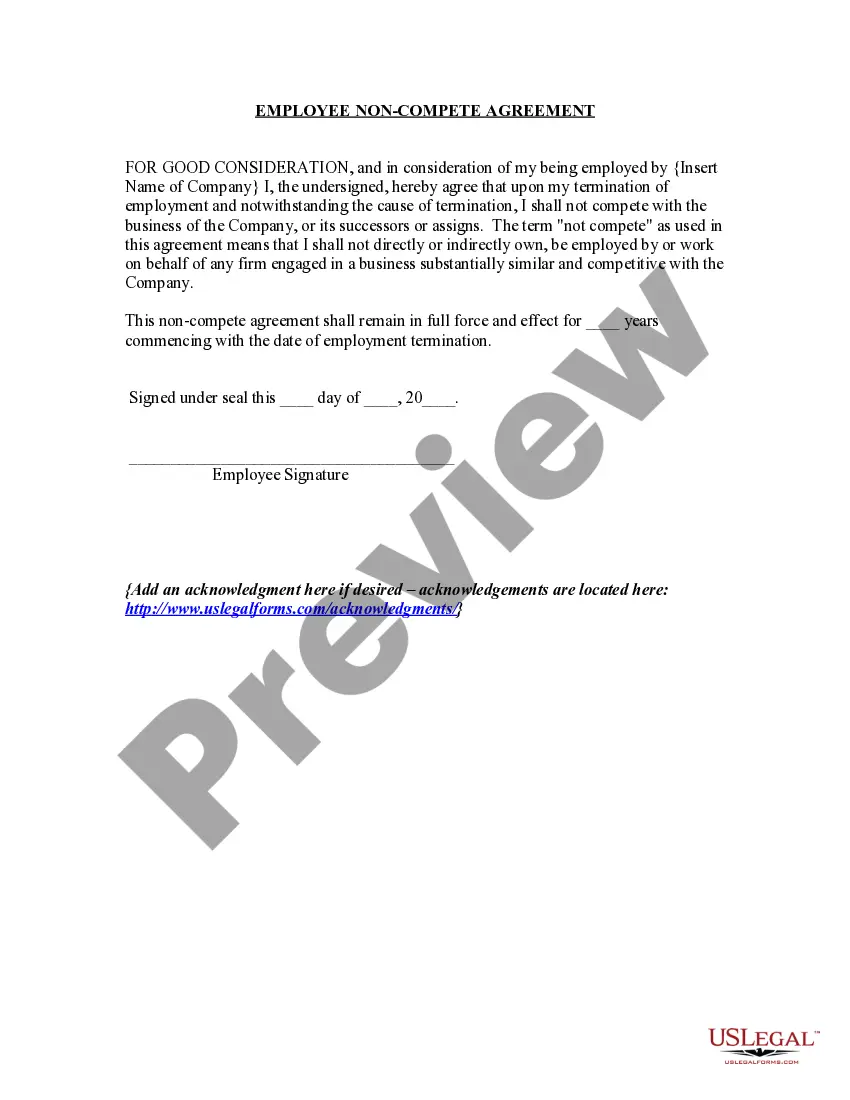
Get your form ready online
Our built-in tools help you complete, sign, share, and store your documents in one place.
Make edits, fill in missing information, and update formatting in US Legal Forms—just like you would in MS Word.
Download a copy, print it, send it by email, or mail it via USPS—whatever works best for your next step.
Sign and collect signatures with our SignNow integration. Send to multiple recipients, set reminders, and more. Go Premium to unlock E-Sign.
If this form requires notarization, complete it online through a secure video call—no need to meet a notary in person or wait for an appointment.
We protect your documents and personal data by following strict security and privacy standards.

Make edits, fill in missing information, and update formatting in US Legal Forms—just like you would in MS Word.

Download a copy, print it, send it by email, or mail it via USPS—whatever works best for your next step.

Sign and collect signatures with our SignNow integration. Send to multiple recipients, set reminders, and more. Go Premium to unlock E-Sign.

If this form requires notarization, complete it online through a secure video call—no need to meet a notary in person or wait for an appointment.

We protect your documents and personal data by following strict security and privacy standards.
Looking for another form?








Form popularity
FAQ
The Enforceability of Non-Compete Agreements in Florida In Florida, non-compete agreements are enforceable under Florida Statute 542.335, provided they are reasonable in terms of time, area, and line of business.
Kentucky courts enforce non-compete agreements “unless very serious inequities would result” (Lareau v. O'Nan, 355 S.W.
The very basic requirements are that the non-compete must (1) be in writing; (2) be part of an employment contract; (3) be based on valuable consideration; (4) be reasonable in scope of time and of territory; (5) not be against public policy.
Several factors can void or limit the enforceability of a non-compete agreement, including overly broad restrictions, unreasonable time frames or geographical limits, lack of consideration (such as compensation or job opportunities provided in exchange for the agreement), and violation of public policy.
For example, sharks, dolphins, and seabirds often eat the same type of fish in ocean ecosystems. Competition can be direct or indirect. In direct competition, organisms interact with each other to obtain a resource, like two birds fighting over a fish.
An example among animals could be the case of cheetahs and lions; since both species feed on similar prey, they are negatively impacted by the presence of the other because they will have less food, however, they still persist together, despite the prediction that under competition one will displace the other.
Intellectual property can be a valuable competitive resource in a number of ways. Patents, trademarks and copyrights provide companies with exclusive rights to sell and market their brands for years to come.
The Enforceability of Non-Compete Agreements in Florida In Florida, non-compete agreements are enforceable under Florida Statute 542.335, provided they are reasonable in terms of time, area, and line of business.
Competition will occur between organisms in an ecosystem when their niches overlap, they both try to use the same resource and the resource is in short supply. Animals compete for food, water and space to live. Plants compete for light, water, minerals and root space.
Competition is most typically considered the interaction of individuals that vie for a common resource that is in limited supply, but more generally can be defined as the direct or indirect interaction of organisms that leads to a change in fitness when the organisms share the same resource.
