Warranty Deed Vs Deed In King
Description

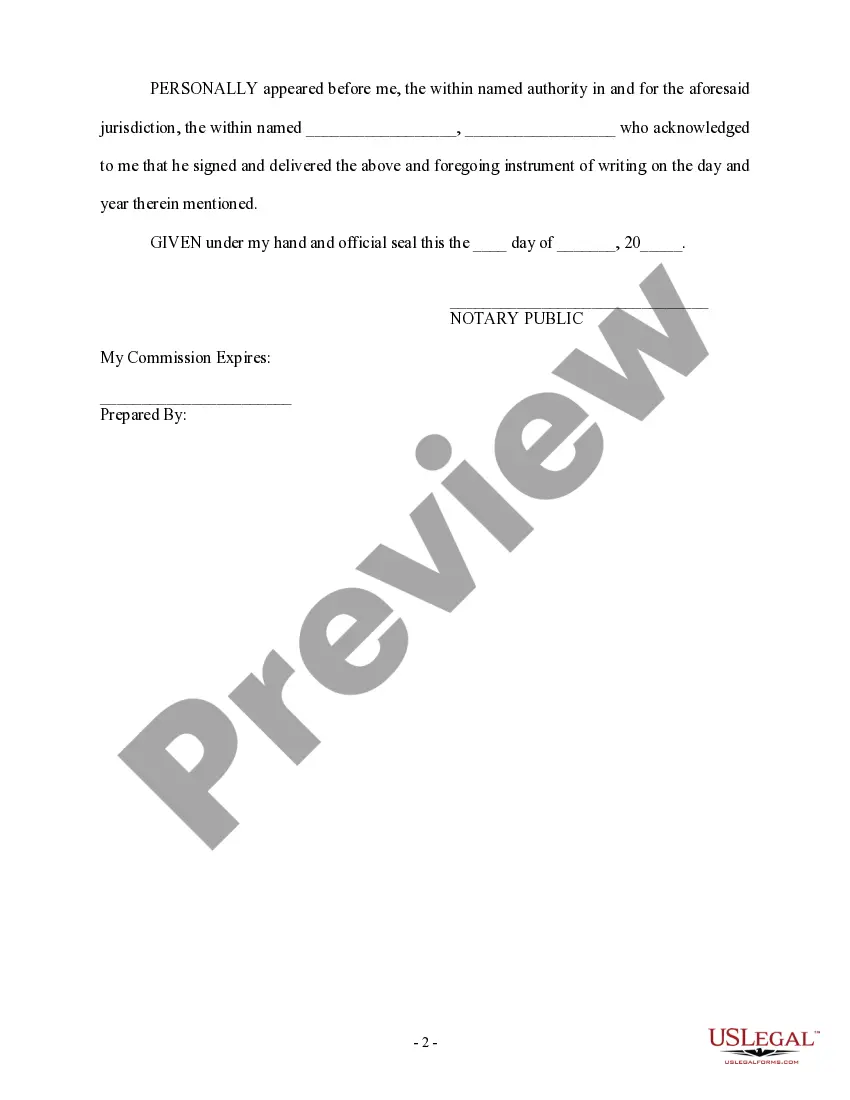
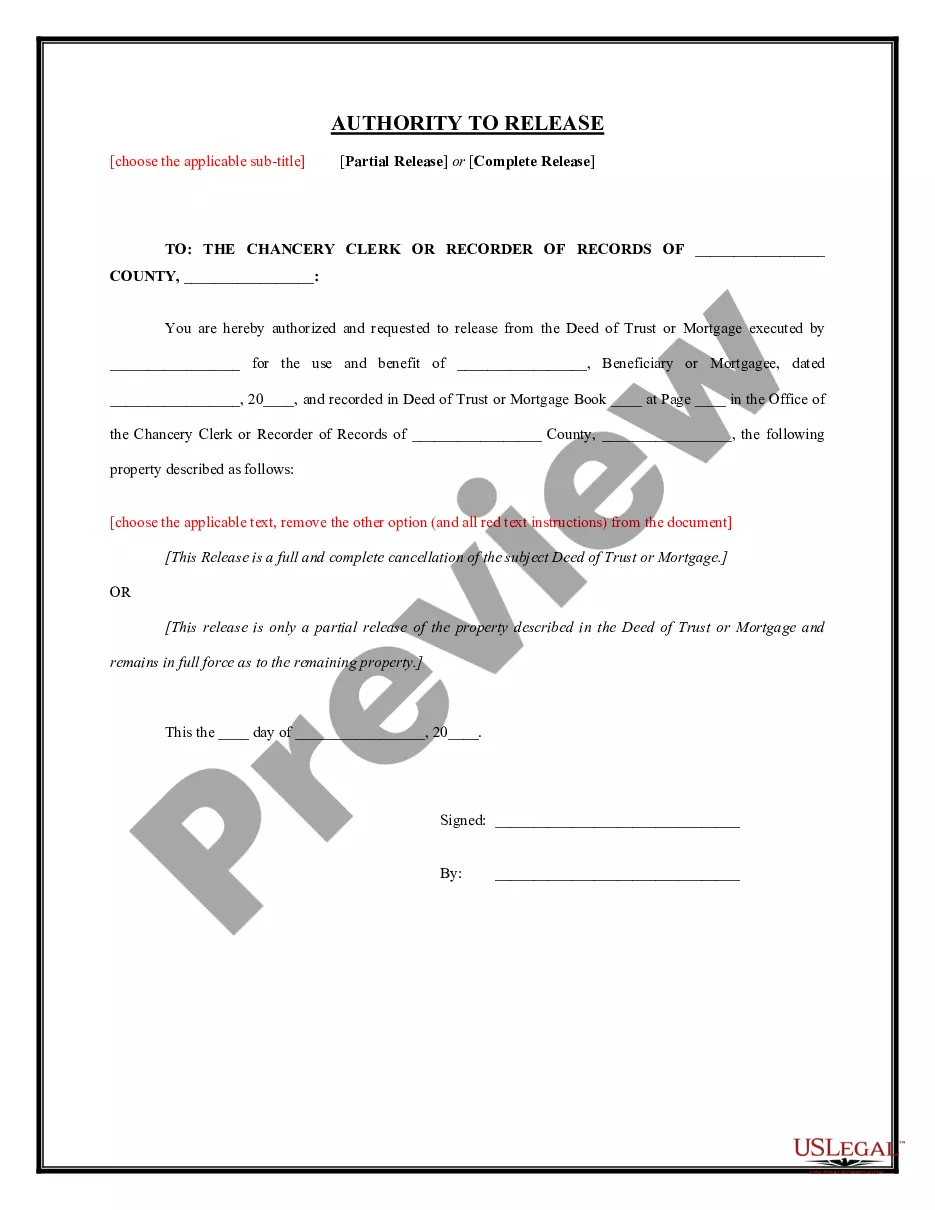
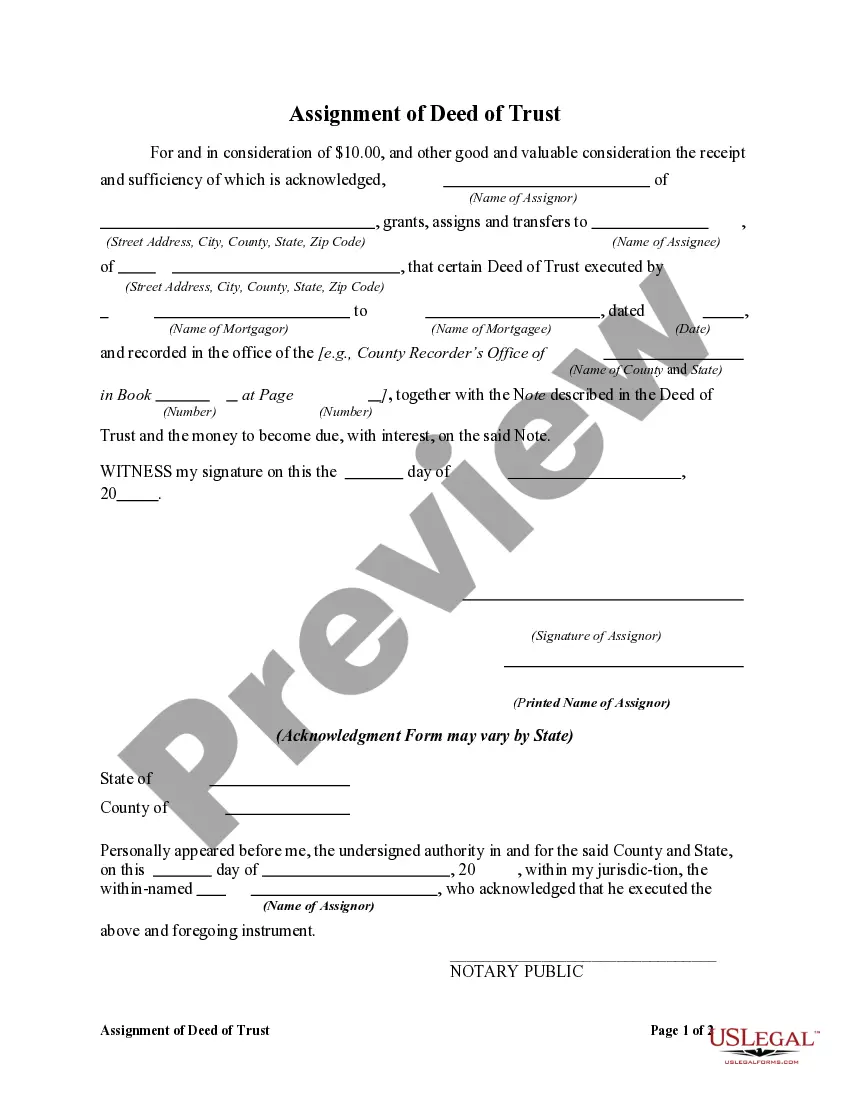
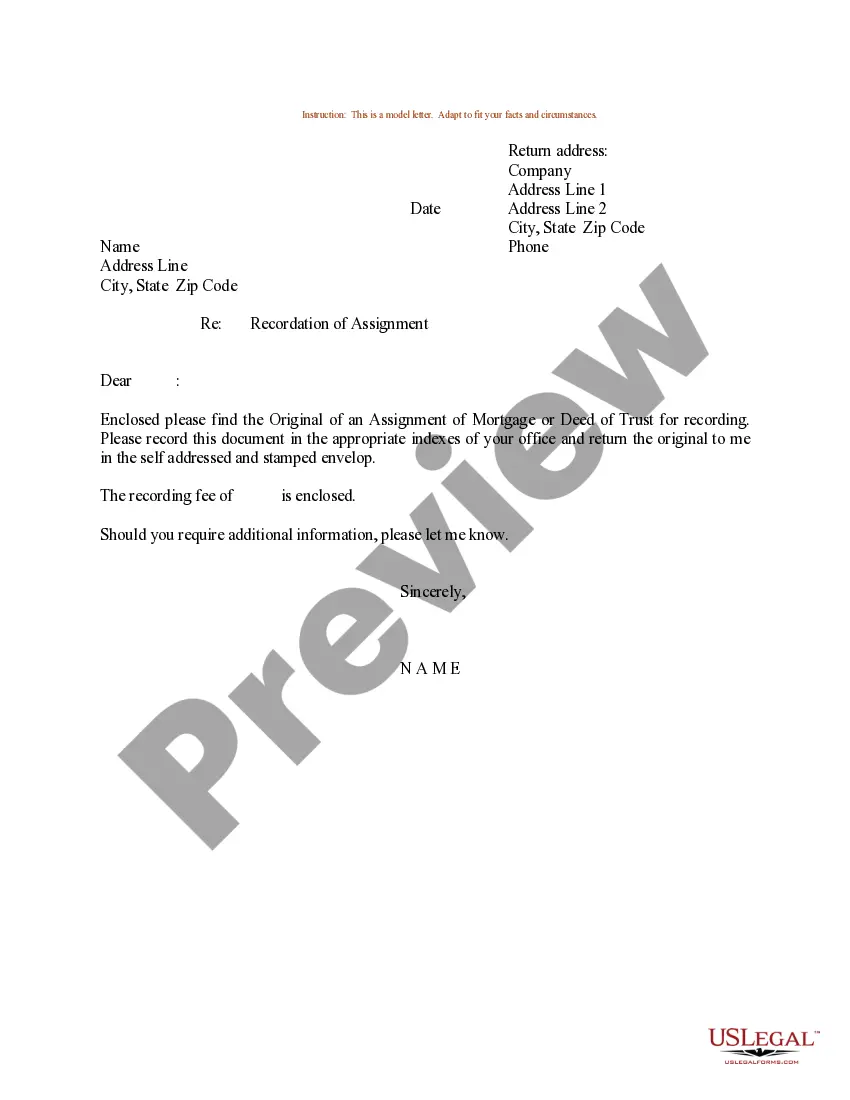

Get your form ready online
Our built-in tools help you complete, sign, share, and store your documents in one place.
Make edits, fill in missing information, and update formatting in US Legal Forms—just like you would in MS Word.
Download a copy, print it, send it by email, or mail it via USPS—whatever works best for your next step.
Sign and collect signatures with our SignNow integration. Send to multiple recipients, set reminders, and more. Go Premium to unlock E-Sign.
If this form requires notarization, complete it online through a secure video call—no need to meet a notary in person or wait for an appointment.
We protect your documents and personal data by following strict security and privacy standards.

Make edits, fill in missing information, and update formatting in US Legal Forms—just like you would in MS Word.

Download a copy, print it, send it by email, or mail it via USPS—whatever works best for your next step.

Sign and collect signatures with our SignNow integration. Send to multiple recipients, set reminders, and more. Go Premium to unlock E-Sign.

If this form requires notarization, complete it online through a secure video call—no need to meet a notary in person or wait for an appointment.

We protect your documents and personal data by following strict security and privacy standards.
Looking for another form?



Form popularity
FAQ
No, the warranty deed alone does not prove ownership. Ownership is confirmed once the deed is recorded with the county recorder's office, making it part of the public record.
Most current deeds fall into one of four categories: 1) General Warranty, 2) Special Warranty, 3) Quit Claim deed, and 4) Bargain and Sale deed. General Warranty Deed — The General Warranty deed is often referred to simply as a warranty deed.
A traditional deed simply transfers the ownership of a property from one party to another (in other words, the seller to the buyer.) Whoever legally holds the deed is the rightful owner of the property. A warranty deed, on the other hand, contains special assurances that the seller makes to the buyer.
A traditional deed simply transfers the ownership of a property from one party to another (in other words, the seller to the buyer.) Whoever legally holds the deed is the rightful owner of the property. A warranty deed, on the other hand, contains special assurances that the seller makes to the buyer.
The King County Recorder's Office is charged with recording documents such as real estate deeds, mortgages, plats, and surveys. 1215 E. Fir St. Lobby hours: Tuesday and Wednesday, 10 a.m. to 3 p.m.
All warranty deeds must include the date of the transaction, the name of the parties involved, a legal description of the property being transferred, a list of title defects and the signatures of the buyers. To make it legally binding, warranty deeds must be signed in the presence of a notary public.
Warranty deeds provide the purchaser of the property with the highest form of protection and are often used when a buyer wants to get financing for a mortgage or title insurance. A warranty deed guarantees that: The grantor is the rightful owner of the property and has the legal right to transfer the title.
General warranty deeds give the grantee the most legal protection, while special warranty deeds give the grantee more limited protection. A quitclaim deed gives the grantee the least protection under the law.
The buyer, or grantee, of a property benefits the most from obtaining a warranty deed. Through the recording of a warranty deed, the seller is providing assurances to the buyer should anything unexpected happen.
The key difference between the two is that with a warranty deed, the grantor is guaranteeing that they will defend the title of a property, in the present and in the future. This leaves an opening for the grantee to sue the grantor if any issues with the title arise, at any point in time.
