Competition Non Competition With Friends In Georgia
Description

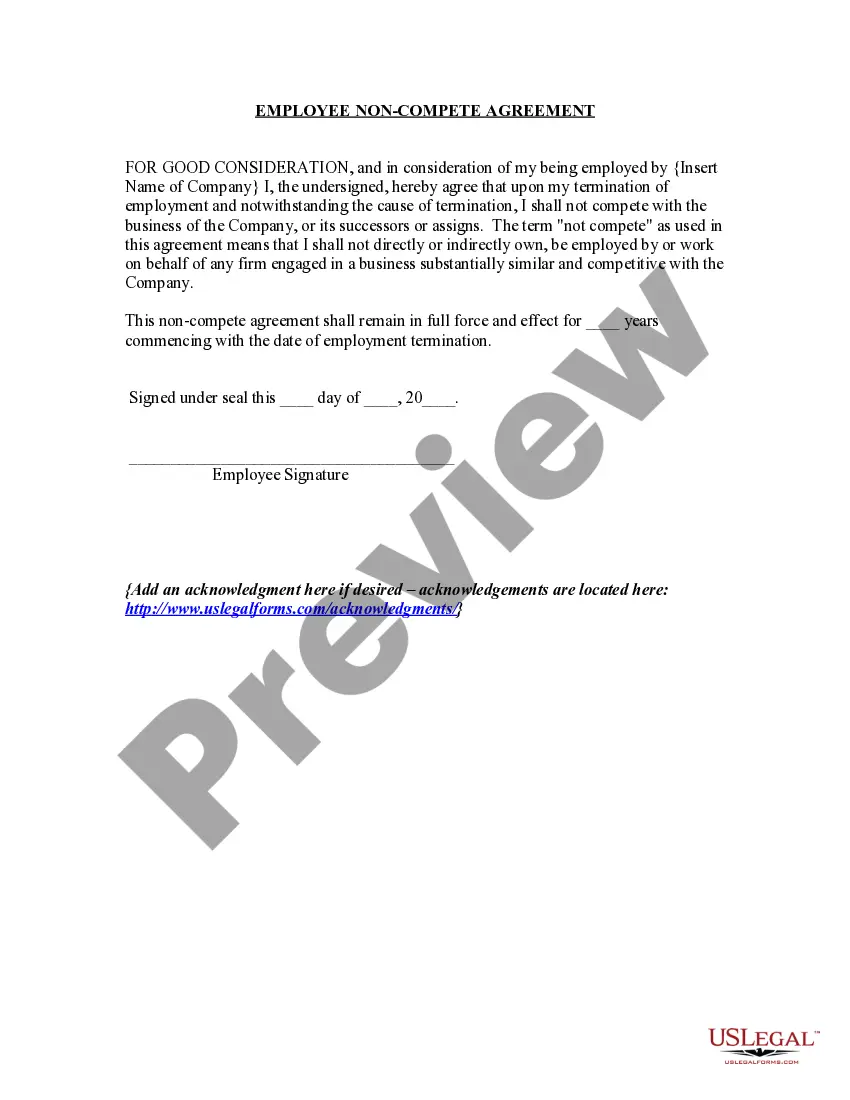
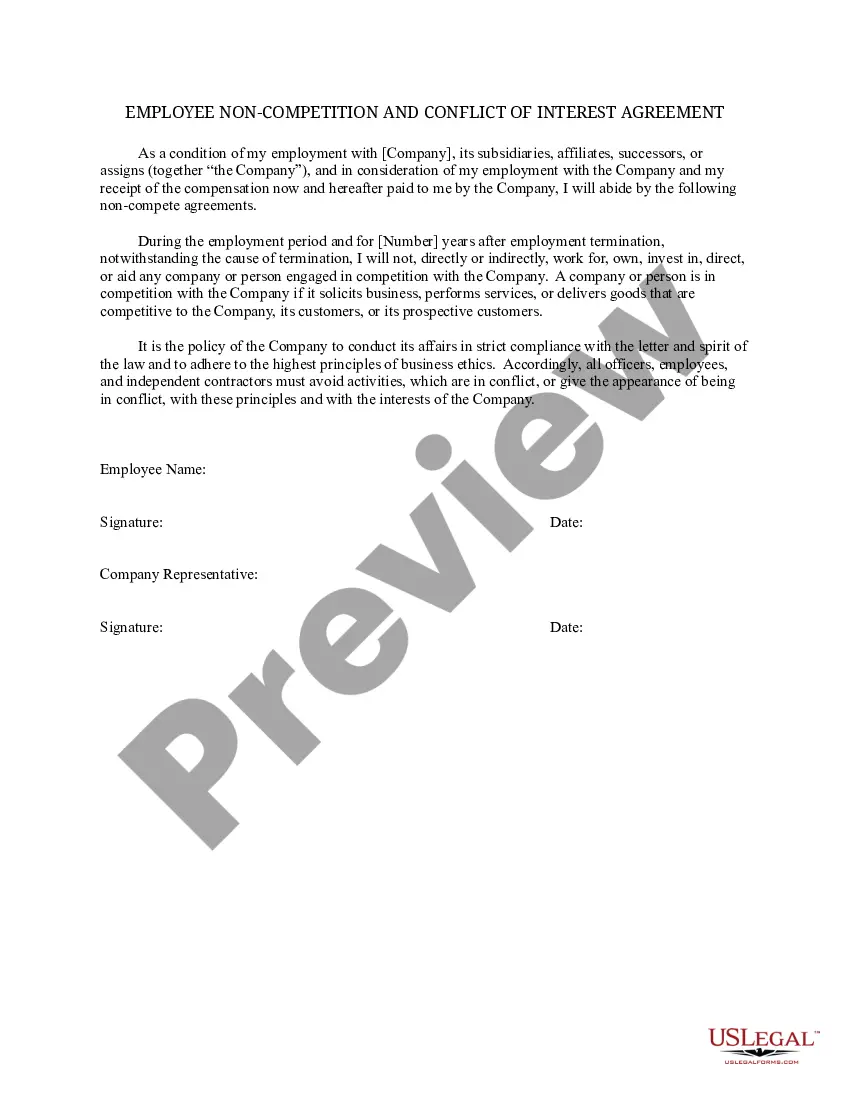
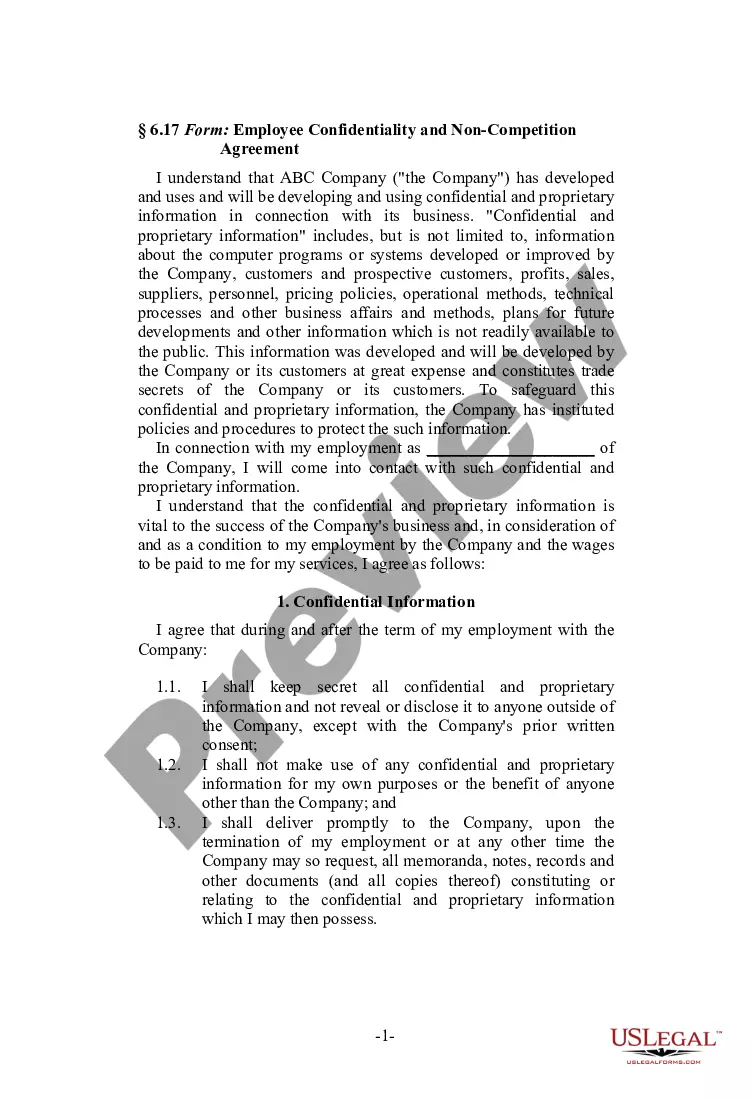
Get your form ready online
Our built-in tools help you complete, sign, share, and store your documents in one place.
Make edits, fill in missing information, and update formatting in US Legal Forms—just like you would in MS Word.
Download a copy, print it, send it by email, or mail it via USPS—whatever works best for your next step.
Sign and collect signatures with our SignNow integration. Send to multiple recipients, set reminders, and more. Go Premium to unlock E-Sign.
If this form requires notarization, complete it online through a secure video call—no need to meet a notary in person or wait for an appointment.
We protect your documents and personal data by following strict security and privacy standards.

Make edits, fill in missing information, and update formatting in US Legal Forms—just like you would in MS Word.

Download a copy, print it, send it by email, or mail it via USPS—whatever works best for your next step.

Sign and collect signatures with our SignNow integration. Send to multiple recipients, set reminders, and more. Go Premium to unlock E-Sign.

If this form requires notarization, complete it online through a secure video call—no need to meet a notary in person or wait for an appointment.

We protect your documents and personal data by following strict security and privacy standards.
Looking for another form?



Form popularity
FAQ
Go to personnel. Tell them you feel the need to start considering your future and would like to be released from the non-compete part of your contract so you can get started. I'd give you until tomorrow about closing time and you won't have to worry about taking paper clips or any other company property home again.
In Georgia, a non-compete agreement may be declared unenforceable or invalid for a number of reasons, including: An unreasonable time period (under the newest version of Georgia's non-compete law, restraints lasting more than 2 years are presumed unreasonable) An unreasonable restriction on geographic territory.
Several factors can void or limit the enforceability of a non-compete agreement, including overly broad restrictions, unreasonable time frames or geographical limits, lack of consideration (such as compensation or job opportunities provided in exchange for the agreement), and violation of public policy.
Are non-compete provisions enforceable in Georgia? Yes. But under the Old Law it was and is very difficult to do so. 85-90% of such agreements we review are, in fact, not enforceable.
Q: Are non-compete agreements enforceable in Georgia? A: Under Georgia's Restrictive Covenants Act, employee non-compete agreements are generally enforceable.
The simplest way to get out of that kind of contract is merely to ask them to release your from it. If they refuse, you might need to get a lawyer to aid you in doing so. Non-compete contracts usually have penalties specified and certainly have durations. A contract that the courts deem to be unfair can be nullified.
Non-Competitive Activity at New Employer: One of the most straightforward ways to overcome a noncompete is by ensuring that your new role with a different employer is in a non-competitive capacity. If you're not engaging in activities that directly compete with your former employer's business, you may be in the clear.
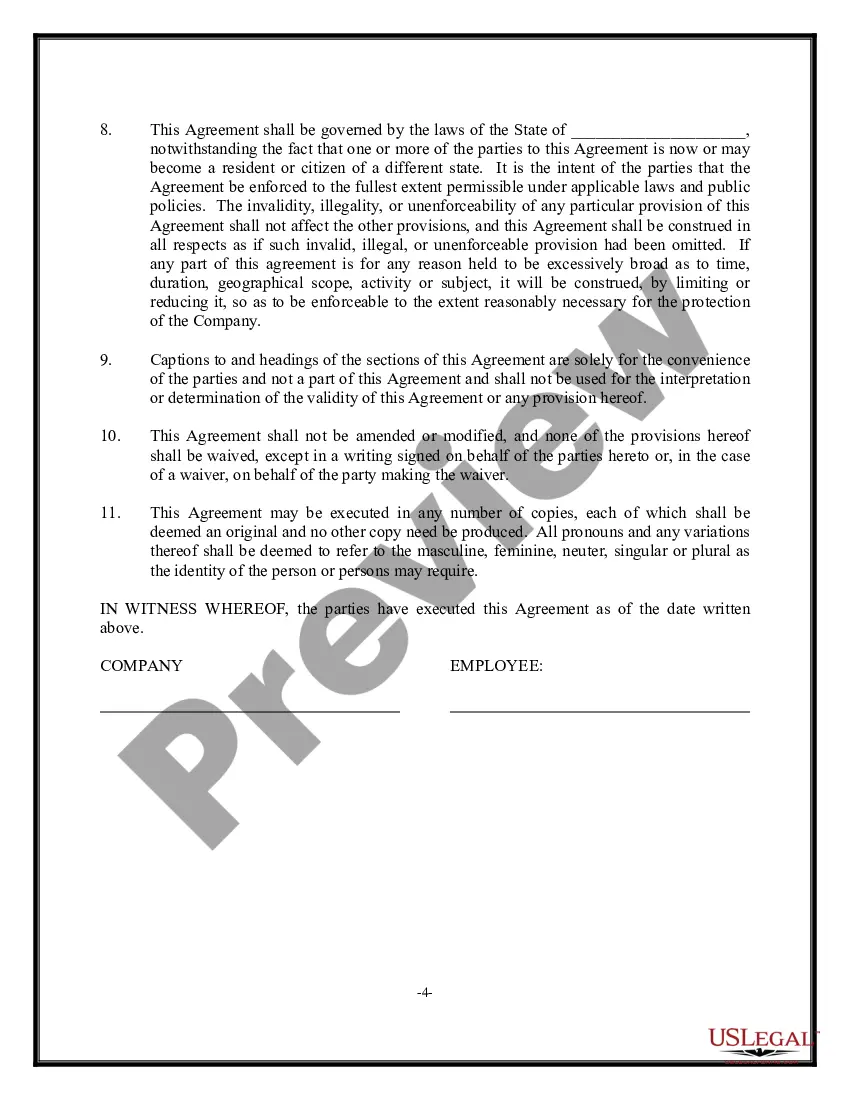
The very basic requirements are that the non-compete must (1) be in writing; (2) be part of an employment contract; (3) be based on valuable consideration; (4) be reasonable in scope of time and of territory; (5) not be against public policy.