Competition Noncompetition Within A Company In Franklin
Description

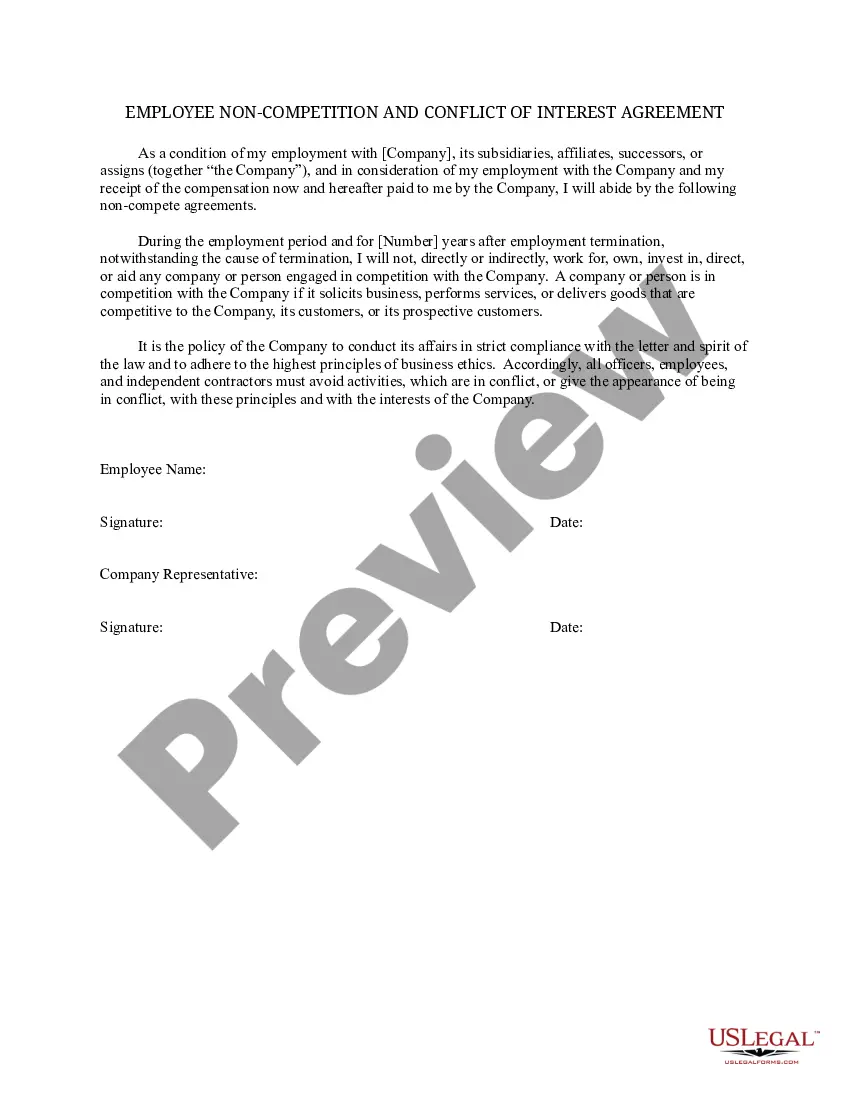
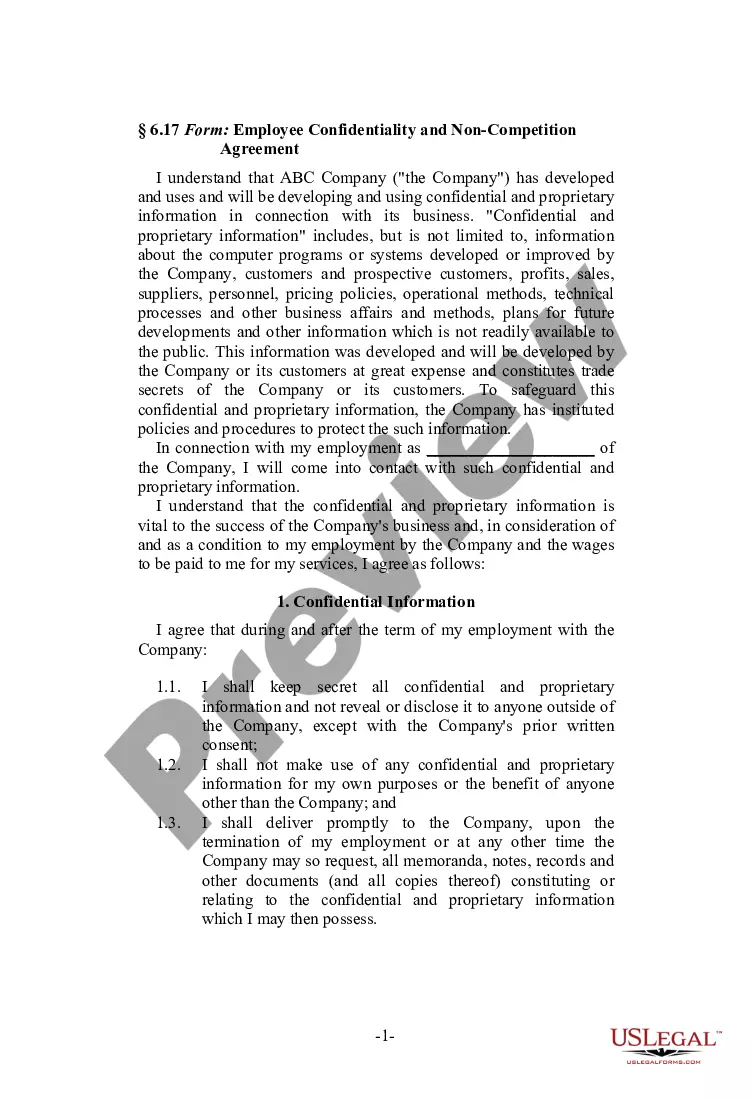
Get your form ready online
Our built-in tools help you complete, sign, share, and store your documents in one place.
Make edits, fill in missing information, and update formatting in US Legal Forms—just like you would in MS Word.
Download a copy, print it, send it by email, or mail it via USPS—whatever works best for your next step.
Sign and collect signatures with our SignNow integration. Send to multiple recipients, set reminders, and more. Go Premium to unlock E-Sign.
If this form requires notarization, complete it online through a secure video call—no need to meet a notary in person or wait for an appointment.
We protect your documents and personal data by following strict security and privacy standards.

Make edits, fill in missing information, and update formatting in US Legal Forms—just like you would in MS Word.

Download a copy, print it, send it by email, or mail it via USPS—whatever works best for your next step.

Sign and collect signatures with our SignNow integration. Send to multiple recipients, set reminders, and more. Go Premium to unlock E-Sign.

If this form requires notarization, complete it online through a secure video call—no need to meet a notary in person or wait for an appointment.

We protect your documents and personal data by following strict security and privacy standards.
Looking for another form?









Form popularity
FAQ
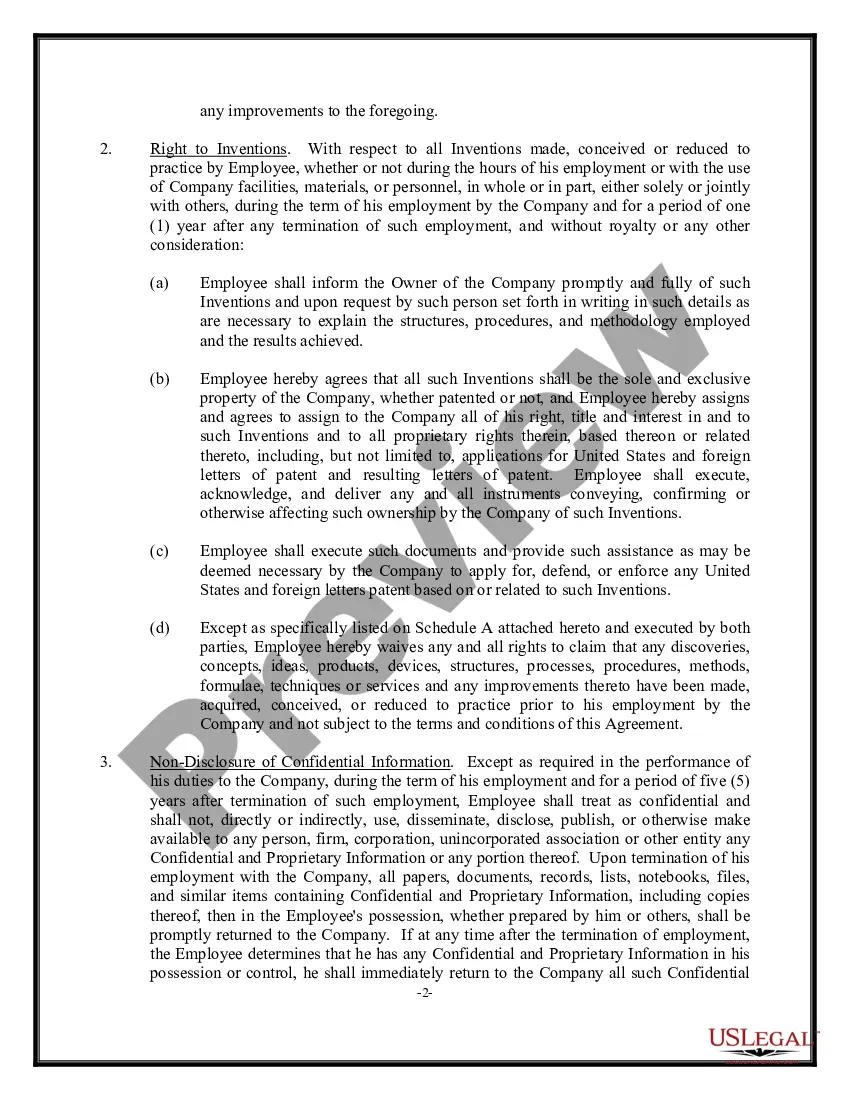
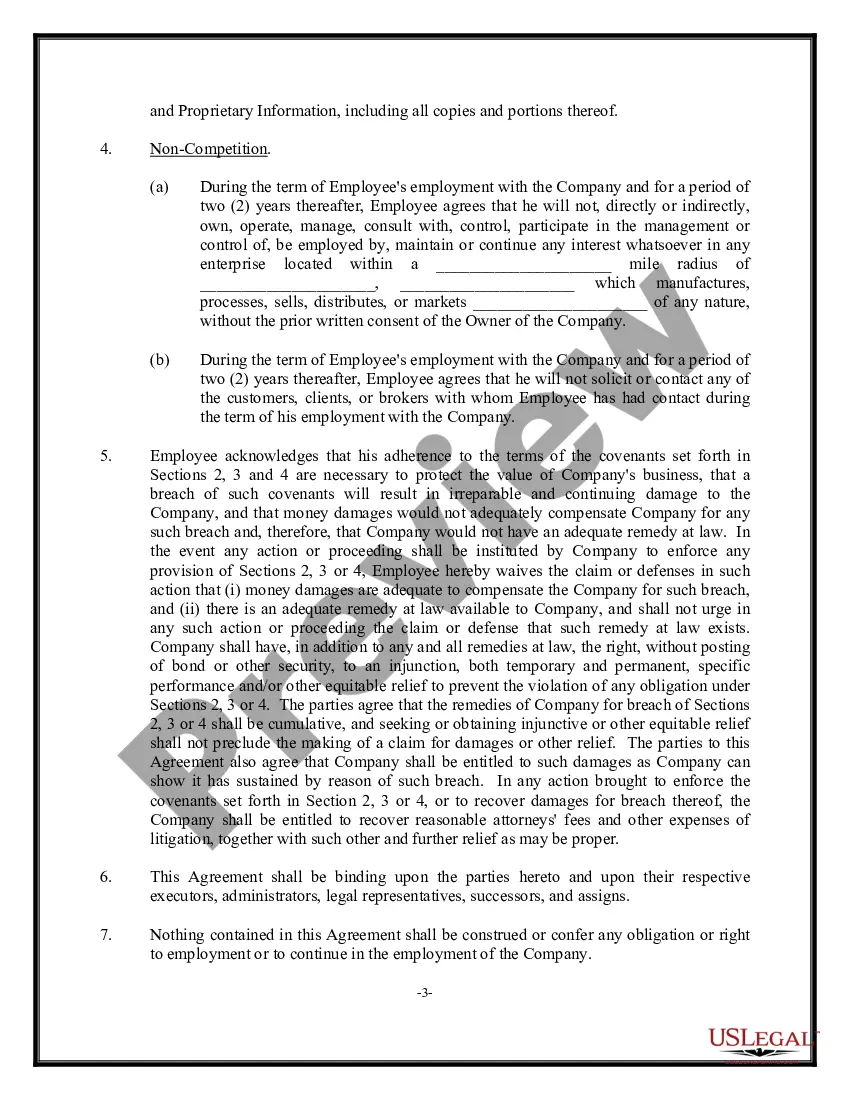
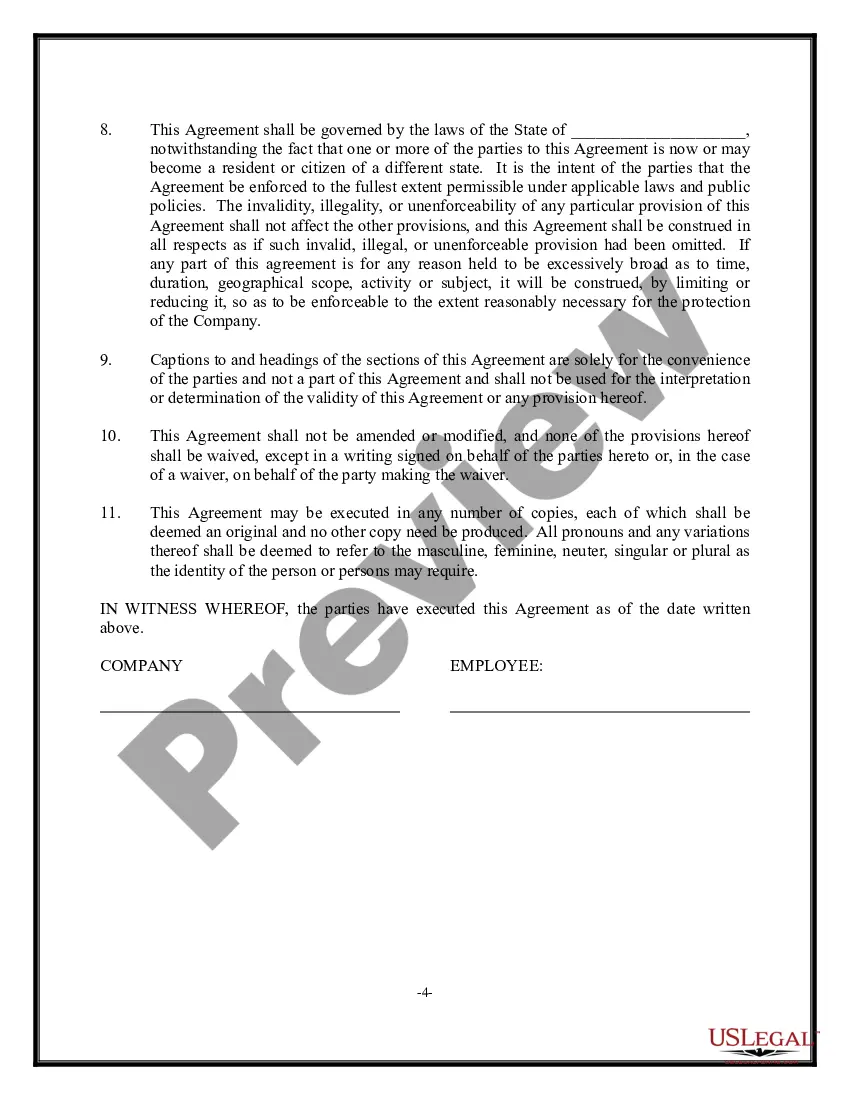
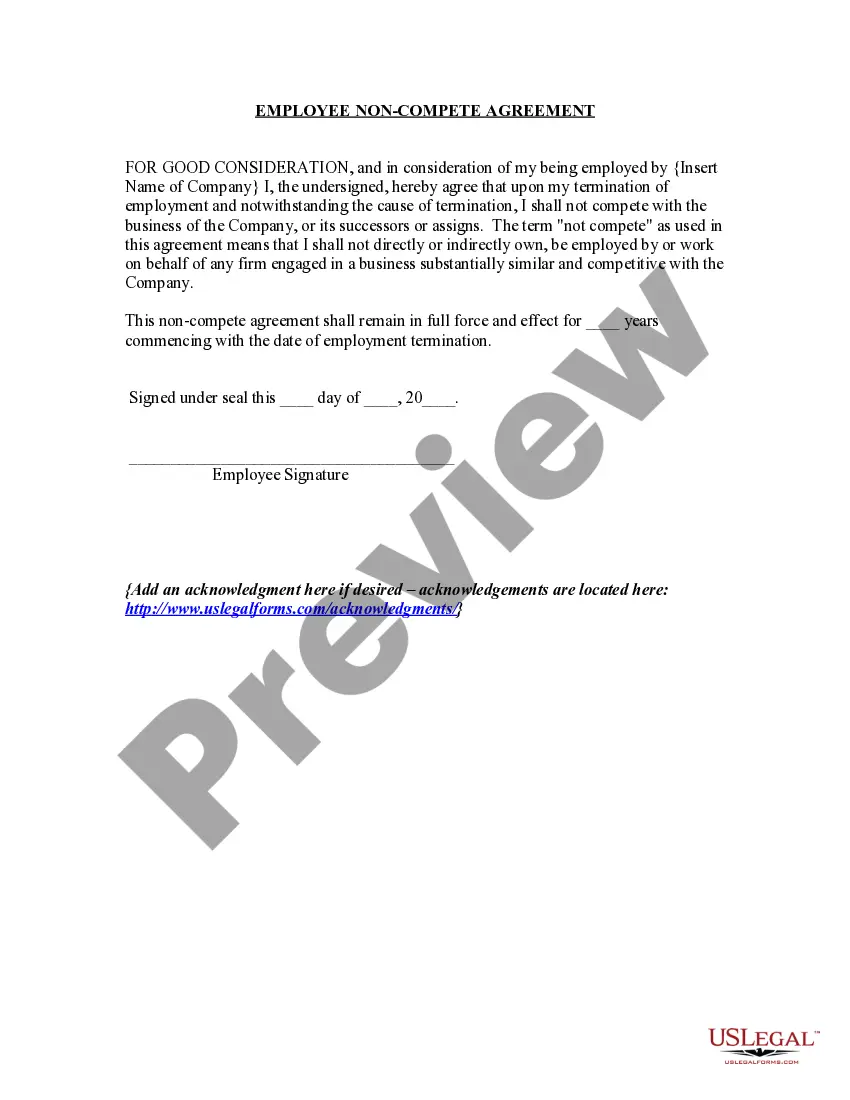
(c) Employee name agrees not to set up in business as a direct competitor of company name within a radius of number miles of company name and location for a period of number and measure of time (e.g., “four months” or “10 years”) following the expiration or termination of this agreement.
The following are the most common ways to get out of a non-compete agreement: Determine that the terms of the contract do not in fact prevent you from a desired course of action. Recognize when a non-compete contradicts the law. Negotiate a release agreement with the involved parties. Ignore the agreement.
Generally, Colorado law prohibits Non-Compete agreements that restrict a person's right to receive compensation for performance of skilled or unskilled labor receive compensation for performance of skilled or unskilled labor for any employer.
To try to prevent such an outcome, a worker who is a party to a non-compete or non-solicitation agreement, may seek a declaratory judgment from a Colorado court of competent jurisdiction, or an arbitrator if an arbitration clause applies, to ask that it be declared that the non-compete or non-solicitation agreement is ...
Courts also tend to frown upon non-compete agreements that don't allow an employee to leave the region or state and continue to work, A non-compete agreement is unenforceable, if the geographic scope of the restriction is far too broad.
In Colorado Non-Compete Agreements are presumptively void and are valid only if the non-compete agreement falls within one of the statutory exceptions, and the restrictions on competition are reasonable under the circumstances.
The following are the most common ways to get out of a non-compete agreement: Determine that the terms of the contract do not in fact prevent you from a desired course of action. Recognize when a non-compete contradicts the law. Negotiate a release agreement with the involved parties. Ignore the agreement.
Non-compete agreements are unenforceable in California except under very narrow circumstances. Non-compete agreements signed in other states are unenforceable in California.
Finally, employers should consider the recent rule adopted by the FTC (effective September 4, 2024) banning non-competes, but for limited exceptions, and its language applicable to training and training reimbursement that may, in certain circumstances, ban TRAPS if they function as non-competes.
Generally, Colorado law prohibits Non-Compete agreements that restrict a person's right to receive compensation for performance of skilled or unskilled labor receive compensation for performance of skilled or unskilled labor for any employer.
