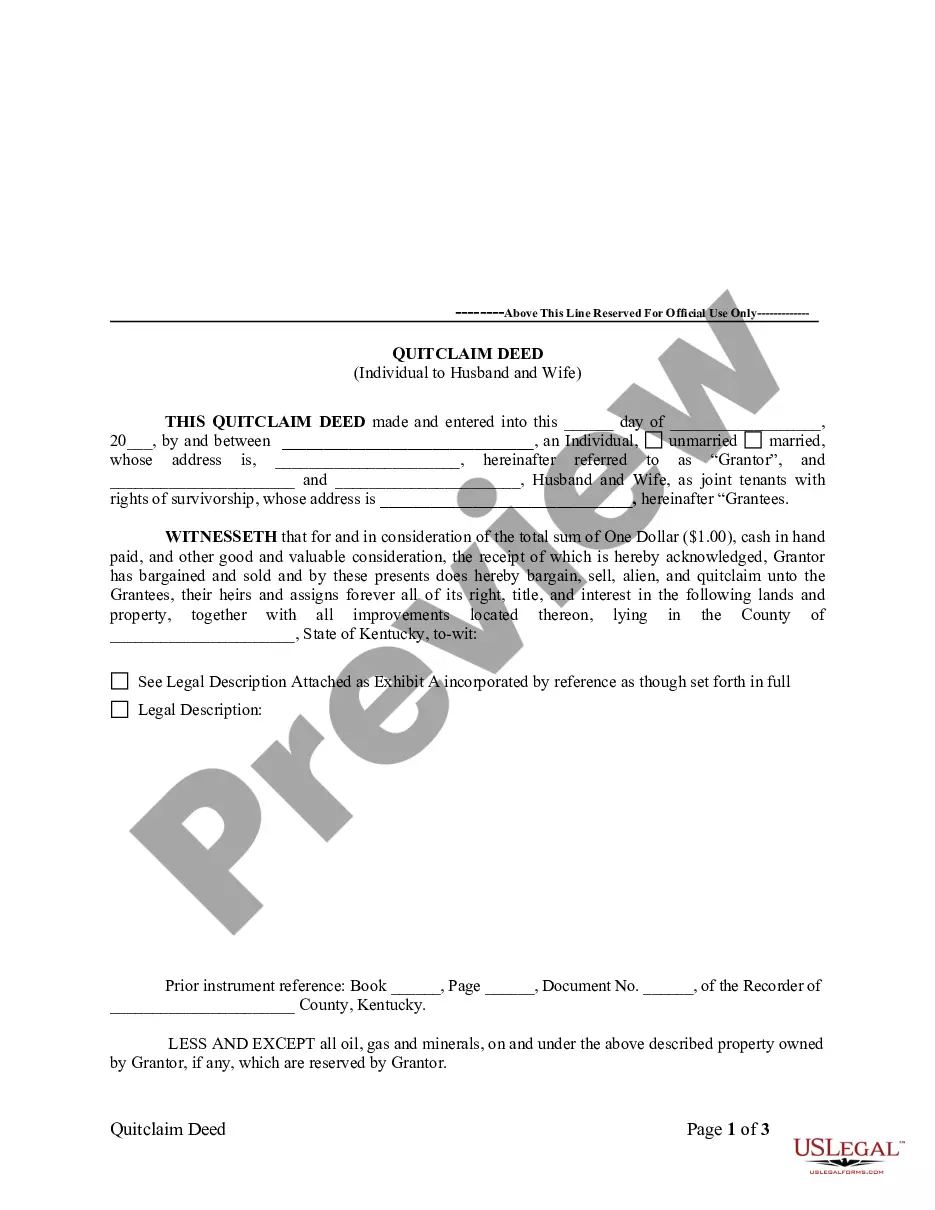
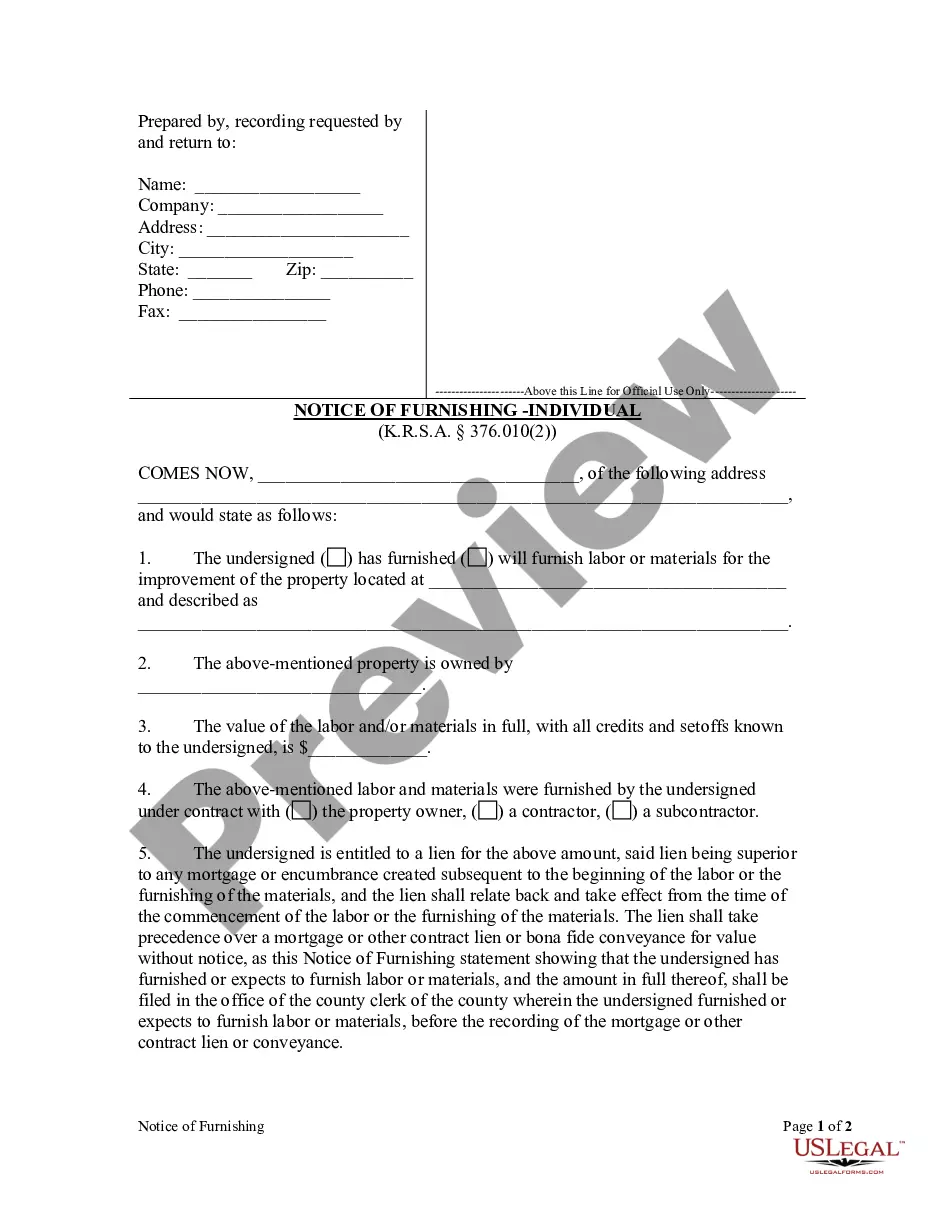
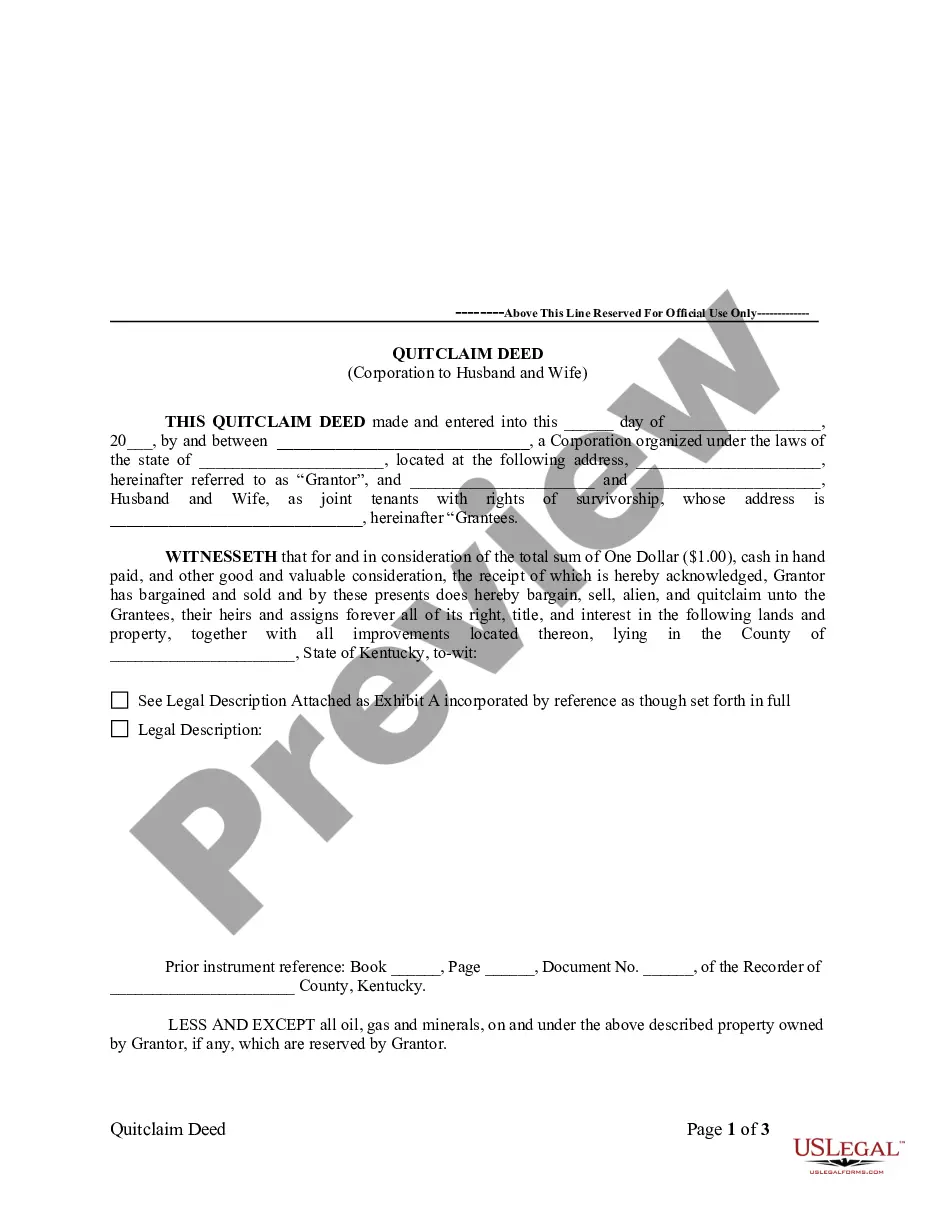
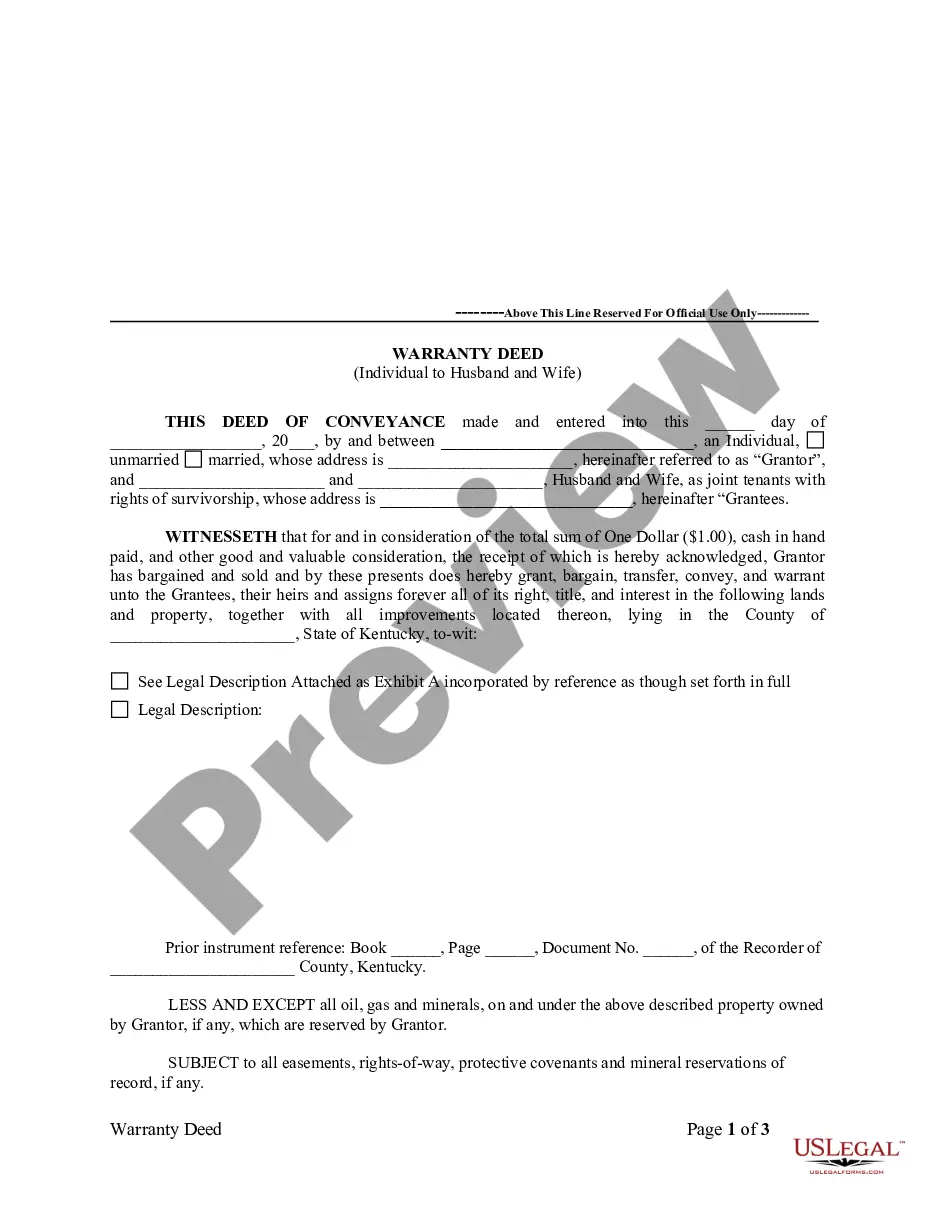
Oregon Order Renewing Restraining Order (3)
Description
How to fill out Oregon Order Renewing Restraining Order (3)?
Working with legal documentation requires attention, precision, and using well-drafted blanks. US Legal Forms has been helping people countrywide do just that for 25 years, so when you pick your Oregon Order Renewing Restraining Order (3) template from our library, you can be certain it meets federal and state regulations.
Working with our service is straightforward and quick. To get the necessary document, all you’ll need is an account with a valid subscription. Here’s a brief guideline for you to get your Oregon Order Renewing Restraining Order (3) within minutes:
- Make sure to attentively examine the form content and its correspondence with general and law requirements by previewing it or reading its description.
- Look for another official template if the previously opened one doesn’t suit your situation or state regulations (the tab for that is on the top page corner).
- Log in to your account and save the Oregon Order Renewing Restraining Order (3) in the format you prefer. If it’s your first time with our website, click Buy now to continue.
- Register for an account, decide on your subscription plan, and pay with your credit card or PayPal account.
- Decide in what format you want to obtain your form and click Download. Print the blank or add it to a professional PDF editor to submit it electronically.
All documents are drafted for multi-usage, like the Oregon Order Renewing Restraining Order (3) you see on this page. If you need them one more time, you can fill them out without re-payment - simply open the My Forms tab in your profile and complete your document any time you need it. Try US Legal Forms and accomplish your business and personal paperwork quickly and in total legal compliance!
Form popularity
FAQ
Violation of the Restraining Order may result in civil and/or criminal penalties, including a jail sentence of up to 6 months and a fine of $500 or 1% of your annual gross income, whichever is more. If you have any questions about the Restraining Order or your rights, you should consult an attorney.
Penalties for Violation of a Restraining Order in Oregon However, if you have previously violated the order or you have a stalking conviction on your record, the violation will be charged as a Class C felony and carry a potential sentence of up to 5 years in prison and fines up to $125,000.
A restraining order lasts for 1 year from the date the judge signed it, unless it is dismissed or cancelled by the court. Orders can be renewed for 1 year at a time, if the judge believes you are likely still in danger.
FAPA orders are available in every county in Oregon. Once issued, a FAPA order is effective for 12 months, unless the court terminates or extends the order. The court must hold a hearing, by telephone or in person, the day or the day after a victim files for a FAPA order.
Ask the court when you file how they handle restraining order modifications. If you are the Petitioner and your request is for less restrictive terms, the judge may sign an order granting your request without a hearing. The Respondent can ask for a hearing within 30 days after the Order is served.
The No Contact Order (NCO) is ordered by a Judge or parole/probation officer (PO), instructing the justice-involved individual (JII) to not have any contact with the listed victim/s or other identified people.
Both forms of legal action prohibit contact by one party to the other. One of the main differences is that restraining orders often last up to one year and are temporary. No-contact agreements are binding contracts that can be removed only by the district attorney or the judge who is working the case.
A restraining order is a court order to protect your physical safety. It can tell the other person (the ?respondent?) to move. The order can also specify locations where the respondent cannot go. The Petition includes other things that you can ask for if you think they will help you stay safe.