Competition Noncompetition For Students In Dallas
Description

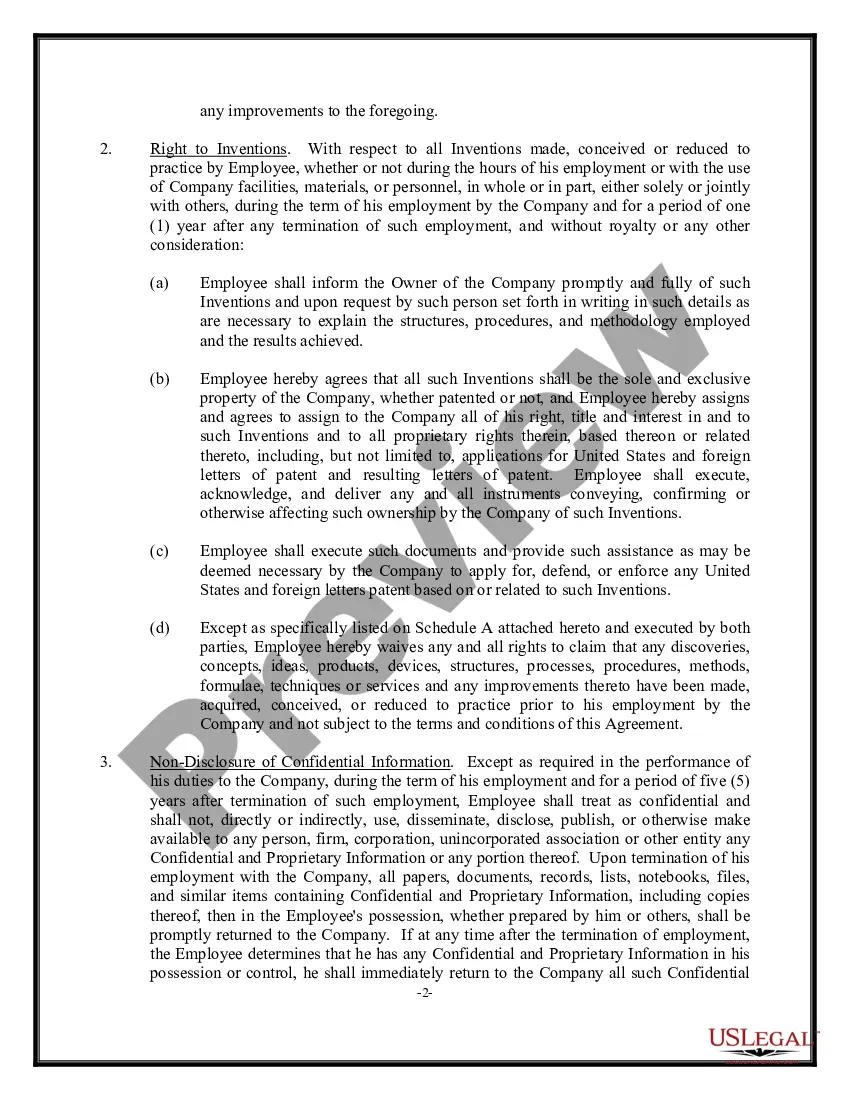
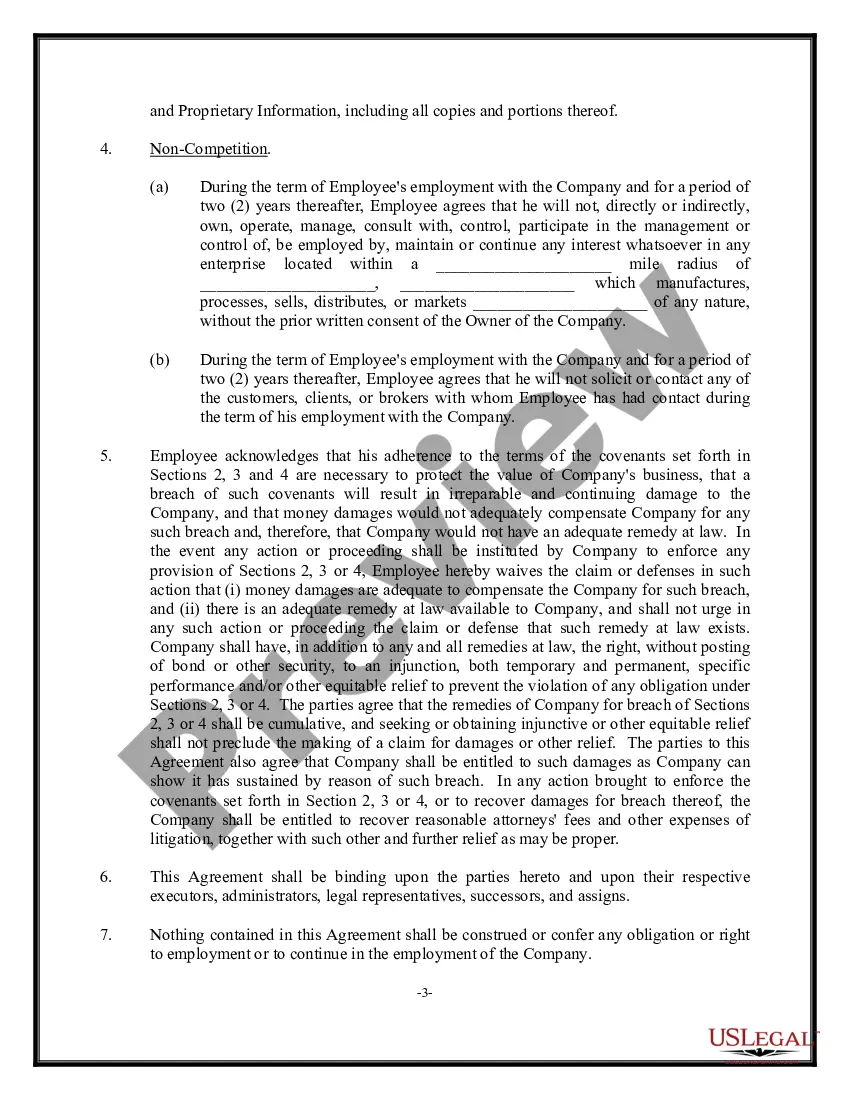
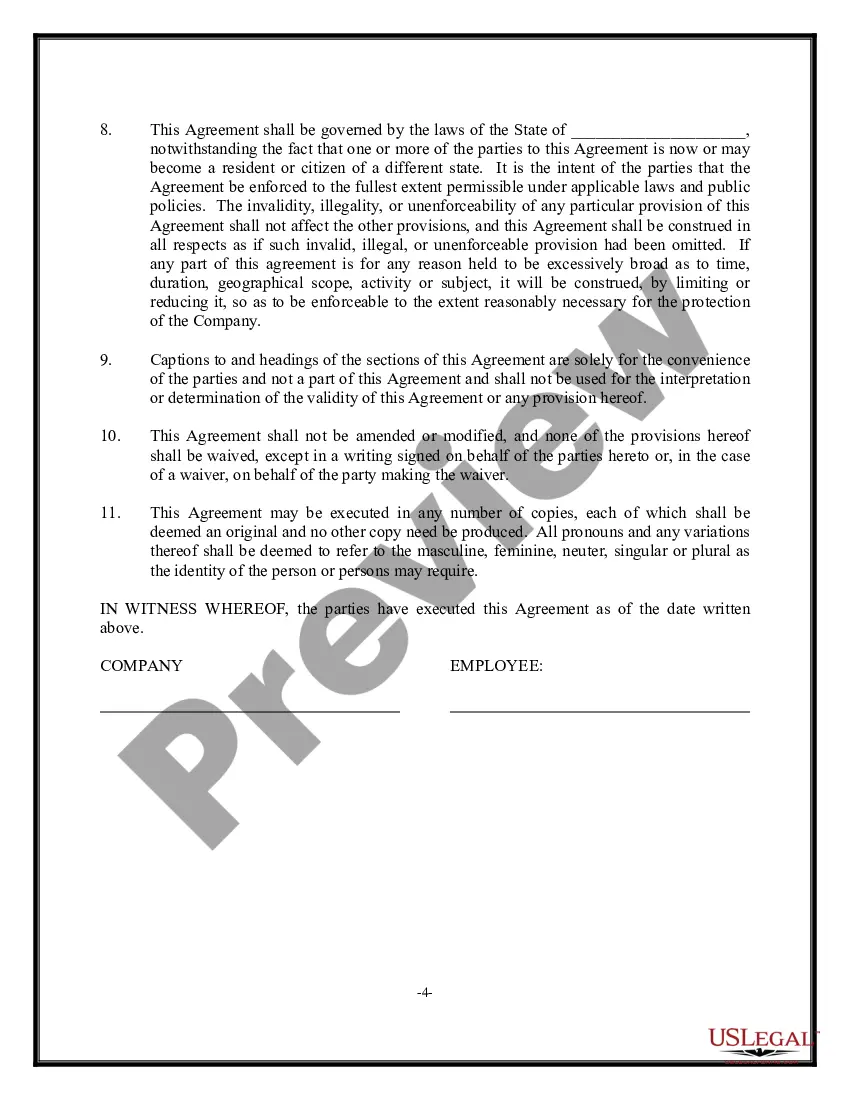
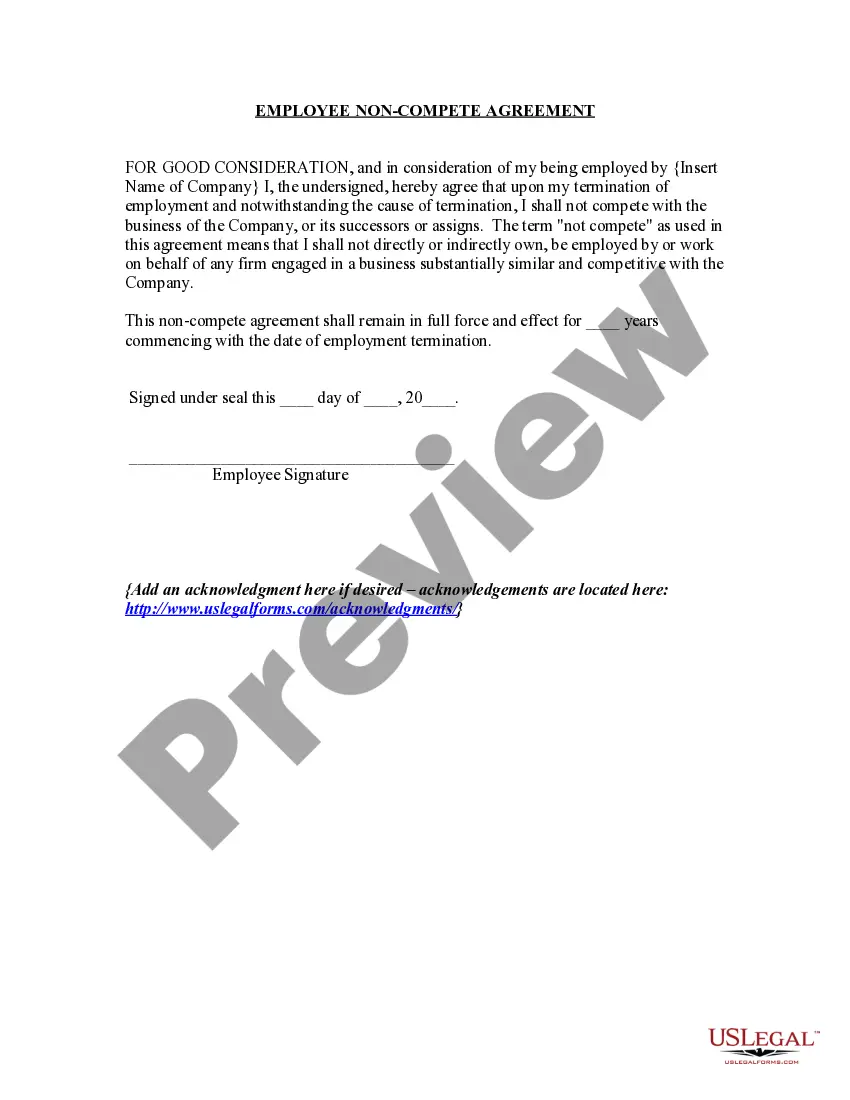
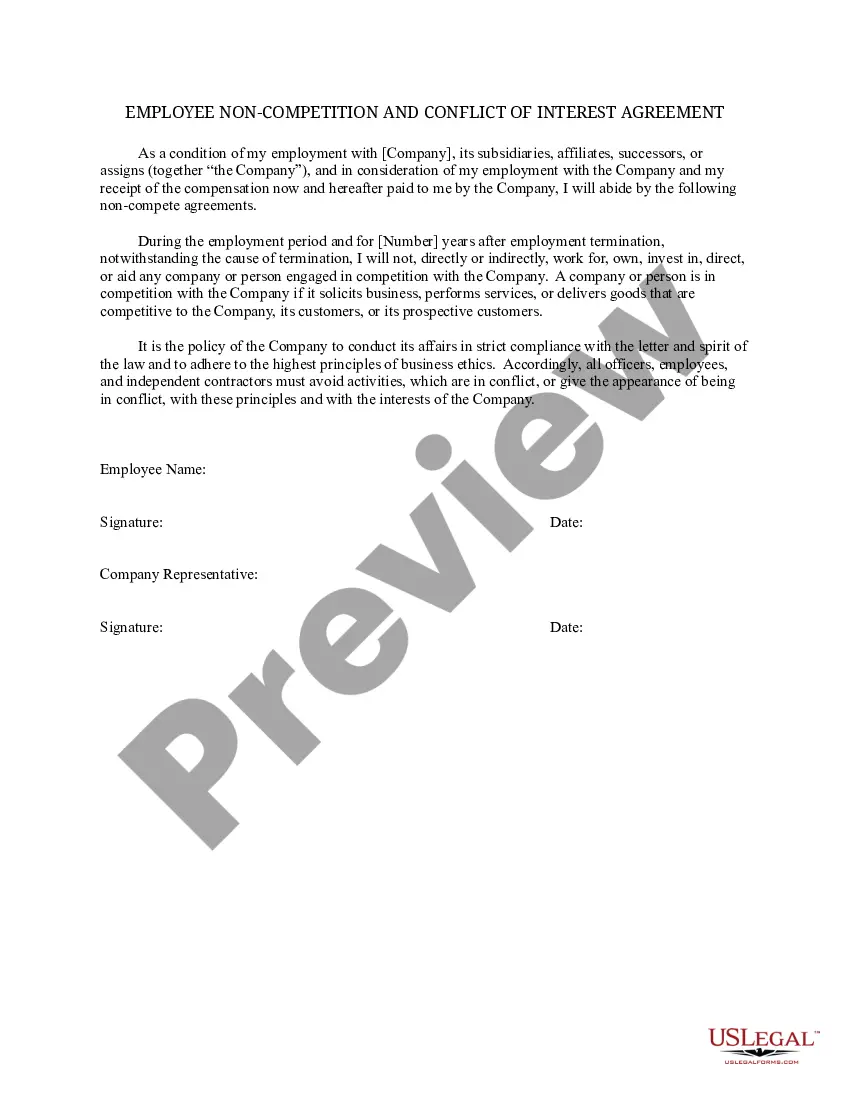
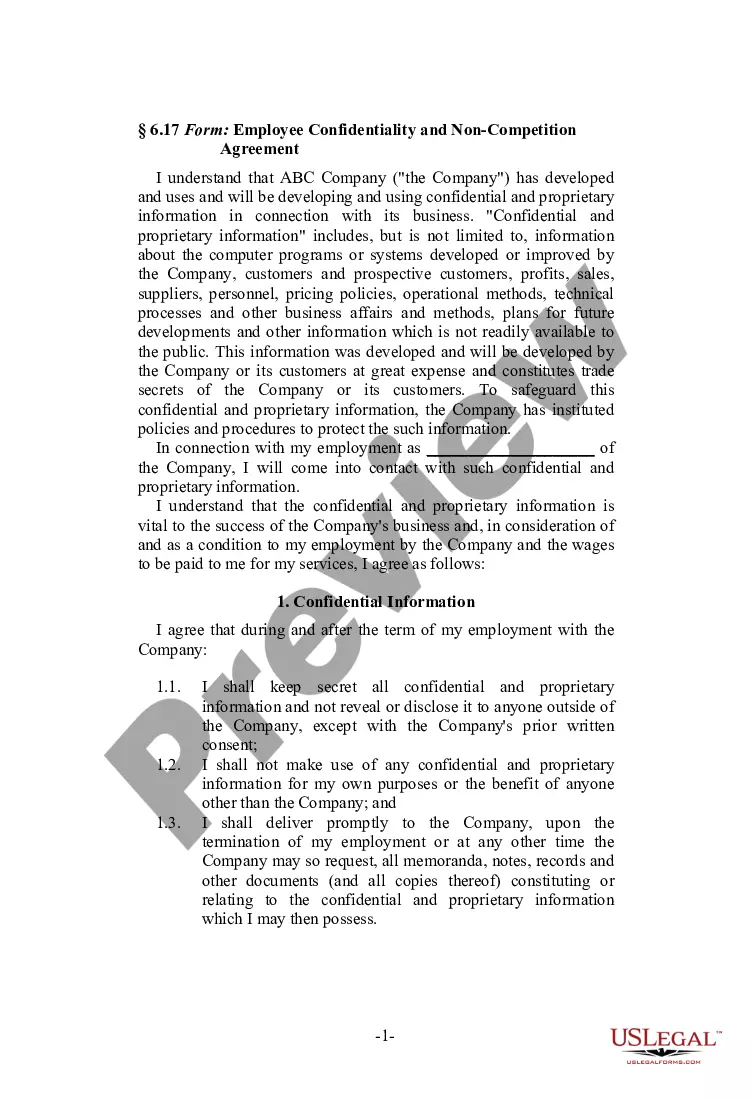
Get your form ready online
Our built-in tools help you complete, sign, share, and store your documents in one place.
Make edits, fill in missing information, and update formatting in US Legal Forms—just like you would in MS Word.
Download a copy, print it, send it by email, or mail it via USPS—whatever works best for your next step.
Sign and collect signatures with our SignNow integration. Send to multiple recipients, set reminders, and more. Go Premium to unlock E-Sign.
If this form requires notarization, complete it online through a secure video call—no need to meet a notary in person or wait for an appointment.
We protect your documents and personal data by following strict security and privacy standards.

Make edits, fill in missing information, and update formatting in US Legal Forms—just like you would in MS Word.

Download a copy, print it, send it by email, or mail it via USPS—whatever works best for your next step.

Sign and collect signatures with our SignNow integration. Send to multiple recipients, set reminders, and more. Go Premium to unlock E-Sign.

If this form requires notarization, complete it online through a secure video call—no need to meet a notary in person or wait for an appointment.

We protect your documents and personal data by following strict security and privacy standards.
Looking for another form?









Form popularity
FAQ
The Texas district court's final order enjoined enforcement of the Rule nationwide. The court held that the FTC had improperly exceeded its statutory authority by creating a substantive Rule banning non-competes.
Judge Ada Brown of U.S. District Court for the Northern District of Texas ruled that the antitrust agency lacked authority to issue substantive rules related to unfair methods of competition, including the noncompete rule, which would have prohibited companies from restricting their employees' ability to work for ...
compete in Texas is void if it has unreasonable terms, lacks adequate consideration, or doesn't protect legitimate business interests.
Employers can breathe a sigh of relief as a Texas federal judge set aside the Federal Trade Commission's (FTC) impending ban on non-compete clauses. The FTC published a final rule banning all non-compete clauses with workers in the United States going forward.
Under Texas law, a covenant not to compete is only enforceable if it is ancillary to or part of an otherwise enforceable agreement and it contains reasonable limitations regarding time, geographical area, and scope of activity.
In other words, a non-compete agreement remains in force whether the employee quit, was fired, or laid off. However, the reason for termination can be a factor when seeking to enforce a non-compete.
Under Texas law noncompete agreements can be enforceable if: The noncompete provision is part of an otherwise enforceable agreement. The non-compete requirement is supported by valid consideration (consideration meaning something of value provided to the employee).
A noncompete is unenforceable if it restricts an employee's ability to exercise their rights under federal law. No employer may enter into a covenant not to compete or a covenant not to solicit with any employee. Existing noncompetes are void and unenforceable, including out-of-state noncompetes.
Under the Noncompete Rule, the FTC adopted a comprehensive ban on new noncompetes with all workers, including senior executives.
A noncompete is unenforceable if it restricts an employee's ability to exercise their rights under federal law. No employer may enter into a covenant not to compete or a covenant not to solicit with any employee. Existing noncompetes are void and unenforceable, including out-of-state noncompetes.
